
Living in the North End — What You Need to Know Before Updating Your Historic Plumbing
Updating plumbing in Boston’s North End requires navigating a maze of historical preservation rules, aging infrastructure, and tight architectural constraints. Before you pick up a wrench, you need to understand the unique challenges of renovating plumbing in one of America’s oldest neighborhoods. Boston Landmarks Commission guidelines.
The North End’s 18th and 19th-century buildings feature materials like lead service lines, cast iron stacks, and galvanized steel pipes that no longer meet modern codes. These systems often hide behind original plaster walls and under centuries-old floorboards, making any renovation a delicate balance between modern functionality and historical integrity.. Read more about Lead Pipe Replacement (How to Check Your Historic Lexington Home).
Every plumbing update in the North End must comply with Boston Landmarks Commission (BLC) guidelines and Massachusetts plumbing codes. The process starts with understanding what lies beneath your floors and behind your walls — and how to bring it up to code without destroying the historic character that makes your home special. Massachusetts Uniform State Plumbing Code.
Common Plumbing Materials in North End Historic Homes
Most North End buildings constructed before 1940 contain plumbing materials that pose health and safety risks today. Lead service lines connect many homes to the city water main, while galvanized steel pipes corrode from the inside out. Cast iron drain stacks develop cracks and blockages over decades of use. Reliable 24 hour plumbing repair in the Back Bay.
Lead pipes leach toxic metal into drinking water, especially when water sits in the lines overnight. Galvanized steel corrodes, reducing water pressure and releasing rust particles. Cast iron stacks crack under freeze-thaw cycles, causing leaks that damage walls and ceilings. Water heater replacement and repair for South Boston condos.
Testing for these materials requires specialized equipment. A simple magnet test reveals galvanized steel — it sticks to the pipe. Lead pipes feel soft and malleable when scraped. Cast iron makes a dull sound when tapped with a metal tool.
Boston Landmarks Commission Requirements
The Boston Landmarks Commission reviews all exterior modifications in the North End, including plumbing vent stacks and water service line replacements. BLC guidelines require that any visible changes maintain the building’s historical appearance.. Read more about How to Tell if Your Mission Hill Rental Property Needs a Full Repiping.
Interior plumbing updates need BLC approval when they affect structural elements or require exterior penetrations. This includes moving bathroom fixtures, adding new drain lines, or replacing water heaters that vent through exterior walls.. Read more about How we fix low water pressure in Charlestown historic homes.
The approval process typically takes 30-45 days and requires detailed drawings showing how the work preserves historic features. BLC staff review submissions for compliance with the Secretary of the Interior’s Standards for Rehabilitation.
Modern Plumbing Solutions for Historic Homes
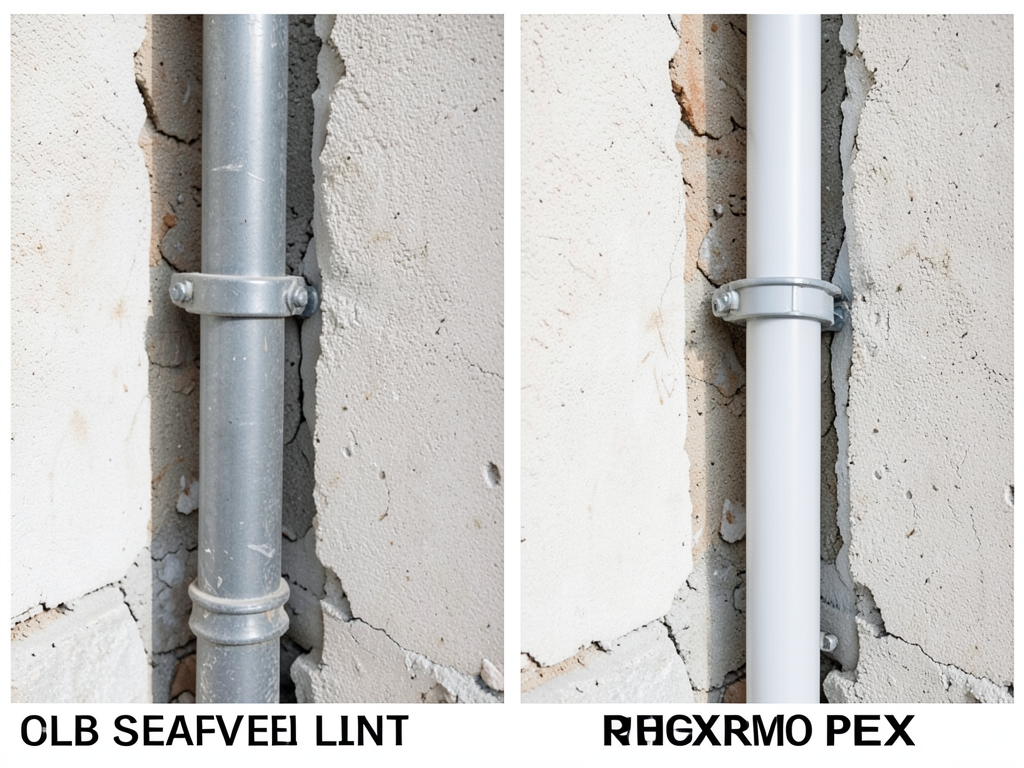
Today’s plumbers use several techniques to update old systems without destroying historic fabric. PEX piping can snake through existing wall cavities without removing plaster. Trenchless pipe lining creates new drain lines inside old cast iron stacks.
Point-of-use water filtration systems remove lead at individual fixtures, avoiding the need to replace entire service lines. Mini-split water heaters provide hot water without requiring large storage tanks or exterior venting.. Read more about Should You Repair or Replace That Leaky Kitchen Faucet in Your Braintree Home.
Modern materials like PEX resist corrosion and scale buildup. Unlike galvanized steel, PEX maintains consistent water pressure throughout the system. It also flexes around obstacles, reducing the need to open walls.. Read more about Protecting Your Winthrop Home from Salt Air Pipe Corrosion.
Navigating Massachusetts Plumbing Code
Massachusetts 248 CMR 10.00 governs all plumbing installations in the state. The code requires 2-inch drain lines for all bathroom fixtures and specific venting configurations that may not exist in older buildings. Heavy duty sump pump installation for flood-prone basements in Quincy.
Older North End buildings often violate current venting requirements. Adding proper vents without damaging historic walls requires creative solutions like air admittance valves or rerouting vents through existing chases.
Water pressure in the North End typically ranges from 40-60 psi, lower than newer suburban areas. This affects fixture selection and may require pressure-boosting pumps for upper floors.
Cost Considerations for Historic Plumbing Updates
Historic plumbing renovations cost 30-50% more than standard updates due to specialized labor, permit requirements, and the need to preserve architectural details. Simple fixture replacements start around $2,000, while complete system overhauls can exceed $20,000.. Read more about Emergency plumbing help for Beacon Hill brownstone owners.
Lead service line replacement costs $3,000-5,000 per home. Cast iron stack replacement ranges from $8,000-15,000 depending on building height. PEX re-piping a typical North End condo costs $4,000-8,000.
Many homeowners qualify for Massachusetts Department of Environmental Protection grants for lead service line replacement. The Boston Water and Sewer Commission offers rebates for water-efficient fixtures. Solving sewer line issues in older Dorchester homes without digging up the yard.
Preserving Historic Bathroom Fixtures
Many North End bathrooms contain clawfoot tubs, pedestal sinks, and other fixtures that add character but lack modern functionality. These pieces can often be refurbished rather than replaced.
Professional reglazing restores porcelain surfaces for $300-500 per fixture. New hardware updates functionality while maintaining original appearances. Modern shower conversions can be added without removing vintage tubs.. Read more about How to Properly Maintain the Old Steam Heat System in Your Malden Victorian.
Some historic fixtures qualify for preservation tax credits when properly documented and maintained. The National Park Service offers guidance on preserving architectural features during renovations.
Common North End Plumbing Problems
Tree roots infiltrate old clay sewer lines beneath North End streets, causing backups and slow drains. The neighborhood’s dense urban environment means roots travel long distances seeking moisture.
Galvanized pipes develop internal corrosion that reduces water flow to a trickle. This affects both hot and cold water lines, making showers and washing machines ineffective.
Cast iron drain stacks crack from foundation settling and freeze-thaw cycles. These cracks allow sewer gases to enter living spaces and can cause structural damage.
Working with Qualified Historic Plumbers
Not all plumbers understand historic building constraints. Look for contractors with experience in the North End who understand BLC requirements and have worked with old building materials.
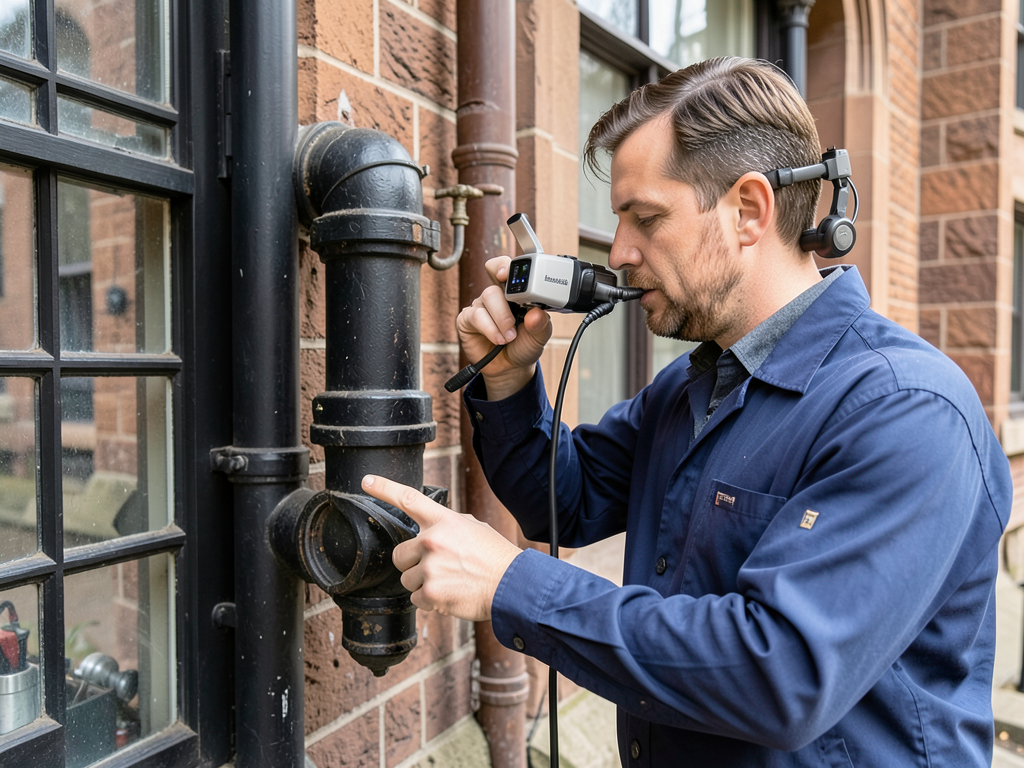
Qualified historic plumbers carry specialized tools like endoscopic cameras for inspecting pipes without demolition. They understand how to work with lead, cast iron, and galvanized materials safely.. Read more about Everything You Should Look for When Inspecting Plumbing in a Potential North Quincy Home.
Ask potential contractors about their experience with BLC projects and request references from other North End homeowners. Verify they carry proper insurance and understand Massachusetts plumbing codes.
Step-by-Step Historic Plumbing Renovation Process
- Initial Assessment
Schedule a comprehensive inspection using camera technology to identify pipe materials and locate problem areas. Test water quality for lead content.
- Permit Acquisition
Submit plans to Boston Inspectional Services and Boston Landmarks Commission. Include detailed drawings showing how work preserves historic features.
- Material Selection
Choose modern materials that meet code while minimizing structural impact. PEX piping offers flexibility for tight spaces.
- Phased Implementation
Work room by room to minimize disruption. Keep one bathroom functional during renovations when possible.
- Final Inspection
Schedule inspections with both building department and BLC to ensure compliance with all requirements.
Energy Efficiency in Historic Homes
Modern plumbing updates can improve energy efficiency in old buildings. Tankless water heaters provide endless hot water while reducing energy consumption by 30-50% compared to storage tanks.. Read more about Comparing Traditional vs High Efficiency Boiler Systems for Older Homes in Waltham.
Low-flow fixtures reduce water consumption without sacrificing pressure. Modern aerators maintain spray strength while using less water. These updates often qualify for utility rebates.. Read more about What Does It Actually Cost to Install a New Utility Sink in Your Milton Basement.
Insulating hot water pipes reduces heat loss in unheated crawl spaces and basements. This simple upgrade can save $50-100 annually on water heating costs.
Emergency Plumbing in Historic Buildings
Historic plumbing emergencies require immediate attention from specialists who understand old systems. A burst lead pipe or cracked cast iron stack can cause extensive damage to irreplaceable architectural features.
Emergency response teams should carry specialized tools for historic buildings, including pipe freezing equipment that allows repairs without draining entire systems. They should also understand how to protect original plaster and woodwork during emergency work. Gas leak detection and emergency repair for Jamaica Plain residents.
Keep contact information for a qualified historic plumber readily available. Many emergency services charge premium rates for after-hours calls, but the cost is justified when dealing with irreplaceable historic materials.
Long-term Maintenance for Updated Systems
Even modern plumbing systems require regular maintenance in historic buildings. Annual inspections can catch small problems before they cause major damage to old structures.
Water heater maintenance includes flushing sediment and checking anode rods. Drain cleaning prevents backups in older pipes. Regular testing ensures lead levels remain safe.
Document all plumbing updates for future reference. This information helps subsequent owners understand what work has been completed and what systems require attention.
Insurance Considerations for Historic Plumbing
Historic homes often require specialized insurance coverage that accounts for the cost of repairing or replacing original materials. Standard policies may not cover the full cost of restoring damaged historic features.
Ask your insurance provider about coverage for lead pipe replacement and other common historic plumbing issues. Some policies offer discounts for updated plumbing systems that reduce water damage risks.
Keep detailed records of all plumbing updates and maintenance. These documents support insurance claims and demonstrate responsible property management.
Future-Proofing Your Historic Plumbing
Consider future needs when updating historic plumbing. Adding extra capacity for potential bathroom additions or home offices prevents costly retrofits later.
Install shut-off valves at key locations to isolate problems without affecting the entire system. Label all valves clearly for emergency use.
Consider smart water monitoring systems that detect leaks and automatically shut off water when problems occur. These systems protect historic structures from water damage.
Frequently Asked Questions
Can I replace lead pipes myself?
No. Massachusetts law requires licensed plumbers to handle lead pipe replacement. DIY lead removal creates health hazards and may violate building codes.. Read more about Finding a licensed and insured plumber for your East Boston renovation project.
How long does historic plumbing renovation take?
Simple updates take 2-3 days. Complete system replacements require 2-4 weeks plus permit processing time. Complex projects involving BLC approval may take 2-3 months total.
Will new plumbing increase my home’s value?
Yes. Updated plumbing systems improve reliability, reduce maintenance costs, and make homes more attractive to buyers. Energy-efficient fixtures can also lower utility bills.
Do I need special permits for North End plumbing work?
Yes. All plumbing work requires Boston Inspectional Services permits. Work affecting exterior walls or visible features needs BLC approval as well.
What’s the lifespan of modern plumbing materials?
PEX piping lasts 40-50 years. Copper pipes last 50-70 years. Cast iron drain stacks last 75-100 years when properly maintained.
Can I keep my vintage fixtures during updates?
Often yes. Many historic fixtures can be refurbished and integrated with modern plumbing. A qualified plumber can assess whether your fixtures are worth preserving.
How much does lead testing cost?
Professional lead testing costs $150-300. DIY test kits are available for $20-50 but may not provide accurate results for all water conditions.
What happens if I skip permits?
Unpermitted work can result in fines, required removal of completed work, and difficulties selling your home. Insurance may not cover damage from unpermitted modifications.
Are there financial assistance programs available?
Yes. The Massachusetts Lead Law requires remediation in homes with children under six. Various grants and low-interest loans are available through state and local programs.
How do I find a plumber experienced with historic homes?
Look for contractors who specifically mention historic preservation experience. Ask for references from other North End homeowners and verify their familiarity with BLC requirements.
[IMAGE_PLACEHOLDER_3>
Updating plumbing in Boston’s North End requires specialized knowledge, proper permits, and careful attention to historical preservation. The unique challenges of working in 18th and 19th-century buildings make it essential to work with qualified professionals who understand both modern plumbing codes and historic preservation requirements.
Don’t risk damaging your historic home with improper plumbing updates. Call (617) 749-9799 today to schedule a comprehensive inspection and learn about your options for modernizing your plumbing while preserving your home’s historic character.
Pick up the phone and call (617) 749-9799 before the next plumbing emergency strikes. Our experienced team understands the unique requirements of North End historic homes and can guide you through the entire renovation process from initial assessment to final inspection.. Read more about The Ultimate Guide to Choosing Between Cast Iron and PVC for Your Mattapan Home.
You may also find this helpful. Steam Radiator Noises (How to Quiet Your Loud Heating System in Roxbury).
You may also find this helpful. Is Your Watertown Dishwasher Leaking or Just Old — How to Decide on a Replacement.
You may also find this helpful. The Hidden Benefits of Submetering Your Rental Properties in Everett.
{
“@context”: “https://schema.org”,
“@type”: “BlogPosting”,
“headline”: “Living in the North End — What You Need to Know Before Updating Your Historic Plumbing”,
“description”: “Planning a plumbing update in Boston’s North End? Learn about lead pipes, cast iron stacks, and BLC requirements before renovating your historic home.”,
“wordCount”: 1950,
“datePublished”: “2026-03-08T12:42:00.000Z”,
“dateModified”: “2026-03-08T12:42:00.000Z”,
“inLanguage”: “en-US”,
“mainEntityOfPage”: {
“@type”: “WebPage”,
“@id”: “https://heritageplumbingboston.com”
},
“publisher”: {
“@type”: “LocalBusiness”,
“name”: “Heritage Plumbing Boston”,
“url”: “https://heritageplumbingboston.com”
},
“author”: {
“@type”: “Organization”,
“name”: “Heritage Plumbing Boston”,
“url”: “https://heritageplumbingboston.com”
},
“image”: {
“@type”: “ImageObject”,
“url”: “https://heritageplumbingboston.com/wp-content/uploads/2026/03/living-in-the-north-end-what-you-need-to-know-befo-1.png”
}
}
{
“@context”: “https://schema.org”,
“@type”: “Plumber”,
“name”: “Heritage Plumbing Boston”,
“url”: “https://heritageplumbingboston.com”,
“address”: {
“@type”: “PostalAddress”,
“addressLocality”: “Boston”
},
“areaServed”: {
“@type”: “City”,
“name”: “Boston”
}
}
{
“@context”: “https://schema.org”,
“@type”: “FAQPage”,
“mainEntity”: [
{
“@type”: “Question”,
“name”: “Can I replace lead pipes myself?”,
“acceptedAnswer”: {
“@type”: “Answer”,
“text”: “No. Massachusetts law requires licensed plumbers to handle lead pipe replacement. DIY lead removal creates health hazards and may violate building codes.”
}
},
{
“@type”: “Question”,
“name”: “How long does historic plumbing renovation take?”,
“acceptedAnswer”: {
“@type”: “Answer”,
“text”: “Simple updates take 2-3 days. Complete system replacements require 2-4 weeks plus permit processing time. Complex projects involving BLC approval may take 2-3 months total.”
}
},
{
“@type”: “Question”,
“name”: “Will new plumbing increase my home’s value?”,
“acceptedAnswer”: {
“@type”: “Answer”,
“text”: “Yes. Updated plumbing systems improve reliability, reduce maintenance costs, and make homes more attractive to buyers. Energy-efficient fixtures can also lower utility bills.”
}
},
{
“@type”: “Question”,
“name”: “Do I need special permits for North End plumbing work?”,
“acceptedAnswer”: {
“@type”: “Answer”,
“text”: “Yes. All plumbing work requires Boston Inspectional Services permits. Work affecting exterior walls or visible features needs BLC approval as well.”
}
},
{
“@type”: “Question”,
“name”: “What’s the lifespan of modern plumbing materials?”,
“acceptedAnswer”: {
“@type”: “Answer”,
“text”: “PEX piping lasts 40-50 years. Copper pipes last 50-70 years. Cast iron drain stacks last 75-100 years when properly maintained.”
}
},
{
“@type”: “Question”,
“name”: “Can I keep my vintage fixtures during updates?”,
“acceptedAnswer”: {
“@type”: “Answer”,
“text”: “Often yes. Many historic fixtures can be refurbished and integrated with modern plumbing. A qualified plumber can assess whether your fixtures are worth preserving.”
}
},
{
“@type”: “Question”,
“name”: “How much does lead testing cost?”,
“acceptedAnswer”: {
“@type”: “Answer”,
“text”: “Professional lead testing costs $150-300. DIY test kits are available for $20-50 but may not provide accurate results for all water conditions.”
}
},
{
“@type”: “Question”,
“name”: “What happens if I skip permits?”,
“acceptedAnswer”: {
“@type”: “Answer”,
“text”: “Unpermitted work can result in fines, required removal of completed work, and difficulties selling your home. Insurance may not cover damage from unpermitted modifications.”
}
},
{
“@type”: “Question”,
“name”: “Are there financial assistance programs available?”,
“acceptedAnswer”: {
“@type”: “Answer”,
“text”: “Yes. The Massachusetts Lead Law requires remediation in homes with children under six. Various grants and low-interest loans are available through state and local programs.”
}
},
{
“@type”: “Question”,
“name”: “How do I find a plumber experienced with historic homes?”,
“acceptedAnswer”: {
“@type”: “Answer”,
“text”: “Look for contractors who specifically mention historic preservation experience. Ask for references from other North End homeowners and verify their familiarity with BLC requirements.”
}
}
]
}
{
“@context”: “https://schema.org”,
“@type”: “HowTo”,
“name”: “Historic Plumbing Renovation Process”,
“step”: [
{
“@type”: “HowToStep”,
“position”: 1,
“name”: “Initial Assessment”,
“text”: “Schedule a comprehensive inspection using camera technology to identify pipe materials and locate problem areas. Test water quality for lead content.”
},
{
“@type”: “HowToStep”,
“position”: 2,
“name”: “Permit Acquisition”,
“text”: “Submit plans to Boston Inspectional Services and Boston Landmarks Commission. Include detailed drawings showing how work preserves historic features.”
},
{
“@type”: “HowToStep”,
“position”: 3,
“name”: “Material Selection”,
“text”: “Choose modern materials that meet code while minimizing structural impact. PEX piping offers flexibility for tight spaces.”
},
{
“@type”: “HowToStep”,
“position”: 4,
“name”: “Phased Implementation”,
“text”: “Work room by room to minimize disruption. Keep one bathroom functional during renovations when possible.”
},
{
“@type”: “HowToStep”,
“position”: 5,
“name”: “Final Inspection”,
“text”: “Schedule inspections with both building department and BLC to ensure compliance with all requirements.”
}
],
“image”: “https://heritageplumbingboston.com/wp-content/uploads/2026/03/living-in-the-north-end-what-you-need-to-know-befo-1.png”
}
{
“@context”: “https://schema.org”,
“@type”: “BreadcrumbList”,
“itemListElement”: [
{
“@type”: “ListItem”,
“position”: 1,
“name”: “Home”,
“item”: “https://heritageplumbingboston.com”
},
{
“@type”: “ListItem”,
“position”: 2,
“name”: “Blog”,
“item”: “https://heritageplumbingboston.com/blog”
},
{
“@type”: “ListItem”,
“position”: 3,
“name”: “Living in the North End — What You Need to Know Before Updating Your Historic Plumbing”
}
]
}
{
“@context”: “https://schema.org”,
“@type”: “Service”,
“serviceType”: “Plumbing”,
“provider”: {
“@type”: “LocalBusiness”,
“name”: “Heritage Plumbing Boston”,
“url”: “https://heritageplumbingboston.com”
},
“areaServed”: {
“@type”: “City”,
“name”: “Boston”
},
“description”: “Planning a plumbing update in Boston’s North End? Learn about lead pipes, cast iron stacks, and BLC requirements before renovating your historic home.”
}