






menu

Wet Spots in Yard Boston – Expert Diagnosis and Permanent Fixes for Underground Leaks

Heritage Plumbing Boston identifies the hidden causes behind wet spots in yard issues across Boston neighborhoods, from broken water mains to leaking sewer laterals, and stops the problem at the source.

Slider Image 1
Slider Image 2
Slider Image 3
Slider Image 4
Slider Image 5
Slider Image 7
Slider Image 8
Slider Image 9
Slider Image 10
Slider Image 11

Why Boston Yards Develop Persistent Wet Spots

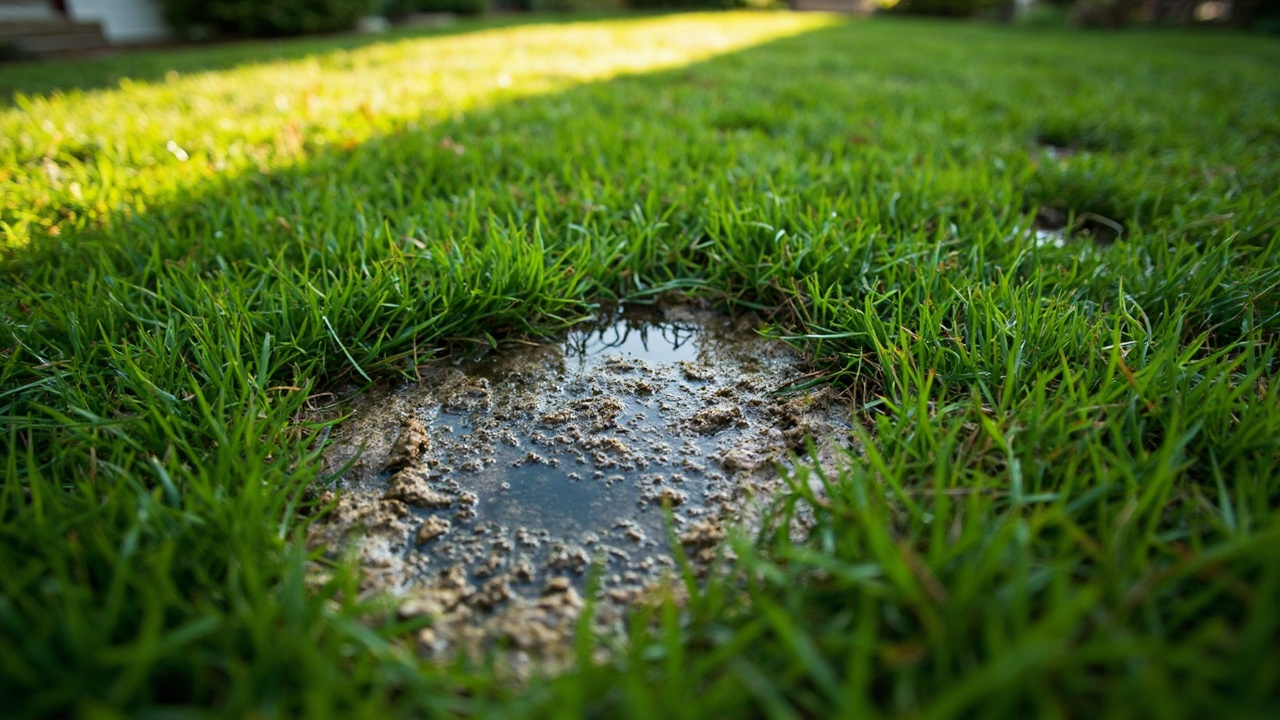
You walk across your lawn and your shoes sink into soggy patches that never seem to dry. Even during Boston's driest summer weeks, these damp spots persist. This is not poor drainage from rain. This is a red flag pointing to a hidden underground leak.

Boston's aging infrastructure compounds this problem. Many neighborhoods in Dorchester, Roxbury, and Jamaica Plain still rely on galvanized steel or cast iron water service lines installed 60 to 80 years ago. These corrode from the inside out. When they finally rupture, you get unexplained standing water that pools in concentrated areas of your yard, often near the property line or foundation.

The freeze-thaw cycles Boston experiences each winter accelerate pipe failure. Water expands when it freezes, creating pressure that cracks compromised pipes. By spring, you notice saturated areas in grass that grow lush and green, fed by a constant drip of treated municipal water leaking into the soil.

Pooling water in yard spaces can also signal a broken sewer lateral. If the wet area smells foul or attracts an unusual number of flies, the source is likely sewage, not potable water. This creates immediate health risks and requires urgent attention.

Clay soil, common throughout Greater Boston, holds moisture longer than sandy loam. This makes it harder to distinguish between poor surface drainage and an actual subsurface leak. If the wet spot appears during dry weather, grows larger over time, or stays wet when surrounding areas dry out, you have a leak below grade that requires professional diagnosis.

Why Boston Yards Develop Persistent Wet Spots
How We Pinpoint and Repair Underground Leaks

How We Pinpoint and Repair Underground Leaks

Heritage Plumbing Boston does not guess. We use acoustic leak detection equipment to listen for the high-frequency sound of water escaping pressurized pipes underground. This technology isolates the exact location of the breach without excavating your entire yard.

Once we identify the leak, we assess the pipe material and condition. If you have a 70-year-old galvanized service line with multiple weak points, patching one leak is a temporary fix. We recommend full line replacement to prevent repeat failures six months later. For newer copper or PEX lines with isolated damage, targeted repair is cost-effective and sufficient.

We also perform pressure testing on the repaired section before backfilling. This confirms the integrity of the fix and eliminates the risk of callbacks. Many contractors skip this step. We do not.

For sewer lateral leaks, we use video camera inspection to examine the entire length of the line from your home to the city connection. Tree roots from Boston's mature maples and oaks frequently infiltrate clay or Orangeburg sewer pipes, creating cracks that leak effluent into surrounding soil. If roots are the cause, we clear them mechanically and recommend trenchless pipe lining to seal the interior and prevent re-entry.

Trenchless methods minimize landscape disruption. We access the pipe through small entry and exit pits rather than digging a continuous trench across your property. This preserves hardscaping, mature plantings, and reduces restoration costs.

After repair, we restore soil compaction in excavated areas to prevent settling and ensure proper surface grading. Poor backfill technique creates new drainage problems. Proper compaction in six-inch lifts eliminates this risk.

What Happens During a Yard Leak Investigation

Wet Spots in Yard Boston – Expert Diagnosis and Permanent Fixes for Underground Leaks
01

Initial Site Assessment

We walk your property to map wet areas, check your water meter for continuous flow when all fixtures are off, and review the age and material of your service lines. This takes 20 to 30 minutes and tells us whether the leak is on your private line or the city main. We also note proximity to trees, driveways, and other features that influence excavation strategy.
02

Leak Locating and Excavation

Using acoustic detection and tracer wire signals, we mark the leak location with spray paint. We then hand-dig or use a mini excavator to expose the damaged section, taking care to avoid gas, electric, and telecom lines. Massachusetts requires a Dig Safe ticket for any excavation. We file this automatically and wait the required time before breaking ground.
03

Repair and Soil Restoration

We cut out the compromised pipe section and install new copper or PEX using compression or soldered fittings. After pressure testing to 150 PSI, we backfill with clean fill, compacting every six inches to prevent settling. We finish with loam and seed or sod to match your existing lawn. The wet spot dries within days once the leak stops feeding it.

Why Boston Property Owners Choose Heritage Plumbing for Leak Detection

Boston has unique plumbing challenges that out-of-area contractors do not understand. We know that homes in Charlestown and the North End often have shared water services between row houses. We know that South Boston properties near the waterfront deal with high water tables that complicate excavation. We know that Brookline enforces strict restoration requirements after any street or sidewalk cut.

This local knowledge prevents costly mistakes. A contractor unfamiliar with Boston Water and Sewer Commission protocols might repair your service line without pulling the required permit, leaving you liable for fines and forced re-excavation.

We also understand the difference between a water service leak and a sewer lateral failure. Many plumbers treat all wet spots the same. We do not. The diagnostic process, repair methods, and health risks differ significantly. Misdiagnosis wastes your money and leaves the real problem unfixed.

Our equipment investment sets us apart. Acoustic leak detection units cost tens of thousands of dollars. Most small plumbing companies do not own this technology. They rely on visual inspection and guesswork, which leads to unnecessary digging and landscape damage.

We also coordinate with landscapers, masons, and paving contractors when repairs impact driveways, patios, or retaining walls. You get one point of contact instead of managing three separate crews.

Boston homeowners face rising water bills when leaks go undetected. A pinhole leak in a pressurized water line can waste 20 to 30 gallons per day. Over a year, that is 7,000 to 10,000 gallons. Fixing the leak pays for itself in reduced utility costs, often within the first billing cycle.

What to Expect When You Call Heritage Plumbing Boston

Response Time and Scheduling

We schedule leak investigations within 48 hours of your call. For active leaks causing property damage or unusually high water bills, we prioritize same-day or next-day service. Our goal is to stop water waste and prevent secondary damage like foundation undermining or basement seepage. If the leak is on the city main side of your meter, we notify Boston Water and Sewer Commission and coordinate emergency shutoff if needed. You do not wait days for answers.

Diagnostic Process and Transparency

We explain what we find in plain language. If you have a 60-year-old galvanized service line with one visible failure, we tell you the rest of the line is also near end-of-life. We present options for spot repair versus full replacement, with cost comparisons and lifespan expectations for each. You make the final decision based on complete information, not sales pressure. We document findings with photos and video when using camera inspection on sewer lines.

Quality of Work and Materials

We use Type K or Type L copper for water service replacements, never the thinner Type M that some contractors use to cut costs. For sewer laterals, we install Schedule 40 PVC or cast iron, depending on code requirements and site conditions. All fittings meet Massachusetts Plumbing Code standards. We do not use sharkbite fittings or push-connect joints on buried lines. These fail prematurely and are not code-compliant for permanent underground installations in Boston.

Post-Repair Follow-Up and Monitoring

We return two weeks after soil restoration to check for settling in excavated areas and add additional loam or seed if needed. For full service line replacements, we recommend monitoring your water meter monthly for the first six months to confirm no additional leaks exist elsewhere on your property. If you notice new soggy patches or unexplained water usage, we return to investigate at no additional diagnostic charge within the first year.

Frequently Asked Questions

You Have Questions,
We Have Answers

What is an unexplained wet spot in my yard? +

An unexplained wet spot in your yard is a persistent area of saturated soil that does not dry out between rainstorms or watering cycles. It often signals a hidden water leak from an underground pipe, a damaged sprinkler line, or a failing sewer lateral. In Boston, freeze-thaw cycles can crack aging cast iron and galvanized pipes, causing slow leaks that surface as soggy patches. You may also notice increased water bills, sunken ground, or unusually green grass in one area. A licensed plumber can perform a pressure test to pinpoint the source before the leak undermines your foundation or damages the slab.

How do I fix a wet spot in my yard? +

Fixing a wet spot starts with identifying the cause. If you have a leaking water line, shut off the main supply and call a plumber to excavate and replace the damaged section. For broken sewer laterals, trenchless pipe lining or full replacement may be needed. If the wetness comes from poor grading or clay soil common in Greater Boston, install a French drain or catch basin to redirect runoff. Aerating compacted soil and adding topsoil can improve drainage in low spots. Do not ignore persistent wetness. It can breed mosquitoes, kill grass, and promote foundation settling over time.

Why is one part of my yard always wet? +

One part of your yard stays wet because water collects in a low spot, your soil has poor percolation, or a hidden pipe is leaking underground. Boston's dense clay soils do not absorb water quickly, so even minor grading errors create standing water. Broken sewer laterals, corroded water mains, and damaged downspout extensions also cause localized saturation. Check for soggy areas near your home's foundation, driveway, or street connection. If the wet spot grows or never dries, you likely have a subsurface leak that requires professional diagnosis and repair before it undermines hardscaping or causes structural issues.

Why is the ground wet when it hasn't rained? +

Ground that stays wet without rain points to a hidden water source. Underground pipe leaks from cracked water mains, sewer laterals, or damaged irrigation lines release water slowly into the soil. In Boston, freeze-thaw cycles crack aging pipes, especially older cast iron and galvanized steel lines. You may also see wet ground from a broken sprinkler valve, leaking hose bib, or failed sump pump discharge line. Another cause is groundwater seepage in low-lying neighborhoods near the Charles River or Boston Harbor. A plumber can run a static pressure test to confirm a leak and locate the break using acoustic listening equipment.

What are signs of an outdoor water leak? +

Signs of an outdoor water leak include persistent wet spots, unusually lush grass in one area, a sudden spike in your water bill, low water pressure inside the house, and hissing or trickling sounds near pipes. You may notice soil erosion, sinkholes, or pavement cracks as water undermines the ground. In Boston, iron-rich water may leave orange staining on concrete or grass. Check your water meter. Turn off all fixtures and appliances. If the meter dial still moves, you have a leak somewhere in the system. Call a licensed plumber immediately to prevent foundation damage and costly water waste.

How do I fix a swampy area in my yard? +

Fixing a swampy area requires improving drainage and removing the water source. If the wetness comes from poor grading or clay soil, install a French drain with perforated pipe and gravel to carry runoff away from the low spot. Aerating compacted soil helps water infiltrate. If a broken pipe or sewer lateral causes the swamp, excavate and replace the damaged section. In Boston, many older homes have undersized or clogged drainage systems that cannot handle spring snowmelt. A plumber can camera-inspect underground lines and recommend sump pump installation or downspout rerouting to keep your yard dry year-round.

How to dry up a wet yard fast without drainage? +

To dry a wet yard fast without installing drainage, aerate the soil to break up compaction and improve water infiltration. Spread a thin layer of sand or topsoil over clay-heavy areas to increase permeability. Remove debris, leaves, and thatch that trap moisture. Redirect downspouts and sump discharge lines away from the wet zone. If the yard slopes toward your house, build a small berm or swale to divert runoff. In Boston, spring snowmelt and heavy rains can overwhelm clay soils quickly. These temporary fixes help, but persistent wetness usually requires professional grading or subsurface drainage to solve the problem permanently.

Who is responsible for water leaks outside the house? +

Responsibility for outdoor water leaks depends on where the break occurs. Homeowners own and must repair the water service line from the street shutoff valve to the house, including any section under the sidewalk or yard. The city of Boston maintains the water main in the street. If your sewer lateral breaks between your home and the street connection, you pay for the repair unless the city's main caused the backup. Shared irrigation lines or HOA systems may fall under community responsibility. Check your homeowner's insurance policy. Some carriers cover sudden pipe bursts but exclude gradual leaks or tree root damage.

How much does it cost to put drainage in a yard? +

The cost to install yard drainage in Boston varies widely based on the system type, yard size, and soil conditions. A simple French drain runs roughly 25 to 50 dollars per linear foot, while a full catch basin and underground piping system can reach several thousand dollars. Regrading a yard to improve surface flow costs more if heavy equipment is needed. Clay soils common in Greater Boston require deeper excavation and more gravel. Expect higher costs if the project involves cutting through concrete, repairing damaged pipes, or coordinating with city permits. Get multiple quotes from licensed contractors and confirm they include backfill and restoration.

What is the 150 rule for lawns? +

The 150 rule for lawns states that you should water your grass when the combined total of rainfall and irrigation reaches 150 percent of the weekly requirement, then skip watering until the soil dries. Boston lawns need about one inch of water per week during the growing season. If you get half an inch of rain, add another half inch through irrigation to hit the one-inch target. The rule prevents overwatering, which causes shallow roots, fungal disease, and soggy conditions. Use a rain gauge to track precipitation and adjust your sprinkler schedule accordingly. This approach conserves water and keeps your yard healthy year-round.

How Boston's Cast Iron Infrastructure Causes Chronic Yard Leaks

Boston's water distribution system includes thousands of miles of cast iron mains installed between 1880 and 1950. These pipes corrode internally, shedding rust that clogs fixtures and causes discolored water. When corrosion weakens a main near your property, pressure fluctuations can stress your service connection, causing it to fail at the curb stop or corporation stop. This creates persistent wet spots near your property line. Heritage Plumbing Boston works with the city to determine liability and ensure repairs are completed correctly, whether the leak is on private or public infrastructure.

We hold a Massachusetts Unrestricted Journeyman Plumber License and maintain active Dig Safe coordination for every job. Boston requires street opening permits for any work in the public way, including sidewalk and street cuts to access water or sewer lines. We handle all permitting and inspections, ensuring compliance with Boston Water and Sewer Commission standards and Public Improvement Commission requirements. This protects you from fines and guarantees the work passes final inspection. Local expertise matters when dealing with overlapping municipal jurisdictions.
Plumbing Services in The Boston Area

Heritage Plumbing proudly serves Boston and its surrounding areas. Our central location allows us to respond quickly to service calls across residential neighborhoods, business districts, and historic zones alike. Whether you’re downtown or in the suburbs, our local knowledge and flexible scheduling ensure a seamless service experience. Use the map below to find our office, service radius, and contact points — and don’t hesitate to reach out for availability in your area.

Address:
Heritage Plumbing Boston, 75 Arlington St, Boston, MA, 02116

Additional Services We Offer

Our news updates

Latest Articles & News from The Blogs

Understanding Local Rules for Sump Pump Discharge into Medford Storm Drains Medford homeowners face strict regulations about where sump pump…

Understanding Local Rules for Sump Pump Discharge into Medford Storm Drains

Understanding Local Rules for Sump Pump Discharge into Medford Storm Drains Medford homeowners face strict regulations about where sump pump…

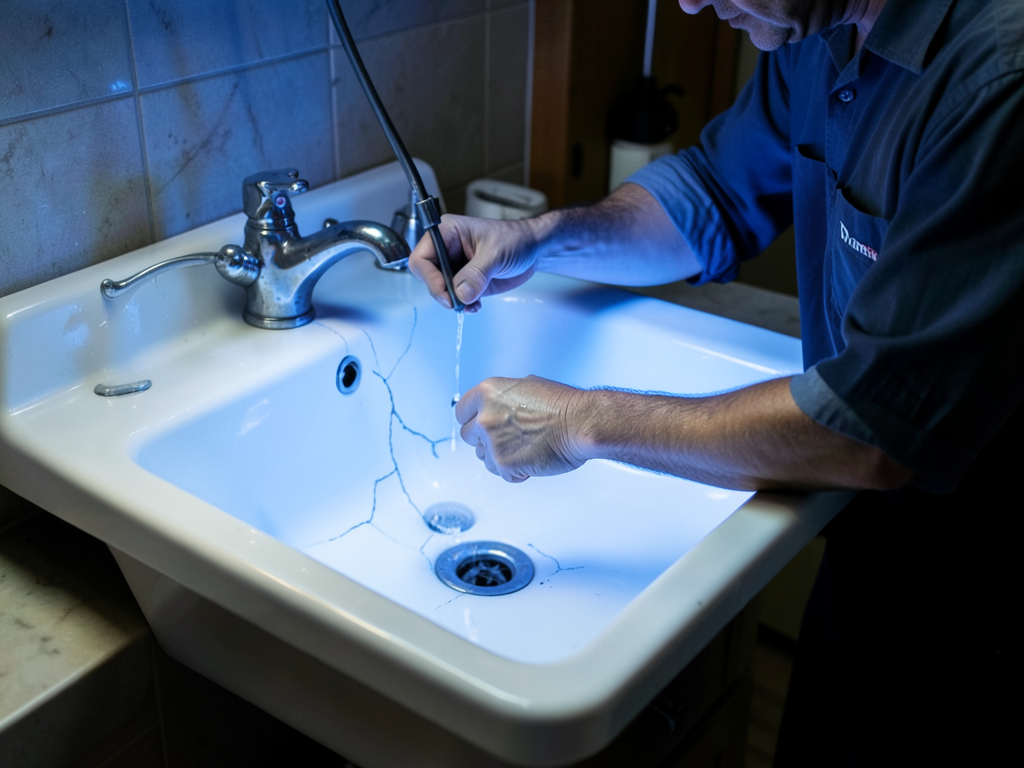
Should You Repair or Replace a Cracked Vintage Sink in Your Historic Beacon Hill Home?

Historic homes in Beacon Hill often feature original porcelain sinks that add irreplaceable character to kitchens and bathrooms. When a…

Why Your High Rise Condo in the Seaport District Still Needs a Pressure Reducing Valve

Why Your High Rise Condo in the Seaport District Still Needs a Pressure Reducing Valve Living in a modern high…

Contact Us

Wet spots do not fix themselves. They grow worse and waste thousands of gallons. Call Heritage Plumbing Boston at (617) 749-9799 for fast leak detection and permanent repair. We diagnose the problem accurately and fix it right the first time.