
Why Your High Rise Condo in the Seaport District Still Needs a Pressure Reducing Valve
Living in a modern high rise condo in Boston’s Seaport District offers stunning views and urban convenience. But the very infrastructure that makes city living possible can create hidden plumbing problems. The municipal water supply feeding your building often delivers pressure between 80 and 100 PSI or higher, well above the 50-60 PSI recommended for residential fixtures. Without a properly functioning pressure reducing valve (PRV), that excess pressure stresses your pipes, appliances, and fixtures every single day. Reliable 24 hour plumbing repair in the Back Bay.
High rise buildings in the Seaport face unique challenges. The area’s rapid development has brought older water mains and newer high-pressure systems into close proximity. Many luxury condos built in the 2010s were designed assuming the city would maintain lower pressure levels. When municipal pressure spikes or fluctuates, the lack of a working PRV becomes immediately apparent through leaking faucets, running toilets, and premature appliance failure. The solution isn’t optional—it’s essential for protecting your investment and avoiding costly water damage repairs. EPA Lead-Free Requirements for Plumbing.
How Boston’s Water Infrastructure Creates High Pressure Problems
The Massachusetts Water Resources Authority (MWRA) supplies water to Boston through a network of aging cast iron pipes and newer ductile iron mains. In the Seaport District, where new construction sits alongside century-old infrastructure, pressure can vary dramatically from block to block. Buildings near pumping stations or at lower elevations often experience the highest pressure, sometimes exceeding 100 PSI during peak demand periods. Massachusetts State Plumbing Code 248 CMR.
Water pressure in high rise buildings also changes with elevation. Static pressure increases by approximately 0.433 PSI for every foot of elevation. A condo on the 15th floor of a 200-foot building might experience 85 PSI at the base but only 60 PSI at the top without proper pressure regulation. This pressure differential can cause uneven water distribution, with upper units suffering from low flow while lower units deal with excessive pressure. Water heater replacement and repair for South Boston condos.
The Seaport’s proximity to Boston Harbor adds another layer of complexity. Coastal areas often have harder water with higher mineral content, which accelerates scale buildup inside PRVs. A valve that works perfectly when installed might lose efficiency within 5-7 years as mineral deposits restrict internal passages. Regular testing and maintenance become critical in this environment.
5 Critical Signs Your Condo’s PRV is Failing
PRV failure in high rise condos often manifests differently than in single-family homes. The multi-story nature of these buildings creates unique symptoms that many residents mistake for normal wear and tear.
1. Water Hammer and Pipe Vibration
When a PRV begins to fail, it loses its ability to maintain consistent downstream pressure. This creates water hammer—the loud banging sound when valves close suddenly. In high rises, these vibrations travel through shared plumbing stacks, sometimes affecting multiple units. The sound might be most noticeable at night when water usage drops and pressure fluctuations become more pronounced.
2. Inconsistent Shower Temperature and Pressure
PRVs work with your shower’s mixing valve to maintain steady temperature. When the PRV fails, pressure imbalances cause the hot and cold water to mix erratically. You might experience sudden bursts of hot or cold water, or pressure that drops dramatically when someone else in the building uses water.
3. Premature Fixture and Appliance Failure
Excessive pressure wears out washers, seals, and internal components much faster than normal. Faucets that should last 10-15 years might start leaking after 3-4 years. Dishwashers and washing machines experience higher stress on their inlet valves and pumps, leading to more frequent repairs or replacements.
4. Unexplained High Water Bills
When pressure exceeds recommended levels, toilets run continuously as fill valves struggle to close properly. Small leaks develop at connection points throughout your plumbing system. These hidden losses can add $20-50 to your monthly water bill without any change in your usage habits.
5. Neighbor Complaints About Water Issues
In condo buildings with shared plumbing infrastructure, a failing PRV in one unit can affect others. You might hear complaints about fluctuating pressure in adjacent units, or notice that your problems coincide with your neighbor’s plumbing work. This interconnectedness makes professional diagnosis essential.
Boston Plumbing Code Requirements for Pressure Reducing Valves
The Massachusetts State Plumbing Code (248 CMR) establishes specific requirements for pressure reducing valves in residential buildings. Section 248 CMR 10.00 mandates that water pressure reducing valves be installed when static pressure exceeds 80 PSI. The code requires these valves to maintain downstream pressure between 50-75 PSI for normal residential use. Plumbing Quincy.
For high rise condos, additional requirements apply. The code specifies that pressure reducing valves must be accessible for maintenance and testing. In buildings where the main water shutoff serves multiple units, the PRV installation must include isolation valves to allow servicing without disrupting the entire building’s water supply. Heavy duty sump pump installation for flood-prone basements in Quincy.
Thermal expansion tanks become mandatory when a PRV is installed in a closed system. As water heats in your water heater, it expands. Without an expansion tank, this increased volume creates dangerous pressure buildup that can damage your water heater and plumbing fixtures. The expansion tank provides a cushion of air that absorbs this pressure increase safely.
Lead-free requirements under federal law also apply to PRV installations. All components that contact drinking water must contain less than 0.25% lead by weight. This includes the valve body, strainer, and any connecting fittings. Many older PRVs installed before 2014 may not meet current standards and should be replaced during renovations.
The Professional Installation Process: What to Expect
Replacing a pressure reducing valve in a high rise condo requires coordination with building management and careful attention to detail. The process typically takes 2-4 hours, depending on the valve’s location and accessibility.
Step 1: Water Shutoff Coordination
In most high rise buildings, the main water valve serves multiple units. The building engineer must shut off water to the entire floor or section before work begins. This usually occurs during business hours when fewer residents are home. A typical shutoff affects 4-8 units and requires 30-60 minutes advance notice.
Step 2: Valve Removal and Inspection
Technicians first isolate the existing PRV by closing both inlet and outlet valves. They then remove the old valve, inspecting the surrounding piping for corrosion, scale buildup, or damage. In buildings with hard water, the existing piping might show significant mineral deposits that require cleaning or replacement.
Step 3: New Valve Installation
The new PRV must be installed with the correct orientation—flow direction arrows pointing toward the fixtures. Technicians typically install a new strainer upstream to catch debris that could damage the valve’s internal components. The discharge pressure is set to 60 PSI, with adjustment capability for future fine-tuning.
Step 4: Thermal Expansion Tank Integration
If your building has a closed plumbing system (common in high rises with backflow preventers), a thermal expansion tank must be installed on the cold water line near the water heater. The tank’s air charge is set to match your building’s static pressure, usually 12-15 PSI for most high rise applications.
Step 5: System Testing and Documentation
After installation, technicians test the system at multiple fixtures throughout your unit. They verify that pressure remains steady at 50-60 PSI during both static and dynamic conditions. A final pressure test documents the before and after readings, providing proof of compliance with local codes.
Cost Factors for Seaport District Residents
PRV replacement costs in Boston’s Seaport District vary based on several factors unique to high rise living. Understanding these variables helps you budget appropriately and avoid surprise expenses.
Valve Size and Type
Most condo units use 3/4″ or 1″ PRVs. The 3/4″ valves suitable for typical residential use cost $150-250 for the valve itself. Larger 1″ valves needed for units with multiple bathrooms or luxury fixtures run $250-400. Commercial-grade valves for high-demand applications can exceed $500.
Accessibility Challenges
In many Seaport high rises, the main water line enters through a utility closet or mechanical room. If the valve location requires removing drywall or accessing tight spaces, labor costs increase by $100-300. Some buildings have valves in common areas that require special permits or security clearance for access.
Building Coordination Requirements
Working in occupied high rise buildings requires additional coordination. You might need to schedule work during specific hours (typically 9 AM – 3 PM), provide insurance certificates to building management, or arrange for elevator access for equipment. These administrative requirements can add $100-200 to the total cost.
Additional Components
Thermal expansion tanks cost $80-150 installed. New shutoff valves, strainers, and connecting fittings add $50-100. If your existing piping shows signs of corrosion, replacing sections of galvanized pipe with copper or PEX can add $200-500 depending on the extent of replacement needed.
Emergency vs. Scheduled Service
Emergency PRV replacement during evenings or weekends typically costs 1.5-2 times the standard rate due to overtime pay and expedited material delivery. Most building associations require 48-72 hour notice for non-emergency work, making emergency service more expensive but sometimes necessary for severe leaks.
Maintenance and Testing: Protecting Your Investment
A properly installed PRV should maintain steady pressure for 10-15 years in Boston’s water conditions. However, annual testing helps identify problems before they cause damage. Many condo associations now require annual plumbing inspections that include PRV testing as part of their preventive maintenance programs.
DIY Pressure Testing
You can test your water pressure with an inexpensive gauge that attaches to any hose bib or washing machine connection. Ideal pressure reads 50-60 PSI when no water is running. Pressure that exceeds 80 PSI or fluctuates wildly indicates a failing PRV. Test at different times of day, as pressure often peaks during early morning hours.
Professional Diagnostic Services
Professional plumbers use calibrated pressure gauges and flow meters to test PRV performance under actual operating conditions. They can detect subtle pressure drops that indicate internal valve wear before complete failure occurs. A typical diagnostic service costs $75-125 and includes a written report with recommendations.
Building-Wide Coordination
In condo buildings, PRV issues often affect multiple units. Some associations coordinate group replacements to achieve volume pricing and minimize disruption. A building-wide PRV assessment might reveal that several units need replacement, allowing for scheduled service that reduces overall costs by 15-25% compared to individual calls.
Documentation for Resale
When selling your condo, having documentation of recent PRV replacement and annual testing can reassure buyers about the plumbing system’s condition. This documentation becomes particularly valuable in the Seaport District, where many buyers are investors or out-of-state purchasers unfamiliar with local plumbing challenges.
Frequently Asked Questions
Who is responsible for PRV maintenance in a condo building?
Responsibility varies by building. In most cases, the PRV serving your individual unit is your responsibility as the unit owner. However, the main building PRV that regulates pressure for the entire building is typically maintained by the condo association. Check your association documents for specific responsibilities.
How do I know if my building already has a PRV?
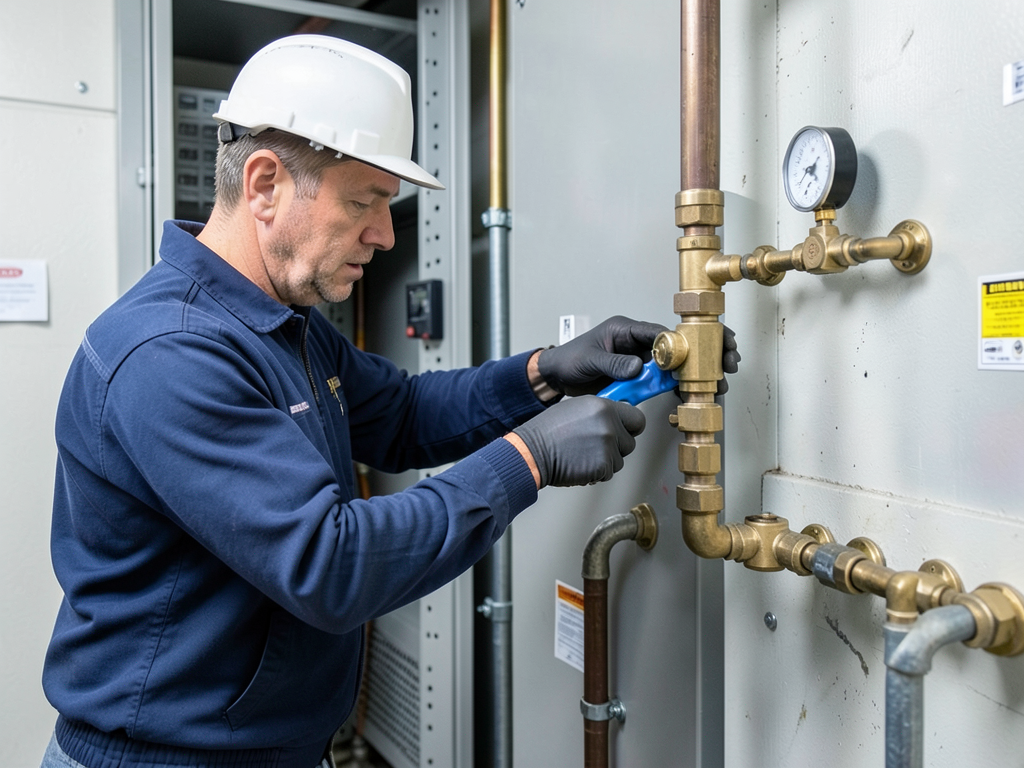
Look for a brass valve with a pressure gauge on the main water line entering your unit, usually near the water heater or in a utility closet. If you’re unsure, a plumber can locate and test your PRV during an inspection. Many older buildings were built before PRVs became standard and may lack this protection.
Can I install a PRV myself to save money?
While technically possible, DIY PRV installation in a high rise violates most building codes and association rules. Improper installation can cause more damage than it prevents. The specialized knowledge required for high rise plumbing, including pressure testing and thermal expansion considerations, makes professional installation essential.
What happens if I ignore high water pressure?
Ignoring high water pressure leads to progressive damage. You’ll experience more frequent leaks, premature appliance failure, and potentially catastrophic water damage from burst pipes or failed connections. The cost of ignoring the problem typically exceeds the replacement cost within 2-3 years through repairs and replacements. Industrial Pipe Repair.
How long does a PRV replacement take?
Most PRV replacements in high rise condos take 2-4 hours from start to finish. This includes water shutoff coordination, old valve removal, new valve installation, thermal expansion tank integration if needed, and system testing. Additional time may be required for accessibility challenges or complex installations.
Protect Your Seaport Condo from Water Damage
Living in Boston’s vibrant Seaport District shouldn’t mean living with plumbing problems. The high water pressure common in this area’s modern high rises creates a constant threat to your home’s plumbing system. A properly functioning pressure reducing valve isn’t just a code requirement—it’s your first line of defense against costly water damage, premature appliance failure, and the stress of unpredictable plumbing issues.
Don’t wait for the next water hammer to wake you at 2 AM or for a burst pipe to flood your luxury condo. The signs of PRV failure are often subtle at first but become increasingly expensive to ignore. Whether you’re experiencing fluctuating shower pressure, hearing pipe vibrations, or simply want peace of mind about your plumbing system, professional assessment and replacement can prevent major problems.
Heritage Plumbing understands the unique challenges facing Seaport District high rise residents. Our technicians are familiar with the specific requirements of Boston’s building codes, the intricacies of high rise plumbing systems, and the coordination needed to work in occupied buildings. We provide upfront pricing, coordinated scheduling with building management, and thorough documentation of all work performed.
Call (617) 749-9799 today to schedule your PRV inspection or replacement. Don’t let high water pressure damage your Seaport condo’s plumbing system and appliances. Our experienced team will ensure your home has the proper pressure protection it needs, keeping your fixtures working properly and your water bills under control. Pick up the phone and call (617) 749-9799 before the next pressure spike causes expensive damage to your home.
{
“@context”: “https://schema.org”,
“@type”: “BlogPosting”,
“headline”: “Why Your High Rise Condo in the Seaport District Still Needs a Pressure Reducing Valve”,
“description”: “High water pressure in Boston’s Seaport District condos can damage plumbing. Learn why PRVs are essential, signs of failure, and code requirements from local experts.”,
“wordCount”: 2319,
“datePublished”: “2026-06-13T08:15:00.000Z”,
“dateModified”: “2026-06-13T08:15:00.000Z”,
“inLanguage”: “en-US”,
“mainEntityOfPage”: {
“@type”: “WebPage”,
“@id”: “https://heritageplumbingboston.com”
},
“publisher”: {
“@type”: “LocalBusiness”,
“name”: “Heritage Plumbing Boston”,
“url”: “https://heritageplumbingboston.com”
},
“author”: {
“@type”: “Organization”,
“name”: “Heritage Plumbing Boston”,
“url”: “https://heritageplumbingboston.com”
},
“image”: {
“@type”: “ImageObject”,
“url”: “https://heritageplumbingboston.com/wp-content/uploads/2026/03/why-your-high-rise-condo-in-the-seaport-district-s-1.png”
}
}
{
“@context”: “https://schema.org”,
“@type”: “Plumber”,
“name”: “Heritage Plumbing Boston”,
“url”: “https://heritageplumbingboston.com”,
“address”: {
“@type”: “PostalAddress”,
“addressLocality”: “Boston”
},
“areaServed”: {
“@type”: “City”,
“name”: “Boston”
}
}
{
“@context”: “https://schema.org”,
“@type”: “FAQPage”,
“mainEntity”: [
{
“@type”: “Question”,
“name”: “Who is responsible for PRV maintenance in a condo building?”,
“acceptedAnswer”: {
“@type”: “Answer”,
“text”: “Responsibility varies by building. In most cases, the PRV serving your individual unit is your responsibility as the unit owner. However, the main building PRV that regulates pressure for the entire building is typically maintained by the condo association. Check your association documents for specific responsibilities.”
}
},
{
“@type”: “Question”,
“name”: “How do I know if my building already has a PRV?”,
“acceptedAnswer”: {
“@type”: “Answer”,
“text”: “Look for a brass valve with a pressure gauge on the main water line entering your unit, usually near the water heater or in a utility closet. If you’re unsure, a plumber can locate and test your PRV during an inspection. Many older buildings were built before PRVs became standard and may lack this protection.”
}
},
{
“@type”: “Question”,
“name”: “Can I install a PRV myself to save money?”,
“acceptedAnswer”: {
“@type”: “Answer”,
“text”: “While technically possible, DIY PRV installation in a high rise violates most building codes and association rules. Improper installation can cause more damage than it prevents. The specialized knowledge required for high rise plumbing, including pressure testing and thermal expansion considerations, makes professional installation essential.”
}
},
{
“@type”: “Question”,
“name”: “What happens if I ignore high water pressure?”,
“acceptedAnswer”: {
“@type”: “Answer”,
“text”: “Ignoring high water pressure leads to progressive damage. You’ll experience more frequent leaks, premature appliance failure, and potentially catastrophic water damage from burst pipes or failed connections. The cost of ignoring the problem typically exceeds the replacement cost within 2-3 years through repairs and replacements. Industrial Pipe Repair.”
}
},
{
“@type”: “Question”,
“name”: “How long does a PRV replacement take?”,
“acceptedAnswer”: {
“@type”: “Answer”,
“text”: “Most PRV replacements in high rise condos take 2-4 hours from start to finish. This includes water shutoff coordination, old valve removal, new valve installation, thermal expansion tank integration if needed, and system testing. Additional time may be required for accessibility challenges or complex installations.”
}
}
]
}
{
“@context”: “https://schema.org”,
“@type”: “BreadcrumbList”,
“itemListElement”: [
{
“@type”: “ListItem”,
“position”: 1,
“name”: “Home”,
“item”: “https://heritageplumbingboston.com”
},
{
“@type”: “ListItem”,
“position”: 2,
“name”: “Blog”,
“item”: “https://heritageplumbingboston.com/blog”
},
{
“@type”: “ListItem”,
“position”: 3,
“name”: “Why Your High Rise Condo in the Seaport District Still Needs a Pressure Reducing Valve”
}
]
}
{
“@context”: “https://schema.org”,
“@type”: “Service”,
“serviceType”: “Plumbing”,
“provider”: {
“@type”: “LocalBusiness”,
“name”: “Heritage Plumbing Boston”,
“url”: “https://heritageplumbingboston.com”
},
“areaServed”: {
“@type”: “City”,
“name”: “Boston”
},
“description”: “High water pressure in Boston’s Seaport District condos can damage plumbing. Learn why PRVs are essential, signs of failure, and code requirements from local experts.”
}