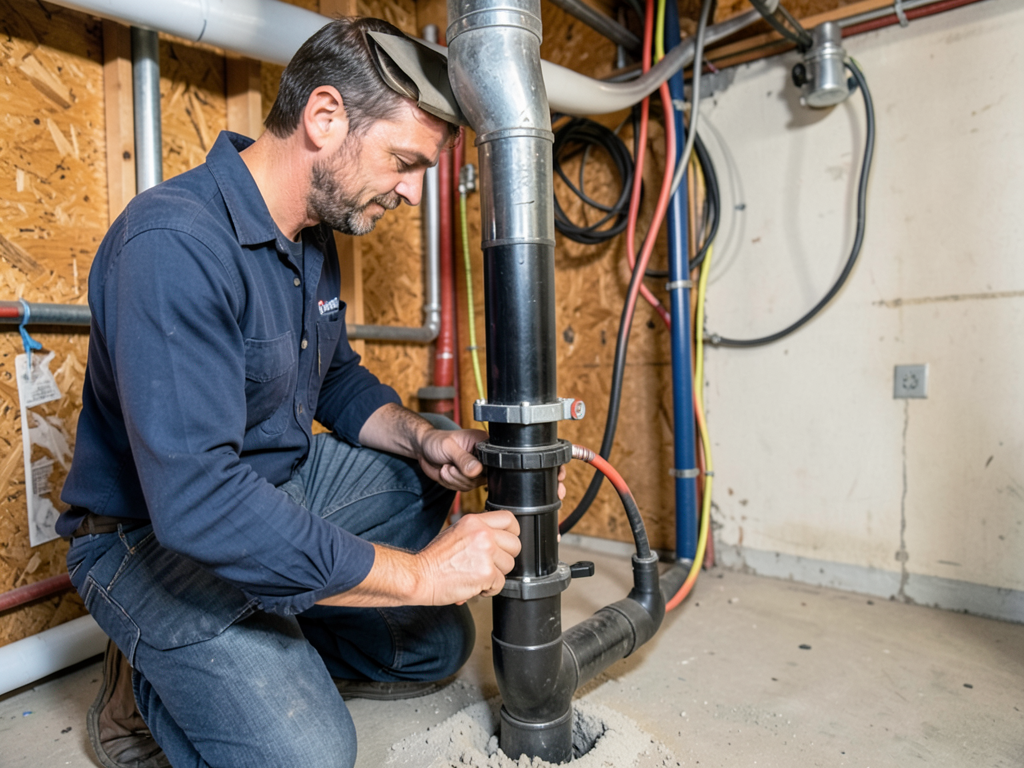





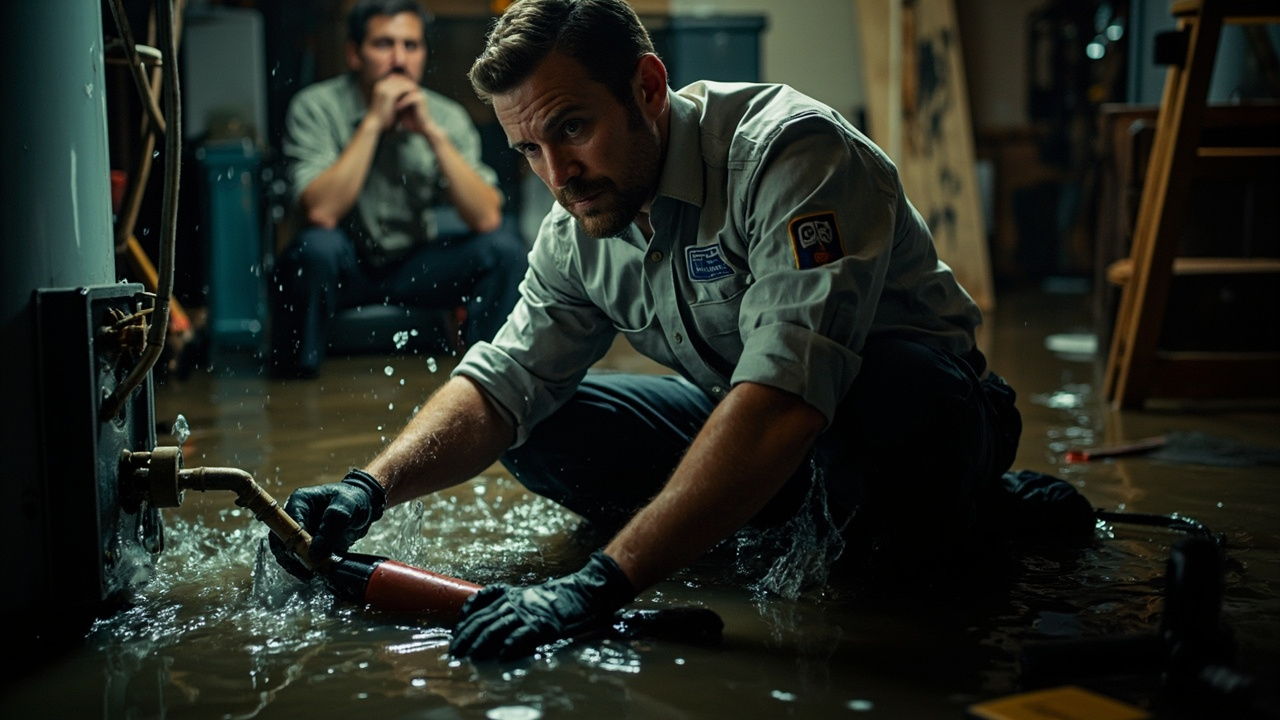

Boston's municipal water supply contains elevated levels of calcium and magnesium, which means most homes deal with hard water. Over time, these minerals precipitate out of solution and settle as sediment at the bottom of your water heater tank. Sediment acts as an insulating layer, forcing the heating element to work harder and longer to raise water temperature. This accelerates element burnout and increases energy costs. Hard water also corrodes anode rods faster, which are the sacrificial components designed to protect the tank lining from rust. When the anode rod is depleted, the steel tank begins to corrode, leading to leaks. Boston's freeze-thaw cycles compound this problem. When temperatures drop below freezing, water inside the tank expands, stressing welds and joints. Homes in older neighborhoods like Charlestown, the North End, and East Boston are especially vulnerable because many have original plumbing systems that were not designed for modern water heater capacities.
Heritage Plumbing Boston has been serving Boston residents for years, and we understand the specific demands this climate places on water heating systems. We are familiar with local building codes, including the requirements for water heater installations in historic districts and multi-family properties. We know which parts fail most often in Boston homes and stock our trucks accordingly. Our technicians live and work in the greater Boston area, so when you call for emergency hot water tank repair, you are working with someone who understands your neighborhood, your home's construction, and the seasonal challenges that affect plumbing systems here. We are not a national chain dispatching the closest available contractor. We are local plumbers who specialize in Boston's unique plumbing infrastructure.