




menu

Slow Draining Sinks & Showers in Boston – Expert Diagnosis and Permanent Repair

Our plumbers identify the root cause of slow running drains and blocked bathtub drains, then fix them correctly the first time using proven techniques that address Boston's unique plumbing challenges.

Slider Image 1
Slider Image 2
Slider Image 3
Slider Image 4
Slider Image 5
Slider Image 7
Slider Image 8
Slider Image 9
Slider Image 10
Slider Image 11

Why Boston Drains Slow Down Faster Than Other Cities

You step into your shower and notice standing water pooling around your ankles. Your bathroom sink takes three minutes to drain a basin of water. Your kitchen sink gurgles when you run the dishwasher. These are not just annoyances. They signal something blocking the flow in your drainage system.

Boston's aging infrastructure makes this worse. Many homes in neighborhoods like Back Bay, Beacon Hill, and South End still rely on cast iron drain lines installed decades ago. These pipes corrode from the inside, creating rough surfaces where soap scum, hair, and grease accumulate faster than in newer PVC systems. The freeze-thaw cycles we experience each winter accelerate this deterioration. Water expands when it freezes, stressing joints and creating microscopic cracks where debris catches.

The city's hard water compounds the problem. Mineral deposits build up on pipe walls, narrowing the passage. What starts as sluggish sink drainage becomes a completely blocked bathtub drain within months if left unchecked. You might pour drain cleaner down the line, but that only dissolves surface buildup. The underlying restriction remains.

Tree roots present another challenge unique to Boston's dense urban landscape. Mature maples and oaks common in Brookline and Jamaica Plain send roots through even the smallest cracks in sewer laterals, seeking moisture. Once inside, they expand and trap passing debris, creating a dam that causes slow running drains throughout your home.

The issue compounds during Boston's humid summers. Bacterial growth thrives in slow-moving water, creating biofilm that clings to pipe walls and traps hair, food particles, and soap residue. What you see as a clogged shower drain is often a symptom of a much larger blockage deeper in your system.

Why Boston Drains Slow Down Faster Than Other Cities
How We Diagnose and Clear Blocked Drains Correctly

How We Diagnose and Clear Blocked Drains Correctly

Generic drain clearing does not work. You need a systematic approach that identifies where the blockage exists, what causes it, and how to remove it without damaging your pipes.

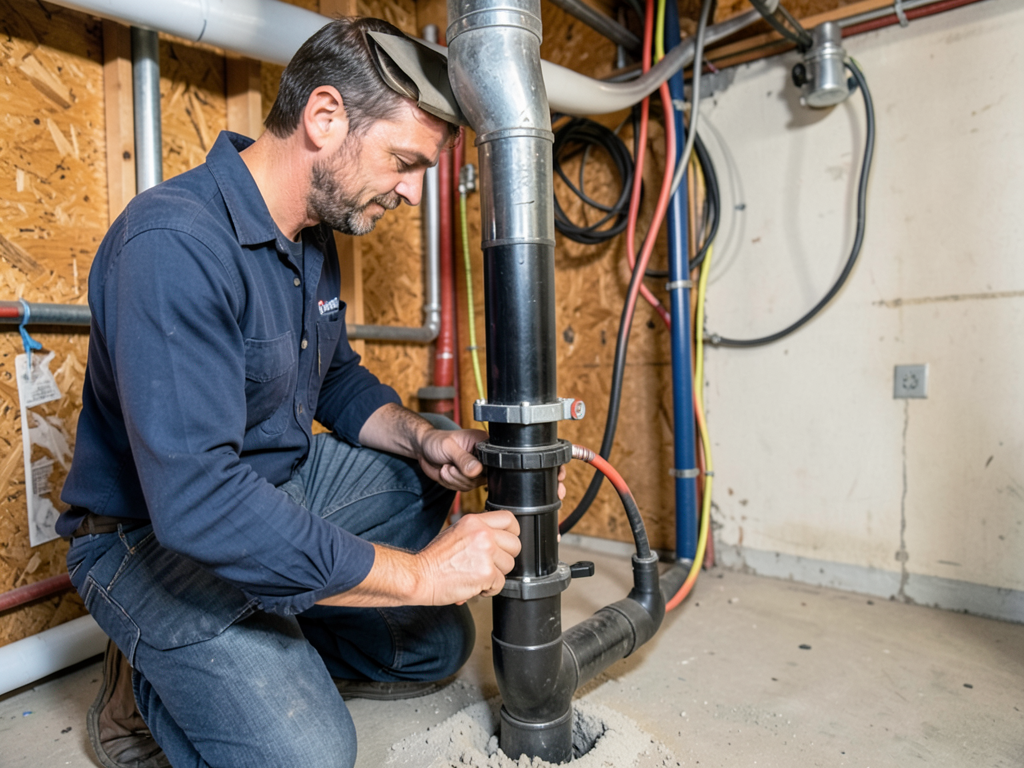
We start with video camera inspection. A waterproof camera attached to a flexible cable travels through your drain line, transmitting real-time footage to a monitor. This shows us exactly what blocks the flow. Is it a grease accumulation in your kitchen P-trap? Hair and soap scum in your bathroom branch line? Tree roots penetrating your main sewer lateral? Each situation requires a different solution.

For organic blockages like hair, grease, and soap buildup, we use mechanical cable augering. This is not the same as a hardware store snake. Our professional equipment includes cables of varying diameters with specialized cutting heads designed for different obstruction types. The rotating cable breaks apart the blockage and scrapes pipe walls clean, removing the buildup that causes recurring problems.

When we encounter mineral deposits or severe scale buildup common in Boston's older cast iron pipes, we deploy hydro-jetting equipment. This system propels water through a specialized nozzle at pressures up to 4,000 PSI. The high-velocity water scours pipe walls completely clean, restoring them to near-original diameter. The process is safe for most pipe materials and far more effective than chemical cleaners, which cannot remove hardened scale.

Tree root intrusion requires a different approach. We use root-cutting attachments that slice through the invading vegetation, then flush the debris out with water. For severely compromised pipes, we recommend spot repairs or pipe lining to prevent future infiltration.

Heritage Plumbing Boston does not guess. We diagnose first, then apply the correct method for your specific situation. This approach eliminates recurring clogs and extends the life of your drainage system.

What Happens During Your Drain Clearing Service

Slow Draining Sinks & Showers in Boston – Expert Diagnosis and Permanent Repair
01

Initial Assessment and Inspection

We examine all affected fixtures to determine whether you have a localized blockage or a main line obstruction. Multiple slow drains indicate a problem in your main sewer lateral. A single fixture points to a branch line issue. We may deploy our camera inspection equipment immediately if the blockage location is not obvious from symptom patterns. This diagnostic phase prevents unnecessary work and identifies the most efficient clearing method for your specific situation.
02

Blockage Removal and Cleaning

Based on our findings, we select the appropriate clearing method. For localized clogs, we use mechanical augering to break apart and remove the obstruction. For main line blockages or severe buildup, we use hydro-jetting to completely clean the pipe interior. We work methodically from the point of access toward the blockage, ensuring complete removal. During this phase, we monitor water flow to confirm drainage has been restored to full capacity and no residual restrictions remain.
03

Verification and Prevention Planning

After clearing the blockage, we run water through all affected fixtures to verify proper flow and confirm the absence of gurgling or slow drainage. If we used camera inspection, we perform a second camera pass to document the cleared condition. We then explain what caused your drainage problem and provide specific recommendations to prevent recurrence. This might include suggesting enzyme treatments for grease buildup, installing drain screens to catch hair, or scheduling periodic maintenance cleaning for aging pipes.

Why Boston Homeowners Choose Heritage Plumbing Boston for Drain Problems

You need a plumber who understands the specific challenges of Boston's plumbing infrastructure. Our technicians work daily with the cast iron drain systems common in pre-1950s construction throughout Cambridge, Somerville, and Boston proper. We know how these systems fail and how to repair them without causing additional damage to aging pipes.

Many plumbers take shortcuts. They clear the immediate blockage and leave, only for you to experience the same problem weeks later. We take a different approach. Our camera inspection capability allows us to see what others miss. We identify pipe deterioration, improper slope, and developing problems before they become emergencies. This diagnostic thoroughness means you get a complete solution, not a temporary fix.

Boston's building codes require specific methods for drain repairs and replacements. We maintain current knowledge of all relevant codes and inspection requirements. When your drainage problem requires more than simple clearing, we handle permits, inspections, and compliance documentation. You do not need to navigate the city bureaucracy yourself.

Our familiarity with Boston's neighborhood characteristics matters. We know that Charlestown homes often have shallow sewer laterals due to bedrock proximity. South Boston properties frequently share party wall drain stacks with neighboring units, requiring coordination for major work. North End buildings may have outdated connections to city mains that need special handling. This local knowledge prevents surprises and ensures efficient service.

We respond quickly because we understand that a clogged shower drain or backed-up kitchen sink disrupts your daily routine. Most drain clearing calls receive same-day service. We arrive with the equipment needed to handle whatever we find, so we do not waste your time with return trips.

You want your drainage system working correctly. We provide the expertise and equipment to make that happen.

What to Expect When You Call Heritage Plumbing Boston

Response Time and Availability

We schedule most drain clearing appointments within 24 hours of your call. Emergency situations receive priority response. When you contact us, we ask specific questions about your drainage symptoms to determine urgency and ensure our technician arrives with the right equipment. We provide arrival windows and call ahead when we are en route. Most drain clearing work takes between one and three hours depending on blockage severity and location. We work efficiently to minimize disruption to your household while ensuring complete resolution of the problem.

Diagnostic Process and Transparent Pricing

Our technician examines your drainage system and explains what tests or inspections will help identify the problem. We provide clear pricing before beginning work. If camera inspection reveals a more complex issue than initially apparent, we discuss your options and associated costs before proceeding. You never receive surprise charges. We explain what we find in plain language, show you camera footage when relevant, and outline the recommended solution. You make informed decisions about your plumbing repairs with complete cost transparency.

Quality of Work and Results

We do not leave until your drains flow properly. Our technicians test all affected fixtures and verify that water evacuates quickly without gurgling or standing. When we use mechanical augering, we ensure complete blockage removal, not just a hole punched through the obstruction. Hydro-jetting services restore pipes to maximum flow capacity by removing all accumulated buildup. We clean up our work area and remove all debris from your property. You receive documentation of the work performed and recommendations for maintaining your drainage system.

Ongoing Maintenance and Prevention

After clearing your blocked drains, we provide specific guidance on preventing future problems. This includes advice on what should and should not go down your drains, recommended cleaning frequencies for your specific pipe materials and usage patterns, and warning signs that indicate developing issues. For properties with recurring drainage problems, we offer scheduled maintenance programs that include periodic camera inspections and preventive cleaning before blockages form. These programs save money by preventing emergency calls and extending the life of your drainage system through proactive care.

Frequently Asked Questions

You Have Questions,
We Have Answers

Why is my bathroom sink draining slowly but not clogged? +

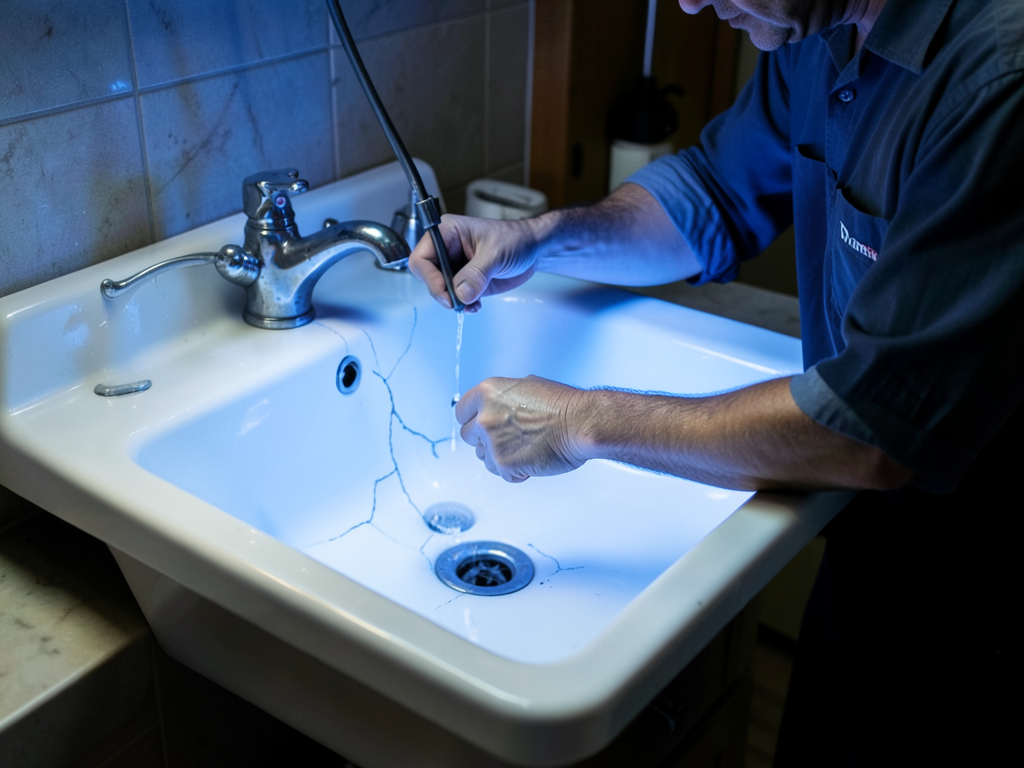
Your bathroom sink has a partial blockage, not a full clog. Hair, soap scum, and toothpaste build up along the drain walls and trap opening, restricting water flow without stopping it completely. The pop-up stopper assembly can also collect debris. In Boston homes with older plumbing, mineral deposits from hard water worsen this buildup. The P-trap below the sink may hold just enough sludge to slow drainage. Remove the stopper and clean it thoroughly. If the problem continues, the blockage sits deeper in the drain line and needs professional attention.

What is the best solution for a slow draining sink? +

Start by removing and cleaning the drain stopper or strainer. For minor buildup, use a drain snake to pull out hair and debris. A plunger can dislodge clogs near the surface. Avoid chemical drain cleaners, as they damage pipes and rarely work on tough blockages. For persistent slow drains, a plumber should inspect the P-trap and branch lines. In Boston's older housing stock, corroded galvanized pipes often need replacement, not just cleaning. Hydro jetting clears stubborn buildup without harming pipes. Prevention matters most: use drain screens and flush weekly with hot water.

What are the signs of a serious clog? +

Water backs up in multiple fixtures when you use one, pointing to a shared branch line blockage. Gurgling sounds from drains or toilets signal trapped air behind a clog. Foul sewage odors mean organic matter is decomposing in the line. Water pooling around floor drains in basements, common in Boston triple-deckers, indicates a main line issue. If plunging or snaking does not restore normal flow quickly, the clog sits deep in the system. Sewage backing up through shower drains or toilets requires immediate professional help to prevent contamination and water damage.

Do baking soda and vinegar work better than drano? +

Baking soda and vinegar create a fizzing reaction that dislodges light surface debris but lacks the strength to dissolve grease or hair. Drano and similar chemicals generate heat to melt clogs but damage older pipes, especially the cast iron and galvanized steel found in Boston homes. Neither method works well on serious blockages. Enzymes work slowly on organic material but cannot clear mineral deposits or foreign objects. For stubborn clogs, mechanical removal with a drain snake or hydro jetting clears the line without harming pipes. Save your money and call a plumber for persistent problems.

How to tell if the main sewer line is clogged? +

Multiple drains backing up simultaneously signals a main sewer line blockage. Toilets gurgle when you run sinks or showers, showing trapped air in the system. Sewage odors around floor drains or cleanout access points indicate a serious backup. Water or sewage pooling in your basement or yard near the sewer line means a break or blockage. In Boston, tree roots from mature maples and oaks infiltrate clay sewer pipes, causing chronic main line problems. A plumber can run a camera inspection through the cleanout to locate the blockage and determine if you need clearing or pipe repair.

Is a slow drain covered by home insurance? +

Home insurance does not cover slow drains caused by normal wear, lack of maintenance, or gradual deterioration. Policies exclude damage from neglect or predictable aging of pipes. If a sudden covered event like a tree root invasion causes an abrupt backup that damages your home, insurance may cover the resulting water damage but not the pipe repair itself. Boston homeowners should review their policy exclusions. Regular drain maintenance prevents problems insurance will not pay for. Document sudden changes and call your insurer immediately if a backup causes interior damage from a covered peril.

What is the strongest thing to unclog a drain? +

A mechanical drain snake or auger physically breaks through and removes blockages, making it the most effective tool. Hydro jetting uses high-pressure water to scour pipe walls clean, clearing grease, roots, and mineral buildup that chemicals cannot touch. These methods work on any clog without damaging pipes. Chemical drain cleaners create heat and caustic reactions but fail on hair clogs, corrode older pipes common in Boston neighborhoods, and pose safety risks. For main line blockages, only professional equipment reaches deep clogs. Skip store-bought chemicals and use the right mechanical tool for lasting results.

What are signs of a serious plumbing problem? +

Multiple slow drains throughout your home point to a main line blockage. Persistent sewage odors inside signal venting problems or trapped waste in pipes. Water stains on ceilings or walls below bathrooms indicate active leaks. Low water pressure across all fixtures suggests corroded pipes restricting flow, common in Boston homes built before 1960. Frequent backups despite clearing individual drains mean a systemic problem. Visible corrosion on exposed pipes or wet spots around your foundation require immediate inspection. Ignoring these signs leads to burst pipes, sewage backups, and expensive water damage throughout your home.

Is it okay to pour boiling water down the drain? +

Boiling water works on grease clogs in metal pipes by melting and flushing buildup downstream. Pour slowly in stages, not all at once. Do not use boiling water in PVC or ABS plastic pipes, as temperatures above 175 degrees can soften joints and cause leaks. Many Boston homes mix old metal drains with newer plastic traps, creating risk. Boiling water cannot dissolve hair, soap scum, or foreign objects. It provides temporary relief but does not fix the root cause. For chronic slow drains, mechanical cleaning removes buildup permanently without risking pipe damage.

What are four signs that your sewer line is broken? +

Sewage backing up through multiple drains signals a complete main line failure. Persistent foul odors in your yard near the sewer line indicate leaking sewage. Unusually lush or soggy patches of grass above the sewer path show wastewater fertilizing the soil. Frequent backups despite clearing individual drains point to a collapsed or broken pipe. In Boston, clay sewer pipes installed decades ago crack from freeze-thaw cycles and root intrusion. Foundation cracks or settling near the sewer line can break pipes. A camera inspection confirms breaks and shows whether you need spot repair or full line replacement.

How Boston's Water Chemistry Creates Persistent Drain Buildup

Boston's municipal water supply contains higher mineral concentrations than many coastal cities. The calcium and magnesium in our hard water combine with soap to form insoluble compounds that stick to pipe walls. In neighborhoods like Dorchester and Roxbury, where many buildings still use original cast iron drainage systems, this soap scum accumulation happens faster because the corroded pipe interiors provide rough surfaces where deposits cling. Every shower you take, every load of laundry you wash, adds another microscopic layer. Over months and years, this buildup narrows your pipes and creates slow running drains that eventually become complete blockages. Chemical drain cleaners cannot remove these hardened deposits. Only mechanical cleaning or hydro-jetting restores full flow capacity.

Heritage Plumbing Boston has cleared thousands of blocked bathtub drains and sluggish sink drainage problems throughout Boston's diverse neighborhoods. We understand the unique challenges presented by different eras of construction, from the cast iron systems in Victorian brownstones to the PVC installations in newer developments. Our camera inspection equipment allows us to show you exactly what blocks your drains, and our range of clearing methods ensures we use the right solution for your specific situation. When you choose a local plumber who specializes in Boston's plumbing infrastructure, you get faster diagnosis, appropriate repairs, and solutions that account for the regional factors affecting your drainage system.
Plumbing Services in The Boston Area

Heritage Plumbing proudly serves Boston and its surrounding areas. Our central location allows us to respond quickly to service calls across residential neighborhoods, business districts, and historic zones alike. Whether you’re downtown or in the suburbs, our local knowledge and flexible scheduling ensure a seamless service experience. Use the map below to find our office, service radius, and contact points — and don’t hesitate to reach out for availability in your area.

Address:
Heritage Plumbing Boston, 75 Arlington St, Boston, MA, 02116

Additional Services We Offer

Our news updates

Latest Articles & News from The Blogs

How to Upgrade Your Kitchen Faucet Without Replacing the Entire Sink in Waltham You can upgrade your kitchen faucet in…

How to Upgrade Your Kitchen Faucet Without Replacing the Entire Sink in Waltham

How to Upgrade Your Kitchen Faucet Without Replacing the Entire Sink in Waltham You can upgrade your kitchen faucet in…

The Hidden Plumbing Risks of Finishing Your Basement in a Flood Zone Like Revere

The Hidden Plumbing Risks of Finishing Your Basement in a Flood Zone Like Revere Finishing your basement in Revere sounds…

Why Your High Efficiency Washing Machine is Causing Suds in Your Danvers Laundry Room

Why Your High Efficiency Washing Machine is Causing Suds in Your Danvers Laundry Room If you’re staring at a laundry…

Contact Us

Stop dealing with standing water in your shower and slow running drains. Call Heritage Plumbing Boston now at (617) 749-9799 for expert drain clearing that fixes the problem correctly the first time.