



menu

Commercial Toilet & Urinal Repair in Boston – Minimize Downtime, Maximize Business Continuity

Same-day industrial restroom repairs for Boston businesses. We handle high-traffic flushometer systems, flush valve replacements, and commercial fixture maintenance to keep your operations running without disruption.

Slider Image 1
Slider Image 2
Slider Image 3
Slider Image 4
Slider Image 5
Slider Image 7
Slider Image 8
Slider Image 9
Slider Image 10
Slider Image 11

Why Commercial Restroom Failures Cost Boston Businesses More Than You Think

A malfunctioning toilet in a retail location on Newbury Street or a failed urinal bank at a Logan Airport contractor facility does not just inconvenience employees. It creates immediate liability, forces operational shutdowns, and violates Massachusetts sanitary code requirements.

Boston's aging commercial building stock, particularly in the Financial District and Back Bay, presents unique challenges. Many properties built in the 1970s and 1980s still rely on original flushometer valves and supply lines that are reaching end-of-service life. The city's hard water compounds the problem. Mineral deposits accelerate wear on diaphragms, seals, and vacuum breakers in commercial flush systems.

High-rise properties face additional pressure differential issues. Buildings over ten stories often experience inconsistent water pressure that puts excessive stress on flush valve components. When a commercial urinal maintenance schedule is neglected, the result is often catastrophic failure during peak business hours.

Industrial toilet repair services require different expertise than residential work. Commercial fixtures handle 10 to 50 times more daily cycles than residential units. A failed flush valve in a multi-stall restroom at a Seaport District office building can render an entire floor unusable. The Massachusetts Plumbing Code mandates specific fixture counts per occupancy. Falling below that threshold creates immediate code violations and potential fines.

Boston's restaurant and hospitality sectors face even tighter constraints. Health code inspections are unforgiving. A single non-functioning toilet or urinal can trigger a failed inspection and temporary closure. Commercial restroom fixture repair in these environments demands speed, precision, and thorough documentation for compliance records.

Why Commercial Restroom Failures Cost Boston Businesses More Than You Think
How We Diagnose and Repair High-Volume Commercial Fixtures Correctly

How We Diagnose and Repair High-Volume Commercial Fixtures Correctly

Heritage Plumbing Boston approaches commercial toilet and urinal repair differently than residential calls. We start with a complete pressure test of the building's flush system. Most commercial restroom failures stem from upstream pressure problems, not just the visible fixture.

We map the flushometer network. High-rise buildings often have pressure-reducing valves on different floors. A failed PRV can cause simultaneous failures across multiple restrooms. We test each zone independently to isolate the root cause before replacing components.

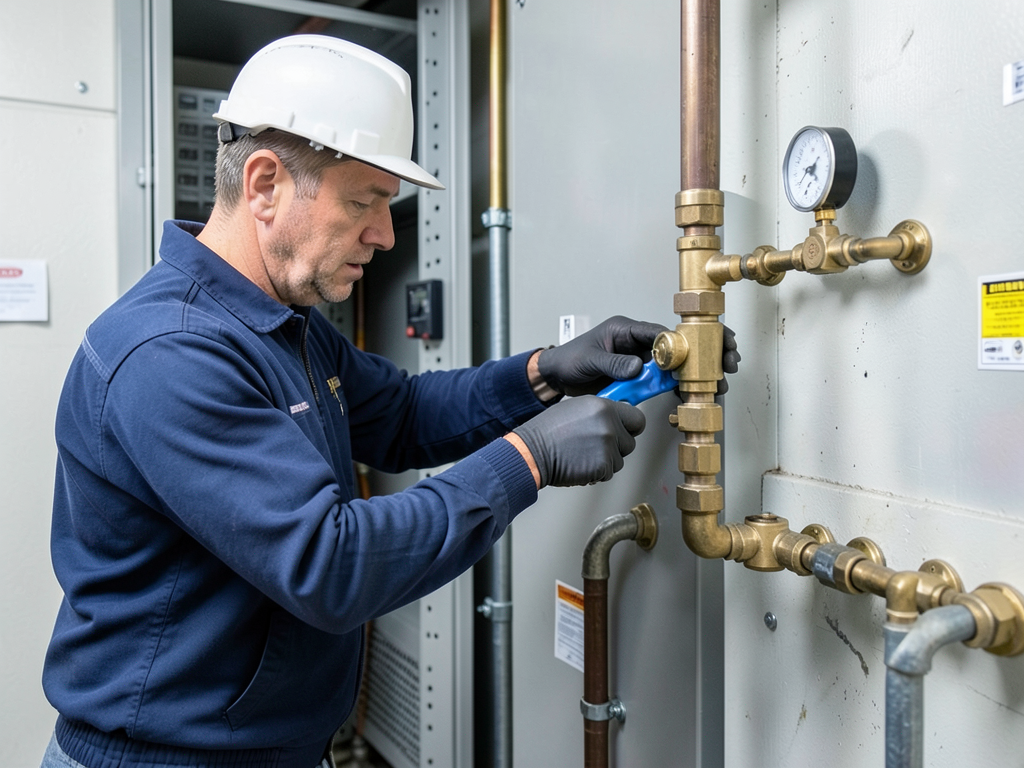
Flushometer repair requires precision. These are mechanical valves with tight tolerances. We disassemble each unit, inspect the diaphragm assembly, check the relief valve, and test the vacuum breaker. Most technicians simply replace the entire valve. We rebuild when possible, which reduces your cost and maintains original equipment specifications for older buildings where supply lines may not accommodate newer models.

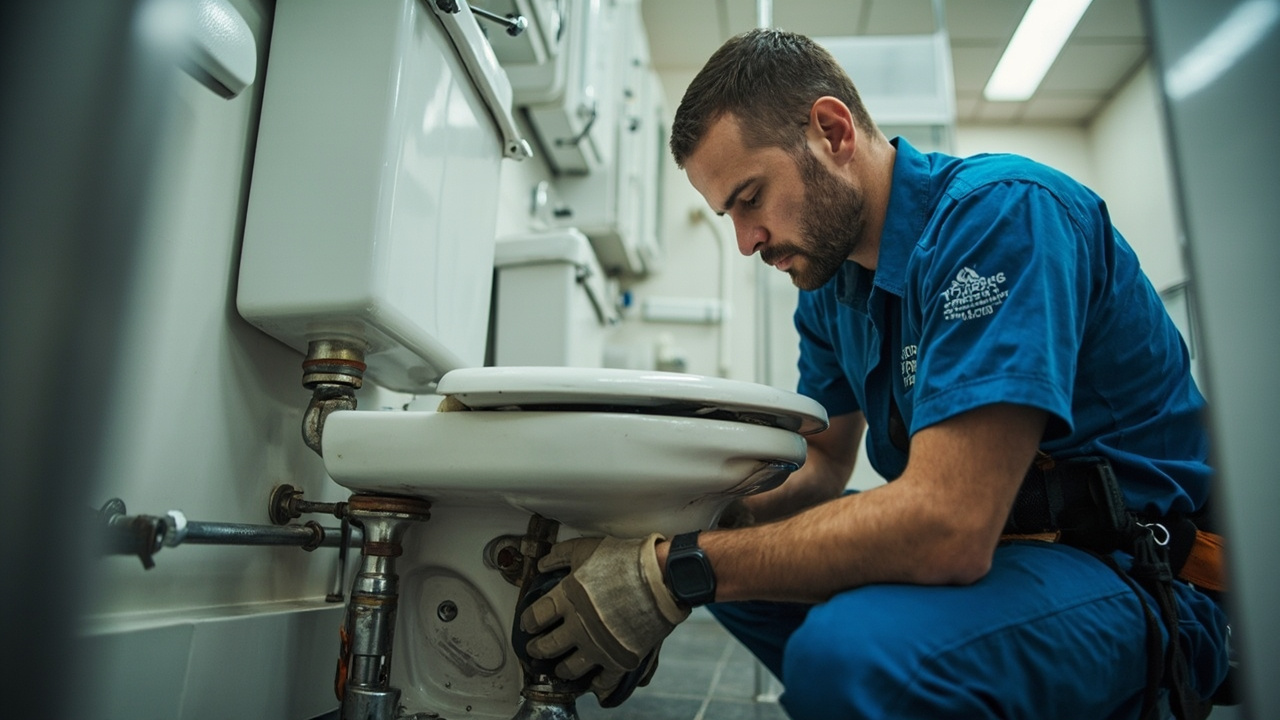
Commercial flush valve replacement follows strict sequence protocols. We verify supply line compatibility, check stop valve function, pressure-test after installation, and document flow rates. Massachusetts code requires specific gallons-per-flush rates for different fixture types. We measure and record actual performance to ensure compliance.

Urinal systems present distinct challenges. Waterless urinals require drain trap maintenance that differs entirely from flush models. Sensor-activated units fail when batteries die or sensors become occluded by mineral buildup. We carry replacement sensors, solenoid valves, and battery packs for all major commercial brands.

Industrial toilet repair services for facilities like hospitals or manufacturing plants involve additional considerations. These environments require ADA-compliant fixtures, specific bowl heights, and grab bar configurations. We coordinate repairs to minimize occupant disruption and maintain required fixture counts during staged replacements.

What Happens During Your Commercial Restroom Repair Call

Commercial Toilet & Urinal Repair in Boston – Minimize Downtime, Maximize Business Continuity
01

Rapid Facility Assessment

We dispatch within two hours for commercial emergencies. Our technician arrives with diagnostic equipment and a full inventory of commercial-grade flushometer parts, flush valve assemblies, and sensor components. We assess all fixtures in the affected restroom zone, not just the reported failure. This identifies cascade failures before they cause additional downtime. You receive a written scope of work with code compliance notes before we begin repairs.
02

Precision Repair or Replacement

We isolate water supply to the affected fixtures only. Multi-stall restrooms remain partially operational during repairs when possible. Each flushometer valve is rebuilt or replaced following manufacturer torque specifications. We test water pressure, adjust flow rates to Massachusetts code requirements, and verify proper drainage. Sensor systems are recalibrated for optimal response times. All repairs include temporary signage to keep facilities accessible during work.
03

Documentation and Code Verification

You receive detailed documentation of all work performed, including part serial numbers, flow rate measurements, and code compliance verification. This documentation is critical for your facility maintenance records and health inspections. We provide a 30-day commercial fixture performance guarantee. If the repaired unit fails within that window due to workmanship issues, we return at no additional charge. Preventive maintenance schedules are included for facilities requiring ongoing commercial urinal maintenance.

Why Boston Businesses Choose Heritage Plumbing for Commercial Restroom Repairs

Heritage Plumbing Boston maintains relationships with property management firms throughout the Financial District, Seaport, and Cambridge commercial corridors. We understand the operational realities of Boston's commercial real estate market. Your tenants expect functional restrooms. Your lease agreements mandate them. We deliver repairs that meet those obligations.

We stock parts for all major commercial fixture manufacturers. Sloan flushometers, Zurn flush valves, and Kohler commercial fixtures are available from our trucks. This eliminates the delays other contractors face waiting for parts shipments. Your restrooms return to service the same day.

Our technicians hold Massachusetts Journeyman and Master Plumber licenses. We maintain ongoing education in commercial code updates and new fixture technologies. When Boston updates its plumbing code to align with International Plumbing Code amendments, we are already trained on the changes.

We work within your business hours or outside them. Early morning and overnight repairs prevent disruption to office environments, retail operations, and food service establishments. A midnight repair call costs more, but the alternative is closed restrooms during business hours and lost revenue.

Boston's historic buildings require special consideration. We have repaired commercial restrooms in Faneuil Hall properties, South Station facilities, and converted textile mills in the Innovation District. These buildings have unique plumbing configurations. Cookie-cutter approaches fail. We adapt repairs to existing infrastructure while meeting current code.

Property managers value our transparent communication. You receive real-time updates on repair progress, photos of problem components, and clear explanations of necessary versus optional work. We never upsell. Commercial clients need facts and timelines, not sales pitches.

What to Expect When You Call Heritage Plumbing for Commercial Restroom Repairs

Response Time and Availability

Commercial emergencies receive priority dispatch. We target two-hour response times for facility shutdowns during business hours. After-hours calls are handled by on-call licensed technicians, not answering services. You speak directly with a plumber who can assess urgency and provide immediate guidance while en route. For non-emergency commercial urinal maintenance or scheduled industrial toilet repair services, we offer next-business-day appointments. Large facilities can establish priority service agreements that guarantee same-day response regardless of call volume. Our trucks are staged throughout Boston to minimize travel time to commercial districts.

Initial Assessment and Diagnosis

Our diagnostic process identifies root causes, not just symptoms. We test building water pressure, inspect supply line condition, and evaluate the entire restroom's plumbing network. Many commercial restroom failures result from shared supply line problems or failed pressure regulators that affect multiple fixtures. We provide a written assessment that separates immediate repairs from recommended upgrades. You make informed decisions based on actual system condition, not guesswork. For commercial flush valve replacement projects involving multiple fixtures, we provide staging options that maintain partial restroom access throughout the work. Photography documentation is standard for all commercial assessments.

Repair Quality and Performance

We use commercial-grade components that match or exceed original equipment specifications. Rebuilding flushometer valves with manufacturer-certified parts maintains fixture performance while reducing replacement costs. When commercial restroom fixture repair requires complete replacement, we install units rated for high-cycle commercial use. Residential-grade fixtures fail rapidly in commercial applications. We verify proper flush volume, adequate bowl clearance, and compliant flow rates after every repair. Sensor-activated fixtures are calibrated to prevent false activations and ensure reliable operation. All work meets current Massachusetts Plumbing Code requirements. You receive documentation suitable for building inspection files and tenant compliance records.

Follow-Up and Preventive Maintenance

Commercial facilities benefit from scheduled flushometer maintenance to prevent emergency failures. We offer quarterly inspection programs that include diaphragm replacement, vacuum breaker testing, and sensor battery replacement before components fail. These programs reduce total cost of ownership and eliminate surprise shutdowns. Our 30-day performance guarantee covers workmanship on all commercial repairs. If a repaired fixture fails due to our work, we return immediately at no charge. For facilities requiring detailed maintenance logs for health inspections or property audits, we provide comprehensive service records with dates, technician names, parts used, and test results. This documentation satisfies regulatory requirements and supports your facility management protocols.

Frequently Asked Questions

You Have Questions,
We Have Answers

What is the most common toilet flush problem? +

The most common flush problem in commercial settings is a failing flapper valve or flush valve diaphragm. High usage volume in Boston office buildings and retail spaces causes rapid wear. Hard water from municipal supply lines degrades rubber seals faster. You see continuous running water, weak flushes, or incomplete bowl evacuation. The flapper fails to seal properly against the flush valve seat. This wastes thousands of gallons monthly and drives up operating costs. Commercial-grade fixtures need replacement parts rated for high-cycle use, not residential components that fail within weeks under heavy traffic.

How do you adjust the flush valve on a commercial toilet? +

Adjusting a commercial flush valve requires accessing the diaphragm assembly. Turn off the water supply and remove the cover. The relief valve controls flush volume. Turn the adjustment screw clockwise to reduce water flow, counterclockwise to increase. Boston plumbing code requires specific gallons-per-flush rates for water conservation compliance. Check the refill tube position in the overflow pipe. Most Sloan or Zurn valves have similar mechanisms. Test flush performance after adjustment. If the diaphragm shows wear or calcium buildup from Boston's hard water, replacement beats adjustment. Document changes for building maintenance records and code inspections.

How much does it cost to replace a toilet flush mechanism? +

Replacement costs vary based on fixture type and building access. Commercial flush valves range from basic diaphragm kits to complete valve assemblies. Labor accounts for the majority of expense in Boston due to union rates and parking challenges in dense commercial districts. High-rise buildings add time for equipment transport and water system coordination. Multi-fixture replacements in restroom banks cost less per unit than single emergency repairs. Budget for potential supply line updates if existing connections fail code. Defer maintenance costs more long-term through water waste and emergency callouts. Schedule replacements during low-occupancy periods to minimize business disruption.

How to fix leaking urinal? +

Urinal leaks typically originate from the flush valve diaphragm or supply line connections. Shut off the water supply first. Remove the flush valve cover and inspect the diaphragm for cracks or mineral deposits from Boston's hard water. Replace the diaphragm assembly if damaged. Check the vacuum breaker and supply line compression fittings for corrosion. Tighten connections carefully to avoid cracking porcelain fixtures common in older Boston commercial buildings. Waterless urinals require different diagnostics focusing on cartridge seals. Persistent leaks indicate valve body failure requiring complete replacement. Document repairs for property management and compliance tracking.

What are two things you should never flush down a toilet? +

Never flush paper towels or sanitary products in commercial toilets. Paper towels do not break down like toilet paper and create blockages in aging cast iron drain lines common throughout Boston commercial buildings. The paper expands in water and snags on pipe joints. Sanitary products cause similar problems but add absorbent materials that swell and create immovable clogs. These blockages require professional augering or hydro-jetting to clear. The resulting downtime disrupts business operations and creates liability issues for building owners. Install clear signage in restrooms and provide proper disposal containers to prevent costly drain backups and emergency plumbing calls.

What is the most common toilet repair? +

Flapper or flush valve replacement ranks as the most common commercial toilet repair. High-traffic facilities in Boston's financial district and retail corridors cycle fixtures hundreds of times daily. Rubber components degrade from chlorine in municipal water and constant mechanical stress. You notice running water between flushes or weak flush performance. The repair takes 20 minutes for a standard flapper but requires commercial-grade parts rated for heavy use. Cheap residential components fail quickly under commercial demand. Schedule regular inspections to catch wear before complete failure causes water waste and tenant complaints. Proactive replacement costs less than emergency repairs during business hours.

How does a commercial toilet flush valve work? +

Commercial flush valves use water pressure and diaphragm mechanics to control flushing. When you press the handle, it opens a relief valve in the diaphragm assembly. Water pressure above the diaphragm drops, allowing supply pressure to lift the diaphragm and release water into the bowl. The bypass orifice slowly refills the upper chamber, building pressure that closes the diaphragm and stops flow. This pressure-assisted system handles high-volume use better than gravity-fed residential tanks. Sloan and Zurn valves dominate Boston commercial installations. The system requires minimum supply pressure to function properly. Regular diaphragm replacement maintains consistent performance.

Why put aluminum foil in a toilet tank? +

The aluminum foil claim suggests reducing tank condensation by insulating cold water surfaces. This residential folk remedy does not apply to commercial flushometer systems that have no tank. Boston commercial toilets use direct flush valves connected to supply lines. The condensation issue relates to humidity differences between cold water and warm restroom air. Proper building HVAC controls humidity better than foil tricks. For the rare commercial tank-type fixtures, insulation kits designed for the purpose work better than aluminum foil, which corrodes and creates debris. Focus on proper valve maintenance and code-compliant installations rather than improvised solutions that waste time and money.

How do you fix a toilet flushing mechanism? +

Fixing a commercial flush mechanism starts with diagnosing the specific failure point. Remove the flush valve cover and inspect the diaphragm for wear, cracks, or mineral buildup. Replace the complete diaphragm kit if damaged. Check the relief valve and bypass orifices for blockages from sediment in Boston's water supply. Clean or replace as needed. Verify the handle linkage moves freely without binding. Adjust the refill rate if flush volume seems incorrect. Test supply pressure, which must meet minimum requirements for proper operation. If the valve body shows corrosion or the threads are damaged, replace the entire assembly to prevent recurring failures and water waste.

Can a flush valve be replaced without removing the tank? +

Commercial toilets with flushometer valves have no tank to remove. The flush valve mounts directly to the supply line and fixture. You can replace the entire valve assembly by shutting off water, disconnecting the supply line, removing mounting bolts, and installing a new unit. This takes 30 minutes with proper access. The rare commercial fixtures with tanks require tank removal for flush valve replacement in most cases due to the mounting configuration and working space needed. Boston's older buildings often have limited restroom access, making tank removal necessary anyway. Plan for water system shutdown and coordinate with building management to minimize disruption during replacement work.

How Boston's Water Chemistry Accelerates Commercial Flushometer Failure

Boston's municipal water supply, sourced from the Quabbin and Wachusett Reservoirs, contains higher mineral content than many Northeast cities. This water chemistry accelerates scale buildup inside flushometer diaphragm assemblies and commercial flush valve seats. Buildings in the Financial District and Seaport that rely on the older distribution infrastructure see particularly aggressive mineral accumulation. The result is premature seal failure, inconsistent flush cycles, and phantom flushing as diaphragms lose their sealing capability. Commercial properties require more frequent flushometer maintenance than similar buildings in softer water regions. Ignoring this reality leads to cascading failures across entire restroom banks.

Heritage Plumbing Boston has served commercial properties throughout the city since Boston's commercial construction boom transformed the Seaport and Innovation Districts. We understand how different neighborhoods present unique plumbing challenges based on building age and water distribution zones. Our relationships with property management firms in Back Bay, the Financial District, and Cambridge give us insight into recurring issues specific to Boston's commercial building stock. We maintain detailed service histories for facilities we work with, allowing us to anticipate component lifecycle and schedule preventive maintenance before failures occur. This local knowledge reduces your long-term maintenance costs and prevents emergency shutdowns.
Plumbing Services in The Boston Area

Heritage Plumbing proudly serves Boston and its surrounding areas. Our central location allows us to respond quickly to service calls across residential neighborhoods, business districts, and historic zones alike. Whether you’re downtown or in the suburbs, our local knowledge and flexible scheduling ensure a seamless service experience. Use the map below to find our office, service radius, and contact points — and don’t hesitate to reach out for availability in your area.

Address:
Heritage Plumbing Boston, 75 Arlington St, Boston, MA, 02116

Additional Services We Offer

Our news updates

Latest Articles & News from The Blogs

Understanding Local Rules for Sump Pump Discharge into Medford Storm Drains Medford homeowners face strict regulations about where sump pump…

Understanding Local Rules for Sump Pump Discharge into Medford Storm Drains

Understanding Local Rules for Sump Pump Discharge into Medford Storm Drains Medford homeowners face strict regulations about where sump pump…

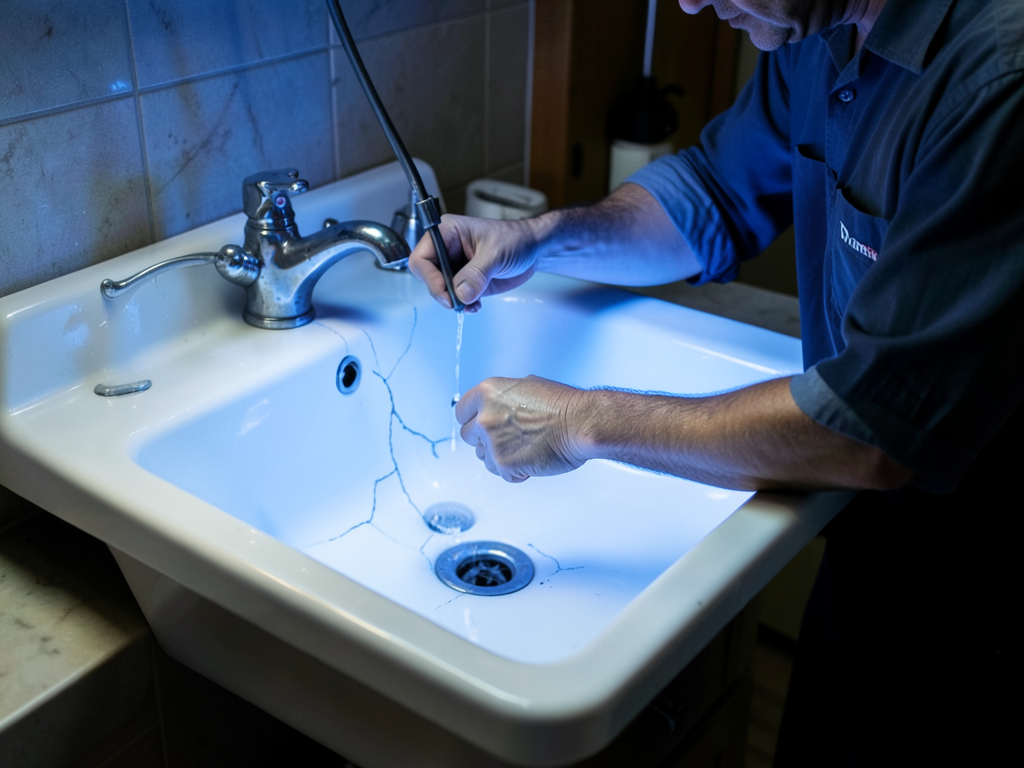
Should You Repair or Replace a Cracked Vintage Sink in Your Historic Beacon Hill Home?

Historic homes in Beacon Hill often feature original porcelain sinks that add irreplaceable character to kitchens and bathrooms. When a…

Why Your High Rise Condo in the Seaport District Still Needs a Pressure Reducing Valve

Why Your High Rise Condo in the Seaport District Still Needs a Pressure Reducing Valve Living in a modern high…

Contact Us

Do not let a failed toilet or urinal shut down your business. Call Heritage Plumbing Boston at (617) 749-9799 for same-day commercial restroom repairs. We arrive equipped to solve the problem, not schedule another visit.