




menu

Commercial Kitchen Plumbing in Boston – Minimize Downtime with Industrial-Grade Solutions

Heritage Plumbing Boston delivers commercial kitchen plumbing systems engineered for high-volume food service operations, ensuring code compliance and uninterrupted business continuity across the greater Boston metro.

Slider Image 1
Slider Image 2
Slider Image 3
Slider Image 4
Slider Image 5
Slider Image 7
Slider Image 8
Slider Image 9
Slider Image 10
Slider Image 11

Why Commercial Kitchen Plumbing Failures Cost Boston Restaurants Thousands Per Day

A single drain failure during Friday dinner service can shut down your entire operation. In Boston's competitive food service market, you cannot afford plumbing downtime.

Commercial kitchen plumbing differs fundamentally from residential systems. You are managing high-temperature discharge, grease interceptors under Massachusetts Title 5 regulations, backflow prevention assemblies mandated by the Boston Water and Sewer Commission, and pressure demands that would collapse a standard residential system in hours.

Boston's aging infrastructure adds another layer of complexity. Many North End and Back Bay restaurant buildings date to the early 1900s, with cast iron drain lines that corrode from the inside out. You will not see the problem until a main line collapses during peak hours.

The city's freezing winters create additional pressure points. Exterior grease traps and waste lines require proper insulation and heat tracing to prevent solidification and blockages. When temperatures drop below 20 degrees, untreated grease lines freeze solid.

Industrial kitchen plumbing systems must handle sustained abuse. A single three-compartment sink discharges more wastewater in one shift than a residential home produces in a week. Your dishwasher pre-rinse spray valve flows at 1.6 GPM continuously. Floor drains trap food debris, cleaning chemicals, and thermal shock from equipment washdown.

Professional kitchen plumbing requires engineered solutions, not residential patches. Heritage Plumbing Boston designs restaurant plumbing services for operational reality. We account for Boston's specific code requirements, building age, and the thermal cycling your systems endure daily.

Your kitchen cannot wait for a generalist to learn on the job. Food service plumbing demands immediate response and permanent solutions.

Why Commercial Kitchen Plumbing Failures Cost Boston Restaurants Thousands Per Day
How Heritage Plumbing Boston Engineers Commercial Kitchen Systems for Continuous Operation

How Heritage Plumbing Boston Engineers Commercial Kitchen Systems for Continuous Operation

We approach commercial kitchen plumber services through a capacity planning lens, not a repair mindset. Your system must handle peak flow without failure.

First, we conduct a load analysis. We calculate your fixture units, measure simultaneous demand, and assess your drain line pitch and diameter. Many failures stem from undersized waste lines installed during initial buildout. A 2-inch drain cannot handle the discharge from a high-temp dishwasher, three-bay sink, and floor drain simultaneously.

We map your grease interceptor compliance against Massachusetts DEP requirements and Boston Water and Sewer Commission regulations. Your interceptor must be sized for actual flow rates and grease loading, not generic estimates. We measure inlet and outlet positioning, baffle condition, and outlet tee integrity. A failing interceptor does not just create backups; it generates thousands in fines and potential operating license issues.

Backflow prevention receives systematic evaluation. Cross-connections between potable water and equipment create contamination risks that violate state plumbing code. We install and test reduced pressure zone assemblies, double check valves, and atmospheric vacuum breakers based on hazard classification.

Hot water capacity affects your entire operation. We calculate your temperature rise requirements, recovery rates, and simultaneous fixture demand. Undersized water heaters force your staff to wait between dishwasher cycles or limit prep sink usage. We design systems that deliver 180-degree water on demand without recovery lag.

We install commercial-grade components engineered for your environment. Heavy-wall DWV piping, stainless steel waste fittings, high-temperature discharge piping, and grease-resistant gaskets. Residential components fail immediately under commercial loads.

Heritage Plumbing Boston builds systems that operate under continuous stress without degradation. We eliminate single points of failure and design for maintainability.

How We Execute Your Commercial Kitchen Plumbing Project

Commercial Kitchen Plumbing in Boston – Minimize Downtime with Industrial-Grade Solutions
01

Site Assessment and Load Calculation

We document your existing system configuration, measure all drain line sizes and slopes, photograph grease interceptor condition, and test water pressure at each fixture. We calculate your actual fixture unit load and compare it against your drain capacity. This reveals bottlenecks before they cause failures. We review your equipment schedule to ensure adequate hot water capacity and proper venting.
02

System Design and Code Compliance

We engineer solutions that meet Massachusetts state plumbing code, Boston amendments, and health department requirements. We size grease interceptors per actual flow rates, design proper venting to prevent trap siphonage, specify backflow prevention devices based on hazard classification, and plan access points for future maintenance. Every component selection accounts for thermal shock, chemical exposure, and sustained high-volume use.
03

Installation and Operational Testing

We execute installations during your closed hours to avoid revenue disruption. We pressure test all new piping, verify drain slopes with digital levels, test backflow assemblies, and run full-load operational tests with all fixtures discharging simultaneously. We document your system configuration, provide maintenance schedules for grease interceptors, and train your staff on proper use. You receive as-built drawings showing shutoff locations and cleanout access points.

Why Boston Food Service Operations Trust Heritage Plumbing Boston

You need a commercial kitchen plumber who understands that downtime equals lost revenue. We respond within two hours for emergency calls because we know you cannot wait until tomorrow.

Our team knows Boston's plumbing landscape. We have worked in buildings across Faneuil Hall, the Seaport District, Cambridge, and Brookline. We understand the challenges of retrofitting modern equipment into historic structures with limited access and outdated infrastructure.

We maintain relationships with Boston's Building Department and health inspectors. We know exactly what they will flag during inspections. Our installations pass inspection the first time because we build to code, not to minimum standards.

We stock commercial-grade components other contractors special order. When your grease interceptor fails on Saturday morning, we have replacement parts on our trucks. We carry heavy-wall DWV fittings, stainless fabrication materials, commercial fixture parts, and backflow prevention components.

Heritage Plumbing Boston understands the operational realities of food service plumbing. We have seen what happens when systems fail during peak service. We have replaced corroded cast iron drain lines while keeping kitchens operational. We have upsized inadequate water heaters and redesigned failing grease management systems.

We provide preventive maintenance programs that catch problems before they shut you down. Quarterly grease interceptor inspections, annual backflow testing, water heater flushing, and drain line camera inspections. Preventive maintenance costs less than emergency repairs and eliminates surprise failures.

You will work with the same technicians every visit. They learn your system, understand your operation, and spot developing problems before they escalate. Continuity matters when your business depends on equipment reliability.

We do not send apprentices to figure out commercial systems on your time. Every Heritage Plumbing Boston technician carries commercial plumbing experience and understands industrial kitchen demands.

What You Can Expect from Heritage Plumbing Boston

Rapid Response for Business Continuity

We respond to emergency calls within two hours because we know every minute of downtime costs you money. Our dispatch system prioritizes commercial kitchen emergencies. We carry diagnostic equipment to identify problems immediately, not after multiple visits. We stock common commercial parts to complete repairs on the first trip. For planned installations, we work overnight or during your closed days to avoid disrupting service. We provide project timelines with contingency buffers and communicate any changes immediately. You will never discover schedule changes when our crew does not show up.

Comprehensive System Evaluation

We assess your entire plumbing system, not just the immediate problem. We camera inspect drain lines to identify developing blockages, test water pressure under full load, evaluate grease interceptor sizing and condition, inspect backflow prevention assemblies, and measure hot water capacity against your actual demand. You receive a written report with photos documenting current conditions, code compliance issues, and recommended preventive actions. We explain what needs immediate attention versus what you can schedule during slower periods. You make informed decisions based on facts, not sales pressure.

Code-Compliant Professional Installation

Every installation meets Massachusetts state plumbing code and Boston amendments. We pull required permits, coordinate inspections, and provide documentation for your files. We install commercial-grade components engineered for sustained high-volume use. All work includes pressure testing, operational verification, and cleanup. You receive as-built drawings showing your system layout, shutoff valve locations, and cleanout access points. We tag all installed components with date and specifications. Your system passes health department inspections because we build to operational standards, not minimum code requirements. We guarantee our work will function as designed under your actual operating conditions.

Preventive Maintenance Programs

We offer scheduled maintenance plans that prevent emergency failures. Quarterly grease interceptor pumping and inspection keeps you compliant with Boston Water and Sewer Commission requirements. Annual backflow assembly testing meets state mandates and protects your water supply. We flush water heaters to remove sediment buildup that reduces efficiency and causes premature failure. Camera inspections identify developing drain line problems before they cause backups during service. We maintain detailed service records and alert you when components approach end of service life. Preventive maintenance costs a fraction of emergency repairs and eliminates surprise downtime. You budget maintenance costs instead of facing unexpected five-figure repair bills.

Frequently Asked Questions

You Have Questions,
We Have Answers

Are floor drains required in commercial kitchens? +

Yes. The Massachusetts State Plumbing Code requires floor drains in most commercial kitchens to manage water discharge from cleaning operations and equipment. Boston's Inspectional Services Department enforces this strictly during permit inspections. Floor drains prevent standing water, reduce slip hazards, and ensure compliance with health codes. The number and placement depend on your kitchen size and equipment layout. High-volume prep areas, dishwashing zones, and walk-in coolers typically need dedicated drains. Grease traps must connect properly to prevent sewer line blockages. Failure to install code-compliant floor drains will halt your certificate of occupancy and delay opening.

What plumbing is needed for a kitchen? +

Commercial kitchens require supply lines for hot and cold water to sinks, dishwashers, ice machines, and prep stations. Drainage systems must handle wastewater from all fixtures plus floor drains. Grease interceptors are mandatory for three-compartment sinks and dishwashing equipment per Boston regulations. Gas lines connect to ranges, ovens, and fryers if you run gas equipment. Backflow preventers protect the municipal water supply. Thermostatic mixing valves ensure safe water temperatures. Your setup must meet 248 CMR Massachusetts Plumbing Code and pass inspection by Boston's Inspectional Services before operation. Undersized systems cause downtime and code violations.

What is considered commercial plumbing? +

Commercial plumbing serves businesses, restaurants, retail spaces, and multi-tenant buildings rather than single-family homes. The systems handle higher volume, greater usage frequency, and stricter code requirements. Commercial work involves larger diameter pipes, industrial-grade fixtures, grease management systems, and specialized equipment connections. In Boston, commercial projects require licensed journeyman or master plumbers, detailed permit applications, and inspections by municipal authorities. The work focuses on minimizing business interruption, meeting ADA requirements, and ensuring long-term durability under heavy use. Liability concerns and building code complexity separate commercial plumbing from residential service work.

Can a toilet and kitchen sink share the same drain? +

No. The Massachusetts Plumbing Code prohibits cross-connections between toilet drains and kitchen plumbing. This prevents contamination of food prep areas and protects public health. Toilets require separate waste lines that connect to the building's main drain independently from kitchen fixtures. Boston health inspectors will fail any kitchen setup that shares drainage with restrooms. Your commercial space needs dedicated plumbing runs for each functional area. Attempting to share drains violates multiple code sections and puts your business license at risk. Proper separation costs more upfront but prevents costly violations and protects your reputation.

What is the 3x4 kitchen rule? +

The 3x4 rule refers to residential kitchen design spacing, not commercial plumbing code. It suggests the three main kitchen zones (sink, stove, refrigerator) should form a triangle with each leg measuring between four and nine feet. This does not apply to commercial kitchens in Boston, which follow food service equipment layout standards and the Massachusetts Plumbing Code. Commercial kitchens prioritize workflow efficiency, health department requirements, and code-mandated fixture spacing. Focus on proper drainage capacity, adequate handwashing stations, and grease interceptor sizing rather than residential design concepts when planning your Boston restaurant or commissary kitchen.

Does every outlet in a commercial kitchen need to be GFCI? +

Yes. The National Electrical Code requires GFCI protection for all receptacles serving countertop surfaces in commercial kitchens. Boston follows NEC standards enforced by the Inspectional Services Department. GFCI outlets prevent electrocution in wet environments where water and electrical equipment coexist. This includes outlets near sinks, prep tables, and dishwashing areas. Even outlets serving equipment like mixers or food processors need GFCI protection if located within six feet of water sources. Non-compliance creates serious liability exposure and will fail electrical inspection. Your electrician must install GFCI breakers or receptacles throughout the kitchen to meet code.

What is the code for kitchen sink drain pipe? +

The Massachusetts Plumbing Code requires minimum 1.5-inch diameter drain pipes for kitchen sinks in commercial applications, though most installations use two-inch pipes for better flow capacity. The drain must slope at least one-quarter inch per foot toward the main waste line. Three-compartment sinks need properly sized grease traps before connecting to the building drain. All drainage must be cast iron, ABS, or PVC depending on local Boston amendments and building age. Undersized drains cause backups during peak service hours. Your plumber must calculate drain capacity based on fixture units and anticipated volume to prevent operational disruptions.

How much does plumbing cost for a kitchen? +

Commercial kitchen plumbing costs vary widely based on size, equipment count, and existing infrastructure. A small café retrofit in Boston might cost $15,000 to $30,000, while a full-service restaurant build-out can exceed $100,000. Factors include grease interceptor installation, gas line runs, fixture count, permit fees, and structural access challenges. Older Boston buildings often require pipe upgrades to meet current code. Get detailed quotes from licensed commercial plumbers who understand local inspection requirements. Budget an additional 15 percent for contingencies. Cutting corners on plumbing creates expensive failures during high-revenue periods. Plan costs during your initial feasibility analysis.

Does a kitchen need a floor drain? +

Most commercial kitchens in Boston require floor drains under the State Plumbing Code and Board of Health regulations. Drains handle water from mopping, equipment cleaning, and accidental spills. Food service establishments need drains in prep areas, dishwashing zones, and near refrigeration equipment. The number depends on square footage and layout. Some small operations with minimal water use might receive variances, but expect inspectors to require them during permit review. Proper drainage prevents mold growth, structural damage, and slip hazards. Floor drains must connect to grease interceptors where required. Design your kitchen assuming you need compliant drainage throughout.

Can a plumber make $100,000 a year? +

Yes. Experienced licensed plumbers in Boston regularly earn six figures, particularly those specializing in commercial and industrial work. Master plumbers running their own businesses often exceed this threshold significantly. High earnings come from emergency service premiums, commercial project rates, and union scale wages in the Boston metro area. The combination of Massachusetts licensing requirements, strong demand, and limited qualified tradespeople creates favorable compensation. However, reaching this income level requires years of apprenticeship, passing rigorous licensing exams, building a client base, and managing business operations efficiently. Entry-level apprentices earn substantially less while gaining required experience hours.

How Boston's Aging Infrastructure Impacts Commercial Kitchen Plumbing Systems

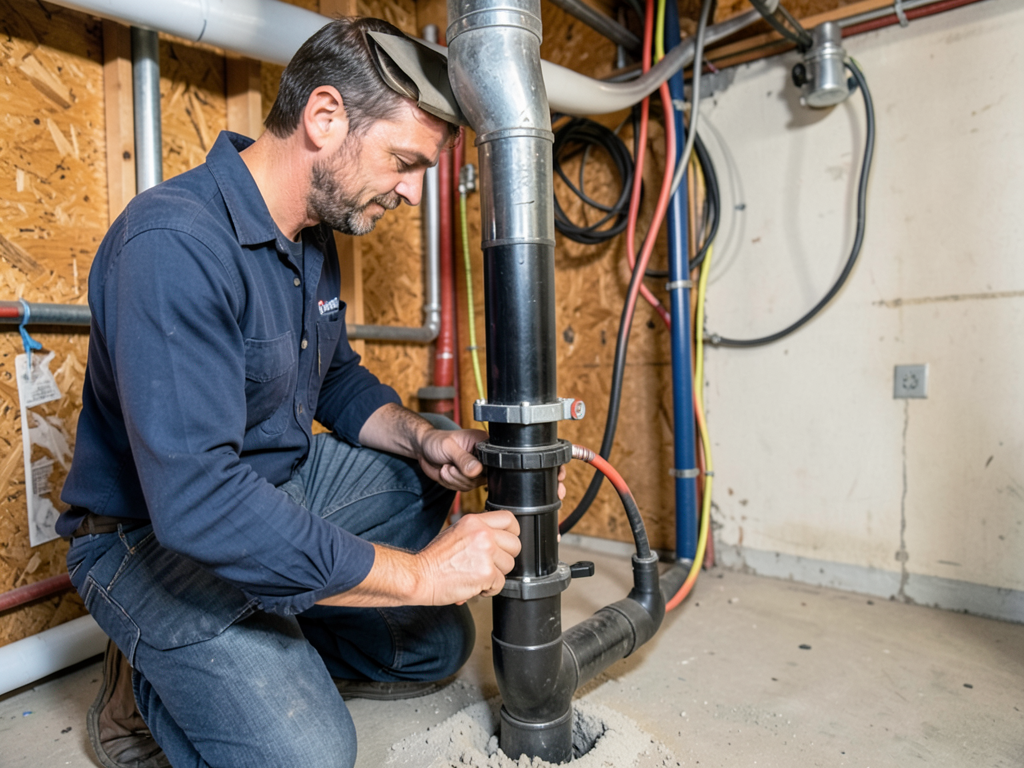
Boston's restaurant districts occupy some of the city's oldest buildings. North End properties built in the 1890s contain original cast iron drain lines that have corroded from decades of grease and chemical exposure. Back Bay buildings feature undersized waste piping installed before modern health codes. These systems were never designed for high-volume food service equipment. When you install a modern dishwasher or three-compartment sink in a century-old building, the existing drain infrastructure cannot handle the flow. Heritage Plumbing Boston specializes in retrofitting modern commercial kitchen plumbing into historic structures while maintaining architectural integrity and meeting current code requirements.

The Boston Water and Sewer Commission enforces strict grease interceptor requirements that many contractors misunderstand. Your interceptor must be sized based on actual fixture flow rates and grease loading calculations, not guesswork. Massachusetts Title 5 regulations govern interceptor design, installation, and maintenance intervals. Violations result in fines and potential closure. Heritage Plumbing Boston maintains current knowledge of all local regulations affecting restaurant plumbing services. We design systems that pass inspection and function reliably under Boston's specific requirements. Local expertise matters when your operating license depends on code compliance.
Plumbing Services in The Boston Area

Heritage Plumbing proudly serves Boston and its surrounding areas. Our central location allows us to respond quickly to service calls across residential neighborhoods, business districts, and historic zones alike. Whether you’re downtown or in the suburbs, our local knowledge and flexible scheduling ensure a seamless service experience. Use the map below to find our office, service radius, and contact points — and don’t hesitate to reach out for availability in your area.

Address:
Heritage Plumbing Boston, 75 Arlington St, Boston, MA, 02116

Additional Services We Offer

Our news updates

Latest Articles & News from The Blogs

Understanding Local Rules for Sump Pump Discharge into Medford Storm Drains Medford homeowners face strict regulations about where sump pump…

Understanding Local Rules for Sump Pump Discharge into Medford Storm Drains

Understanding Local Rules for Sump Pump Discharge into Medford Storm Drains Medford homeowners face strict regulations about where sump pump…

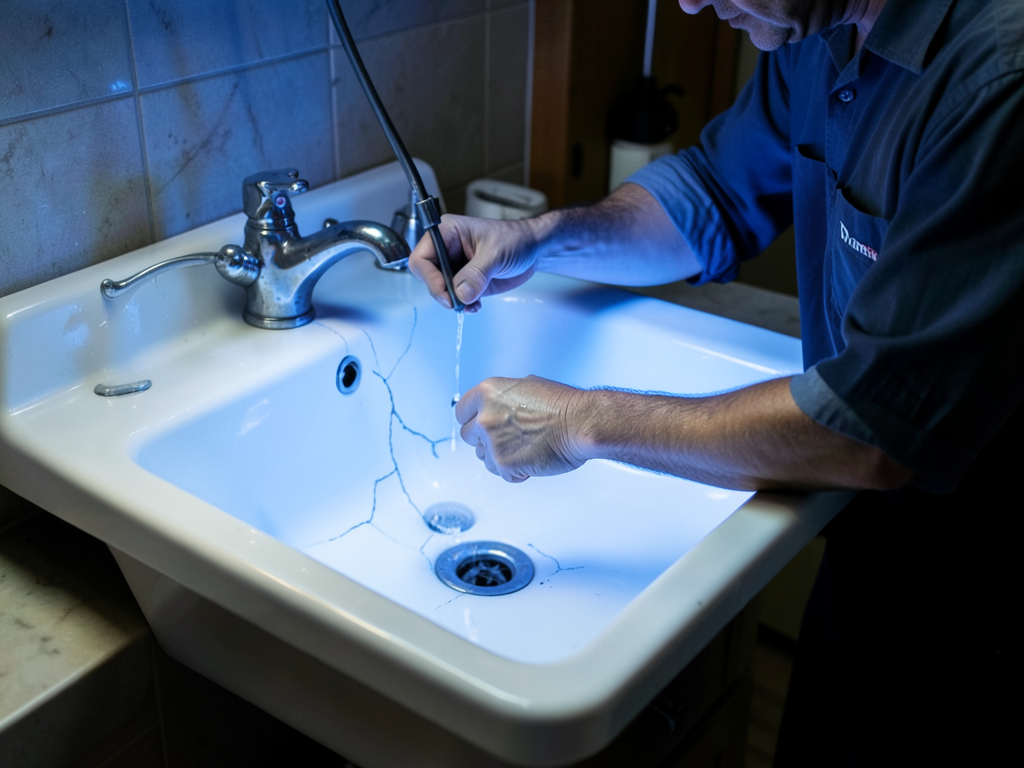
Should You Repair or Replace a Cracked Vintage Sink in Your Historic Beacon Hill Home?

Historic homes in Beacon Hill often feature original porcelain sinks that add irreplaceable character to kitchens and bathrooms. When a…

Why Your High Rise Condo in the Seaport District Still Needs a Pressure Reducing Valve

Why Your High Rise Condo in the Seaport District Still Needs a Pressure Reducing Valve Living in a modern high…

Contact Us

Your kitchen cannot afford downtime. Call Heritage Plumbing Boston at (617) 749-9799 for emergency response or system evaluation. We answer calls directly and dispatch immediately. Protect your revenue with professional commercial kitchen plumbing.