




menu

Water Stains on Ceiling or Walls in Boston – Expert Diagnosis and Permanent Leak Solutions

From tracking hidden plumbing leaks behind century-old plaster to identifying roof failures in triple-deckers, Heritage Plumbing Boston delivers accurate water stain diagnosis and complete source repair for water stains on ceiling or walls.

Slider Image 1
Slider Image 2
Slider Image 3
Slider Image 4
Slider Image 5
Slider Image 7
Slider Image 8
Slider Image 9
Slider Image 10
Slider Image 11

Why Water Stains Keep Appearing in Boston Homes

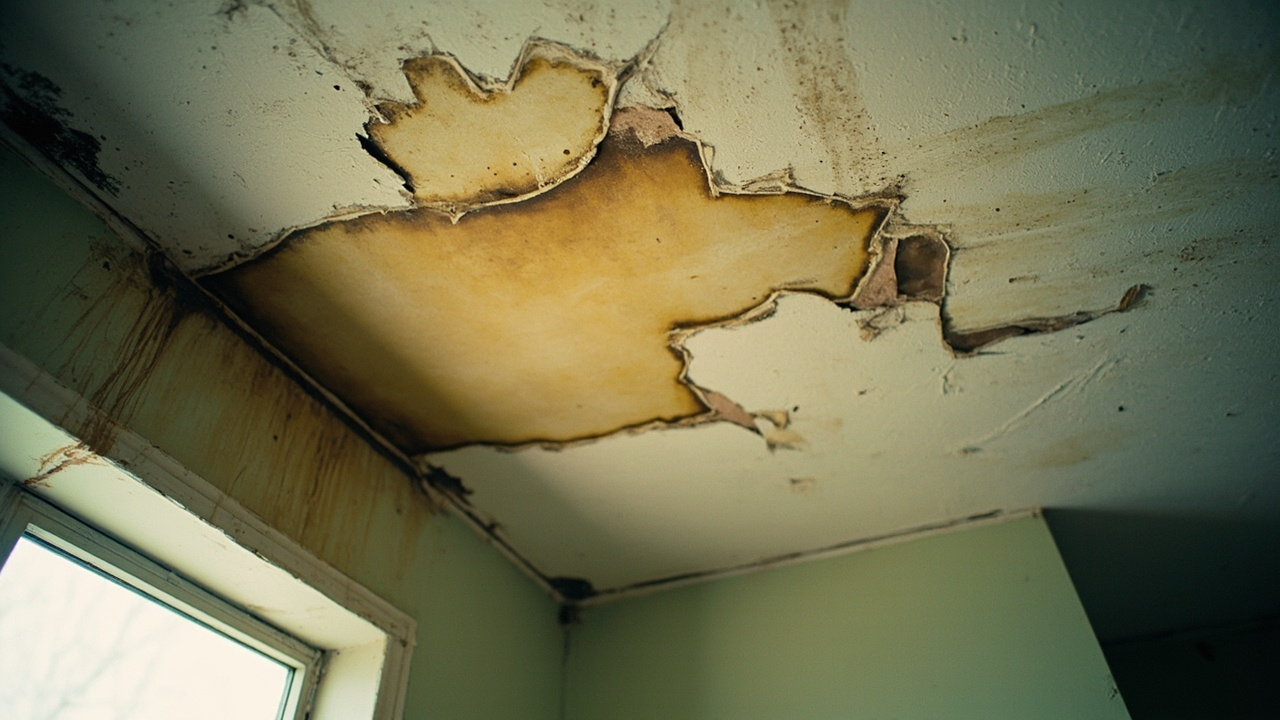
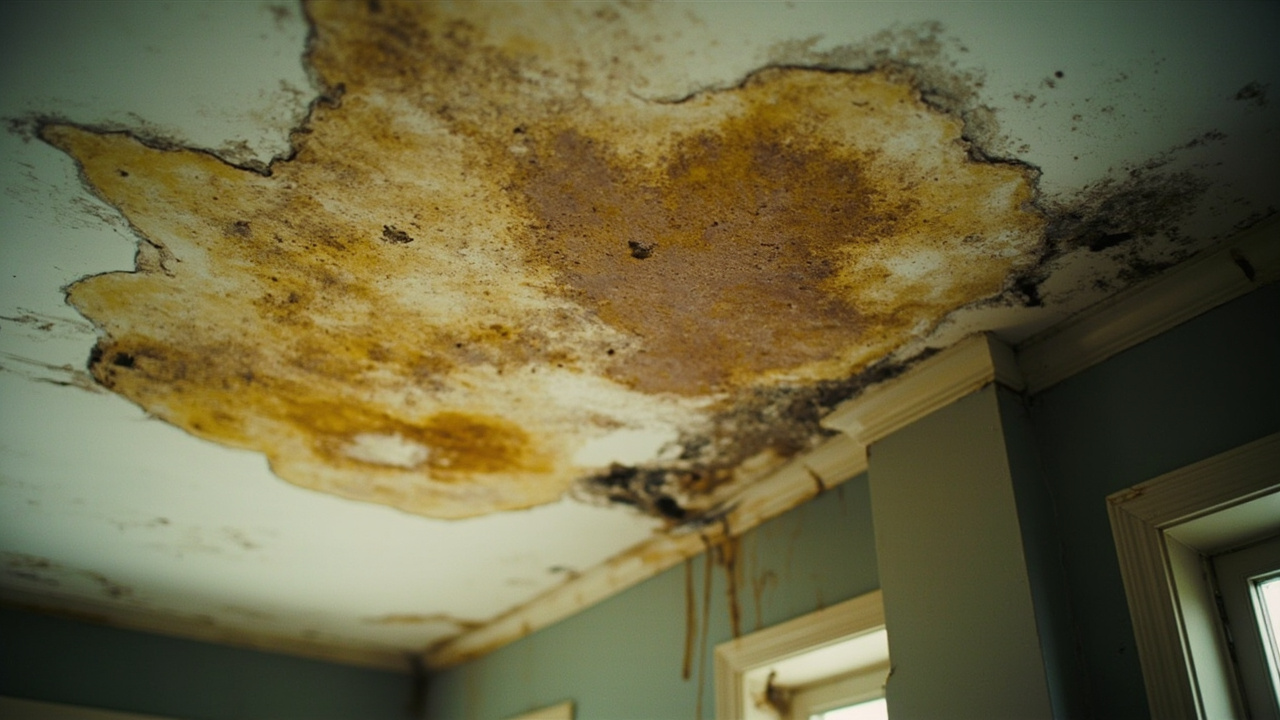
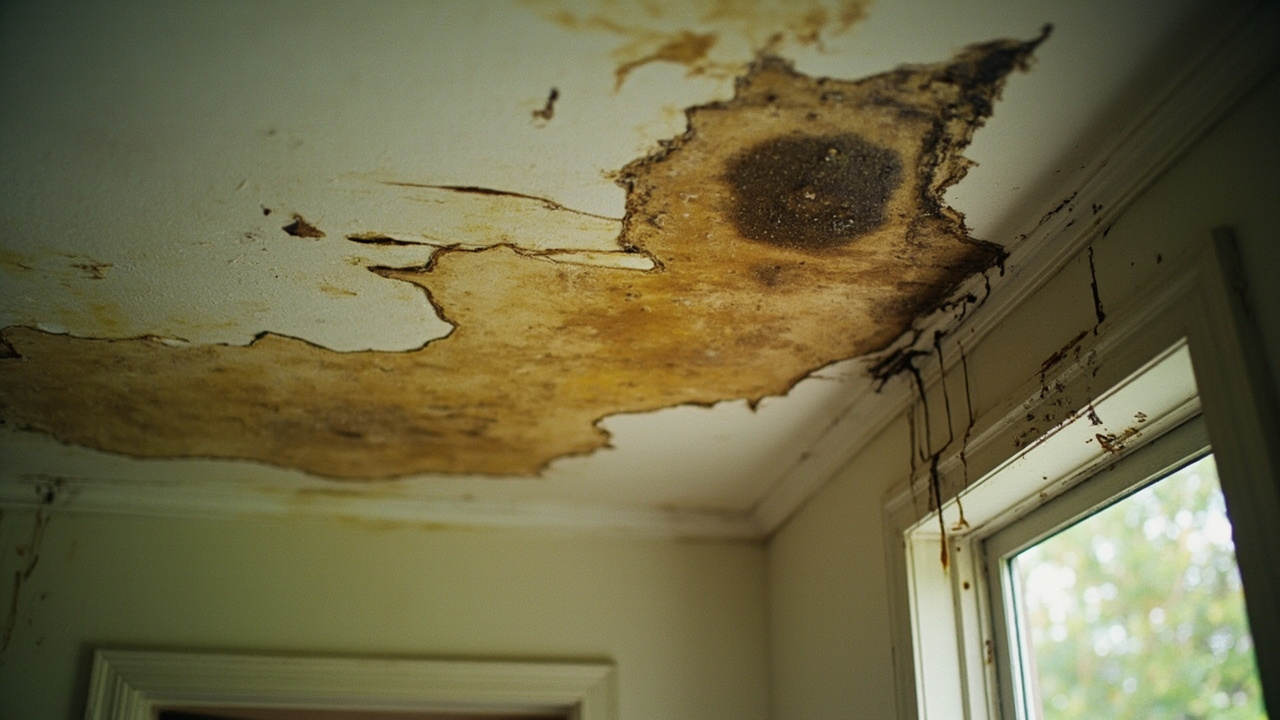
You notice brown spots on ceiling panels in your bedroom. Days later, yellow water marks spread across the dining room wall. The damp patches on walls grow larger after every rainstorm. You wipe them down, paint over them, but ceiling discoloration from leak keeps coming back.

Boston's freeze-thaw cycles create unique plumbing vulnerabilities. When temperatures swing from 15 degrees in January to 50 degrees by afternoon, copper pipes expand and contract inside walls. Joints loosen. Pinhole leaks develop. Water migrates through plaster and lath construction common in Dorchester, Jamaica Plain, and South End row homes. What starts as a drip becomes moisture stains on drywall that telegraph across entire rooms.

Triple-deckers face compounding problems. A second-floor bathroom leak travels down through floor joists into the first-floor ceiling. By the time you see the stain, water has been running for weeks. The source might be a leaking wax ring under a toilet, a cracked shower pan, or corroded galvanized supply lines original to 1920s construction.

Roof valleys collect ice dams during nor'easters. Meltwater backs up under shingles and finds its way through roof decking into attic spaces. You see the ceiling discoloration from leak in your top-floor bedroom, but the actual failure point sits 15 feet away under three feet of snow.

Ignoring water stains invites mold colonization within 48 hours. Structural wood rot follows. What costs $400 to fix today becomes a $4,000 problem next month when ceiling joists need sistering and drywall replacement expands to adjacent rooms.

Why Water Stains Keep Appearing in Boston Homes
How We Find and Fix the Actual Water Source

How We Find and Fix the Actual Water Source

Most contractors slap paint over water stains and call it fixed. We trace water to its origin point using moisture meters, thermal imaging cameras, and 40 years of Boston plumbing experience.

Our technicians start by mapping the stain pattern. Water follows gravity and building framing. A stain near an exterior wall suggests roof penetration or ice dam backup. Stains directly below bathrooms point to fixture leaks or drain failures. Stains that appear after heavy rain indicate exterior water intrusion through failed window flashing or compromised brick mortar joints common in Back Bay brownstones.

We use pin-type moisture meters to measure water content in drywall, plaster, and framing lumber. Readings above 17 percent indicate active moisture. We track readings in a grid pattern to find the highest concentration point, which sits closest to the leak source.

Thermal imaging reveals temperature differentials caused by evaporating water. A ceiling that reads 68 degrees in most areas but shows a 62-degree zone indicates active moisture. We mark these zones and correlate them with plumbing runs, HVAC condensate lines, and roof drainage paths.

For concealed leaks, we perform pressure testing on water supply lines. We isolate sections of piping, charge them to 80 PSI, and monitor for pressure drop. A failing pressure test confirms a leak exists within that zone. We then use acoustic listening devices to pinpoint the exact breach point through walls without demolition.

Once we locate the source, we execute the permanent repair. This might mean replacing a section of corroded copper pipe, rebuilding a shower pan with proper waterproofing membrane, or re-routing a condensate drain that froze and cracked during last winter's cold snap.

What Happens During Your Water Stain Investigation

Water Stains on Ceiling or Walls in Boston – Expert Diagnosis and Permanent Leak Solutions
01

Initial Assessment and Mapping

Our technician photographs all visible stains and documents their size, color, and texture. Brown oxidation stains suggest long-term slow leaks. Yellow water marks indicate recent active water flow. We note stain locations relative to plumbing fixtures, exterior walls, and roof lines. This mapping creates a diagnostic framework that guides our investigation and eliminates guesswork common with rushed evaluations.
02

Moisture Detection and Source Tracking

We measure moisture levels throughout affected areas and adjacent spaces using calibrated meters. Thermal imaging scans reveal hidden wet zones behind finished surfaces. If needed, we access crawl spaces, attics, and wall cavities to inspect plumbing runs and roof structures. For suspected supply line leaks, we perform pressure isolation testing to confirm failures before any demolition occurs, protecting your walls from unnecessary damage.
03

Permanent Repair and Prevention

After locating the exact failure point, we execute the necessary plumbing repair using code-compliant materials and methods. This might involve pipe replacement, fixture resetting, or drain line repair. We verify the fix by running water through the system and monitoring for recurrence. Before closing walls, we document the repair with photos. You receive a detailed report explaining what failed, why it happened, and how to prevent future occurrences.

Why Boston Homeowners Choose Heritage Plumbing for Water Stain Diagnosis

Boston's housing stock predates modern plumbing codes by decades. Your home might have galvanized pipes installed in 1935, copper repiping added in 1978, and PEX repairs from 2015. All three systems interact. All three can fail. Diagnosing water stains requires understanding how these layers work together and where they typically fail.

Heritage Plumbing Boston has serviced homes in Charlestown, Roxbury, Allston, and Cambridge since before the Big Dig reshaped the city. We know the plumbing signatures of different eras. We recognize when a water stain comes from a failing oakum joint in cast iron waste lines versus a crimped PEX connection installed by a handyman. This historical knowledge prevents misdiagnosis and wasted repair dollars.

We work within Boston's strict plumbing codes and permitting requirements. If your repair requires accessing shared plumbing in a condominium building or modifying systems in a landmark district property, we handle the permit applications and inspectional services coordination. You do not navigate City Hall Plaza trying to figure out which department handles your street.

Our trucks stock parts specific to Boston's plumbing ecosystem. We carry repair components for Kohler fixtures common in 1950s Cape Cod homes, replacement cartridges for Moen valves popular in 1980s renovations, and modern PEX fittings for current code-compliant repairs. When we diagnose your leak, we fix it the same day instead of ordering parts and scheduling return visits.

We provide transparent diagnosis reports. You receive photos of the actual failure point, an explanation of why it failed, and a detailed scope of necessary repairs. No upselling. No scare tactics. Just clear information that helps you make informed decisions about your property.

What to Expect When You Call About Water Stains

Response Time and Scheduling

We schedule diagnostic visits within 24 to 48 hours of your call. For active leaks causing ongoing water damage, we offer same-day emergency service. Our technicians arrive in a two-hour window and call 30 minutes before arrival. Diagnostic appointments typically last 60 to 90 minutes depending on your home's size and the complexity of the stain pattern. If we locate the source during this visit, we can often complete repairs immediately if you approve the scope.

Diagnostic Process and Equipment

Our technicians bring moisture meters, thermal cameras, and inspection cameras to every water stain call. We start with visual inspection and progress to instrumental detection as needed. For concealed leaks, we may need to cut small access holes in drywall or remove ceiling panels. We keep demolition minimal and focused. You receive a verbal explanation of findings during the visit and a written report with photos afterward. This documentation proves valuable for insurance claims if your leak caused significant damage.

Repair Quality and Materials

We use copper, PEX, or CPVC materials based on your existing system and local code requirements. All repairs meet or exceed Massachusetts plumbing code standards. Our technicians are licensed journeymen and master plumbers who follow proper soldering techniques, expansion fitting protocols, and pressure testing procedures. Repairs carry our workmanship guarantee. If the same issue recurs due to our work, we return and fix it at no additional cost. Your investment buys permanent solutions, not temporary patches.

Follow-Up and Prevention Guidance

After completing repairs, we monitor the affected area for 24 to 72 hours when possible. For ceiling stains, we recommend waiting two weeks before repainting to confirm the leak has stopped and all moisture has dried. We provide specific guidance on monitoring for recurrence and maintenance steps to prevent future leaks. If your water stains resulted from systemic issues like aging galvanized piping, we discuss whole-home repiping options and create a phased replacement plan that fits your budget and timeline.

Frequently Asked Questions

You Have Questions,
We Have Answers

Why is there a water stain on my ceiling but no leak? +

Old stains can persist after repairs if not properly treated. Condensation from humid Boston summers or cold attic air meeting warm indoor air also leaves marks without active leaks. Ice dams during winter can push moisture through roof sheathing, creating stains that appear later. Check your attic ventilation, especially if you live in an older triple-decker or Victorian. Poor insulation allows warm air to rise and condense on cold surfaces. If the stain is not growing and the ceiling feels dry, it may be residual. Still, a plumber should inspect pipes above the stain to rule out slow seepage.

When to be concerned about water spots on a ceiling? +

Act immediately if the stain is growing, sagging, or feels damp. Water-damaged drywall weakens fast and can collapse. Boston's freeze-thaw cycles worsen hidden pipe cracks. If you smell mold or see discoloration spreading, the leak is active and damaging framing. Concern is highest if the stain appears after rain, snow melt, or during heating season when pipes expand and contract. Even a small stain near bathroom fixtures or radiators signals trouble. Do not wait. Water travels along joists and studs, so visible damage is often smaller than the hidden problem behind the surface.

Why am I getting wet spots on my ceiling? +

Wet spots mean active water intrusion. Common causes include leaking supply lines, drain pipe failures, or roof penetrations failing during Boston rainstorms. If your home has cast iron plumbing common in older Boston neighborhoods, corrosion may be seeping through. Bathroom or kitchen fixtures above the stain are usual suspects. Check for recent heavy rain or ice dam formation on your roof. Flat roofs on triple-deckers are notorious for ponding water. If the wet spot grows after you run water upstairs, the source is plumbing. If it grows during storms, the roof or flashing is compromised.

How to find source of water stain on ceiling? +

Start directly above the stain in the attic or upper floor. Water travels along joists and pipes, so the source may be feet away from the visible damage. Look for wet insulation, darkened wood, or dripping. In multi-family Boston buildings, check if an upstairs neighbor has had plumbing issues. Use a moisture meter to trace damp areas along framing. If the attic is dry, inspect all plumbing fixtures and supply lines on the floor above. Check HVAC condensate lines if you have central air. Sometimes roof flashing around chimneys or vent stacks fails during nor'easters, letting water in far from the visible stain.

How to tell if water is leaking in the ceiling? +

Press the stained area gently. If it feels soft, spongy, or wet, water is actively leaking. Look for paint bubbling, peeling, or discoloration spreading outward. Listen for dripping sounds during quiet hours. If the stain is dark brown or yellow, it has been wet repeatedly. Check if the stain grows after heavy rain or snowmelt, common with Boston's rapid weather shifts. Shine a flashlight at an angle across the ceiling to reveal sagging or bulging, signs that drywall is saturated. If you smell mustiness, water has soaked the insulation and framing behind the surface.

Does a water stain on the ceiling mean mold? +

Not always, but water stains create ideal conditions for mold. If the leak was brief and dried quickly, mold may not develop. However, Boston's humid summers accelerate mold growth. If the stain is more than 48 hours old and the area stayed damp, assume mold is growing behind the surface. Look for black, green, or fuzzy patches spreading from the stain. Smell is a strong indicator. Musty odors mean mold colonies are established. Older homes with poor ventilation are at higher risk. A plumber or mold specialist should inspect behind the drywall to assess the full extent before repairs begin.

How to tell if water is leaking behind a wall? +

Check for paint bubbling, peeling wallpaper, or soft drywall. Water behind walls often causes baseboards to warp or discolor. You may smell mold before seeing visible damage. Listen for dripping or running water when fixtures are off. In Boston's older brick buildings, efflorescence (white chalky deposits) signals moisture intrusion. Use a moisture meter along the wall to detect hidden dampness. Water stains may appear on lower floors while the source is higher up. If walls feel cool or damp to the touch, water is trapped inside. Inspect around windows, exterior walls, and near plumbing chases first.

What are the warning signs of ceiling collapse? +

Sagging or bulging sections are critical red flags. If the ceiling bows more than half an inch or cracks radiate from the stain, the structure is compromised. Water-soaked drywall loses integrity fast, especially in Boston's older homes with plaster and lath. Listen for cracking or popping sounds. If chunks of plaster or drywall fall, evacuate the area immediately. Discoloration spreading rapidly or visible dripping means the ceiling is saturated. Do not enter the room if you see a pronounced sag. The weight of trapped water can bring down framing, insulation, and fixtures. Call a plumber and structural inspector immediately.

Who should I call for a water stain in my ceiling? +

A licensed plumber should inspect ceiling water stains first to rule out pipe failures or fixture leaks. If the issue traces to the roof, you need a roofing contractor familiar with Boston's flat roofs and ice dam problems. For complex issues involving structural damage, bring in a general contractor or water damage restoration specialist. Do not attempt DIY fixes if mold is present or the ceiling feels soft. Many Boston triple-deckers and older homes require specialists experienced with cast iron plumbing and antique framing. Start with a plumber to diagnose the source, then coordinate repairs with the right trade based on findings.

What are signs of a serious ceiling issue? +

Sagging, cracks wider than a quarter inch, or sections pulling away from joists are serious. If the stain grows despite repairs, the leak was not fully addressed or a new failure occurred. Multiple stains across a ceiling suggest widespread roof damage or plumbing failure. Water pooling on the floor below or dripping steadily means the ceiling is saturated and may collapse. In Boston's older homes, cracking plaster with exposed lath indicates structural stress. If you see daylight through the ceiling or attic floor, the roof deck is compromised. Any sign of active collapse requires immediate evacuation and professional assessment.

How Boston's Old Housing Stock Complicates Water Stain Diagnosis

Boston contains over 65,000 residential structures built before 1940. These homes feature plaster over wood lath, multi-wythe brick exterior walls, and plumbing systems that have been modified across eight decades. When water leaks inside these walls, it travels unpredictable paths. A roof leak in a third-floor dormer can appear as a brown spot on the first-floor ceiling because water followed electrical conduit runs and floor joist bays. Thermal imaging and moisture mapping become critical diagnostic tools when traditional visual inspection fails to reveal source points hidden behind century-old construction.

Plumbing repairs in Boston require navigating complex permit requirements and inspection protocols. Work on properties within Beacon Hill, South End, or Bay Village historic districts demands additional approvals. Condominium buildings need trustee notification and sometimes special permission for accessing common plumbing chases. Heritage Plumbing Boston maintains relationships with local building departments and understands which repairs require permits versus routine maintenance exemptions. This local knowledge prevents project delays and ensures your water stain repair complies with all municipal requirements from initial diagnosis through final inspection.
Plumbing Services in The Boston Area

Heritage Plumbing proudly serves Boston and its surrounding areas. Our central location allows us to respond quickly to service calls across residential neighborhoods, business districts, and historic zones alike. Whether you’re downtown or in the suburbs, our local knowledge and flexible scheduling ensure a seamless service experience. Use the map below to find our office, service radius, and contact points — and don’t hesitate to reach out for availability in your area.

Address:
Heritage Plumbing Boston, 75 Arlington St, Boston, MA, 02116

Additional Services We Offer

Our news updates

Latest Articles & News from The Blogs

Understanding Local Rules for Sump Pump Discharge into Medford Storm Drains Medford homeowners face strict regulations about where sump pump…

Understanding Local Rules for Sump Pump Discharge into Medford Storm Drains

Understanding Local Rules for Sump Pump Discharge into Medford Storm Drains Medford homeowners face strict regulations about where sump pump…

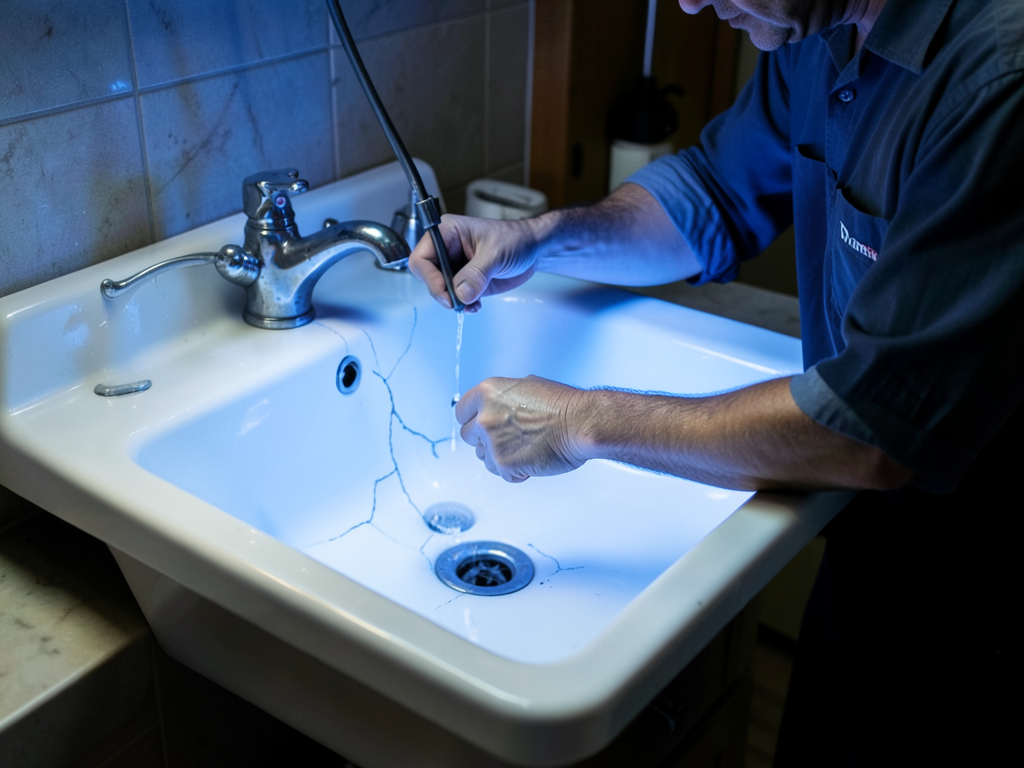
Should You Repair or Replace a Cracked Vintage Sink in Your Historic Beacon Hill Home?

Historic homes in Beacon Hill often feature original porcelain sinks that add irreplaceable character to kitchens and bathrooms. When a…

Why Your High Rise Condo in the Seaport District Still Needs a Pressure Reducing Valve

Why Your High Rise Condo in the Seaport District Still Needs a Pressure Reducing Valve Living in a modern high…

Contact Us

Water stains grow worse every day you wait. Call Heritage Plumbing Boston at (617) 749-9799 for accurate leak detection and permanent repair. We find the source, fix it right, and document everything for your records.