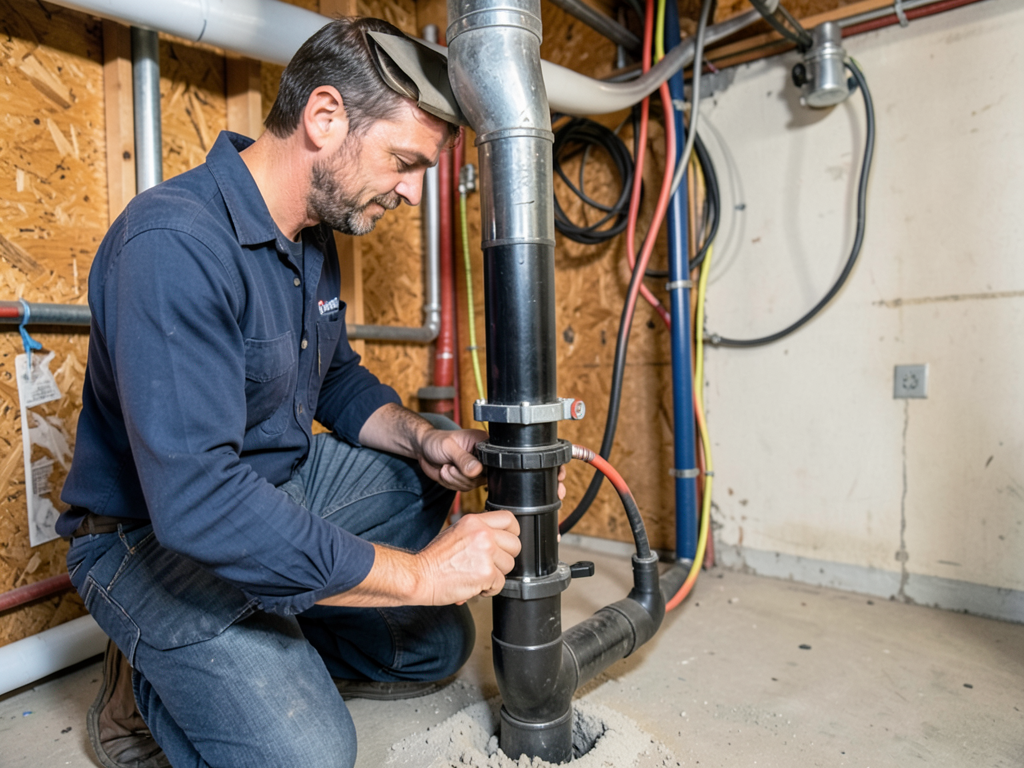







Boston receives water from the Quabbin and Wachusett reservoirs, which contain high mineral content. This hard water leaves calcium and lime deposits inside fill valves and flush mechanisms. Over time, these deposits restrict water flow and cause running toilet repair issues that waste hundreds of gallons monthly. Older neighborhoods like Charlestown and East Boston also feature cast iron drain lines installed before 1960. These lines corrode internally and narrow the drain path, causing slow flushes and chronic clogs. New toilet installation with low-flow fixtures often worsens drainage problems in homes with undersized or deteriorating drain pipes. Heritage Plumbing Boston evaluates your entire drainage system during toilet replacement services to ensure the new fixture performs correctly with your existing infrastructure.
Massachusetts Plumbing Code requires specific fixture unit calculations and venting standards for toilet installations. Many Boston properties were built before these codes existed, which means adding or replacing fixtures sometimes triggers upgrade requirements. Heritage Plumbing Boston stays current with local code amendments and works directly with the city's Inspectional Services Department to ensure compliance. Our familiarity with Boston's permitting process prevents delays and failed inspections. Property owners throughout Suffolk County trust us because we understand how local regulations interact with historic building preservation requirements. When you need leaking toilet repair or new toilet installation in a landmarked district, we navigate the approval process efficiently while maintaining the integrity of your property.