



menu

Commercial Plumbing Contractors in Boston – Industrial-Grade Solutions That Keep Your Business Running

Heritage Plumbing Boston delivers comprehensive commercial plumbing services engineered to minimize operational downtime, ensure code compliance, and protect your bottom line across industrial facilities, office buildings, and multi-unit properties throughout the greater Boston metro.

Slider Image 1
Slider Image 2
Slider Image 3
Slider Image 4
Slider Image 5
Slider Image 7
Slider Image 8
Slider Image 9
Slider Image 10
Slider Image 11

Why Boston Commercial Properties Demand Specialized Plumbing Infrastructure

Boston's aging infrastructure and harsh seasonal temperature swings create unique vulnerabilities for commercial properties. Freeze-thaw cycles stress cast iron waste lines common in older buildings across the Financial District and Seaport. Underground pipe networks corrode faster due to salt intrusion from winter road treatments seeping into the water table. Properties built before 1980 in areas like Back Bay and Beacon Hill often contain galvanized steel supply lines now approaching end-of-life.

Commercial plumbing firms serving Boston must understand the building stock. Most commercial structures here were constructed during distinct eras, each with different plumbing specifications. Buildings from the 1920s rely on different valve assemblies than structures erected during the 1970s construction boom. When a main line fails during business hours, you cannot afford a contractor unfamiliar with these systems.

Commercial plumbing contractors face additional complexity in Boston due to stringent Massachusetts Plumbing Code requirements and local amendments enforced by the Inspectional Services Department. Water efficiency mandates, backflow prevention standards, and grease interceptor regulations carry financial penalties for non-compliance. Commercial plumbers must navigate permit requirements that vary between the core city and surrounding municipalities.

Industrial plumbing contractors working in Boston also contend with limited access windows. Retail spaces in Downtown Crossing, restaurants in the North End, and medical facilities in Longwood Medical Area cannot shut down for multi-day repairs. Commercial plumbing services must be executed with surgical precision to maintain business continuity. The cost of downtime often exceeds the repair cost itself, making speed and accuracy non-negotiable.

Your facility's plumbing infrastructure represents a significant capital investment. Protecting it requires commercial plumbing companies with verifiable experience in high-stakes environments where failure is not an option.

Why Boston Commercial Properties Demand Specialized Plumbing Infrastructure
How Professional Commercial Plumbing Services Protect Your Operations

How Professional Commercial Plumbing Services Protect Your Operations

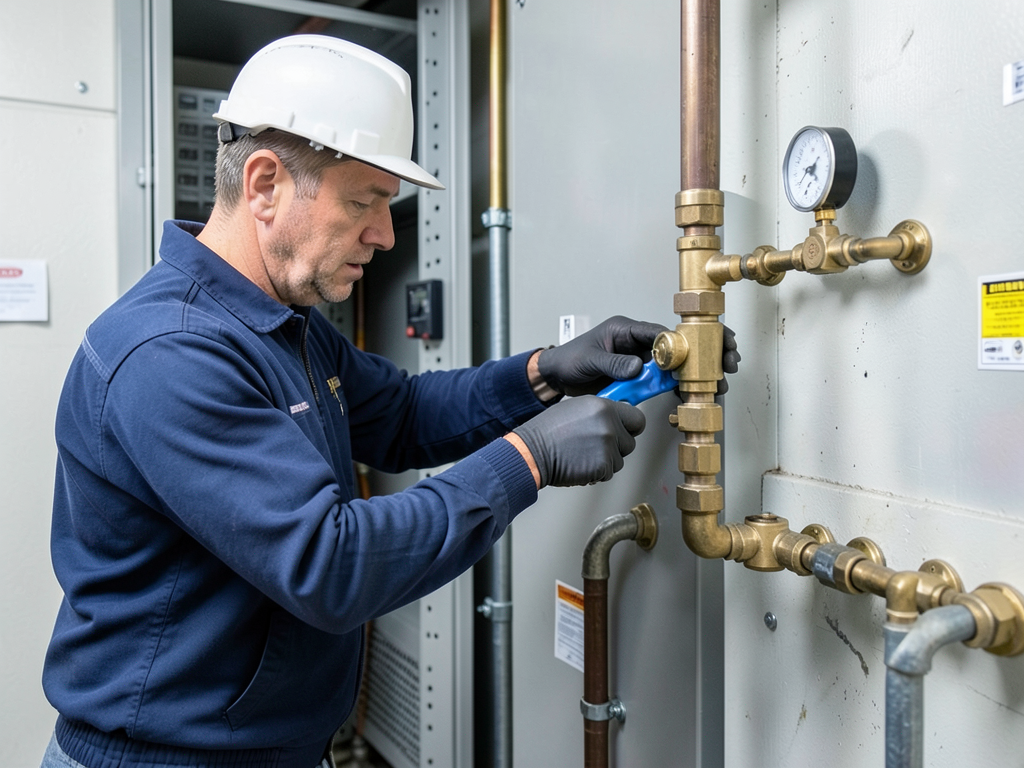
Commercial plumbing contractors approach system failures differently than residential providers. We perform pressure testing across entire zones to isolate weaknesses before they cascade into full shutdowns. Hydrostatic testing reveals micro-fractures in copper supply lines and pinhole leaks in branch lines that visual inspection misses. This diagnostic rigor prevents the scenario where fixing one leak simply transfers stress to the next weak point.

For commercial properties, we map your entire plumbing system using digital documentation. This includes riser diagrams, shut-off valve locations, and equipment specifications. When a crisis occurs at 2 a.m., you need immediate access to this information. Industrial plumbing contractors maintain these records as part of ongoing service agreements, eliminating the time wasted hunting for main shut-offs while water damages inventory.

Material selection for commercial applications differs fundamentally from residential work. We spec components based on duty cycle and flow demands. A restaurant grease trap requires different engineering than a medical office backflow preventer. Commercial plumbing services include load calculations to ensure your system handles peak demand without pressure drops that disrupt operations.

Code compliance documentation is built into every project phase. Commercial plumbing firms must provide stamped drawings for permit applications, coordinate inspections with city officials, and deliver closeout documentation for your facility records. This paper trail protects you during audits and proves due diligence if liability questions arise.

We also perform preventive maintenance that extends system lifespan. Descaling water heaters, flushing sediment from boilers, and testing pressure-reducing valves prevents emergency failures. Commercial plumbers treat your infrastructure as a managed asset rather than responding only when something breaks. This approach reduces total cost of ownership while maintaining uptime.

What Happens When You Engage Heritage Plumbing Boston for Commercial Work

Commercial Plumbing Contractors in Boston – Industrial-Grade Solutions That Keep Your Business Running
01

Site Assessment and Risk Analysis

We conduct a comprehensive facility walk-through to identify critical systems and potential failure points. This includes evaluating water service entry, main distribution lines, drainage capacity, and fixture conditions. We photograph existing conditions, test water pressure at multiple points, and document any code violations. You receive a prioritized report ranking issues by urgency and business impact, allowing you to make informed capital planning decisions.
02

Engineered Solution Development

Based on assessment findings, we design solutions that match your operational constraints. This includes material specifications, work sequencing to minimize disruption, and contingency planning for discovered conditions. For complex projects, we provide CAD drawings and coordinate with your facility management team to schedule work during low-occupancy periods. We obtain all required permits and schedule inspections before mobilizing crews, eliminating delays that extend your downtime window.
03

Execution and System Validation

Our crews execute work according to the approved plan, with real-time communication to your designated contact. We perform pressure testing, flow verification, and function checks on all affected systems before restoring service. You receive as-built documentation, warranty information, and a maintenance schedule. We also provide training to your facilities staff on new equipment operation and emergency shut-off procedures, ensuring your team can respond effectively to future issues.

Why Boston Businesses Choose Heritage Plumbing for Commercial Projects

Heritage Plumbing Boston maintains relationships with the Inspectional Services Department across Boston and surrounding municipalities. We understand local interpretation of state plumbing codes, which vary between jurisdictions. An approach that passes inspection in Cambridge may face rejection in Brookline. This knowledge prevents costly re-work and schedule delays that impact your operations.

Our experience with Boston's building stock matters when diagnosing problems. We have worked on properties from the 1800s through modern construction. We know which buildings used lead service lines, where asbestos insulation appears on pipes, and how original plumbing layouts were configured. This historical knowledge accelerates troubleshooting and prevents damage to surrounding building systems during invasive repairs.

We also understand the operational tempo of different business types. Restaurants cannot afford kitchen downtime during service hours. Medical facilities require infection control protocols during plumbing work. Retail spaces need repairs completed before opening. Industrial plumbing contractors must adapt methodology to your operational reality rather than forcing you to adapt to our schedule.

Our equipment inventory supports commercial-scale work. We stock large-diameter pipe, high-capacity water heaters, commercial-grade fixtures, and specialized tools for jobs that residential trucks cannot handle. This eliminates delays waiting for special orders when your facility needs immediate repairs.

Commercial plumbing companies must also carry adequate liability coverage for the higher-value projects and greater risk exposure in commercial settings. We maintain coverage limits appropriate for multi-million dollar properties and provide certificates of insurance as required by your lease agreements or management contracts.

Local commercial plumbing services also mean faster response when emergencies occur. Our trucks stage throughout the Boston metro area, allowing rapid deployment. When a pipe bursts at your facility, every minute counts. Distance matters when water is flooding your electrical room or damaging tenant improvements.

What to Expect When Working with Commercial Plumbing Contractors

Response Time and Availability

Commercial plumbing contractors operate on your schedule, not standard business hours. We provide emergency response capability 365 days per year. For scheduled maintenance or planned upgrades, we coordinate timing to match your operational constraints. Night and weekend work is standard for projects that cannot disrupt daily business. You also receive a dedicated project contact who understands your facility and can make decisions without routing every question through multiple management layers. This streamlined communication reduces delays and keeps projects on schedule.

Initial Evaluation Process

The assessment phase examines your entire plumbing infrastructure, not just the immediate problem. We test water pressure, inspect accessible piping, evaluate fixture conditions, and review maintenance history. For larger facilities, this includes thermal imaging to detect hidden leaks and pipe camera inspection of drain lines. You receive a written report with findings, recommended actions, and budget estimates for both immediate repairs and long-term improvements. This comprehensive evaluation prevents surprises and allows proper capital planning for system upgrades your facility will eventually require.

Quality of Final Outcome

Completed work meets or exceeds code requirements with materials specified for commercial duty cycles. All installations include proper labeling, access panels for future service, and documentation for your facility records. We perform pressure testing and flow verification before considering any project complete. For drain work, we video-inspect lines post-repair to confirm proper function and document baseline conditions. You receive warranties on both labor and materials, with clear terms about coverage and how to request service if issues arise. Work areas are left clean and ready for immediate use.

Ongoing Maintenance Programs

Commercial plumbing services extend beyond reactive repairs. We offer scheduled maintenance agreements that include regular inspections, preventive servicing, and priority emergency response. These programs catch problems early when repairs are simpler and less expensive. Maintenance visits include testing pressure-reducing valves, inspecting backflow preventers, flushing water heaters, and checking for signs of developing issues. You receive detailed reports after each visit documenting system condition and upcoming service needs. This proactive approach reduces emergency callouts and extends equipment lifespan, lowering your total facilities cost over time.

Frequently Asked Questions

You Have Questions,
We Have Answers

What type of plumber makes the most money? +

Commercial plumbers specializing in large-scale industrial projects and complex mechanical systems earn the highest income. Those who work on hospitals, biotech facilities, and high-rise buildings in Boston command premium rates due to specialized knowledge of medical gas systems, backflow prevention, and code compliance. Master plumbers who manage multi-building projects or serve as project supervisors for municipal infrastructure upgrades also rank at the top. Specialization in areas like hydronics, process piping, or fire suppression systems increases earning potential significantly compared to generalist work.

How much does commercial plumbing cost per square foot? +

Commercial plumbing costs vary widely based on building type and system complexity. Office buildings typically range from different cost tiers, while restaurants and medical facilities require more intensive plumbing infrastructure. In Boston, union labor rates, permit requirements, and strict code enforcement affect total project costs. Retrofit projects in older buildings often cost more due to access challenges and code upgrades. Multi-story buildings increase material and labor expenses. Request itemized project estimates that account for fixture count, pipe sizing, and backflow prevention requirements specific to your building use.

Do commercial plumbers make more than residential plumbers? +

Yes, commercial plumbers typically earn more than residential plumbers due to project scale and complexity. Commercial work requires specialized training in large-diameter piping, commercial grade fixtures, and multi-unit systems. Boston commercial projects demand knowledge of BOCA codes, fire suppression integration, and ADA compliance. Commercial plumbers often work on prevailing wage projects, which increases compensation. They handle higher liability projects involving business continuity and larger crew coordination. The skillset required for hospitals, universities, and municipal buildings commands higher rates than single-family residential service work.

What is a commercial plumber called? +

A commercial plumber is still called a plumber, but often holds specialized certifications beyond standard journeyman licensing. In Massachusetts, commercial plumbers typically hold a master plumber license and additional credentials in backflow prevention, medical gas systems, or fire suppression. They may also be called industrial plumbers, mechanical contractors, or pipefitters depending on specialization. On large projects in Boston, they work under the commercial mechanical contractor designation. The title reflects their scope of work rather than a different trade classification. Licensing requirements remain under state plumbing board jurisdiction.

Can a plumber make $100,000 a year? +

Yes, experienced commercial plumbers in Boston frequently earn over $100,000 annually. Master plumbers who run service divisions, manage large commercial accounts, or supervise multi-site projects exceed this threshold. Prevailing wage work on public projects in Massachusetts significantly boosts earning potential. Plumbers with specialized certifications in medical gas, process piping, or industrial systems command premium rates. Those who operate their own commercial plumbing contracting businesses often exceed this figure through project management and crew supervision. Overtime on emergency commercial service calls and winter freeze responses add substantial income.

What is the richest plumber? +

Wealth among plumbers varies, but business owners who scaled commercial plumbing contracting firms generate the highest net worth. Success comes from securing municipal contracts, institutional accounts, and recurring maintenance agreements rather than individual service work. In Boston, firms that specialize in hospital work, university campus plumbing, or large property management portfolios build substantial enterprise value. Individual plumber wealth is not publicly tracked. The question conflates trade skill with business success. Building a sustainable commercial plumbing operation with strong client relationships and trained crews creates long-term financial stability.

How much does a 20x20 master suite addition cost? +

This question addresses general construction costs, not commercial plumbing services. A master suite addition involves residential renovation work outside the scope of commercial plumbing contractors. If you operate a multi-unit building in Boston and need plumbing infrastructure for new residential units, commercial plumbers handle supply lines, waste systems, and code-compliant rough-in work. Costs depend on existing building infrastructure, pipe routing complexity, and fixture specifications. For commercial property additions, focus on per-fixture costs and system capacity rather than square footage alone.

How much is plumbing for a 3,000 sq ft house? +

This question pertains to residential plumbing, not commercial systems. A 3,000 square foot house falls under residential construction parameters. Commercial plumbing contractors in Boston focus on multi-unit buildings, office spaces, retail establishments, restaurants, and institutional facilities. If you are developing a multi-family property or mixed-use building, commercial plumbers calculate costs based on fixture count, riser diagrams, water service sizing, and waste system capacity rather than residential square footage models. Commercial projects require different materials, code compliance, and installation methods than single-family homes.

What is the cost of 1000 sq ft? +

Square footage alone does not determine commercial plumbing costs. Commercial projects price based on fixture units, occupancy load, building use type, and system complexity. A 1,000 square foot medical office requires far more plumbing infrastructure than a 1,000 square foot storage space. Boston code requirements mandate specific fixture counts based on occupancy classifications. Water service sizing, backflow prevention, and waste system capacity depend on use type rather than floor area. Focus on fixture schedules, ADA compliance, and building occupancy class when budgeting commercial plumbing work.

What is the hardest trade to get into? +

Commercial plumbing ranks among the most challenging trades to enter due to lengthy apprenticeship requirements, extensive code knowledge, and physical demands. Massachusetts requires thousands of documented work hours before journeyman testing. Learning commercial systems, blueprint reading, and hydraulic calculations takes years. Boston projects demand understanding of historical building constraints, union regulations, and complex permitting processes. The barrier to entry protects public safety and ensures qualified professionals handle pressurized water systems and waste infrastructure. However, those who complete training access stable employment and strong earning potential throughout their careers.

How Boston's Infrastructure Age and Seasonal Extremes Impact Commercial Plumbing Systems

Boston's position as one of America's oldest cities means commercial plumbing contractors regularly encounter infrastructure challenges unique to aged urban environments. Underground service lines in areas like the Financial District and Back Bay often date to the early 1900s. These cast iron and galvanized steel pipes experience accelerated corrosion from salt infiltration during winter months when road treatment chemicals permeate groundwater. Temperature swings from below-zero winters to humid summers also stress pipe joints and fittings, creating failure points that manifest during peak demand periods. Commercial plumbing firms working in Boston must understand these environmental stressors and how they interact with different building eras and construction methods to provide effective long-term solutions rather than temporary patches.

Massachusetts enforces some of the nation's strictest plumbing codes, with additional amendments at the municipal level. Commercial properties in Boston must comply with water efficiency standards, backflow prevention requirements, and cross-connection control programs that exceed federal minimums. Industrial plumbing contractors need current knowledge of Inspectional Services Department procedures, permit requirements, and inspection protocols specific to Boston. Work performed without proper permits or by unlicensed contractors creates liability exposure for property owners and can complicate insurance claims if water damage occurs. Choosing commercial plumbing companies with documented experience navigating Boston's regulatory environment protects your investment and ensures work meets all legal requirements.
Plumbing Services in The Boston Area

Heritage Plumbing proudly serves Boston and its surrounding areas. Our central location allows us to respond quickly to service calls across residential neighborhoods, business districts, and historic zones alike. Whether you’re downtown or in the suburbs, our local knowledge and flexible scheduling ensure a seamless service experience. Use the map below to find our office, service radius, and contact points — and don’t hesitate to reach out for availability in your area.

Address:
Heritage Plumbing Boston, 75 Arlington St, Boston, MA, 02116

Additional Services We Offer

Our news updates

Latest Articles & News from The Blogs

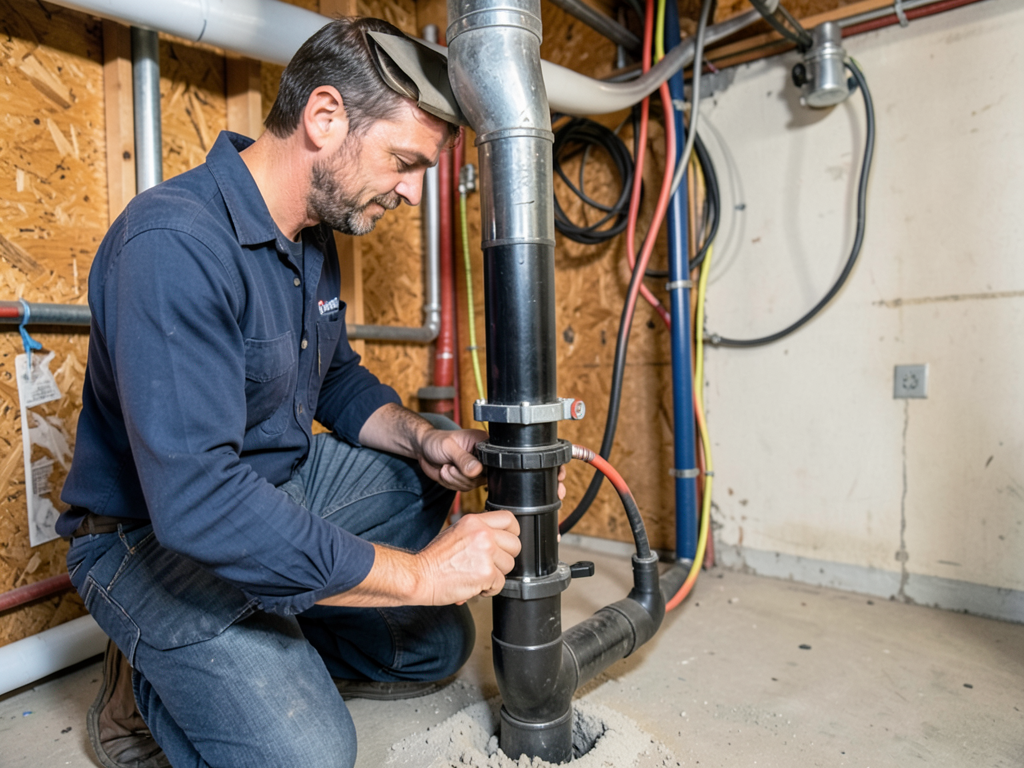
Understanding Local Rules for Sump Pump Discharge into Medford Storm Drains Medford homeowners face strict regulations about where sump pump…

Understanding Local Rules for Sump Pump Discharge into Medford Storm Drains

Understanding Local Rules for Sump Pump Discharge into Medford Storm Drains Medford homeowners face strict regulations about where sump pump…

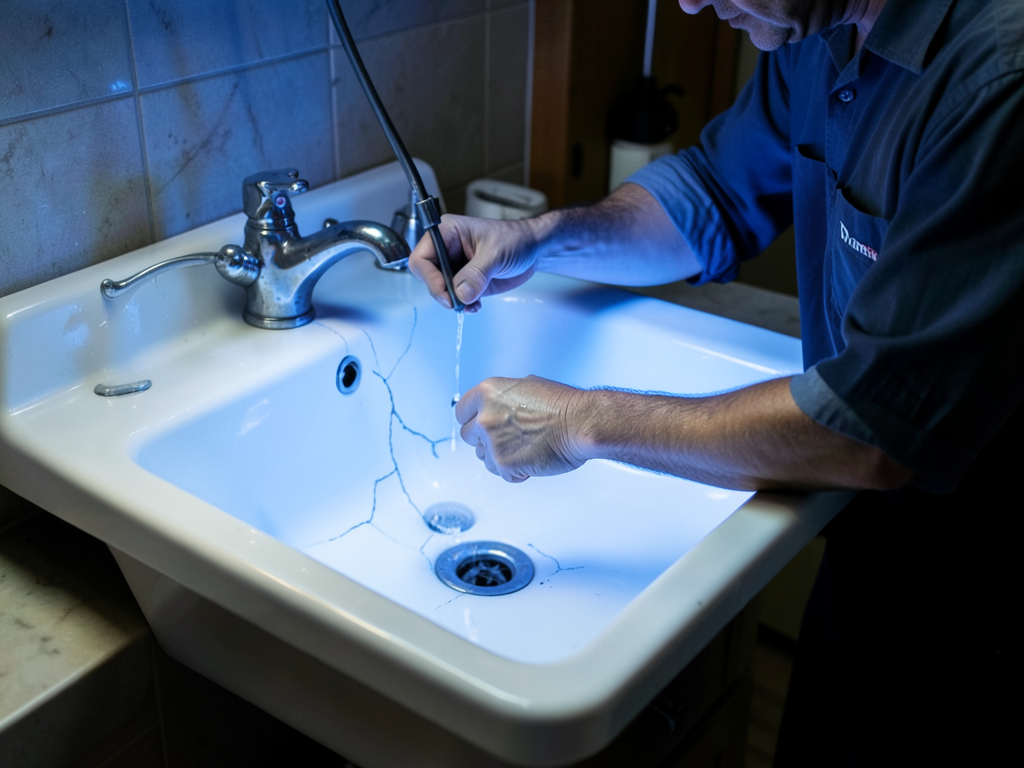
Should You Repair or Replace a Cracked Vintage Sink in Your Historic Beacon Hill Home?

Historic homes in Beacon Hill often feature original porcelain sinks that add irreplaceable character to kitchens and bathrooms. When a…

Why Your High Rise Condo in the Seaport District Still Needs a Pressure Reducing Valve

Why Your High Rise Condo in the Seaport District Still Needs a Pressure Reducing Valve Living in a modern high…

Contact Us

Plumbing failures cost you revenue every hour they persist. Heritage Plumbing Boston responds immediately to commercial emergencies and provides scheduled service that fits your operational requirements. Contact us at (617) 749-9799 for rapid response or to schedule a facility assessment.