



menu

Commercial Repiping Services in Boston – Minimize Downtime and Keep Your Operations Running

When aging pipes threaten your business, Heritage Plumbing Boston delivers industrial-grade commercial repiping services designed to preserve business continuity, meet Massachusetts state code, and ensure your facility stays operational while we work.

Slider Image 1
Slider Image 2
Slider Image 3
Slider Image 4
Slider Image 5
Slider Image 7
Slider Image 8
Slider Image 9
Slider Image 10
Slider Image 11

Why Boston Commercial Buildings Face Accelerated Pipe Deterioration

Boston's freeze-thaw cycles place extraordinary stress on commercial plumbing systems. When temperatures swing from below freezing to above 40 degrees within hours, the expansion and contraction of water inside pipes causes micro-fractures in galvanized steel and copper joints. Over decades, these fractures accumulate. Add the high mineral content in Boston's municipal water supply, and you have a corrosion accelerator working against every building in the metro area.

Commercial buildings face unique pressures. Multi-story structures require higher water pressure to reach upper floors, which stresses older pipe walls. High-rise buildings in the Financial District and converted industrial spaces in the Seaport routinely experience pinhole leaks, pressure drops, and discolored water. When a pipe fails in a retail space or office building, you lose revenue. When it fails in a restaurant or medical facility, you risk closure.

Commercial pipe replacement is not a maintenance task you can defer. The cost of emergency shutdowns, water damage to inventory, and tenant displacement exceeds the cost of scheduled industrial repiping services. Boston's aging commercial infrastructure, much of it built between 1920 and 1970, was not designed for modern flow demands or the chemical composition of today's water treatment processes. If your building is over 40 years old and still running original galvanized or early copper systems, you are operating on borrowed time.

Business pipe replacement requires coordination, planning, and execution that does not disrupt cash flow. That is where commercial building repiping becomes a calculated investment in operational stability.

Why Boston Commercial Buildings Face Accelerated Pipe Deterioration
How Commercial Plumbing Repipe Projects Protect Your Bottom Line

How Commercial Plumbing Repipe Projects Protect Your Bottom Line

A commercial plumbing repipe is not a residential project scaled up. The scope, materials, and execution differ entirely. We start with a comprehensive pressure test and flow analysis across all zones in your building. This diagnostic phase identifies which risers, branch lines, and distribution manifolds require replacement and which sections can remain in service. You do not pay to replace functional pipe.

We use cross-linked polyethylene pipe and copper Type L for commercial installations, selected based on load requirements, occupancy type, and Massachusetts plumbing code 248 CMR. PEX offers flexibility for tight mechanical chases and reduces labor time, which translates to lower project costs and faster turnaround. Copper provides the durability required for high-pressure zones and fire suppression tie-ins.

Phased installation is standard for occupied buildings. We isolate sections of your building, complete the repipe, pressure test, and restore service before moving to the next zone. This approach allows you to maintain partial operations during construction. For restaurants, we schedule work during closed hours. For office buildings, we work floor by floor to avoid total shutdowns.

Every connection is pressure-tested to 150 PSI, double the operating pressure of most commercial systems. We document every test, provide as-built drawings, and coordinate inspections with the Boston Inspectional Services Department. You receive a complete record of materials, installation dates, and compliance documentation. This is not a patch job. This is a full-system replacement engineered to last 50 years.

How Commercial Repiping Projects Are Executed in Boston

Commercial Repiping Services in Boston – Minimize Downtime and Keep Your Operations Running
01

Site Assessment and Isolation

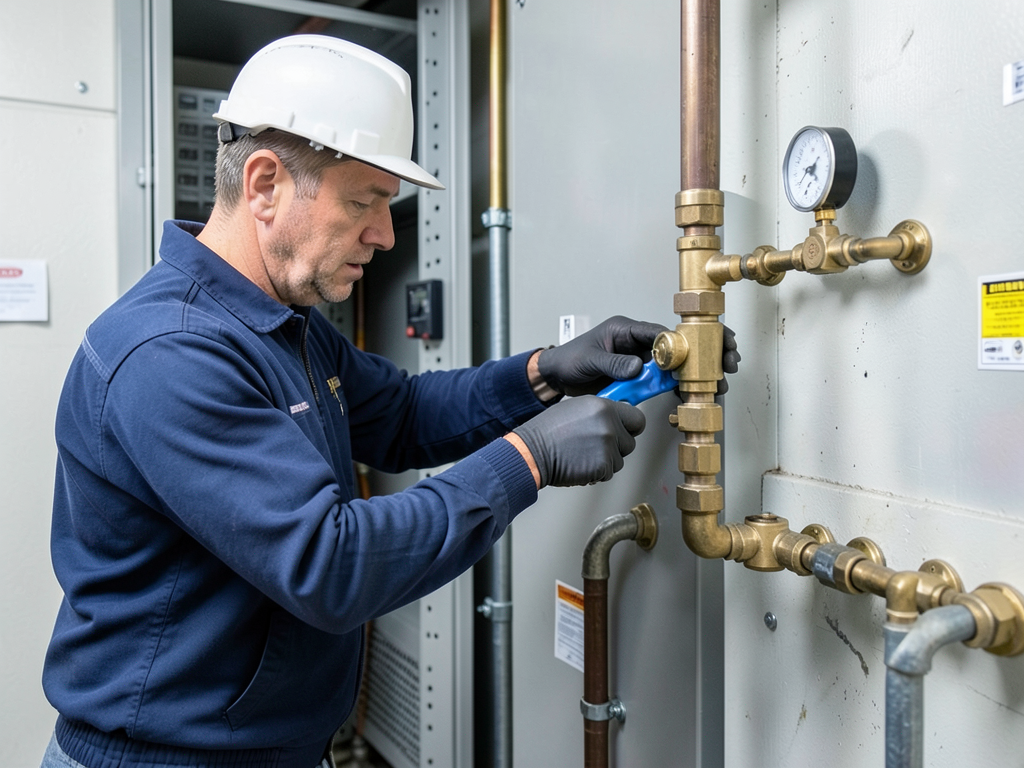
We begin by mapping your existing plumbing system and identifying isolation points where we can shut off water to specific zones without disrupting your entire building. This includes locating shut-off valves, pressure regulators, and backflow preventers. We coordinate with your facility manager to schedule work during low-occupancy hours. For multi-tenant buildings, we notify all occupants 72 hours in advance and provide a detailed timeline.
02

Demolition and Installation

Old pipe is removed section by section. We cut access panels in drywall or ceiling tiles to reach risers and horizontal runs, then install new distribution lines using either PEX or copper based on your system design. All connections are soldered or crimped to manufacturer specifications. We install new shut-off valves at every fixture and branch line to simplify future maintenance. Debris is removed daily to keep your facility clean and safe.
03

Testing and Restoration

Once installation is complete, we pressure test every line at 150 PSI for two hours to verify there are no leaks or weak joints. After passing inspection, we restore water service and check flow rates at every fixture. Access panels are patched, painted, and finished to match existing conditions. You receive as-built drawings, material certifications, and a full inspection report for your facility records.

Why Boston Businesses Trust Heritage Plumbing Boston for Commercial Repiping

Commercial repiping requires more than technical skill. It requires an understanding of how buildings operate, how tenants use space, and how to navigate Massachusetts commercial plumbing code without delaying your project. Heritage Plumbing Boston has worked in buildings across the Financial District, Back Bay, and Cambridge. We know the difference between a 1920s masonry building with cast iron risers and a 1980s steel-frame structure with copper branch lines.

We coordinate directly with your property manager, general contractor, and building inspector. If your project requires a permit, we pull it. If it requires a backflow preventer upgrade to meet current code, we handle it. If you need phased installation to keep half your building operational, we design the sequence. You do not manage the details. We do.

Our crews carry commercial liability coverage and workers compensation insurance. Every technician is licensed in Massachusetts and trained in confined space entry, fall protection, and job site safety. When we work in your building, we follow OSHA protocols and your facility's safety requirements. We do not cut corners. We do not leave messes. We treat your building like the income-generating asset it is.

Boston's commercial real estate market does not tolerate downtime. If your building loses water for three days, you lose tenants. If your restaurant cannot open for a week, you lose revenue you cannot recover. We structure every commercial building repiping project to minimize disruption and maximize uptime. That is the difference between a competent plumber and a commercial repiping specialist.

What to Expect During a Commercial Repiping Project

Project Timeline and Scheduling

Most commercial repiping projects take two to six weeks, depending on building size, occupancy, and pipe accessibility. We provide a detailed schedule before work begins, including daily start times, water shutoff windows, and restoration milestones. For occupied buildings, we work nights and weekends to avoid business hours. For vacant buildings, we work extended shifts to accelerate completion. You receive daily progress updates and photos so you know exactly where the project stands. If we encounter unexpected conditions like concealed asbestos pipe insulation or structural issues, we notify you immediately and provide options to keep the project moving.

Initial Assessment and Scope Definition

Before we provide a proposal, we walk your building and evaluate existing conditions. This includes identifying pipe materials, measuring water pressure, inspecting shut-off valves, and reviewing mechanical room layouts. We ask about your operational schedule, tenant needs, and any planned renovations that could impact plumbing work. If you are unsure whether you need a full repipe or targeted replacement, we provide a written assessment with recommendations. This consultation is straightforward and diagnostic. You receive a clear scope of work, material specifications, and a fixed-price proposal. No surprises.

Quality of Completed Installation

When the project is complete, your building has a plumbing system designed to last decades. Every joint is leak-free. Every valve operates smoothly. Water pressure is consistent across all floors and fixtures. You receive as-built drawings showing pipe routing, valve locations, and material specifications. These drawings are critical for future maintenance and renovations. If you sell the building, you can show buyers a documented, code-compliant plumbing system. If you refinance, you can demonstrate capital improvements that increase property value. The work is permanent and verifiable.

Post-Installation Support and Documentation

After installation, we provide a complete material list, pressure test reports, and inspection certificates. If your building requires ongoing maintenance, we offer service agreements that include annual inspections, valve testing, and priority response for plumbing issues. If a tenant reports low water pressure six months after the repipe, we return to investigate and resolve the issue. Commercial repiping is a long-term investment, and we treat it that way. You are not handed off to a call center. You work directly with the crew that installed your system.

Frequently Asked Questions

You Have Questions,
We Have Answers

How much does it cost to repipe a 2500 square foot house? +

Commercial repiping costs differ significantly from residential projects. For a 2,500 square foot commercial building in Boston, costs depend on system complexity, pipe material (copper, PEX, or CPVC), fixture count, and accessibility. Multi-story buildings require more labor. Boston's older commercial structures often have limited access, increasing labor hours. Building code compliance adds inspection and permit fees. Water main shutdowns require coordination with tenants and municipal authorities. Material costs fluctuate based on supply chains. The scope includes demolition, pipe installation, pressure testing, and restoration. Request a site assessment to evaluate existing infrastructure, identify code violations, and calculate accurate project costs based on your specific building configuration.

What does commercial plumbing mean? +

Commercial plumbing handles larger-scale water supply and waste systems for businesses, industrial facilities, multi-tenant buildings, and institutions. Unlike residential work, commercial systems serve higher fixture counts, require larger pipe diameters, and operate under greater pressure demands. Boston's commercial plumbing follows stricter code requirements for backflow prevention, grease trap installation, and fire suppression integration. Commercial plumbers manage complex drainage networks, ejector pumps, and commercial-grade water heaters. Projects require coordination with building managers to minimize business interruption. The work includes tenant fit-outs, restaurant kitchens, medical facilities, and manufacturing operations. Commercial plumbers understand liability concerns, ADA compliance, and municipal inspection processes specific to Boston's permitting requirements.

How much do plumbers cost to fix a pipe? +

Commercial pipe repair costs depend on pipe location, material, damage extent, and accessibility. Simple fixes like leaking connections or valve replacements take less time than concealed pipe damage requiring wall or floor penetration. Emergency calls outside business hours carry premium rates but prevent extensive water damage and business interruption. Boston's freeze-thaw cycles cause unique pipe stress, especially in older buildings with inadequate insulation. Cast iron stack repairs differ from copper supply line fixes. Commercial projects require licensed contractors familiar with Boston building codes and permit processes. Factor in building shutdown coordination, tenant notifications, and potential restoration work. Get detailed quotes itemizing labor, materials, permits, and contingency allowances before authorizing work.

What does repiping include? +

Commercial repiping replaces deteriorated water supply lines throughout your building. The process includes shutting down water service, removing old pipes (often galvanized steel or corroded copper), and installing new distribution systems. Projects address both hot and cold water lines from the main shutoff to fixtures. Work includes pressure testing to verify leak-free connections, coordinating municipal inspections, and restoring walls, ceilings, or floors. Boston projects must meet current plumbing codes, which often exceed original installation standards. Repiping includes upgrading shut-off valves, installing backflow preventers where required, and ensuring proper pipe support and insulation. The scope covers materials, labor, permits, inspections, and coordination with property managers to schedule work around tenant operations.

Why Boston's Historic Building Stock Demands Specialized Commercial Repiping Expertise

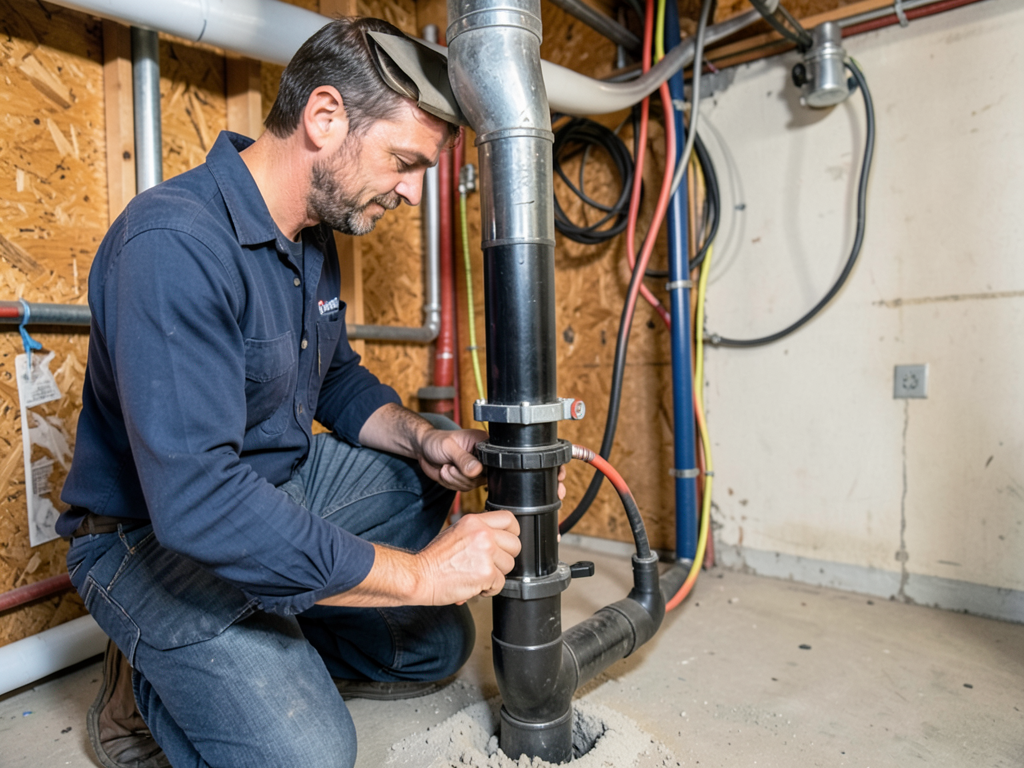
Boston's commercial real estate includes buildings that predate modern plumbing codes. Many structures in Beacon Hill, the North End, and downtown Boston were built with galvanized steel risers and lead service lines. When you repipe these buildings, you must navigate tight mechanical chases, limited ceiling heights, and masonry walls that cannot be easily modified. Industrial repiping services in Boston require an understanding of how to work within existing structural constraints without compromising the integrity of load-bearing walls or historic facades. This is not a job for generalists. It requires plumbers who have worked in century-old buildings and know how to adapt modern materials to vintage construction.

Massachusetts plumbing code 248 CMR governs all commercial installations in Boston. This includes backflow preventer requirements, pipe sizing calculations, and pressure testing protocols. If your building is in a historic district, you may also need approval from the Boston Landmarks Commission before modifying mechanical systems. Heritage Plumbing Boston manages these regulatory requirements as part of every commercial building repiping project. We coordinate with inspectors, pull permits, and ensure your installation meets both code and historical preservation standards. You do not navigate this process alone. We handle compliance so you can focus on running your business.
Plumbing Services in The Boston Area

Heritage Plumbing proudly serves Boston and its surrounding areas. Our central location allows us to respond quickly to service calls across residential neighborhoods, business districts, and historic zones alike. Whether you’re downtown or in the suburbs, our local knowledge and flexible scheduling ensure a seamless service experience. Use the map below to find our office, service radius, and contact points — and don’t hesitate to reach out for availability in your area.

Address:
Heritage Plumbing Boston, 75 Arlington St, Boston, MA, 02116

Additional Services We Offer

Our news updates

Latest Articles & News from The Blogs

Understanding Local Rules for Sump Pump Discharge into Medford Storm Drains Medford homeowners face strict regulations about where sump pump…

Understanding Local Rules for Sump Pump Discharge into Medford Storm Drains

Understanding Local Rules for Sump Pump Discharge into Medford Storm Drains Medford homeowners face strict regulations about where sump pump…

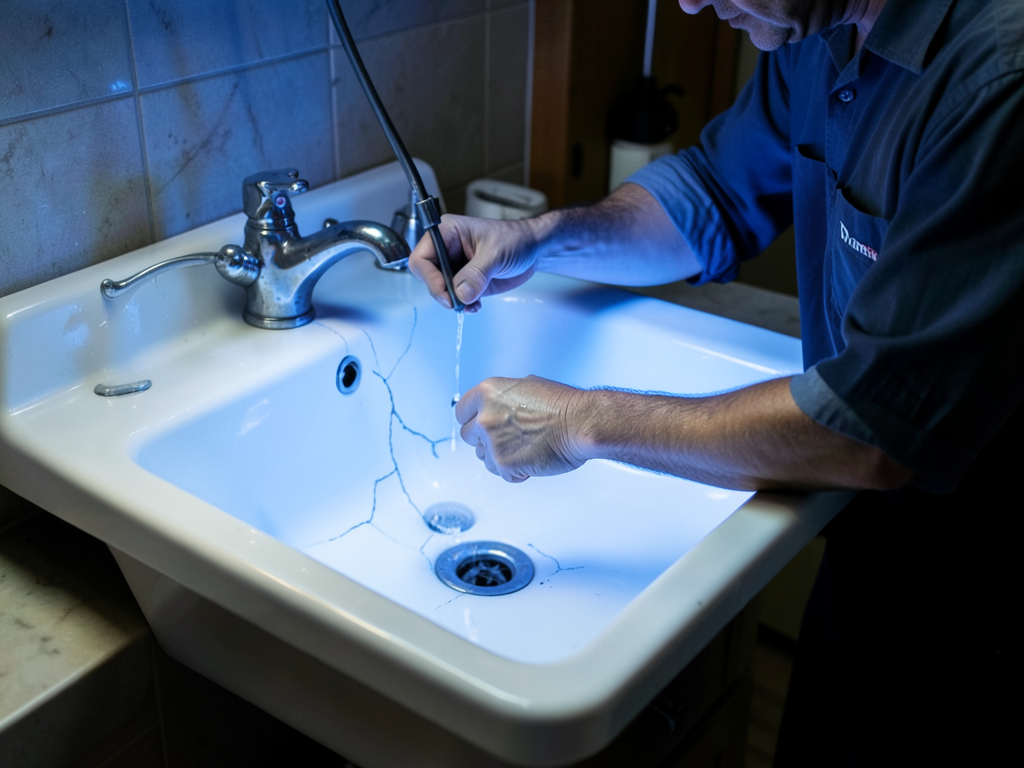
Should You Repair or Replace a Cracked Vintage Sink in Your Historic Beacon Hill Home?

Historic homes in Beacon Hill often feature original porcelain sinks that add irreplaceable character to kitchens and bathrooms. When a…

Why Your High Rise Condo in the Seaport District Still Needs a Pressure Reducing Valve

Why Your High Rise Condo in the Seaport District Still Needs a Pressure Reducing Valve Living in a modern high…

Contact Us

Do not wait for a catastrophic pipe failure to force your hand. Call Heritage Plumbing Boston at (617) 749-9799 to schedule a building assessment. We will evaluate your plumbing system, provide a detailed scope of work, and deliver a fixed-price proposal within 48 hours.