





Boston's plumbing systems face unique challenges that out-of-state contractors simply don't understand. Our city's housing stock includes everything from Federal-era brownstones in Beacon Hill to triple-deckers in Dorchester, many built before modern codes existed. These older buildings often contain galvanized pipes, cast iron stacks, and outdated fixtures that require specific expertise to repair without causing structural damage.
The freeze-thaw cycles here are brutal. When temperatures drop below freezing for extended periods, then spike back up, pipes expand and contract. This cycle causes joint failures and burst pipes, especially in unheated basements and exterior walls. Boston's clay soil creates additional pressure on underground sewer lines, leading to root intrusion and collapsed pipes that require camera inspection and trenchless repair techniques.
Massachusetts plumbing code is strict for good reason. All work requires permits for anything beyond basic fixture replacement, and inspectors know what they're looking for. Licensed professionals understand Title 5 septic regulations, backflow prevention requirements, and lead service line protocols that protect Boston's water supply. The city's aging infrastructure means many properties still have combined sewer systems that need careful handling during renovations. Working with someone who knows Boston building stock and local regulations saves you from failed inspections and costly do-overs.
Heritage Plumbing Boston built its reputation on showing up when we say we will and fixing problems correctly the first time. We're not a national franchise with rotating technicians who don't know the area. Our team lives and works in Greater Boston, which means we understand the specific plumbing issues that affect homes in Jamaica Plain differently than those in Charlestown. We've worked on century-old rowhouses, mid-century ranches, and modern condos, so we know what to expect before we open a wall.
Our approach is straightforward. We answer the phone, give you a realistic arrival window, and stick to it. When we arrive, we diagnose the problem thoroughly using camera inspection when needed, explain what's wrong in plain language, and provide upfront pricing before starting work. No hidden fees, no surprise charges, no pressure tactics. If we recommend additional work, we explain why it matters for your specific situation and let you make the decision.
Every technician carries a fully-stocked truck with common parts, so most repairs happen on the first visit. We handle everything from emergency repairs to full repiping projects, with the same attention to detail regardless of job size. Our work meets or exceeds Massachusetts code requirements, and we pull permits for all regulated work. When we're done, we clean up completely and walk you through what we did.
We're available 24/7 for emergencies because plumbing disasters don't wait for business hours. Whether it's a burst pipe flooding your basement or a backed-up sewer on Thanksgiving, we dispatch immediately and work until the crisis is resolved. For non-emergency work, we schedule appointments in windows that work for your life, and we call ahead so you're never left waiting.

Plumbing emergencies happen at the worst possible times. We dispatch technicians immediately for burst pipes, gas leaks, sewer backups, and water heater failures. Our trucks are fully equipped to handle most emergency repairs on the spot, stopping the damage and restoring function fast. Real people answer our phones around the clock, and we arrive ready to work.

You'll know exactly what the repair costs before we start work. We diagnose the problem thoroughly, explain what needs to happen, and provide a clear price that includes labor and materials. No hourly rate surprises, no hidden fees, no upselling services you don't need. If we discover additional issues during the repair, we stop and discuss options before proceeding.
All our technicians hold active Massachusetts plumbing licenses and stay current on state code changes. We pull required permits, pass inspections on the first attempt, and document all work for your records. This protects you during home sales, insurance claims, and future renovations. Our work meets the standards inspectors expect because we know what they're looking for.
We've worked on every type of building in Boston, from historic homes with original plumbing to new construction condos. We understand how the city's clay soil affects sewer lines, which neighborhoods have lead service lines, and how freeze-thaw cycles impact different pipe materials. This local expertise means faster diagnosis and solutions tailored to Boston's unique conditions.
Heritage Plumbing Boston handles every aspect of residential and commercial plumbing across Greater Boston. Our service range covers emergency repairs that can't wait, planned installations and upgrades that improve your property, and preventive maintenance that catches problems before they become disasters. We work on single-family homes, multi-unit buildings, retail spaces, and offices, with the same commitment to quality and code compliance.
Our technicians carry diagnostic tools including drain cameras, leak detection equipment, and pressure testing gear. This lets us identify hidden problems like slab leaks, underground pipe damage, and fixture malfunctions without unnecessary demolition. We repair what can be fixed and recommend replacement only when it makes financial sense.
Whether you need a simple fixture swap, a full bathroom remodel, or emergency water extraction after a pipe burst, we have the equipment and expertise to handle it. We coordinate with other trades when needed, pull all required permits, and schedule inspections to keep projects moving. Our goal is to solve your plumbing problems efficiently while respecting your property and your time. Below are the three main categories of work we perform for Boston-area customers.
When disaster strikes, we respond immediately. Burst pipes, gas leaks, sewer backups, failed water heaters, and flooding all qualify for emergency dispatch. We arrive with everything needed to stop the damage, extract standing water, and restore function. Our trucks carry backup pumps, pipe repair materials, replacement fixtures, and cleanup equipment. We work through the night if that's what it takes, and we coordinate with your insurance company when needed. Emergency service includes temporary repairs to stabilize the situation, followed by permanent fixes once the crisis is contained.
We install water heaters, sump pumps, garbage disposals, toilets, sinks, faucets, dishwashers, washing machines, and complete bathroom and kitchen plumbing systems. All installation work includes proper venting, code-compliant connections, and manufacturer warranty activation. We handle tankless water heater conversions, whole-house repiping from galvanized to copper or PEX, sewer line replacement, and water service upgrades. Each installation includes pressure testing, inspection coordination, and a walkthrough explaining operation and maintenance. We size equipment correctly for your actual needs rather than overselling capacity.
Slow drains and backed-up sewers need professional equipment to clear completely. We use cable machines for fixture drains and high-pressure water jetting for main lines. Our camera inspection service locates blockages, root intrusion, and pipe damage underground. We clear kitchen sink clogs, toilet backups, floor drains, and main sewer lines. Preventive drain cleaning removes buildup before it causes problems, especially important for restaurants and multi-unit buildings. We also provide enzyme treatments for grease control and root barriers for trees near sewer lines. All clearing work includes follow-up camera inspection to confirm complete removal.
Boston's combination of old housing stock, harsh winters, and aging municipal infrastructure creates predictable plumbing problems. Knowing what to watch for helps you catch issues early, before they cause expensive damage. Most emergency calls we receive could have been prevented with earlier intervention or routine maintenance.
The city's freeze-thaw cycle puts tremendous stress on pipes. When water freezes in a pipe, it expands with enough force to split copper and burst joints. Pipes in exterior walls, unheated crawl spaces, and attached garages are most vulnerable. Once temperatures rise, the ice melts and water floods out through the damaged section. This happens most often during January and February cold snaps.
Older Boston properties often have outdated materials that fail over time. Galvanized steel pipes corrode from the inside, reducing water pressure and eventually leaking. Cast iron sewer lines crack and separate at joints. Lead service lines pose health risks. Clay sewer pipes crack under pressure from tree roots seeking water. These material failures are predictable based on building age, and proactive replacement prevents catastrophic failures. Below are the specific issues we address most frequently for Boston residents.
Boston winters freeze pipes in exterior walls, crawl spaces, and unheated areas. Prevention includes insulation, heat tape, and leaving cabinet doors open during cold snaps. Once a pipe freezes, professional thawing prevents bursting. If a pipe does burst, immediate water shutoff and emergency repair minimize flood damage. We provide both emergency burst pipe repair and preventive winterization services.
Homes built before 1960 often have galvanized steel pipes that corrode from inside. You'll notice rusty water, low pressure, and eventual leaks. Once corrosion starts, it spreads throughout the system. Replacing galvanized pipes with copper or PEX prevents ongoing leaks and restores full water pressure. We repipe sections or entire houses depending on the extent of corrosion and your budget.
Tree roots infiltrate underground sewer lines through tiny cracks, then grow into massive blockages. Clay pipes common in older Boston neighborhoods are especially vulnerable. Warning signs include slow drains, gurgling toilets, and sewage odors. Camera inspection identifies the location and cause. We clear blockages with hydro-jetting and recommend trenchless repair or replacement for damaged pipes to prevent recurring backups.
Water heaters last 8-12 years before failing, often catastrophically. Rust-colored hot water, rumbling sounds, and moisture around the base indicate imminent failure. When a tank fails, it floods everything nearby. We provide emergency water heater replacement and also scheduled upgrades to tankless systems or high-efficiency tanks. Proper sizing, venting, and code-compliant installation ensure years of reliable hot water.
We believe plumbing service should be straightforward and stress-free. When you call Heritage Plumbing Boston, you reach a real person who listens to your problem, asks clarifying questions, and schedules service based on urgency. For emergencies, we dispatch immediately and provide an estimated arrival time. For scheduled work, we offer appointment windows and call 30 minutes before arrival.
When our technician arrives, they introduce themselves, wear shoe covers, and assess the situation thoroughly before recommending solutions. We explain what's wrong in plain language, show you the problem when possible, and outline your options with transparent pricing for each approach. You decide how to proceed, and we start work only after you approve the price.
During the repair or installation, we protect your property with drop cloths and containment barriers. We work efficiently but carefully, following code requirements and manufacturer specifications. If we encounter unexpected issues, we stop and discuss them before proceeding. When the work is complete, we test everything thoroughly, clean up all debris, and walk you through what we did. You receive documentation of all work performed, parts installed, and permits pulled. Below are three specific aspects of our service approach.
From the first phone call to final invoice, we keep you informed at every step. We explain problems in plain language without technical jargon, present options with honest recommendations, and answer all questions completely. During the work, we update you on progress and timeline. If we discover additional issues, we discuss them immediately rather than surprising you at billing time. You'll always know what's happening, why it's necessary, and what it costs. This transparency builds trust and eliminates the anxiety that comes with home repairs.
We arrive on time, work efficiently, and minimize disruption to your daily routine. Our technicians wear shoe covers, use drop cloths to protect floors and furnishings, and contain dust and debris. We schedule work around your availability and keep the job site as clean as possible throughout the project. Water shutoffs are limited to the minimum time necessary, and we notify you before turning off supply. When we're done, we remove all materials and trash, leaving your space cleaner than we found it. Respect for your home and time is non-negotiable.
Every repair and installation meets or exceeds Massachusetts plumbing code. We pull required permits, pass inspections on the first attempt, and provide documentation for your records. Our work is guaranteed against defects in workmanship, and we stand behind every job. If something isn't right, we come back and fix it at no charge. This guarantee gives you confidence that the work was done correctly and will pass scrutiny during home sales, refinancing, or insurance claims. Quality work done right the first time is always cheaper than cutting corners.
We've streamlined our service process to eliminate confusion and get your plumbing working as quickly as possible. Whether you're dealing with an emergency or planning an upgrade, these three steps ensure quality results.
Call us at (617) 749-9799 to describe the problem. We ask targeted questions to understand urgency and scope, then schedule service immediately for emergencies or at your convenience for non-urgent work. When our technician arrives, they perform a thorough assessment using diagnostic tools like cameras and pressure gauges when needed. We identify the root cause, not just symptoms, and present all viable solutions with transparent pricing for each option. You choose the approach that fits your needs and budget.
Once you approve the work and price, we begin immediately. Our technicians work efficiently using professional-grade materials and following manufacturer specifications and code requirements. We protect your property throughout the work, contain mess, and minimize water shutoff time. Most repairs are completed in one visit because our trucks carry extensive parts inventory. For larger projects requiring permits, we coordinate inspections and keep you updated on progress. All work is pressure-tested before we consider it complete.
Before we leave, we test everything thoroughly to confirm proper operation. We walk you through what we did, explain any maintenance requirements, and answer final questions. You receive documentation including itemized invoicing, permit numbers, and warranty information. We clean up completely, removing all debris and materials. Our work is guaranteed against defects, and we provide follow-up support if you have concerns. Your satisfaction and the long-term reliability of our work are what matter most.
Massachusetts plumbing code is based on the International Plumbing Code with state-specific amendments that address regional conditions. Boston enforces these standards strictly because proper plumbing protects public health, prevents property damage, and maintains water quality. Understanding what code requires helps property owners make informed decisions about repairs and renovations.
All plumbing work beyond basic fixture replacement requires permits pulled through the city's Inspectional Services Department. This includes water heater installation, repiping, sewer line work, gas line modifications, and any work involving supply or drain alterations. The permit process ensures work is inspected at critical stages, preventing hidden defects that could cause future problems. Licensed plumbers know what inspectors look for and design work to pass on the first attempt.
Backflow prevention is mandatory for properties with irrigation systems, commercial kitchens, or any cross-connection potential between potable water and contamination sources. Annual testing by a certified tester is required, with results reported to the Massachusetts Water Resources Authority. This protects Boston's drinking water supply from contamination that could affect entire neighborhoods.
Lead service lines remain common in older Boston properties. The city maintains records of known lead lines and offers replacement programs, but property owners are responsible for the section from the main to the building. When replacing lead lines, proper procedures prevent lead particle release into the water supply. Work must be coordinated with Boston Water and Sewer Commission.
Title 5 regulations govern septic systems in areas not served by municipal sewer. Properties require Title 5 inspections before sale, and failed systems must be upgraded to current standards. This includes tank size, leach field design, and setback distances from wells and property lines. Modern systems often require engineered designs and soil testing before installation can begin.
Gas piping modifications require separate permits and pressure testing before activation. All gas work must be performed by licensed professionals due to the life-safety implications of leaks. Black iron pipe, corrugated stainless steel tubing, and copper are approved materials, each with specific application requirements. Proper sizing ensures adequate pressure for all appliances without velocity issues that cause noise and wear.
Boston requires permits for most plumbing work to ensure code compliance and protect property value. Inspections occur at rough-in and final stages. Working without permits risks failed home sales, insurance claim denials, and expensive corrections. Licensed plumbers handle the permit process, coordinate inspection scheduling, and document all work. This protects you legally and financially while ensuring the work meets professional standards that will last.
Several factors affect plumbing costs in Boston. Material choice matters significantly, with copper piping costing more than PEX but offering different longevity characteristics. Accessibility affects labor time, old homes with tight spaces require more hours than open modern construction. Permit fees, inspection coordination, and code compliance add to project costs but protect your investment. Emergency service costs more than scheduled work due to immediate dispatch and after-hours labor. Understanding these factors helps you budget appropriately and compare quotes fairly.
Simple repairs like fixture replacement or drain clearing take hours. Water heater installation requires half a day including permit and inspection. Bathroom repiping takes one to three days depending on access and scope. Whole-house repiping takes a week or more, with staged water shutoffs to maintain some service. Sewer line replacement depends on distance and method, ranging from same-day trenchless repairs to week-long excavation projects. Inspection scheduling adds time to permitted work. We provide realistic timelines upfront so you can plan accordingly.
Massachusetts requires plumbers to complete apprenticeship programs, pass state examinations, and maintain active licenses through continuing education. This ensures baseline competence and knowledge of current codes. Licensed plumbers carry insurance that protects you from liability if someone is injured or property is damaged during work. They also guarantee their work, providing recourse if problems develop. Unlicensed work may seem cheaper initially but often costs more to correct when it fails inspection or causes damage.
This video explains common plumbing problems affecting Boston properties, including frozen pipes, corroded galvanized piping, sewer line backups, and water heater failures. Heritage Plumbing Boston discusses local factors like freeze-thaw cycles, clay soil, and aging infrastructure that create unique challenges for homeowners. The video covers preventive maintenance, emergency response procedures, Massachusetts plumbing code requirements, and material choices for repairs and installations across Greater Boston neighborhoods.
Heritage Plumbing Boston provides comprehensive plumbing services throughout Greater Boston, from the historic streets of Beacon Hill to the waterfront developments in the Seaport District. We've worked on every type of property across the city, giving us deep familiarity with the unique challenges each neighborhood presents.
In Charlestown, we frequently work on the area's historic rowhouses and newer Navy Yard condos. The older buildings often contain original galvanized piping that needs replacement, while the waterfront properties require careful backflow prevention due to flood risk. Just across the Charles River, we serve Cambridge and Somerville properties, where triple-deckers and Victorian homes present access challenges but reward careful work with lasting reliability.
South Boston and Dorchester properties keep us busy with both emergency repairs and renovation projects. The three-family homes common to these neighborhoods require coordination between units when main line work is needed. We've handled countless frozen pipe emergencies in these areas during harsh winters, and we know which buildings are most vulnerable based on construction era and heating system design.
Jamaica Plain and Roslindale properties often sit on sloped lots where sewer lines must work against gravity. Root intrusion from mature street trees is common here, requiring regular camera inspection and preventive maintenance. The neighborhood's mix of single-families and multi-units means we handle everything from individual fixture repairs to building-wide repiping projects.
In the Back Bay and South End, we work on luxury brownstones where preservation requirements affect how we route new piping and access old systems. These properties demand careful work that respects historic fabric while upgrading functionality to modern standards. West Roxbury and Hyde Park properties tend toward mid-century construction with different challenges, including slab-on-grade foundations where leak detection requires specialized equipment.
We also serve communities beyond city limits, including Brookline, Newton, Quincy, and Dedham. Each area has distinct characteristics, from Brookline's prewar apartments to Newton's suburban homes to Quincy's coastal properties where saltwater exposure affects pipe longevity. Our service area extends throughout the Route 128 corridor and along Route 1, covering properties from Revere to Milton.
Proximity to major routes like I-93, the Mass Pike, and Storrow Drive allows us to respond quickly across the metro area. We maintain dispatch logistics that account for Boston's traffic patterns, ensuring emergency response times meet our standards regardless of location. Whether you're near Fenway Park or in the outer neighborhoods, we provide the same rapid response and quality workmanship that built our reputation.
Boston plumbers typically charge $150 to $250 per hour, depending on the complexity of the job and time of day. Emergency calls after hours or on weekends often add 50% to 100% to standard rates. Licensed master plumbers command higher fees than journeymen due to their expertise with complex systems. The city's strict building codes and older housing stock mean many jobs require specialized knowledge. Geographic factors matter too. Plumbers serving downtown Boston or historic neighborhoods like Beacon Hill often charge more due to parking challenges and restricted access to aging pipe systems in century-old buildings.
Local Boston-area plumbers charge $125 to $200 per hour for standard service calls during business hours. Rates vary based on the plumber's licensing level, business overhead, and service area. Smaller suburbs outside Route 128 may see slightly lower rates than downtown Boston. Most reputable plumbers charge a trip fee or diagnostic fee of $75 to $150, which covers travel time and initial assessment. This fee often applies toward the total repair cost. Winter months can see premium pricing due to frozen pipe emergencies. Always confirm whether the quoted rate includes materials or if those are billed separately.
A licensed plumber typically charges $100 to $300 per hour nationwide, with Boston falling on the higher end at $150 to $250. Master plumbers with 10-plus years of experience charge more than apprentices or journeymen. Emergency services command premium rates. The hourly rate usually covers labor only. Materials, permits, and disposal fees are separate line items. Jobs requiring specialized tools like camera inspection equipment or hydro-jetting machines may incur additional charges. Complex work on commercial systems or in historic buildings with outdated plumbing configurations justifies higher rates due to the skill and liability involved.
Boston plumbers typically charge $150 to $250 per hour, depending on the complexity of the job and time of day. Emergency calls after hours or on weekends often add 50% to 100% to standard rates. Licensed master plumbers command higher fees than journeymen due to their expertise with complex systems. The city's strict building codes and older housing stock mean many jobs require specialized knowledge. Geographic factors matter too. Plumbers serving downtown Boston or historic neighborhoods like Beacon Hill often charge more due to parking challenges and restricted access to aging pipe systems in century-old buildings.
Local Boston-area plumbers charge $125 to $200 per hour for standard service calls during business hours. Rates vary based on the plumber's licensing level, business overhead, and service area. Smaller suburbs outside Route 128 may see slightly lower rates than downtown Boston. Most reputable plumbers charge a trip fee or diagnostic fee of $75 to $150, which covers travel time and initial assessment. This fee often applies toward the total repair cost. Winter months can see premium pricing due to frozen pipe emergencies. Always confirm whether the quoted rate includes materials or if those are billed separately.
A licensed plumber typically charges $100 to $300 per hour nationwide, with Boston falling on the higher end at $150 to $250. Master plumbers with 10-plus years of experience charge more than apprentices or journeymen. Emergency services command premium rates. The hourly rate usually covers labor only. Materials, permits, and disposal fees are separate line items. Jobs requiring specialized tools like camera inspection equipment or hydro-jetting machines may incur additional charges. Complex work on commercial systems or in historic buildings with outdated plumbing configurations justifies higher rates due to the skill and liability involved.
Licensed plumbers in Boston earn $55,000 to $95,000 annually as employees, with master plumbers and those running their own businesses often exceeding $100,000. Union plumbers working on large commercial projects or municipal contracts typically earn higher wages with benefits. Pay varies based on specialization. Pipefitters and steamfitters working on Boston's aging heating systems command premium rates. Self-employed plumbers keep more per job but handle overhead costs, insurance, and vehicle maintenance. The city's robust construction market and old housing stock requiring constant repairs create steady demand. Overtime during winter emergencies significantly boosts annual earnings.
Hidden plumbing costs catch Boston homeowners off guard regularly. **Permit fees** for major work range from $50 to $500 depending on scope. **Wall or floor repairs** after accessing pipes behind drywall or under slabs add $300 to $2,000. **Code compliance upgrades** are common in older Boston neighborhoods where existing plumbing does not meet current standards. **Asbestos abatement** around old pipes costs $1,500 to $3,000. **Water damage remediation** from leaks discovered during repairs adds unexpected expense. **Lead pipe replacement** is mandatory in many Boston properties, costing $3,000 to $10,000. Always request itemized estimates that include potential additional work.
Yes, plumbers can earn $100,000 or more annually in Boston. Master plumbers operating their own businesses routinely exceed this threshold. The path requires strategic focus. Specializing in commercial work, emergency services, or high-demand areas like **backflow prevention testing**, **gas line installation**, or **radiant heating systems** increases earning potential. Building a reputation in affluent neighborhoods or landing municipal contracts provides steady, high-value work. Self-employed plumbers keep more profit per job but manage business expenses. Union plumbers on large projects earn $80,000 to $110,000 with benefits through consistent overtime. Boston's market supports six-figure incomes for skilled professionals.
Get multiple written estimates before negotiating plumber rates in Boston. Request itemized quotes separating labor, materials, and fees. Ask if the plumber offers discounts for seniors, veterans, or off-season work. Bundling multiple repairs in one visit reduces trip charges. Providing your own fixtures can cut costs, though you lose warranty protection. Avoid negotiating during emergencies when you have zero leverage. For planned work, schedule during slower winter months when demand drops. Question unnecessary upsells or code upgrades that are not legally required. However, never sacrifice quality for cost. Cheap plumbers create expensive problems in Boston's complex plumbing systems.
Plumbing a new 2,000-square-foot house in Boston costs $12,000 to $20,000 for rough-in and finish work, including fixtures. Costs vary based on bathroom count, fixture quality, and system complexity. Homes with multiple full bathrooms, a kitchen island with plumbing, or radiant floor heating run higher. Boston's strict building codes require backflow preventers, earthquake strapping in some zones, and specific venting configurations that add expense. Older neighborhoods with difficult access or bedrock excavation issues increase costs. This estimate covers standard PEX or copper piping, basic fixtures, and water heater installation. High-end fixtures, whole-house filtration, or complex layouts add significantly.
Plumbers charge premium rates because the work requires years of training, expensive licensing, and significant liability. Boston plumbers navigate complex building codes and old infrastructure that demand expertise. They invest in specialized tools like **pipe cameras**, **hydro-jetters**, and **press fitting equipment** costing thousands. Liability insurance, workers' compensation, and vehicle maintenance add overhead. Emergency availability means plumbers sacrifice nights and weekends. The risk is real. One mistake causes thousands in water damage. You are paying for problem-solving skills, not just wrench-turning. Cheap plumbers cut corners, creating bigger problems. Quality plumbing protects your home's structural integrity and prevents health hazards.
Repairing pipes costs less short-term but replacement saves money long-term in Boston's older homes. **Spot repairs** run $150 to $500 per section. **Whole-house repiping** costs $4,000 to $15,000 depending on home size and access. If your home has galvanized steel or polybutylene pipes, replace them. Frequent leaks signal systemic failure where repairs become endless. Boston's freeze-thaw cycles accelerate pipe deterioration. Homes over 50 years old with original plumbing should consider replacement during renovations to avoid accessing walls multiple times. Calculate repair frequency. Three repairs in two years means replacement is smarter financially and prevents water damage.
Licensed plumbers in Boston earn $55,000 to $95,000 annually as employees, with master plumbers and those running their own businesses often exceeding $100,000. Union plumbers working on large commercial projects or municipal contracts typically earn higher wages with benefits. Pay varies based on specialization. Pipefitters and steamfitters working on Boston's aging heating systems command premium rates. Self-employed plumbers keep more per job but handle overhead costs, insurance, and vehicle maintenance. The city's robust construction market and old housing stock requiring constant repairs create steady demand. Overtime during winter emergencies significantly boosts annual earnings.
Hidden plumbing costs catch Boston homeowners off guard regularly. **Permit fees** for major work range from $50 to $500 depending on scope. **Wall or floor repairs** after accessing pipes behind drywall or under slabs add $300 to $2,000. **Code compliance upgrades** are common in older Boston neighborhoods where existing plumbing does not meet current standards. **Asbestos abatement** around old pipes costs $1,500 to $3,000. **Water damage remediation** from leaks discovered during repairs adds unexpected expense. **Lead pipe replacement** is mandatory in many Boston properties, costing $3,000 to $10,000. Always request itemized estimates that include potential additional work.
Yes, plumbers can earn $100,000 or more annually in Boston. Master plumbers operating their own businesses routinely exceed this threshold. The path requires strategic focus. Specializing in commercial work, emergency services, or high-demand areas like **backflow prevention testing**, **gas line installation**, or **radiant heating systems** increases earning potential. Building a reputation in affluent neighborhoods or landing municipal contracts provides steady, high-value work. Self-employed plumbers keep more profit per job but manage business expenses. Union plumbers on large projects earn $80,000 to $110,000 with benefits through consistent overtime. Boston's market supports six-figure incomes for skilled professionals.
Get multiple written estimates before negotiating plumber rates in Boston. Request itemized quotes separating labor, materials, and fees. Ask if the plumber offers discounts for seniors, veterans, or off-season work. Bundling multiple repairs in one visit reduces trip charges. Providing your own fixtures can cut costs, though you lose warranty protection. Avoid negotiating during emergencies when you have zero leverage. For planned work, schedule during slower winter months when demand drops. Question unnecessary upsells or code upgrades that are not legally required. However, never sacrifice quality for cost. Cheap plumbers create expensive problems in Boston's complex plumbing systems.
Plumbing a new 2,000-square-foot house in Boston costs $12,000 to $20,000 for rough-in and finish work, including fixtures. Costs vary based on bathroom count, fixture quality, and system complexity. Homes with multiple full bathrooms, a kitchen island with plumbing, or radiant floor heating run higher. Boston's strict building codes require backflow preventers, earthquake strapping in some zones, and specific venting configurations that add expense. Older neighborhoods with difficult access or bedrock excavation issues increase costs. This estimate covers standard PEX or copper piping, basic fixtures, and water heater installation. High-end fixtures, whole-house filtration, or complex layouts add significantly.
Plumbers charge premium rates because the work requires years of training, expensive licensing, and significant liability. Boston plumbers navigate complex building codes and old infrastructure that demand expertise. They invest in specialized tools like **pipe cameras**, **hydro-jetters**, and **press fitting equipment** costing thousands. Liability insurance, workers' compensation, and vehicle maintenance add overhead. Emergency availability means plumbers sacrifice nights and weekends. The risk is real. One mistake causes thousands in water damage. You are paying for problem-solving skills, not just wrench-turning. Cheap plumbers cut corners, creating bigger problems. Quality plumbing protects your home's structural integrity and prevents health hazards.
Repairing pipes costs less short-term but replacement saves money long-term in Boston's older homes. **Spot repairs** run $150 to $500 per section. **Whole-house repiping** costs $4,000 to $15,000 depending on home size and access. If your home has galvanized steel or polybutylene pipes, replace them. Frequent leaks signal systemic failure where repairs become endless. Boston's freeze-thaw cycles accelerate pipe deterioration. Homes over 50 years old with original plumbing should consider replacement during renovations to avoid accessing walls multiple times. Calculate repair frequency. Three repairs in two years means replacement is smarter financially and prevents water damage.
Heritage Plumbing proudly serves Boston and its surrounding areas. Our central location allows us to respond quickly to service calls across residential neighborhoods, business districts, and historic zones alike. Whether you’re downtown or in the suburbs, our local knowledge and flexible scheduling ensure a seamless service experience. Use the map below to find our office, service radius, and contact points — and don’t hesitate to reach out for availability in your area.
Address:
Boston, MA, 2114

The Importance of a Sewer Camera Inspection Before You Close on a Porter Square Multi Family\n\nBuying a multi-family property in Porter Square represents a significant investment. Before you sign on the dotted line one critical…
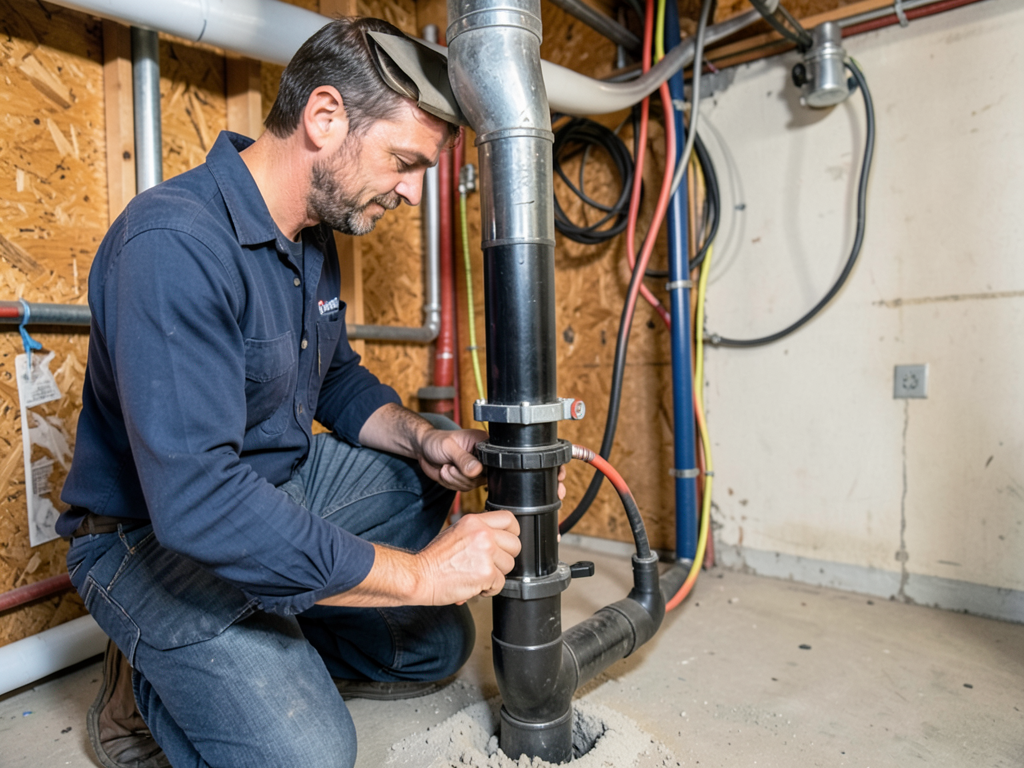
Understanding Local Rules for Sump Pump Discharge into Medford Storm Drains Medford homeowners face strict…
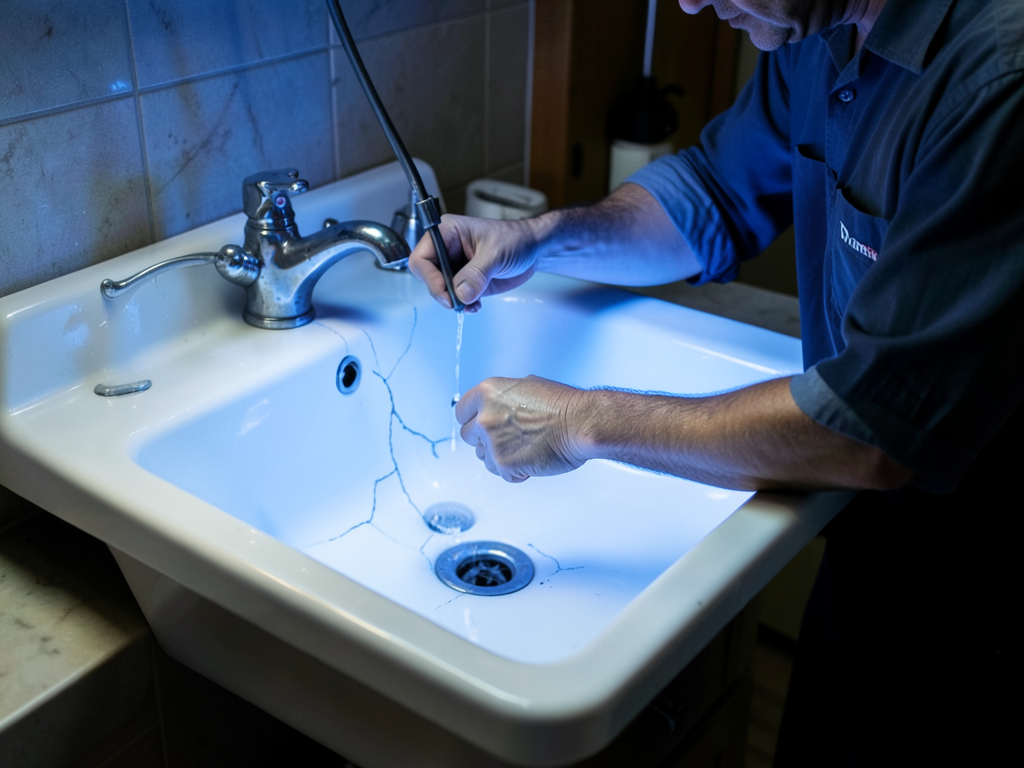
Historic homes in Beacon Hill often feature original porcelain sinks that add irreplaceable character to…
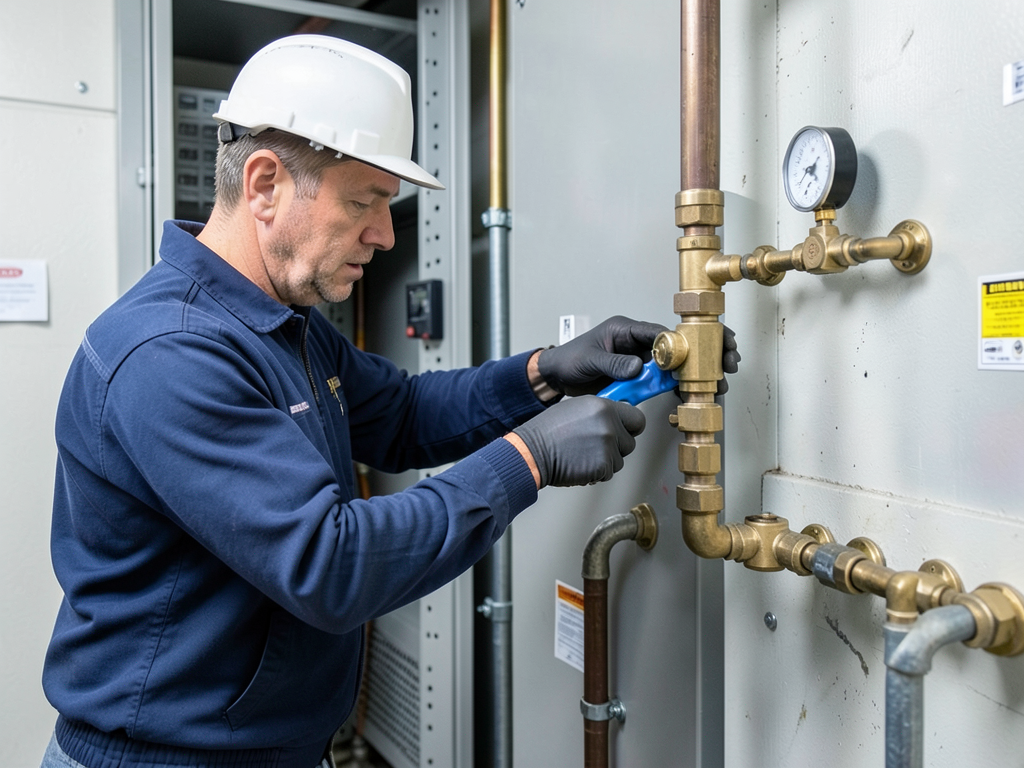
Why Your High Rise Condo in the Seaport District Still Needs a Pressure Reducing Valve…
Don't wait for a small problem to become a disaster. Call Heritage Plumbing Boston now at (617) 749-9799 for 24/7 emergency service or to schedule an appointment. We'll assess your plumbing issue, provide upfront pricing, and fix it right the first time.