




menu

Mold in Bathroom Cabinets in Boston – Expert Diagnosis and Complete Remediation

Heritage Plumbing Boston identifies hidden mold in bathroom cabinets, eliminates moisture sources at the plumbing level, and restores safe, dry storage spaces throughout the Greater Boston area.

Slider Image 1
Slider Image 2
Slider Image 3
Slider Image 4
Slider Image 5
Slider Image 7
Slider Image 8
Slider Image 9
Slider Image 10
Slider Image 11

Why Boston Bathrooms Breed Hidden Mold Growth

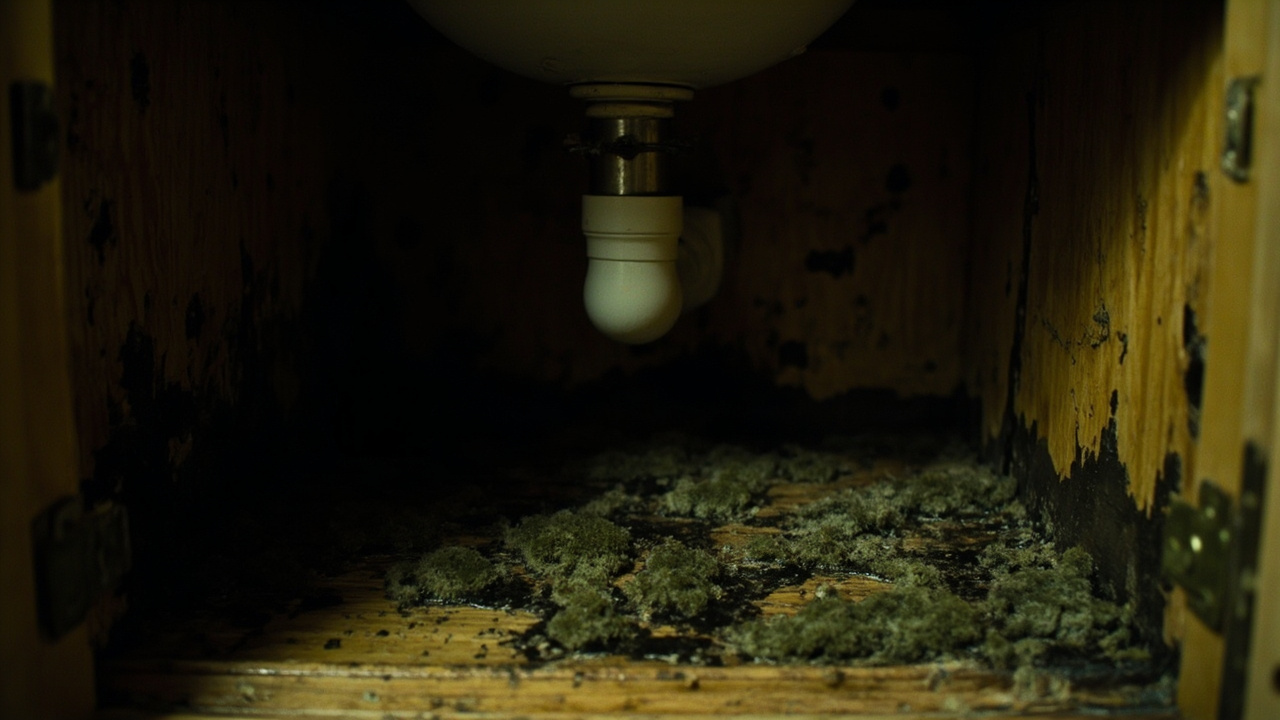
You open your bathroom vanity to grab something and notice a musty smell. Black spots cluster around the cabinet corners. The wood feels damp to the touch. Mold in bathroom cabinets is not just unsightly. It signals an active moisture problem that threatens your health and your home's structure.

Boston's climate accelerates this issue. Our humid summers push indoor humidity above 60 percent, creating perfect breeding conditions for mold spores. Winter heating cycles trap condensation inside closed cabinet spaces. Older homes in neighborhoods like Back Bay and Beacon Hill often have original cast iron drain pipes that develop pinhole leaks or sweating condensation behind vanity walls.

Bathroom cupboard mold typically starts small. A slow drip from the P-trap under your sink pools unnoticed. Supply line connections weep microscopic amounts of water. Poor ventilation after showers keeps humidity elevated for hours. These conditions allow mildew in bathroom cabinets to colonize within 24 to 48 hours of initial moisture exposure.

The enclosed space under bathroom sinks creates the worst environment. No air circulation. Darkness. Organic material like particle board or MDF cabinetry that absorbs water readily. Mold growth inside vanity cabinets often spreads to wall studs before you notice visible signs. By the time you see bathroom vanity mold on cabinet doors, the colony has likely established itself deep in the cabinet substrate and potentially into your wall cavity.

Boston building stock compounds the problem. Many triple-deckers and brownstones have bathrooms added during renovations without proper moisture barriers or adequate venting. Water damage restoration requires both surface remediation and fixing the underlying plumbing failure that feeds the mold.

Why Boston Bathrooms Breed Hidden Mold Growth
How We Eliminate Mold and Fix the Source

How We Eliminate Mold and Fix the Source

Surface cleaning does not solve mold under bathroom sink. You need to eliminate the moisture source, remove contaminated materials, and restore proper drainage and ventilation. Heritage Plumbing Boston approaches bathroom cabinet mold as a plumbing problem first, a remediation issue second.

We start with moisture mapping using thermal imaging cameras. This technology reveals hidden water intrusion behind vanity backs and inside wall cavities. Cold spots indicate active leaks. Thermal patterns show where condensation accumulates. We trace supply lines and waste lines to identify failed connections, corroded fittings, or inadequate trap seals that allow sewer gases and humidity into the cabinet space.

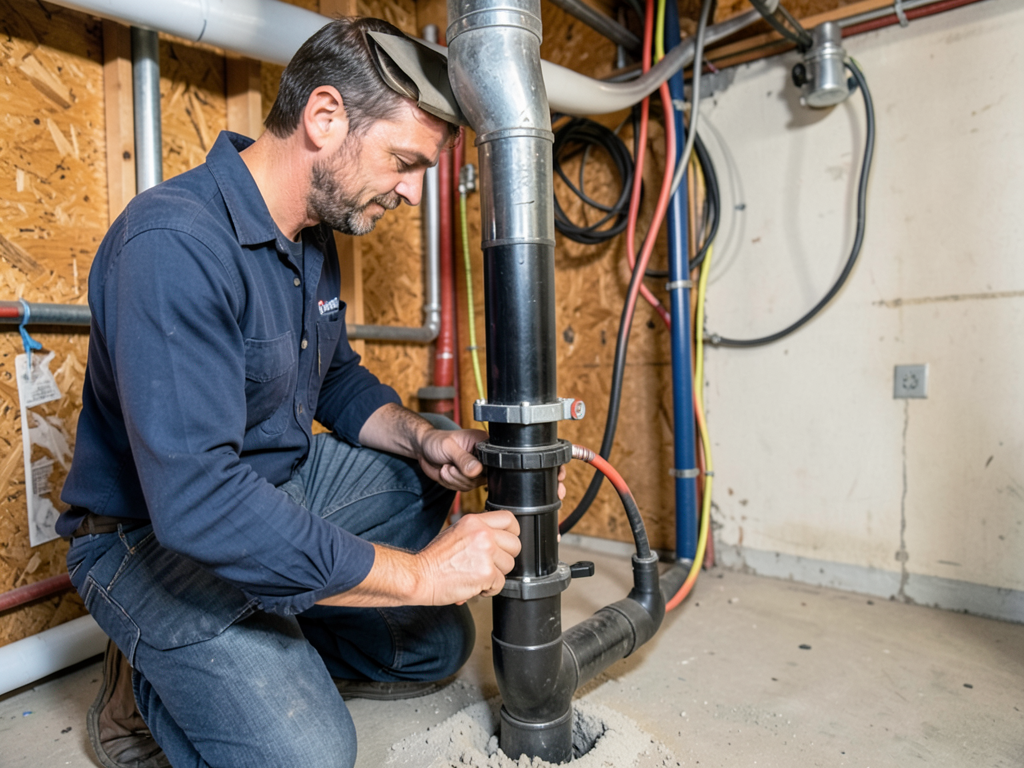
Once we locate the water source, we address the plumbing defect. This might mean replacing a deteriorated wax ring where the toilet meets the floor. Tightening compression fittings on angle stops. Re-pitching drain lines that pond water instead of flowing cleanly to the main stack. In older Boston homes, we often find galvanized supply pipes that have corroded from the inside, causing slow seepage that feeds mold colonies for years before becoming visible.

After correcting the plumbing failure, we remove contaminated materials. Particle board and MDF cannot be salvaged once mold penetrates the substrate. We extract affected cabinetry, inspect wall studs and subfloor for rot, and apply EPA-registered antimicrobial treatments to remaining structural elements. HEPA filtration runs during demolition to prevent cross-contamination to other rooms.

We then rebuild with mold-resistant materials. Marine-grade plywood. Cement board backer. Proper waterproofing membranes. We install shut-off valves that are accessible and reliable. We verify drain connections are watertight and properly vented. The goal is creating a dry environment where bathroom vanity mold cannot return.

What Happens During Cabinet Mold Remediation

Mold in Bathroom Cabinets in Boston – Expert Diagnosis and Complete Remediation
01

Inspection and Leak Detection

We use moisture meters and thermal imaging to map water intrusion patterns behind and inside your bathroom cabinets. Every supply line, drain connection, and trap assembly gets pressure tested. We identify whether the mold source is a plumbing leak, condensation buildup, or inadequate ventilation. This diagnostic phase determines the scope of remediation and prevents mold from returning after cleanup.
02

Plumbing Repair and Containment

We fix the underlying plumbing failure before touching the mold. Failed connections get rebuilt. Corroded pipes get replaced. Drain lines get re-pitched. We establish containment barriers with plastic sheeting and negative air pressure to prevent mold spores from spreading during demolition. HEPA air scrubbers run continuously. Contaminated materials go directly into sealed disposal bags for safe removal from your home.
03

Antimicrobial Treatment and Restoration

After removing mold-damaged materials, we treat all remaining surfaces with antimicrobial solutions that kill residual spores and prevent regrowth. Wall cavities get thoroughly dried using commercial dehumidifiers and air movers. We rebuild using moisture-resistant materials and verify all plumbing connections are secure and accessible. Final moisture readings confirm the space is dry and safe for cabinet reinstallation or replacement.

Why Boston Homeowners Trust Heritage Plumbing Boston

Mold remediation companies remove visible growth. Plumbers fix leaks. You need both skill sets working together to permanently solve bathroom cupboard mold. Heritage Plumbing Boston combines licensed plumbing expertise with water damage restoration protocols to address the complete problem.

We understand Boston's building stock. We have worked in triple-deckers in Dorchester where bathrooms were carved out of bedroom space with minimal regard for moisture control. We have restored historic brownstones in South End where original plumbing infrastructure finally failed after a century of service. We know that Jamaica Plain's Victorian homes often have addition bathrooms with undersized drain lines that create chronic moisture issues.

Our technicians hold both plumbing licenses and water damage restoration certifications. This matters because mold under bathroom sink is never just a mold problem. It always indicates a plumbing failure or design deficiency. Generic mold companies spray biocides and call it done. The mold returns within months because the moisture source was never corrected.

We also understand local code requirements. Massachusetts has specific standards for bathroom ventilation rates, drain sizing, and waterproofing assemblies. When we rebuild after mold remediation, everything meets or exceeds current code. This protects your investment and ensures the problem does not recur.

Boston's humidity levels demand proper mechanical ventilation. We evaluate your existing bathroom fan capacity and upgrade if needed. Exhaust fans must move enough air to reduce humidity below 50 percent within 20 minutes of shower use. Many older installations are undersized or vent into attics instead of outdoors, creating secondary mold problems.

We provide documentation throughout the process. Pre-remediation moisture readings. Photos of concealed plumbing defects. Post-remediation clearance testing results. This record protects you if you sell your home and demonstrates that mildew in bathroom cabinets was professionally addressed, not just covered up.

What to Expect During Mold Remediation

Response Time and Scheduling

We respond to bathroom vanity mold concerns within 24 hours for initial assessment. Most inspections take 45 to 90 minutes depending on the number of affected bathrooms and the extent of concealed damage. We provide a written scope of work and timeline before starting remediation. Typical single-bathroom projects take two to four days depending on whether structural repairs are needed. We work to minimize disruption and can often maintain access to other bathrooms in your home during the process.

Comprehensive Moisture Assessment

Our inspection goes beyond visible mold. We use calibrated moisture meters to measure water content in cabinetry, walls, and subfloors. Thermal imaging reveals temperature differentials that indicate hidden leaks or condensation patterns. We test all plumbing connections under pressure to identify slow drips that may not be obvious during visual inspection. We check bathroom ventilation airflow rates and verify exterior termination. This diagnostic phase ensures we identify every contributing factor before starting remediation work.

Permanent Moisture Control

The end result is a bathroom cabinet space that stays dry. All plumbing connections are rebuilt to current code standards. Supply lines have accessible shut-off valves. Drain assemblies are properly trapped and vented. Cabinet interiors are constructed from moisture-resistant materials. Walls behind vanities receive appropriate waterproofing membranes. Adequate mechanical ventilation removes humidity before condensation can form. We verify final moisture levels are below 15 percent, well within the safe range that prevents mold growth inside vanity spaces.

Post-Remediation Documentation

We provide complete documentation of the remediation process. This includes pre-work photos showing the extent of mold growth and plumbing defects. Detailed descriptions of all repairs performed. Post-remediation moisture readings confirming dry conditions. Material invoices showing mold-resistant products installed. This documentation is valuable if you ever sell your home, as it demonstrates the issue was professionally corrected rather than concealed. We also provide maintenance recommendations to help you prevent future moisture problems in your bathroom spaces.

Frequently Asked Questions

You Have Questions,
We Have Answers

How do you get rid of mold in bathroom cabinets? +

First, fix the moisture source. Check for leaks under the sink or around the pipes. Remove all items from the cabinet and wipe surfaces with a solution of one cup bleach to one gallon of water. Let it sit for 10 minutes, then scrub thoroughly. Dry completely using fans or a dehumidifier. For porous wood already damaged, you may need to replace sections. In Boston's humid summers, run a bathroom exhaust fan during and after showers to prevent recurrence. If mold covers more than 10 square feet or keeps returning, call a professional to inspect for hidden plumbing issues.

Why is mold growing in my bathroom vanity? +

Mold grows when moisture meets organic material like wood. Your vanity likely has a slow leak from supply lines, drain pipes, or the P-trap. Condensation from hot showers in Boston's cold winters can also drip down and pool inside cabinets. Poor ventilation traps humidity. Check under the sink for water stains, rust, or that musty smell. Feel the cabinet bottom for dampness. Even a pinhole leak over weeks creates the perfect mold environment. Boston's older housing stock often has outdated plumbing that develops leaks. Address the water source first or mold will return.

Can moldy cabinets be saved? +

It depends on the damage depth. Surface mold on painted or sealed wood can be cleaned and saved. Scrub with bleach solution, dry completely, then seal with primer and paint. If mold penetrated deep into raw wood or particleboard, the material stays compromised. You will smell it even after cleaning. Particleboard swells when wet and loses structural integrity. Solid wood cabinets have better salvage odds. For valuable custom cabinetry common in Boston's Historic Districts, a restoration specialist can sometimes save them. If the wood feels soft or crumbles, replacement is safer and prevents health risks.

Will mold go away if it dries out? +

No. Drying stops active mold growth, but it does not kill existing spores. Dormant mold sits waiting for moisture to return. The roots, called hyphae, stay embedded in porous materials. When humidity rises again, growth resumes within 24 hours. You must physically remove or kill mold with proper cleaning agents. In Boston, where humidity swings between dry winters and muggy summers, dried mold will reactivate. Simply stopping a leak is not enough. Clean all affected surfaces thoroughly or the problem cycles back every summer when moisture returns to your bathroom.

What are the 10 warning signs of mold toxicity? +

Watch for persistent respiratory issues like coughing or wheezing. Chronic sinus congestion and headaches are common. Unexplained fatigue and brain fog affect daily function. Skin rashes or itching without other cause. Eye irritation and excessive tearing. Digestive problems including nausea. Muscle aches and joint pain. Mood changes like anxiety or depression. Increased sensitivity to light or sound. Worsening asthma or allergies. These symptoms overlap with other conditions, so do not self-diagnose. If you suspect mold exposure in your Boston home, see a doctor familiar with environmental illness and have your bathroom professionally inspected.

What kills mold permanently? +

Nothing kills mold permanently if moisture returns. For non-porous surfaces, bleach solution works. Mix one cup bleach per gallon of water. For porous materials like drywall or wood, use a biocide registered with the EPA. Concrobium and RMR-86 are effective options. Vinegar kills about 82 percent of mold species but is weaker than bleach. The real solution is moisture control. Fix leaks immediately. Run exhaust fans in Boston bathrooms for 20 minutes after showers. Keep humidity below 50 percent. Without addressing the water source, mold always comes back regardless of cleaning method.

Does black mold always mean water damage? +

Not always, but usually. Black mold needs consistent moisture to colonize. That typically means a leak, condensation problem, or chronic high humidity. In Boston bathrooms, black mold often grows from slow drips under sinks or behind walls where shower pan liners failed. Sometimes it results from poor ventilation alone. Humid summer air trapped in an unventilated bathroom can sustain growth without active water damage. Check for obvious leaks first. If you find none, the issue is likely inadequate airflow combined with Boston's seasonal humidity. Either way, moisture is present even if not from traditional water damage.

How do Japanese bathrooms not get mold? +

Japanese bathrooms use design strategies that manage moisture. They separate wet zones from dry zones completely. Floors slope toward drains. Ventilation systems run continuously. Materials are non-porous, like tile and sealed plastic. Walls and ceilings resist moisture penetration. They dry the entire bathroom after use with squeegees and towels. Boston homes can adopt these methods. Install a quality exhaust fan and run it longer. Use mold-resistant paint. Wipe down surfaces after showers. Keep cabinets ventilated. The difference is cultural habits combined with moisture-resistant construction. You cannot retrofit everything, but better ventilation and drying habits prevent most mold.

What is better for mold dehumidifier or air purifier? +

A dehumidifier removes moisture from the air, which directly prevents mold growth. It treats the root cause. An air purifier captures airborne mold spores, which helps with air quality but does not stop new growth. For Boston bathrooms with mold problems, a dehumidifier is more effective. Keep humidity below 50 percent. In small bathrooms, a quality exhaust fan often works better than a dehumidifier. Run it during and 20 minutes after showers. If mold is already established, you need both. Clean existing mold, fix moisture sources, then use a dehumidifier or improved ventilation to prevent return.

Can you just wipe off black mold? +

Wiping removes surface mold but not the roots. On non-porous surfaces like tile or glass, wiping with proper cleaner can work if you scrub thoroughly. On porous materials like wood or drywall, roots penetrate deep. Surface wiping leaves living mold behind. Black mold also releases spores when disturbed. Wiping without containment spreads contamination. For small areas under 10 square feet on hard surfaces, scrub with bleach solution and proper ventilation. For larger areas or porous materials in your Boston bathroom, professional remediation protects your health and ensures complete removal. Do not just wipe and hope.

How Boston's Coastal Humidity Accelerates Bathroom Cabinet Mold

Boston's location on Massachusetts Bay creates persistently high humidity levels that accelerate mold growth inside bathroom cabinets. Summer dew points regularly exceed 65 degrees, pushing indoor relative humidity above 60 percent even with air conditioning. This sustained moisture load means bathroom vanity mold can colonize in less than 48 hours after a plumbing leak starts. Neighborhoods near the harbor, including Charlestown, East Boston, and Seaport, face even higher ambient moisture. Combine this with older housing stock built before modern moisture barriers became standard, and you have ideal conditions for chronic mildew in bathroom cabinets throughout the metro area.

Massachusetts state plumbing code requires specific moisture control measures in bathroom installations, but many older Boston homes were built before these standards existed. Heritage Plumbing Boston stays current on all code updates and applies modern best practices even when working on century-old buildings. Our team understands how to integrate new moisture-resistant materials with historic structures without compromising architectural character. We work regularly with Boston's Inspectional Services Department and know exactly what is required to bring bathroom plumbing systems into compliance during remediation projects. This local expertise ensures your mold remediation meets all regulatory requirements.
Plumbing Services in The Boston Area

Heritage Plumbing proudly serves Boston and its surrounding areas. Our central location allows us to respond quickly to service calls across residential neighborhoods, business districts, and historic zones alike. Whether you’re downtown or in the suburbs, our local knowledge and flexible scheduling ensure a seamless service experience. Use the map below to find our office, service radius, and contact points — and don’t hesitate to reach out for availability in your area.

Address:
Heritage Plumbing Boston, 75 Arlington St, Boston, MA, 02116

Additional Services We Offer

Our news updates

Latest Articles & News from The Blogs

Understanding Local Rules for Sump Pump Discharge into Medford Storm Drains Medford homeowners face strict regulations about where sump pump…

Understanding Local Rules for Sump Pump Discharge into Medford Storm Drains

Understanding Local Rules for Sump Pump Discharge into Medford Storm Drains Medford homeowners face strict regulations about where sump pump…

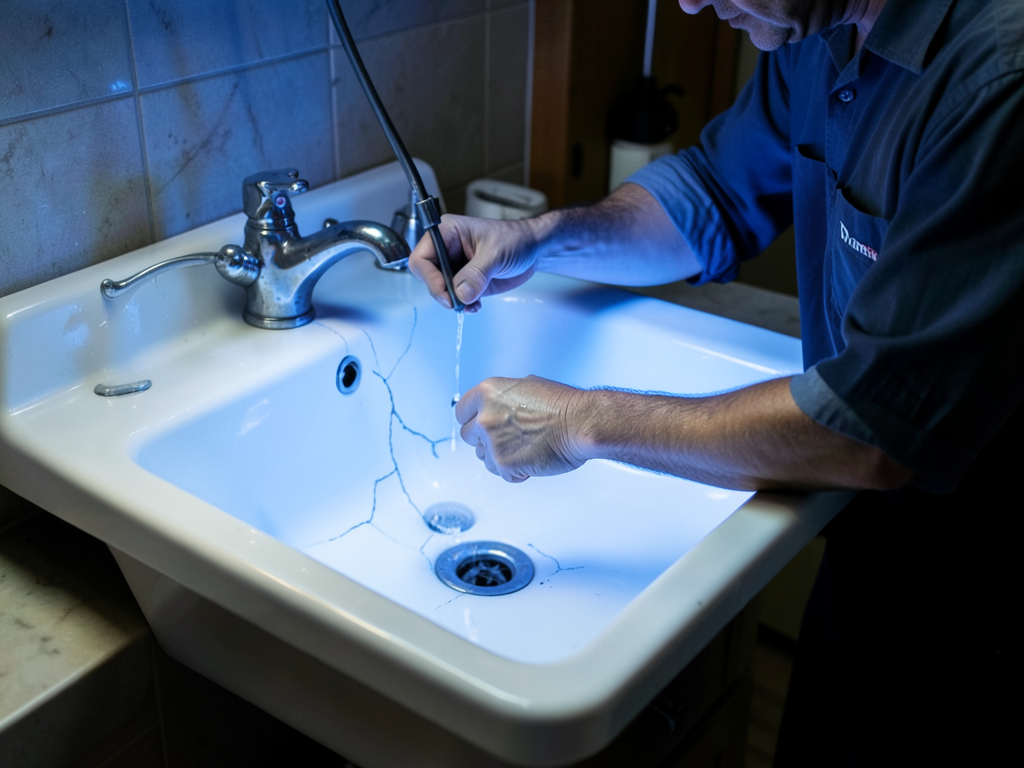
Should You Repair or Replace a Cracked Vintage Sink in Your Historic Beacon Hill Home?

Historic homes in Beacon Hill often feature original porcelain sinks that add irreplaceable character to kitchens and bathrooms. When a…

Why Your High Rise Condo in the Seaport District Still Needs a Pressure Reducing Valve

Why Your High Rise Condo in the Seaport District Still Needs a Pressure Reducing Valve Living in a modern high…

Contact Us

Mold in bathroom cabinets will not resolve on its own. Every day the moisture source remains active, contamination spreads deeper into your walls and subfloor. Call Heritage Plumbing Boston now at (617) 749-9799 for same-day assessment and permanent mold elimination.