




menu

Sediment Buildup in Pipes in Boston – Expert Diagnosis and Permanent Repair Solutions

Heritage Plumbing Boston uses advanced camera inspection and hydro-jetting technology to diagnose sediment buildup in pipes, remove mineral deposits, and restore water flow without unnecessary replacements.

Slider Image 1
Slider Image 2
Slider Image 3
Slider Image 4
Slider Image 5
Slider Image 7
Slider Image 8
Slider Image 9
Slider Image 10
Slider Image 11

How Boston's Hard Water Creates Pipe Blockages You Can't Ignore

You turn on the tap and the water pressure feels weak. Your water heater makes popping sounds. Your fixtures clog faster than they should. These are not random problems. Boston's municipal water supply, drawn largely from the Quabbin and Wachusett reservoirs, carries dissolved minerals that accumulate inside your pipes over time.

Calcium buildup in water lines starts as microscopic deposits. Over months and years, limescale accumulation in plumbing narrows the pipe diameter. What was once a half-inch supply line becomes a quarter-inch opening. Water pressure drops. Appliances wear out faster. Energy bills climb because your water heater works harder to push water through constricted lines.

Hard water pipe scaling affects older homes in neighborhoods like Beacon Hill, the South End, and Dorchester more aggressively. If your home was built before 1980, galvanized steel pipes are common. These pipes corrode from the inside, creating rough surfaces where mineral deposits in water pipes bond and grow. The result is a compounding problem. Corrosion creates texture. Texture traps minerals. Minerals narrow the pipe. Flow slows. Pressure drops.

Pipe calcification problems also create hidden risks. Sediment traps bacteria. Stagnant pockets form behind buildup. Water quality degrades. You might notice discolored water in the morning or a metallic taste. These are signs that sediment has moved beyond inconvenience into a health concern.

Boston's freeze-thaw cycles make the problem worse. When pipes freeze, ice expands against weakened, mineral-coated walls. Microfractures form. Leaks follow. What started as slow sediment buildup becomes an emergency pipe failure in February.

How Boston's Hard Water Creates Pipe Blockages You Can't Ignore
How We Remove Sediment Without Destroying Your Plumbing System

How We Remove Sediment Without Destroying Your Plumbing System

Most plumbers see sediment buildup and recommend full pipe replacement. That is expensive and often unnecessary. Heritage Plumbing Boston uses diagnostic tools and targeted removal methods that clear buildup without demolition.

We start with video camera inspection. A fiber-optic camera travels through your pipes and transmits real-time footage. We see the exact location, thickness, and composition of the buildup. This is not guesswork. We know whether you have calcium carbonate, magnesium hydroxide, or iron oxide deposits. Each type requires a different removal strategy.

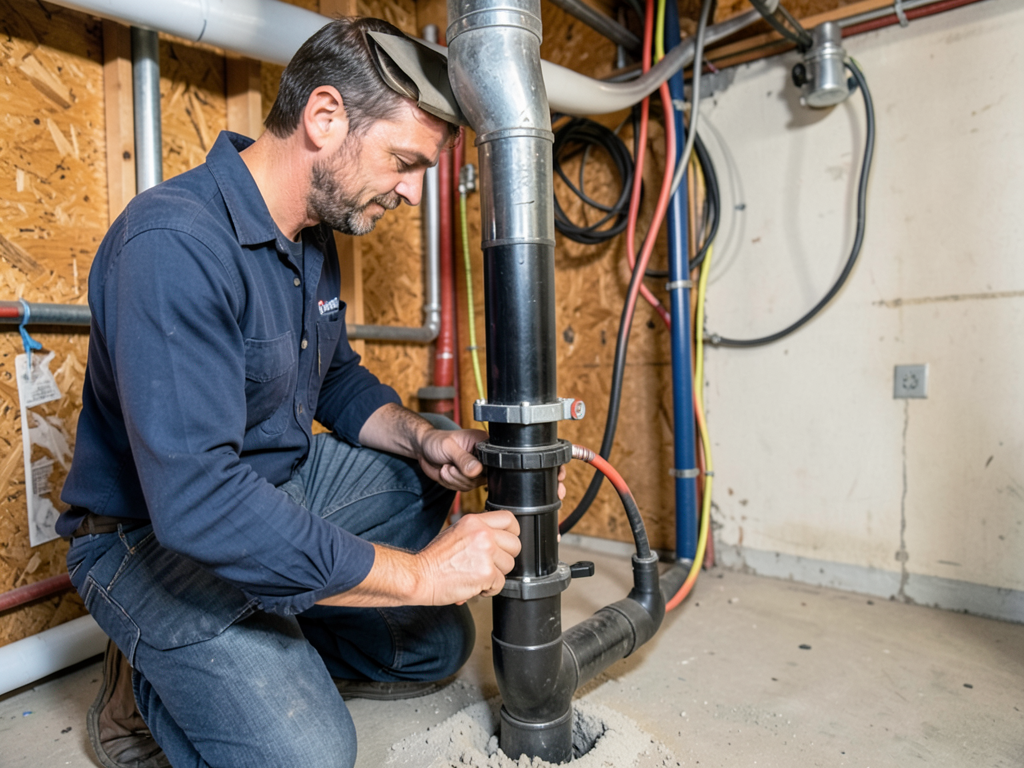
For moderate calcium buildup in water lines, we use hydro-jetting. A high-pressure water stream, calibrated between 3,000 and 4,000 PSI, scours the pipe walls clean. The force is strong enough to remove decades of limescale accumulation in plumbing but controlled enough to avoid damaging copper or PEX piping. The debris flushes out through your drain lines. Your pipes return to near-original diameter.

For severe pipe calcification problems, especially in galvanized steel lines, we use mechanical descaling tools. A rotating cable with a cutting head grinds away hardened mineral deposits. This method works when hydro-jetting alone cannot penetrate the scale. After descaling, we flush the system with a neutralizing solution to prevent immediate re-scaling.

If the video inspection reveals structural damage beneath the sediment, we recommend targeted pipe replacement. We only replace the damaged section, not the entire system. This keeps your project affordable and minimizes wall damage.

We also install whole-home water softeners or point-of-use filtration systems to prevent future mineral deposits in water pipes. Prevention is cheaper than repeated cleanings. Softened water extends the life of your fixtures, appliances, and pipes by years.

What Happens During a Sediment Removal Service Call

Sediment Buildup in Pipes in Boston – Expert Diagnosis and Permanent Repair Solutions
01

Video Pipe Inspection

We insert a waterproof camera through an access point, usually a cleanout or removed fixture. The camera travels through your supply or drain lines and records the interior condition. You watch the footage with us. We point out sediment thickness, corrosion, and any structural issues. This inspection takes 30 to 60 minutes and gives us a complete map of your plumbing system before we begin work.
02

Hydro-Jetting or Descaling

Based on the inspection, we select the removal method. Hydro-jetting uses high-pressure water to blast away soft to moderate buildup. Mechanical descaling uses rotating cutting heads for hardened scale. Both methods restore flow and pressure. We monitor pressure levels throughout the process to avoid pipe stress. The work typically takes two to four hours, depending on the extent of buildup and pipe length.
03

System Flush and Testing

After sediment removal, we flush your system with clean water to clear debris. We test water pressure at multiple fixtures to confirm restoration. If pressure remains low, we investigate secondary blockages or valve issues. We also provide recommendations for water softening or filtration systems to prevent future sediment buildup. You leave with clear pipes and a prevention plan.

Why Boston Homeowners Trust Heritage Plumbing for Pipe Sediment Issues

Boston's plumbing systems are old. The city has some of the oldest housing stock in the country. Homes in neighborhoods like Charlestown, the North End, and Jamaica Plain were built between 1880 and 1940. These homes have cast iron drains, galvanized steel supply lines, and outdated fixture connections. Generic plumbers treat every pipe the same. We treat Boston homes with the care their age demands.

We understand the Quabbin water supply. Boston's water is moderately hard, with calcium and magnesium levels that vary by season. Spring runoff dilutes mineral content. Summer and fall see higher concentrations. We time descaling services and water softener installations based on these patterns. This is local knowledge that national chains do not have.

We also know the Massachusetts Plumbing Code inside and out. When we replace a section of pipe, we follow Title 248 CMR regulations. We pull permits when required. We use code-approved materials. Inspectors know our work. You avoid the headache of failed inspections and rework.

Heritage Plumbing Boston has worked in Boston for years. We have cleared sediment from triple-deckers in Dorchester, brownstones on Commonwealth Avenue, and single-family homes in West Roxbury. We know the pipe materials common to each era. We know which buildings have lead service lines and which have been updated. This experience means faster diagnostics and fewer surprises.

We also respect your home. Pipe work is invasive. We use drop cloths, clean up debris, and explain every step before we start. You are not left guessing what we are doing or why. Transparency builds trust. Trust keeps customers coming back.

When you call Heritage Plumbing Boston, you get a plumber who knows Boston's water, Boston's pipes, and Boston's building codes. You get solutions tailored to your home, not cookie-cutter fixes.

What to Expect When You Schedule Sediment Removal Service

Scheduling and Response Time

We offer same-day and next-day appointments for sediment issues. If you are experiencing low water pressure or no hot water, we prioritize your call. Our trucks are stocked with hydro-jetting equipment, cameras, and descaling tools, so we can often complete the work in one visit. For non-emergency evaluations, we schedule within 48 hours. You will receive a call 30 minutes before arrival. We show up on time, and if delays happen, we notify you immediately.

The Inspection and Estimate Process

Before we start any work, we perform a video inspection. You see what we see. We explain the severity of the sediment buildup, the condition of the pipes, and the best removal method. We provide a flat-rate estimate based on the scope of work, not an hourly guess. If we discover additional issues during the inspection, such as corrosion or leaks, we discuss them with you before proceeding. No surprise charges. No upselling. Just honest assessment and clear pricing.

The Quality of the Repair

We do not patch problems. We solve them. Hydro-jetting removes sediment down to the pipe wall. Mechanical descaling restores the original pipe diameter. After the work, we test water pressure at every fixture. We also check for leaks and verify that drainage flows correctly. If we recommend pipe replacement, we use copper or PEX materials rated for Boston's water chemistry and freeze conditions. The work meets code and lasts for decades.

Maintenance and Prevention Plans

Sediment buildup is not a one-time problem. Hard water is constant. We offer annual maintenance plans that include video inspections and preventive hydro-jetting before buildup becomes severe. We also install whole-home water softeners and point-of-use filters to reduce mineral deposits at the source. Maintenance plans lower long-term costs and extend the life of your plumbing system. You get priority scheduling, discounted service rates, and peace of mind.

Frequently Asked Questions

You Have Questions,
We Have Answers

How much to flush pipes in a house? +

Flushing pipes in a Boston home typically ranges from $150 to $500, depending on the size of your plumbing system and the severity of sediment buildup. A simple fixture flush costs less than a whole-house hydro jetting service. Boston's aging pipe infrastructure, particularly in older neighborhoods like South End or Beacon Hill, often requires more intensive flushing due to decades of mineral deposits from hard water. The price also varies if your pipes need camera inspection before flushing. Most plumbers charge a flat service fee plus hourly labor. Get a written estimate before work begins.

What causes sediment buildup in pipes? +

Sediment buildup occurs when minerals like calcium and magnesium in Boston's water supply precipitate and cling to pipe walls. The city's moderately hard water accelerates this process. Rust from aging iron pipes, common in pre-1950s Boston homes, adds corrosion particles. Sand and dirt enter through compromised main lines during water main breaks, which happen frequently in winter due to freeze-thaw cycles. Low water pressure allows particles to settle instead of flushing through. Water heaters accelerate mineral deposition because heat causes minerals to crystallize faster. Older galvanized steel pipes corrode internally, creating rough surfaces where sediment collects.

How to remove silt from pipes? +

Removing silt from pipes requires hydro jetting, which uses high-pressure water streams up to 4,000 PSI to scour pipe interiors clean. A plumber inserts a specialized nozzle into your drain line and blasts water backward, dislodging silt and flushing it toward the sewer main. For Boston homes with fragile clay or cast iron pipes, plumbers reduce pressure to prevent cracking. Chemical descalers work for mineral buildup but not sand or silt. Camera inspection confirms complete removal. Mechanical augering pushes silt around rather than removing it. Hydro jetting is the most effective method for Boston's older plumbing systems.

How to remove build up in water pipes? +

Removing buildup from water pipes depends on the material causing blockage. Mineral scale requires hydro jetting or chemical descaling agents like phosphoric acid solutions. Plumbers snake a high-pressure jetting hose through your system, scouring deposits from pipe walls. For Boston homes with copper piping, acidic descalers dissolve calcium carbonate without damaging metal. Severe buildup in galvanized pipes may require pipe replacement because corrosion eats through the walls. Point-of-use descaling works for individual fixtures. Whole-house water softeners prevent future accumulation. Never use store-bought drain cleaners for pipe scale. They damage pipes and do not address mineral deposits effectively.

How much does it cost to clean flush pipes from sediment build up? +

Cleaning sediment buildup from pipes in Boston costs between $300 and $1,200. A straightforward drain line flush runs $300 to $600. Whole-house hydro jetting for multiple drain lines costs $500 to $1,200. Main sewer line cleaning adds $400 to $800 if sediment reached your lateral. Camera inspection adds $200 to $400 but identifies problem areas before work begins. Prices increase for three-story homes or properties with complex plumbing layouts common in Back Bay brownstones. Emergency service costs more. Most plumbers offer free estimates. Pricing depends on access points, pipe condition, and equipment needed for your specific situation.

Will insurance pay for sewer line replacement? +

Standard homeowners insurance rarely covers sewer line replacement because insurers classify it as maintenance, not sudden damage. If a covered peril like a fallen tree crushes your line, you may get partial coverage. Boston homeowners should review their policy for sewer backup endorsements, which cost $50 to $250 annually and cover damage from backups but not the line itself. Some policies cover collapse from external forces. The Massachusetts Water Resources Authority offers low-interest loans for sewer work. Document everything with photos and get multiple quotes. Always file a claim even if denied. Your agent clarifies coverage specifics.

How do plumbers descale pipes? +

Plumbers descale pipes using hydro jetting equipment that propels water at 3,000 to 4,000 PSI through a rotating nozzle. The nozzle sprays water backward and radially, scrubbing scale from pipe interiors while pulling itself forward on water pressure. For stubborn mineral deposits in Boston's older copper and galvanized systems, plumbers use phosphoric or sulfamic acid descaling solutions that dissolve calcium carbonate and rust without corroding metal. They isolate the affected section, circulate heated descaler for several hours, then flush thoroughly. Camera inspection confirms complete scale removal. This process restores flow capacity without replacing pipes in most cases.

Why do plumbers say not to use drain cleaner? +

Plumbers warn against drain cleaners because they cause more harm than good. Sodium hydroxide and sulfuric acid formulas generate heat exceeding 200 degrees, which cracks PVC joints and corrodes metal pipes. The chemicals sit in your trap, eating through pipe walls rather than reaching the clog. In Boston's older homes with mixed pipe materials, drain cleaners accelerate galvanic corrosion where copper meets steel. They create toxic fumes in enclosed spaces. Repeated use weakens pipes until they burst, causing water damage. Drain cleaners also do not remove sediment or scale. Professional snaking or hydro jetting clears clogs without destroying your plumbing system.

How much does a plumber cost to unclog a main line? +

Unclogging a main sewer line in Boston costs $350 to $650 for standard augering and $500 to $1,500 for hydro jetting. Simple clogs near the cleanout cost less. Deeper blockages requiring 100-plus feet of cable increase labor time and cost. If your main line runs under a driveway or connects to the city sewer deep in the street, expect higher pricing. Emergency calls after hours or weekends add $150 to $300. Camera inspection adds $200 but identifies root intrusion or pipe collapse. Most plumbers charge a service call fee plus hourly rates. Get a written quote before authorizing work.

Why pour salt down the drain every night? +

Pouring salt down drains every night does nothing beneficial and may harm your plumbing. This internet myth claims salt prevents clogs, but sodium chloride does not dissolve grease or break down organic matter. Salt corrodes metal pipes, especially older galvanized steel common in Boston homes. It also kills beneficial bacteria in septic systems if you have one. Regular hot water flushing works better for maintenance. The salt residue attracts moisture, potentially accelerating corrosion in your trap. Save your money and skip this useless practice. Proper drain maintenance means avoiding grease disposal and using drain screens to catch debris.

Why Boston's Water Chemistry Makes Sediment Removal Essential for Older Homes

Boston's water supply comes from the Quabbin and Wachusett reservoirs, which feed the MWRA system. The water is moderately hard, with dissolved calcium and magnesium levels that fluctuate seasonally. Homes built before 1980 often have galvanized steel pipes. These pipes corrode from the inside, creating rough surfaces where calcium buildup in water lines bonds aggressively. In neighborhoods with older housing stock, such as Roxbury, Dorchester, and East Boston, sediment buildup accelerates. Winter freeze-thaw cycles compound the problem. Ice expands against weakened pipe walls, leading to leaks and failures that start as minor sediment issues.

Heritage Plumbing Boston understands the local water system and the materials common to Boston homes. We have worked in every neighborhood, from triple-deckers in Allston to historic brownstones in Back Bay. We know which buildings have been repiped and which still rely on original galvanized lines. This familiarity means faster diagnostics and more accurate solutions. We also follow Massachusetts Plumbing Code requirements, pull permits when needed, and use materials approved for Boston's water chemistry. Local expertise matters when your pipes are 50, 80, or 100 years old.
Plumbing Services in The Boston Area

Heritage Plumbing proudly serves Boston and its surrounding areas. Our central location allows us to respond quickly to service calls across residential neighborhoods, business districts, and historic zones alike. Whether you’re downtown or in the suburbs, our local knowledge and flexible scheduling ensure a seamless service experience. Use the map below to find our office, service radius, and contact points — and don’t hesitate to reach out for availability in your area.

Address:
Heritage Plumbing Boston, 75 Arlington St, Boston, MA, 02116

Additional Services We Offer

Our news updates

Latest Articles & News from The Blogs

How to Upgrade Your Kitchen Faucet Without Replacing the Entire Sink in Waltham You can upgrade your kitchen faucet in…

How to Upgrade Your Kitchen Faucet Without Replacing the Entire Sink in Waltham

How to Upgrade Your Kitchen Faucet Without Replacing the Entire Sink in Waltham You can upgrade your kitchen faucet in…

The Hidden Plumbing Risks of Finishing Your Basement in a Flood Zone Like Revere

The Hidden Plumbing Risks of Finishing Your Basement in a Flood Zone Like Revere Finishing your basement in Revere sounds…

Why Your High Efficiency Washing Machine is Causing Suds in Your Danvers Laundry Room

Why Your High Efficiency Washing Machine is Causing Suds in Your Danvers Laundry Room If you’re staring at a laundry…

Contact Us

Sediment buildup will not fix itself. Low water pressure, noisy water heaters, and discolored water are signs of serious mineral deposits. Call Heritage Plumbing Boston at (617) 749-9799 to schedule a video inspection and get a clear diagnosis. We respond fast, work clean, and solve the problem right.