




menu

Hydro Jetting vs. Snaking in Boston – Expert Guidance to Choose the Right Drain Cleaning Method

Understand the critical difference between hydro jetting and snaking so you can make the informed decision that saves you time, money, and prevents recurring clogs in Boston's aging pipe infrastructure.

Slider Image 1
Slider Image 2
Slider Image 3
Slider Image 4
Slider Image 5
Slider Image 7
Slider Image 8
Slider Image 9
Slider Image 10
Slider Image 11

Why Boston Homeowners Face the Hydro Jet vs Drain Snake Decision

You have a stubborn drain clog. A plumber offers you two options. One sounds high-tech. The other sounds old-school. You have no idea which one you actually need.

This is the hydro jetting vs rooter dilemma that Boston property owners face every day. The wrong choice means you pay for a service that does not solve the problem. The clog returns in weeks. You call the plumber again. You pay again.

Boston's pipe infrastructure complicates this decision. Many homes in neighborhoods like Beacon Hill, Back Bay, and the South End were built between 1880 and 1920. The cast iron and clay pipes in these properties have decades of buildup. Tree roots from Boston's mature urban canopy infiltrate sewer lines through microscopic cracks. The freeze-thaw cycle we experience every winter accelerates pipe deterioration and creates perfect conditions for root penetration.

The difference between hydro jetting and snaking comes down to what is causing the blockage and what you want the outcome to be. A plumbing snake is a mechanical auger that punches a hole through the clog. It creates a passage for water to flow. Hydro jetting uses pressurized water at 3,000 to 4,000 PSI to scour the entire interior diameter of the pipe. It removes grease, scale, rust, and root intrusions completely.

The pros and cons of hydro jetting vs snaking depend on your specific situation. Snaking works for simple clogs caused by paper, hair, or soap buildup. Water jetting handles grease accumulation, mineral deposits, and root invasion. Understanding plumbing snake vs water jetting performance helps you avoid paying for temporary fixes when you need a permanent solution.

Why Boston Homeowners Face the Hydro Jet vs Drain Snake Decision
How Each Method Works and When to Use It

How Each Method Works and When to Use It

A drain snake consists of a flexible metal cable with a coiled auger head or cutting blade attached. The technician feeds the cable into the drain line and rotates it manually or with a motorized drum. When the auger contacts the obstruction, the rotation breaks up the clog or snags it so the technician can pull it out. The snake creates a hole through the blockage. Water can flow again. The pipe walls remain coated with residue.

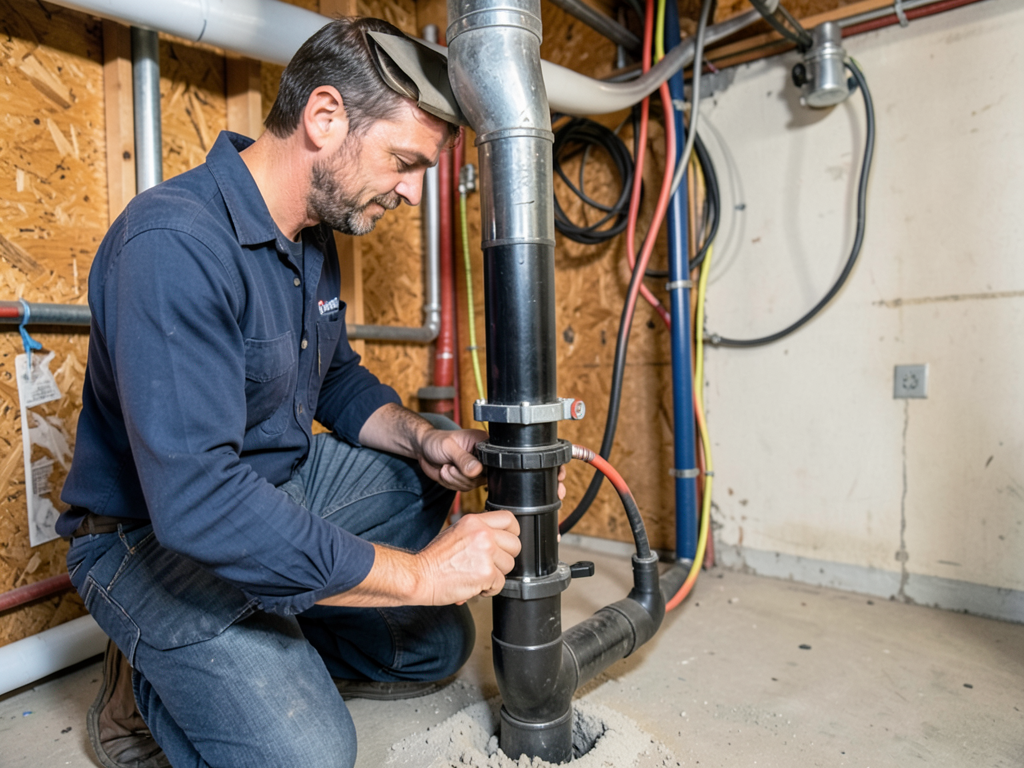
Hydro jetting uses a specialized nozzle connected to a high-pressure water pump. The technician inserts the jetting hose through a cleanout or access point. The nozzle has forward-facing jets that propel the hose through the line and rear-facing jets that blast the pipe walls at 360 degrees. The pressurized water scours away grease, sludge, scale, soap scum, and small root intrusions. The debris flushes downstream into the municipal sewer system.

The hydro jetting vs rooter comparison becomes clear when you consider residual buildup. A rooter or snake removes the immediate obstruction. It does not address the underlying conditions that caused the clog. Grease stays on the pipe walls. Roots continue growing. Scale remains intact. The clog reforms in weeks or months.

Water jetting restores the pipe to near-original diameter. It removes the material that causes recurring blockages. For Boston properties with galvanized steel or cast iron drain lines, this means addressing decades of corrosion and buildup in a single service.

You need video camera inspection before choosing between methods. The camera reveals what is inside the pipe. If the camera shows a simple obstruction in otherwise clean pipes, snaking works. If the camera reveals heavy buildup, root intrusion, or multiple blockages, hydro jetting is the correct solution. Technicians can also identify pipe damage that makes high-pressure jetting unsafe.

What Happens During a Drain Cleaning Service in Boston

Hydro Jetting vs. Snaking in Boston – Expert Guidance to Choose the Right Drain Cleaning Method
01

Camera Inspection First

The technician inserts a waterproof video camera into your drain line through a cleanout or access point. You watch the live feed on a monitor. The camera reveals the exact location and nature of the blockage. You see whether the obstruction is grease, roots, scale, or a foreign object. The technician measures the distance to the blockage and evaluates pipe condition. This diagnostic step determines whether snaking or jetting is appropriate for your specific situation.
02

Method Selection and Execution

Based on camera findings, the technician selects the appropriate tool. For simple obstructions in sound pipes, a cable auger clears the blockage in minutes. For heavy buildup or root intrusion, the technician uses a hydro jet with the correct nozzle configuration. Penetrating nozzles handle roots. Rotating nozzles address grease and scale. The technician adjusts water pressure based on pipe material and condition. Cast iron and PVC handle different pressure levels safely.
03

Post-Service Verification

After clearing the line, the technician runs the camera through again. You see the before and after comparison on the monitor. The camera confirms the pipe is clear and identifies any structural issues that need attention. The technician explains what caused the clog and how to prevent recurrence. You receive documentation of the camera inspection, including footage and still images. This creates a baseline record of your pipe condition for future reference.

Why Boston Properties Need Specialized Drain Cleaning Knowledge

Boston's plumbing systems present unique challenges that generic drain cleaning approaches fail to address. Heritage Plumbing Boston works with pipe materials and configurations that other regions do not encounter. This experience determines whether your drain cleaning solves the problem or creates new damage.

Cast iron drain lines dominate pre-1960 Boston construction. These pipes corrode from the inside over decades. The corrosion creates a rough, pitted interior surface that snags debris and promotes buildup. A technician unfamiliar with cast iron aging might apply hydro jetting pressure that sounds impressive but fractures already-weakened pipe walls. You end up with a collapsed line and an excavation project.

Boston's combined sewer system adds another layer of complexity. Many older neighborhoods connect building drains directly to lines that carry both sewage and stormwater. Heavy rain events cause backflow that pushes debris back into your lateral line. Understanding this system interaction helps diagnose recurring clogs that have nothing to do with what you put down the drain.

Tree root intrusion follows predictable patterns in Boston. Norway maples, American elms, and London plane trees line streets throughout the city. Their root systems seek water sources aggressively. Roots enter pipes through joints, cracks, and connection points. A technician experienced with Boston's urban forestry knows where to look for root damage based on your street trees and property age.

Local building codes affect how technicians access your drain lines. Boston requires backflow preventers on many properties. The Massachusetts Plumbing Code mandates specific cleanout placement and sizing. A technician familiar with these requirements knows how to work within code constraints and identifies violations that create drainage problems.

Heritage Plumbing Boston technicians evaluate your entire drainage system context before recommending a clearing method. We consider pipe material, age, local soil conditions, tree proximity, and system configuration. This assessment prevents the common mistake of applying a powerful solution to a fragile problem.

What You Should Expect From Professional Drain Cleaning

Response Time and Scheduling

Emergency drain clearing is available 24 hours when you have sewage backup or complete blockage. Standard service requests receive same-day or next-day scheduling. The technician arrives in a fully-equipped service vehicle with camera inspection equipment, cable machines in multiple sizes, and hydro jetting systems. You receive a call 30 minutes before arrival with the technician's name and estimated arrival time. The service window is two hours maximum. Most drain clearing services take 60 to 90 minutes from arrival to completion, including camera inspection and verification.

Diagnostic Process and Transparency

Camera inspection happens before any clearing work begins. You watch the video feed in real time. The technician explains what you are seeing and points out the blockage location, pipe condition, and any structural concerns. You receive honest guidance about whether snaking or jetting is appropriate. The technician explains cost differences between methods and long-term value considerations. If the camera reveals pipe damage that makes clearing unsafe or ineffective, the technician stops and explains your options. You never pay for service that does not solve the underlying problem. The diagnostic approach prevents surprise costs and ensures you make informed decisions.

Service Quality and Results

Professional drain clearing restores full pipe diameter and flow capacity. Snaking removes the immediate obstruction. Jetting removes decades of buildup. The technician tests water flow after clearing to confirm results. You see the post-service camera footage showing clean pipe walls. The service includes disposal of extracted debris and cleanup of the work area. You receive before and after video documentation via email for your records. The technician identifies any maintenance issues that could cause future problems. You get straightforward information about expected service life based on current pipe condition.

Prevention and Maintenance Guidance

After clearing your drain, the technician explains what caused the blockage and how to prevent recurrence. You receive specific guidance based on your pipe material, usage patterns, and property characteristics. For properties with root intrusion, the technician recommends inspection intervals that catch problems before they become emergencies. For grease buildup, you learn which household practices contribute to accumulation. The technician explains when preventive hydro jetting makes financial sense compared to reactive snaking. You get realistic expectations about how long the clearing should last based on your specific conditions. This knowledge helps you budget and plan appropriately.

Frequently Asked Questions

You Have Questions,
We Have Answers

Is hydro jetting better than snaking? +

Hydro jetting clears more debris than snaking. Snaking pokes a hole through a clog, leaving residue on pipe walls. Hydro jetting uses high-pressure water to scour the entire pipe interior, removing grease, scale, and tree roots. For Boston homes with aging cast iron or clay sewer lines, hydro jetting prevents recurring blockages caused by buildup. Snaking works for simple clogs, but hydro jetting addresses the root cause. If you face frequent backups or slow drains, hydro jetting delivers longer-lasting results.

Is hydro jetting worth the cost? +

Hydro jetting costs more upfront but saves money long-term. It removes all debris, not just the immediate clog, reducing future service calls. For Boston properties with older sewer systems or tree root intrusion common in neighborhoods like Jamaica Plain or Dorchester, hydro jetting prevents expensive emergency repairs. If you snake your drain every six months, hydro jetting once may eliminate the cycle. Weigh the cost against repeat visits and potential pipe damage from untreated buildup.

What are the signs I need hydro jetting? +

You need hydro jetting if drains back up frequently, multiple fixtures drain slowly, or you smell sewage in your home. Gurgling sounds from toilets or tubs indicate a partial blockage. If snaking provides only temporary relief, buildup on pipe walls is the issue. Boston homes built before 1980 often have cast iron pipes prone to rust and scale accumulation. Tree roots infiltrating sewer lines also require hydro jetting. A camera inspection confirms whether hydro jetting is necessary.

Is hydro jetting safe for old pipes? +

Hydro jetting is safe for most pipes when performed by a licensed plumber. Older pipes require a camera inspection first to check for cracks, corrosion, or weak joints. Boston has many homes with original cast iron or Orangeburg pipes that may not withstand high pressure. A professional adjusts pressure based on pipe condition and material. Skipping the inspection risks bursting fragile lines. If your pipes are compromised, snaking or pipe replacement may be the better option.

Does hydro jetting have any disadvantages? +

Hydro jetting costs more than snaking and requires specialized equipment. It can damage severely corroded or cracked pipes if not assessed first. The process uses significant water volume, which may concern homeowners on well systems. In Boston's freezing winters, outdoor cleanouts may be inaccessible without excavation. Hydro jetting also does not fix structural pipe issues like bellied lines or collapsed sections. It clears blockages but does not repair damage. A camera inspection identifies these limitations before treatment.

What do plumbers recommend to unclog drains? +

Plumbers recommend hydro jetting for severe clogs and snaking for simple blockages. The choice depends on clog type, pipe condition, and frequency of backups. For grease buildup, tree roots, or scale, hydro jetting removes the entire obstruction. For hair or minor debris, snaking suffices. Boston plumbers often suggest a camera inspection first to diagnose the issue accurately. Avoid chemical drain cleaners, which corrode pipes and harm the environment. Professional assessment prevents guesswork and repeat problems.

How much do plumbers charge to hydrojet? +

Hydro jetting costs vary based on clog severity, pipe accessibility, and line length. Prices in Boston reflect the complexity of older urban infrastructure and the need for camera inspections. Main sewer line jetting costs more than branch line clearing. Emergency or after-hours service increases the price. Most plumbers provide a flat rate after inspecting the issue. Request a detailed estimate that includes camera inspection and any prep work. Comparing multiple quotes helps you budget appropriately.

Why do plumbers say not to use drain cleaner? +

Plumbers avoid drain cleaners because they corrode pipes, especially older cast iron and galvanized lines common in Boston. The chemicals generate heat that weakens joints and seals, causing leaks. Drain cleaners also create toxic fumes and environmental hazards when they enter the sewer system. They rarely clear tough clogs like tree roots or grease buildup. Repeated use damages pipes faster than blockages do. Professional snaking or hydro jetting removes clogs without risking your plumbing system or health.

Can I do hydro jetting myself? +

Hydro jetting requires professional equipment and training. Improper pressure settings burst pipes, flood basements, or cause injury. Rental machines lack the adjustable pressure controls and camera systems plumbers use to assess pipe condition first. Boston's mix of old cast iron, clay, and PVC lines demands expertise to avoid damage. Without a camera inspection, you risk catastrophic failure in weakened pipes. Snaking minor clogs is DIY-friendly, but hydro jetting is not. Hire a licensed plumber to protect your property and safety.

Is sewer line damage covered by homeowners insurance? +

Homeowners insurance rarely covers sewer line damage unless caused by a covered peril like a fallen tree. Normal wear, root intrusion, and aging pipes are considered maintenance issues. Boston homeowners should review their policy and consider adding sewer line coverage or a rider. Some insurers offer optional endorsements for backup and collapse. Document all plumbing maintenance and repairs to support claims. If a sudden, accidental event caused the damage, file a claim immediately with detailed photos and plumber reports.

How Boston's Aging Infrastructure Affects Your Drain Cleaning Options

Boston has some of the oldest residential plumbing infrastructure in the United States. Properties built before 1950 often have cast iron drain stacks and clay sewer laterals. These materials have 70 to 100 year service lives under ideal conditions. Boston's freeze-thaw cycles, acidic soil conditions from decaying organic matter, and aggressive tree root systems accelerate deterioration. The result is pipe interiors with significant corrosion, scale buildup, and root penetration. A drain snake might clear a path through this environment, but it leaves the underlying conditions intact. Hydro jetting addresses the buildup that causes recurring blockages, but only if the pipe walls can withstand the pressure. This is why camera inspection before service is non-negotiable in Boston properties.

Heritage Plumbing Boston built its reputation on understanding these local pipe conditions. Our technicians train specifically on cast iron corrosion patterns, clay pipe joint failure, and root intrusion characteristics common to Boston neighborhoods. We work daily with the pipe materials, soil conditions, and tree species that affect your property. This local expertise means accurate diagnosis and appropriate method selection. You avoid the costly mistakes that happen when out-of-area contractors apply generic solutions to Boston's specific challenges. Our camera inspection library contains thousands of Boston pipe videos. This reference helps us identify problems faster and recommend solutions based on proven local outcomes.
Plumbing Services in The Boston Area

Heritage Plumbing proudly serves Boston and its surrounding areas. Our central location allows us to respond quickly to service calls across residential neighborhoods, business districts, and historic zones alike. Whether you’re downtown or in the suburbs, our local knowledge and flexible scheduling ensure a seamless service experience. Use the map below to find our office, service radius, and contact points — and don’t hesitate to reach out for availability in your area.

Address:
Heritage Plumbing Boston, 75 Arlington St, Boston, MA, 02116

Additional Services We Offer

Our news updates

Latest Articles & News from The Blogs

How to Upgrade Your Kitchen Faucet Without Replacing the Entire Sink in Waltham You can upgrade your kitchen faucet in…

How to Upgrade Your Kitchen Faucet Without Replacing the Entire Sink in Waltham

How to Upgrade Your Kitchen Faucet Without Replacing the Entire Sink in Waltham You can upgrade your kitchen faucet in…

The Hidden Plumbing Risks of Finishing Your Basement in a Flood Zone Like Revere

The Hidden Plumbing Risks of Finishing Your Basement in a Flood Zone Like Revere Finishing your basement in Revere sounds…

Why Your High Efficiency Washing Machine is Causing Suds in Your Danvers Laundry Room

Why Your High Efficiency Washing Machine is Causing Suds in Your Danvers Laundry Room If you’re staring at a laundry…

Contact Us

Stop guessing about drain cleaning methods. Call Heritage Plumbing Boston at (617) 749-9799 for camera inspection and honest recommendations. We explain your options clearly and perform the service that actually solves your drainage problem.