



menu

Low Water Pressure Issues in Boston – Expert Diagnosis and Permanent Solutions

Heritage Plumbing Boston specializes in diagnosing and permanently fixing low water pressure issues caused by Boston's aging infrastructure, corroded galvanized pipes, and municipal supply fluctuations. We identify the real cause, not just the symptom.

Slider Image 1
Slider Image 2
Slider Image 3
Slider Image 4
Slider Image 5
Slider Image 7
Slider Image 8
Slider Image 9
Slider Image 10
Slider Image 11

Why Boston Homes Experience Persistent Water Pressure Problems

You turn on the shower and get a trickle. Your washing machine takes forever to fill. Your second-floor faucets barely produce flow while the basement sink runs fine. Weak water pressure is not just annoying. It signals a deeper issue with your plumbing system that will only get worse.

Boston's housing stock complicates this problem. Many homes in neighborhoods like Dorchester, Jamaica Plain, and South Boston were built between 1890 and 1950. These properties often contain original galvanized steel pipes that corrode from the inside out. The result is poor water pressure that worsens gradually over years until you barely notice the decline.

The city's municipal water system adds another layer. Boston Water and Sewer Commission maintains pressure between 45 and 65 PSI at the street. But old service lines, undersized interior piping, and corroded fittings cut that pressure dramatically by the time water reaches your fixtures. A home built for different plumbing standards cannot deliver modern flow rates without upgrades.

Decreased water pressure also appears suddenly after work on nearby water mains. Construction along Commonwealth Avenue or Boylston Street can stir sediment that clogs your fixtures or aerators. Winter freeze-thaw cycles damage exterior hose bibs and create hidden leaks that steal pressure. Even a partially closed main shutoff valve, forgotten after a repair, can choke your entire system.

Loss of water pressure is not cosmetic. It reduces appliance efficiency, makes daily tasks frustrating, and often indicates leaks or blockages that waste water and money. The cause is specific. The fix requires proper diagnosis.

Why Boston Homes Experience Persistent Water Pressure Problems
How We Identify and Resolve Low Water Flow Problems

How We Identify and Resolve Low Water Flow Problems

Generic fixes waste your time. We use diagnostic tools and systematic testing to isolate the exact cause of your low water flow.

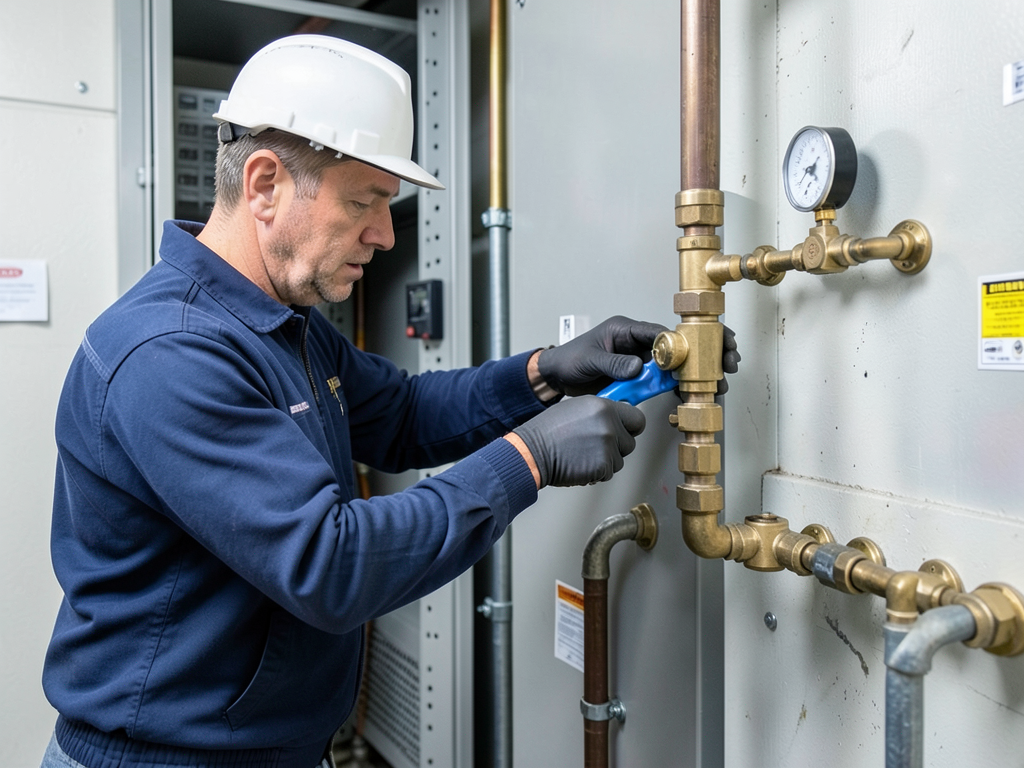
We start with a pressure test at your main shutoff valve. This baseline reading tells us if the problem originates at the street or inside your home. We then test pressure at multiple fixtures throughout the property. A pressure drop between the basement and second floor points to undersized piping or a hidden leak. Consistent low readings across all fixtures suggest a supply line issue or a failing pressure regulator.

We inspect your pressure reducing valve if you have one. Boston's variable municipal pressure often requires a PRV to protect your fixtures. These valves fail after 10 to 15 years, causing either weak pressure or dangerously high pressure that damages appliances. We test the valve under load and replace it if the diaphragm has degraded.

We examine your piping material. Galvanized steel pipes corrode internally, creating rust buildup that narrows the pipe diameter. A three-quarter-inch galvanized line can corrode down to the effective diameter of a half-inch pipe, cutting flow by 60 percent. We scope accessible sections and calculate flow rates to determine if a repipe is necessary.

We check for hidden leaks using acoustic detection equipment. A concealed slab leak or a dripping connection behind a wall can rob pressure while increasing your water bill. Even a small leak diverts flow before it reaches your fixtures.

We clean or replace clogged aerators and flush sediment from your water heater. These quick fixes restore pressure if the problem is localized. But if testing reveals systemic issues like corroded piping or a failing PRV, we provide a clear scope of work for permanent correction.

What Happens During a Pressure Diagnosis Visit

Low Water Pressure Issues in Boston – Expert Diagnosis and Permanent Solutions
01

Initial Pressure Testing

We measure static and dynamic water pressure at your main shutoff valve and at multiple fixtures throughout your home. This identifies whether the issue is municipal supply, internal piping, or fixture-specific blockages. We document baseline readings to compare against normal ranges and pinpoint pressure drops between zones.
02

System Component Inspection

We examine your pressure reducing valve, check for corroded galvanized piping, inspect aerators and fixture valves, and test your water heater for sediment buildup. We use acoustic leak detection if pressure loss suggests a hidden leak. This step isolates the mechanical or material failure causing decreased water pressure in your system.
03

Diagnosis and Repair Plan

We explain what we found in plain terms and provide a prioritized repair plan. If a simple valve replacement or aerator cleaning fixes the problem, we handle it on the spot. If your home needs a repipe or pressure regulator upgrade, we provide a detailed scope and timeline. You get clarity, not guesswork.

Why Boston Homeowners Trust Heritage Plumbing for Pressure Issues

Low water pressure requires local knowledge. Boston's plumbing systems are not uniform. A triple-decker in Charlestown has different piping than a brownstone on Beacon Hill or a postwar ranch in West Roxbury. We understand these differences because we work in these neighborhoods daily.

We know Boston's plumbing code requirements and work with the Inspectional Services Department when upgrades require permits. We understand the city's backflow prevention rules and pressure regulator standards. This knowledge keeps your project compliant and prevents failed inspections.

We also understand the limitations of older homes. Many Boston properties have plumbing concealed in finished walls or under original hardwood floors. We plan access carefully to minimize damage and avoid unnecessary demolition. We coordinate with your schedule to limit disruptions, especially in multi-family buildings where shutdowns affect multiple units.

Our diagnostic approach saves you money. We do not guess. We test, measure, and verify before recommending a solution. If your pressure problem stems from a municipal issue, we guide you through reporting it to Boston Water and Sewer Commission. If the issue is internal, we provide options that fit your budget and your building's constraints.

We also recognize patterns specific to Boston infrastructure. Homes near the Chestnut Hill Reservoir or in higher elevations like Mission Hill experience different pressure dynamics than properties in low-lying areas like East Boston. We factor in elevation, proximity to pumping stations, and the age of your neighborhood's water mains when diagnosing your issue.

You get honest answers. If a quick fix will solve your problem, we do it. If your system needs a larger investment, we explain why and give you a roadmap. No upselling. No surprises.

What to Expect When You Call Heritage Plumbing

Response Time and Availability

We schedule diagnostic visits within 24 to 48 hours for most calls. If you are experiencing a complete loss of water pressure combined with other symptoms like water hammer or visible leaks, we treat it as urgent and respond faster. We work throughout Boston and surrounding communities, so travel time is minimal. Our trucks carry diagnostic equipment, pressure gauges, and common replacement parts like PRVs and aerators, so we can often resolve simple issues during the first visit without a return trip.

Diagnostic Process and Transparency

We walk you through our findings as we test your system. You see the pressure readings, the condition of your pipes, and the components we inspect. We take photos of corroded sections or failed valves so you understand the problem visually. If your issue requires invasive testing or camera inspection, we explain the process and cost upfront. You approve every step before we proceed. We do not perform work you did not authorize, and we provide written estimates for any repairs beyond basic diagnostics.

Quality of Repair Work

We use components rated for Boston's water chemistry and pressure ranges. If you need a new pressure reducing valve, we install adjustable models that let you fine-tune output. If a repipe is necessary, we use PEX or copper based on your building type and code requirements. All work is inspected and tested under full pressure before we leave. We clean up thoroughly and respect your property. You get a system that performs correctly, not a temporary patch.

Follow-Up and Maintenance Guidance

After resolving your pressure issue, we provide guidance on maintaining your system. This includes recommended intervals for flushing your water heater, checking your PRV, and replacing aerators. If your home has older galvanized piping that we did not replace, we explain warning signs to watch for and give you a realistic timeline for future upgrades. We are available for follow-up questions and return if any issues arise after our work. You get support beyond the initial repair visit.

Frequently Asked Questions

You Have Questions,
We Have Answers

What is the most common cause of low water pressure? +

The most common cause is mineral buildup inside aging pipes. Boston's older neighborhoods have galvanized steel pipes that corrode from the inside, narrowing the flow path. Hard water deposits accumulate over decades, especially in South End and Back Bay homes built before 1960. Other frequent culprits include faulty pressure regulators, partially closed main shutoff valves after municipal water work, and clogged faucet aerators. If multiple fixtures show weak flow, the problem sits upstream in your supply lines. If only one fixture is affected, check that specific aerator or fixture valve first.

How to fix your low water pressure problem? +

Start by checking your main shutoff valve. It should be fully open. Remove and clean faucet aerators, which trap sediment. If pressure remains weak throughout the house, test your pressure regulator with a gauge. Readings below 40 psi indicate regulator failure or supply line restrictions. Boston homes built before 1980 often need full pipe replacement due to interior corrosion. Flush your water heater to remove sediment affecting hot water pressure. For persistent issues across multiple fixtures, a licensed plumber needs to inspect your main supply line and pressure regulator for proper diagnosis and repair.

Who is responsible for low water pressure? +

Responsibility splits at your property line. The Boston Water and Sewer Commission owns the main and the pipe to your property boundary. You own everything from that point to your fixtures. If neighbors have similar issues, call BWSC at 617-989-7000. They will test main pressure. If the main delivers adequate pressure but you still have weak flow, the problem sits in your private pipes or pressure regulator. In multi-unit buildings, the condo association typically owns pipes to the unit shutoff valve. Check your building documents to clarify maintenance responsibility.

Can a plumber fix low water pressure? +

Yes. A licensed plumber diagnoses the exact cause and implements the fix. They use pressure gauges to test at multiple points, isolating whether the issue stems from your pressure regulator, corroded supply pipes, clogged valves, or fixture problems. For Boston homes with galvanized pipes, plumbers often recommend full repiping with copper or PEX. They replace faulty pressure regulators, clear sediment from water heaters, and verify your main shutoff valve functions correctly. Professional diagnosis prevents guesswork and wasted money on wrong solutions. Expect a thorough inspection before any repair recommendations.

Does low water pressure mean busted pipe? +

Not always. A burst pipe causes sudden, dramatic pressure loss, often with visible water damage or pooling. Gradual pressure decline over weeks or months points to mineral buildup, corroded pipes, or regulator failure. However, a hidden slab leak or pinhole leak in your basement can reduce pressure without obvious flooding. Boston's freeze-thaw cycles stress pipes, creating small cracks that worsen over time. If you notice unexplained water bills, damp spots, or pressure loss after cold snaps, inspect for leaks immediately. A pressure test isolates leaks from other causes.

How much does it cost for a plumber to fix low water pressure? +

Costs vary by diagnosis. Cleaning aerators or adjusting your main valve costs nothing if you do it yourself. Replacing a pressure regulator runs between the standard service call and parts. If corroded galvanized pipes need replacement, expect higher costs depending on your home's size and pipe accessibility. Boston's older housing stock often requires extensive repiping. Multi-story homes or finished basements increase labor time. Most plumbers charge a diagnostic fee to test pressure and identify the root cause before quoting repair costs. Get multiple estimates for major pipe replacement projects.

How to unclog a p-trap? +

Place a bucket under the trap. Loosen the slip nuts by hand or with pliers, turning counterclockwise. Remove the curved trap section. Dump contents into the bucket. Use a bottle brush or straightened wire hanger to clear stubborn clogs. Inspect the rubber washers for cracks. Rinse the trap thoroughly. Reassemble by hand-tightening slip nuts, then give them a quarter-turn with pliers. Run water and check for leaks. Tighten slightly if needed. This process applies to kitchen and bathroom sinks. Boston's hard water accelerates buildup, so clean traps every few months.

Can I adjust the water pressure myself? +

You can adjust the pressure regulator if your home has one and you know how. Locate the regulator near your main shutoff valve. It has an adjustment screw on top. Turn clockwise to increase pressure, counterclockwise to decrease. Make small quarter-turn adjustments. Test pressure with a gauge after each turn. Ideal range is 50-60 psi. However, if your pipes are corroded or clogged, adjusting the regulator will not solve the problem and may stress weak pipes. Boston's older homes often need professional assessment before DIY adjustments to avoid pipe damage.

Who do you call if water pressure is low? +

Call a licensed plumber first. They diagnose whether the issue sits in your home's pipes, pressure regulator, or fixtures. If the plumber determines the problem originates from the municipal supply, they will advise you to contact the Boston Water and Sewer Commission. BWSC tests main line pressure at your property boundary. Never assume the city is responsible without testing your internal system first. Most low pressure cases stem from private plumbing issues. A plumber saves you time by quickly isolating where the problem starts and who owns that section of pipe.

What are signs of a failing pressure regulator? +

Fluctuating pressure is the clearest sign. Water surges then drops randomly. You hear banging pipes when fixtures turn on or off. Hot water pressure differs noticeably from cold. Leaks appear near the regulator housing. Your pressure gauge shows readings outside the 50-60 psi range. Regulators fail after 10-15 years due to internal diaphragm wear. Boston's water quality and seasonal temperature swings accelerate wear. If you notice these symptoms, test pressure with a gauge at an outside hose bib. Readings below 40 or above 80 psi require immediate regulator replacement.

How Boston's Aging Water Infrastructure Affects Your Home Pressure

Boston's water distribution system includes cast iron mains installed in the early 1900s. While the city has upgraded many sections, older pipes still serve neighborhoods like Roxbury, Mattapan, and parts of Allston. These aging mains accumulate mineral deposits and rust that reduce effective diameter. When combined with corroded galvanized service lines running from the street to your home, the cumulative effect can cut your water pressure by 30 to 50 percent. The problem compounds in multi-story buildings where vertical runs and increased fixture count demand higher baseline pressure. Understanding this infrastructure reality helps explain why poor water pressure is common in certain Boston zip codes.

Choosing a plumber familiar with Boston's specific code requirements matters. The city enforces strict backflow prevention rules, especially in mixed-use buildings and homes with irrigation systems. Pressure regulators must meet Massachusetts Plumbing Code 248 CMR standards. A plumber unfamiliar with these regulations may install components that fail inspection or leave your system non-compliant. Heritage Plumbing works daily with Boston's Inspectional Services Department and understands permit requirements for pressure booster systems and repipe projects. We pull permits when required and coordinate inspections so your work passes the first time. Local expertise prevents delays and ensures your repairs meet city standards.
Plumbing Services in The Boston Area

Heritage Plumbing proudly serves Boston and its surrounding areas. Our central location allows us to respond quickly to service calls across residential neighborhoods, business districts, and historic zones alike. Whether you’re downtown or in the suburbs, our local knowledge and flexible scheduling ensure a seamless service experience. Use the map below to find our office, service radius, and contact points — and don’t hesitate to reach out for availability in your area.

Address:
Heritage Plumbing Boston, 75 Arlington St, Boston, MA, 02116

Additional Services We Offer

Our news updates

Latest Articles & News from The Blogs

How to Upgrade Your Kitchen Faucet Without Replacing the Entire Sink in Waltham You can upgrade your kitchen faucet in…

How to Upgrade Your Kitchen Faucet Without Replacing the Entire Sink in Waltham

How to Upgrade Your Kitchen Faucet Without Replacing the Entire Sink in Waltham You can upgrade your kitchen faucet in…

The Hidden Plumbing Risks of Finishing Your Basement in a Flood Zone Like Revere

The Hidden Plumbing Risks of Finishing Your Basement in a Flood Zone Like Revere Finishing your basement in Revere sounds…

Why Your High Efficiency Washing Machine is Causing Suds in Your Danvers Laundry Room

Why Your High Efficiency Washing Machine is Causing Suds in Your Danvers Laundry Room If you’re staring at a laundry…

Contact Us

Stop living with weak water pressure. Call Heritage Plumbing Boston at (617) 749-9799 for an honest diagnostic visit. We test your system, identify the real problem, and provide clear solutions. No guesswork. No upselling. Just expert plumbing service for Boston homeowners.