





menu

How to Shut Off Main Water Valve in Boston – Step-by-Step Guide to Protect Your Home From Water Damage

Learn exactly how to shut off main water valve in your Boston home, including where to find it, what tools you need, and how to turn off the water supply quickly during emergencies or routine maintenance.

Slider Image 1
Slider Image 2
Slider Image 3
Slider Image 4
Slider Image 5
Slider Image 7
Slider Image 8
Slider Image 9
Slider Image 10
Slider Image 11

Why Every Boston Homeowner Needs to Know Their Main Water Shut Off Valve Location

When a pipe bursts during one of Boston's brutal winter freezes, every second counts. The difference between minor water damage and a catastrophic flood often comes down to one thing: knowing how to turn off main water supply to your home immediately.

Boston's aging housing stock presents unique challenges. Many homes in neighborhoods like Beacon Hill, the North End, and South Boston were built before 1950, with galvanized steel pipes that corrode over time. The freeze-thaw cycles we experience each winter put massive stress on these aging systems. When temperatures drop below 20 degrees, which happens regularly from December through February, uninsulated pipes can freeze and rupture without warning.

The problem is not just about burst pipes. When you need to replace a fixture, repair a leak, or perform routine maintenance, you need to know how to turn off water to the whole house safely. Most Boston homeowners have never located their main shut off valve, and many do not know the difference between the main valve and individual fixture valves.

Turning off house water main is a basic skill that prevents thousands of dollars in water damage. Whether you are dealing with a burst washing machine hose, a failed water heater, or a leaking toilet supply line, the ability to close main water shut off valve quickly protects your property and gives you control during a plumbing emergency.

Boston's triple-decker homes and multi-family buildings add another layer of complexity. In these structures, understanding which valve controls your unit versus the entire building is critical information that every resident should have before an emergency strikes.

Why Every Boston Homeowner Needs to Know Their Main Water Shut Off Valve Location
Understanding Your Main Water Shut Off Valve System

Understanding Your Main Water Shut Off Valve System

Your main water shut off valve is the control point between the municipal water supply and your home's internal plumbing system. In Boston, the configuration depends on your home's age and whether you have city water or a well system.

For most Boston homes connected to the Massachusetts Water Resources Authority system, you will find two main shut off points. The first is the curb stop, which sits underground at the property line in a small concrete box. This valve belongs to the city and requires a special curb key tool to operate. The second is your house-side main valve, located where the water service line enters your home. This is the valve you need to know.

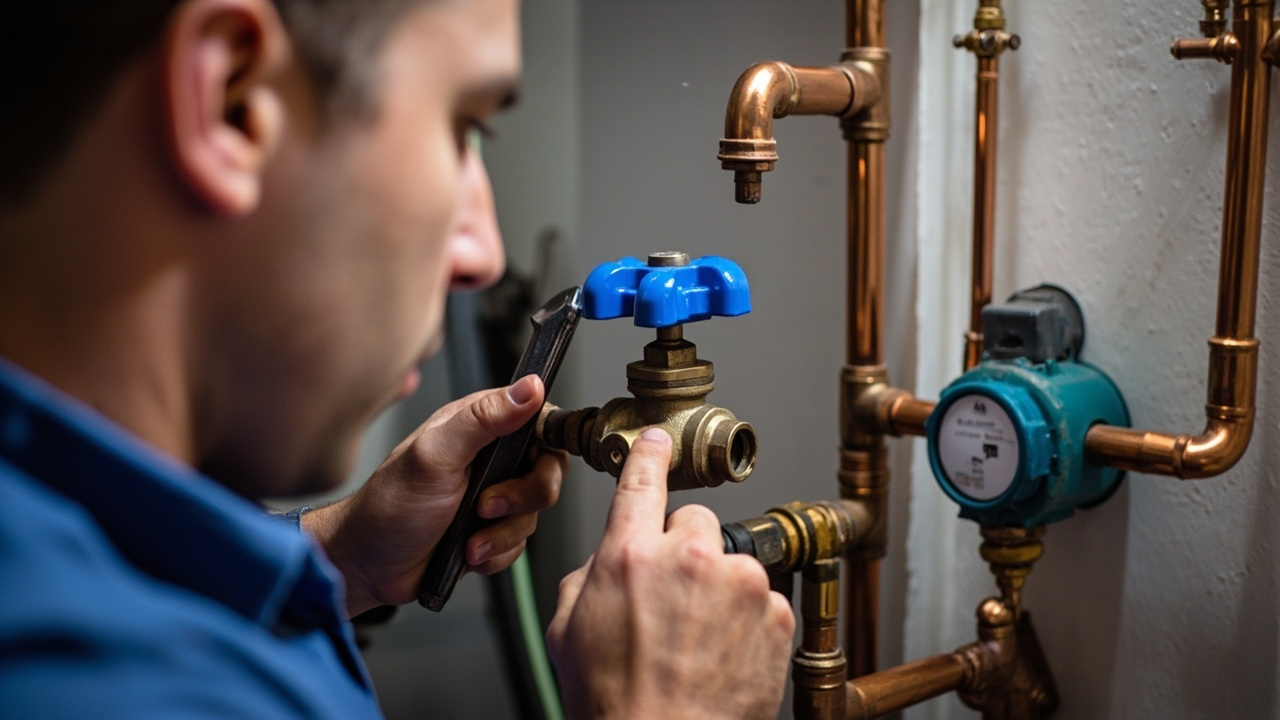
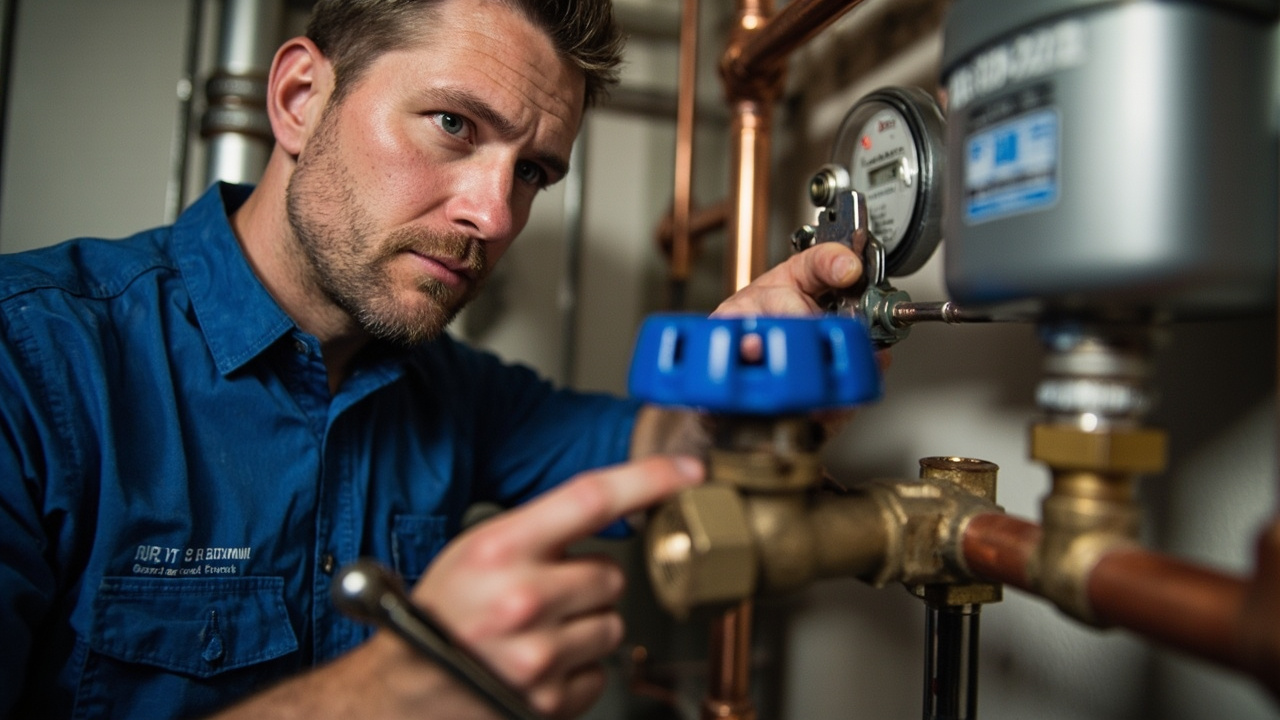
The house-side valve is typically located in your basement, crawl space, or utility room. In older Boston homes, look near the foundation wall facing the street. The valve sits on the water meter or immediately before it. Common valve types include gate valves, which have a wheel handle that turns clockwise to close, and ball valves, which have a lever handle that turns 90 degrees perpendicular to the pipe when closed.

Gate valves are common in pre-1980 Boston homes. These valves close by lowering an internal gate into the water flow. They can become difficult to turn after years of inactivity, and the gate can break if forced. Ball valves are more reliable and have become standard in newer installations and renovations. The quarter-turn operation makes them faster to close during emergencies.

When you shut off water supply to home using the main valve, you stop all water flow to every fixture and appliance. This is different from fixture-specific valves under sinks or behind toilets, which only control individual supply lines. Understanding this hierarchy helps you make the right decision during different situations.

The Complete Process for Shutting Off Your Main Water Valve

How to Shut Off Main Water Valve in Boston – Step-by-Step Guide to Protect Your Home From Water Damage
01

Locate Your Valve

Start by finding your water meter, which is typically mounted on the foundation wall where the municipal water line enters your basement. The main shut off valve sits directly on the house side of this meter. In Boston triple-deckers and older buildings, the meter may be in a shared utility area. Use a flashlight to identify the valve type. Gate valves have round wheel handles, while ball valves have lever handles. Clear any storage or debris blocking access so you can reach it quickly during an emergency.
02

Test the Valve Operation

Once you locate the valve, test it before you need it in an emergency. For a gate valve, turn the wheel clockwise until it stops. Count the number of full rotations required to close it completely. For a ball valve, rotate the lever 90 degrees so it sits perpendicular to the pipe. Open a faucet on an upper floor to verify water flow stops. If the valve is frozen, corroded, or leaking, schedule replacement immediately. Do not force a stuck valve or you risk breaking the internal mechanism.
03

Label and Document

After confirming the valve works properly, attach a waterproof label clearly marking it as the main water shut off. Take a photo showing its location and share it with all household members. Keep a copy with your home maintenance records. For gate valves that require multiple turns, write the number of rotations on the label. If your valve is hard to reach or requires a special tool, keep that tool nearby in a labeled location where anyone can find it during an emergency.

When to Shut Off Your Main Water Valve

Knowing when to shut off your main water valve is just as important as knowing how. Different situations require different responses, and making the wrong decision can either cause unnecessary inconvenience or fail to prevent serious damage.

Immediate shutoff situations include any major pipe burst, hot water heater rupture, or uncontrolled water leak that you cannot isolate with fixture valves. If water is actively flooding your basement, pouring through a ceiling, or spraying from a broken pipe, closing the main valve is your first action. Do not try to diagnose the problem first. Stop the water flow, then assess the damage.

Planned shutoff situations include replacing fixtures, repairing leaks, or performing maintenance on water-using appliances. Before starting any plumbing work that requires disconnecting water lines, shut off the main valve to prevent flooding if something goes wrong. This is especially important in older Boston homes where fixture valves may be corroded or unreliable.

Extended absence situations require consideration of your home's specific risks. If you are leaving your Boston home vacant during winter months, shutting off the main water supply and draining the system prevents freeze damage. This is particularly important for homes in Charlestown, East Boston, and Dorchester, where coastal winds can cause rapid temperature drops. Open all faucets to drain residual water from pipes, flush toilets to empty tanks, and add antifreeze to drain traps.

However, shutting off water also means your fire sprinkler system will not function if you have one. It also stops your heating system if you use hydronic radiators. For multi-family buildings, you typically cannot shut off water to just your unit without a dedicated valve installation. Heritage Plumbing Boston can evaluate your system and recommend the appropriate strategy for your specific building type and occupancy situation.

What to Know About Main Water Valve Maintenance and Replacement

Common Valve Problems

Gate valves in Boston's older homes frequently develop problems after years of sitting unused. The most common issue is a frozen stem that refuses to turn, caused by mineral buildup from hard water. Forcing a stuck valve can snap the stem or break the gate inside, creating a situation where you cannot shut off water even during an emergency. Leaking around the packing nut is another frequent problem, indicated by water dripping from the valve stem when you turn it. Corrosion can also eat through brass valve bodies in coastal neighborhoods where salt air accelerates deterioration. If your valve shows any of these symptoms, replacement should happen before you face an emergency.

Upgrading to Ball Valves

Modern ball valves offer significant advantages over older gate valves. The quarter-turn operation lets you shut off water in seconds instead of spinning a wheel multiple times. Ball valves have fewer internal parts, making them more reliable and less prone to failure. They seal more effectively, reducing the risk of drips and leaks. For Boston homeowners with old gate valves, upgrading to a ball valve during a renovation or after discovering valve problems makes practical sense. The installation requires shutting off water at the curb, which means coordinating with the city or your water company. Professional installation ensures proper sizing, orientation, and leak-free connections that meet Massachusetts plumbing code requirements.

Testing and Maintenance Schedule

Plumbing professionals recommend exercising your main shut off valve twice per year to prevent it from seizing. This means fully closing and reopening the valve to keep internal parts moving freely. Schedule this maintenance in spring and fall, when you are less likely to need the valve for emergency reasons. During testing, check for leaks around the packing nut and valve body. Listen for unusual sounds like grinding or scraping that indicate internal wear. If the valve becomes harder to turn over time, this signals developing problems that require professional attention. Regular testing takes five minutes but can save you from discovering a failed valve during a crisis when every second counts.

Professional Valve Services

Some valve situations require professional expertise rather than DIY approaches. If your valve is located in a difficult position, rusted in place, or integrated into an old plumbing configuration, attempting repairs yourself can create bigger problems. Professional plumbers have the tools to safely remove seized valves, including cutting torches for extreme cases. They can also install isolation valves that let you shut off sections of your plumbing system without affecting the entire house. For multi-family buildings, professionals can add dedicated shut off valves for individual units, giving each resident control over their own water supply. These upgrades add long-term value and make future maintenance much simpler.

Frequently Asked Questions

You Have Questions,
We Have Answers

How do I turn off my house main water valve? +

Locate your main water valve, typically found near where the water line enters your home. In Boston, this is often in the basement near the front foundation wall or in a utility closet. Turn the valve clockwise until it stops. Gate valves require several full rotations, while ball valves need just a quarter turn. If the valve is stuck or corroded, apply penetrating oil and wait 15 minutes before trying again. Never force a seized valve. Test the shutoff by running a faucet. If water continues flowing, you may need professional help to address a faulty valve.

Where is my main water shut off valve? +

In Boston homes, your main water shutoff valve sits where the city water line enters your building. Check your basement near the front wall, usually at chest height or lower. Look along the foundation closest to the street. Older triple-deckers and brownstones may have the valve in a first-floor utility closet or behind an access panel. Some properties have an additional curb valve outside in a sidewalk box, but you need a special key to operate it. If you cannot locate your valve, trace the water meter backward toward the street-facing wall.

How do I shut off my main water system? +

Turn off your main water system by rotating the shutoff valve clockwise until fully closed. For gate valves common in older Boston buildings, turn the wheel handle multiple times until tight. Ball valves require a 90-degree turn of the lever so it sits perpendicular to the pipe. After closing the valve, open the lowest faucet in your home to drain residual pressure. If you have a water heater, some plumbers recommend shutting off the gas or electric supply when water will be off for extended periods to prevent damage from sediment buildup or dry firing.

Is it safe to turn off the main water valve? +

Yes, turning off your main water valve is safe and necessary during plumbing emergencies. Shutting off water prevents flooding and limits damage to your Boston home. Close the valve slowly to avoid water hammer, which can stress pipes in older buildings. If your valve has not been used in years, test it annually by turning it off and back on to prevent corrosion and seizing. Do not leave water off for extended periods without draining your system in winter, as Boston freeze-thaw cycles can crack pipes. Older valves may develop leaks after use and require replacement.

What does a water shut-off valve look like? +

A main water shutoff valve appears as a round wheel (gate valve) or a lever handle (ball valve) attached to a pipe. Gate valves look like a faucet with a circular handle that turns multiple times. Ball valves have a straight lever that rotates a quarter turn. The valve body is brass, bronze, or plastic, usually mounted on a 3/4-inch or 1-inch supply line. In Boston homes, you will find it on the incoming water line near the foundation wall, often paired with a water meter. The pipe enters from outside and connects directly to your home plumbing system.

Why is water still running when the main valve is turned off? +

Water continues running after closing the main valve because of a faulty valve, mineral buildup, or an open bypass line. Boston water has moderate hardness, which causes sediment to prevent gate valves from sealing properly. Ball valves can crack or develop worn seals. You may have a second shutoff valve further downstream that remains open. Check if a curb valve outside your home is the actual main shutoff. Older multi-family buildings sometimes have shared supply lines with separate shutoffs. If water flows after closing your valve completely, the valve needs replacement or there is another supply point you have not located.

Do all homes have a main water shut-off valve? +

Yes, all homes in Boston have a main water shutoff valve where the city supply line enters the building. Building codes require this safety feature. Single-family homes, condos, and apartments each have their own shutoff, though multi-unit buildings may have one master valve plus individual unit shutoffs. Your property also has a curb valve in the sidewalk that the Boston Water and Sewer Commission controls. This sits in a covered box between the street and your property. You cannot access this valve without a special tool. Always locate and test your interior shutoff valve so you can act quickly during emergencies.

How can I find where to turn my water off? +

Find your water shutoff by following the main supply line from your water meter toward the street-facing wall. In Boston basements, look near the front foundation wall at eye level or lower. Check utility closets, crawl spaces, or behind finished walls with access panels. If you have a newer home, the valve may be in the garage or mechanical room. For condos, check your unit's entry point or ask building management. Trace copper or PEX pipes from the meter backward. If you cannot locate it, a flashlight and patience help. Contact a local plumber if the valve remains hidden after thorough searching.

What tools are needed to shut off the main water valve? +

Most main water valves in Boston require no tools. Ball valves have a lever you turn by hand. Gate valves have a wheel handle you rotate manually. If your valve is stuck from corrosion or lack of use, apply penetrating oil and use an adjustable wrench or pipe wrench for leverage. Never force a seized valve, as you risk breaking the stem or cracking the valve body. Some older properties have a curb valve outside requiring a long-handled curb key, but homeowners rarely need this. Keep a wrench near your shutoff valve for emergencies when frozen or corroded valves resist turning.

How do I find a hidden shutoff valve? +

Hidden shutoff valves hide behind finished walls, inside utility closets, or under removable floor panels. In older Boston homes, check behind removable paneling in the basement near where utilities enter. Look for access doors in unexpected places like under stairs or in first-floor closets backing to the street side. Follow your water meter pipes backward toward the exterior wall. Use a flashlight to inspect dark corners near the foundation. If walls are finished, tap along the street-facing wall listening for hollow spots indicating an access panel. When all else fails, check property inspection reports or contact the previous owner for guidance.

How Boston's Aging Infrastructure Affects Your Main Water Valve

Boston's water infrastructure dates back over 150 years in some neighborhoods. The original cast iron service lines installed in the Back Bay, South End, and downtown areas are reaching the end of their service life. These aging pipes experience higher failure rates during winter, when soil movement from freeze-thaw cycles stresses weakened joints and corroded sections. The Massachusetts Water Resources Authority reports that water main breaks spike between January and March, creating situations where knowing how to shut off your main valve becomes critical. Properties near Boston Harbor and along the Charles River face additional challenges from high water tables that accelerate pipe corrosion. The combination of old infrastructure and harsh winter conditions makes valve knowledge a practical necessity for Boston homeowners.

Heritage Plumbing Boston works extensively with the specific plumbing configurations found in Boston's diverse housing stock. We understand how three-family homes in Dorchester differ from brownstones in the South End, and we know the common valve locations in each building type. Our technicians are familiar with the brass valves used in pre-war construction, the galvanized steel systems installed in the 1950s and 60s, and the copper and PEX systems in newer renovations. This local experience means we can quickly locate, assess, and service your main water valve regardless of your home's age or configuration. We also understand Massachusetts plumbing codes and can ensure any valve replacement or upgrade meets current regulatory requirements for your specific neighborhood and building type.
Plumbing Services in The Boston Area

Heritage Plumbing proudly serves Boston and its surrounding areas. Our central location allows us to respond quickly to service calls across residential neighborhoods, business districts, and historic zones alike. Whether you’re downtown or in the suburbs, our local knowledge and flexible scheduling ensure a seamless service experience. Use the map below to find our office, service radius, and contact points — and don’t hesitate to reach out for availability in your area.

Address:
Heritage Plumbing Boston, 75 Arlington St, Boston, MA, 02116

Additional Services We Offer

Our news updates

Latest Articles & News from The Blogs

Understanding Local Rules for Sump Pump Discharge into Medford Storm Drains Medford homeowners face strict regulations about where sump pump…

Understanding Local Rules for Sump Pump Discharge into Medford Storm Drains

Understanding Local Rules for Sump Pump Discharge into Medford Storm Drains Medford homeowners face strict regulations about where sump pump…

Should You Repair or Replace a Cracked Vintage Sink in Your Historic Beacon Hill Home?

Historic homes in Beacon Hill often feature original porcelain sinks that add irreplaceable character to kitchens and bathrooms. When a…

Why Your High Rise Condo in the Seaport District Still Needs a Pressure Reducing Valve

Why Your High Rise Condo in the Seaport District Still Needs a Pressure Reducing Valve Living in a modern high…

Contact Us

Cannot find your main water valve? Discovered your valve is stuck or leaking? Heritage Plumbing Boston provides same-day service for valve issues throughout the metro area. Call us now at (617) 749-9799 to schedule an inspection or emergency repair.