



menu

Gas Line Repair & Installation in Boston – Full-Service Natural Gas Solutions for Homes & Businesses

Heritage Plumbing Boston provides comprehensive gas line repair, gas piping installation, gas line replacement, and gas leak repair for Boston properties, handling everything from emergency gas leak response to full system installations that meet Massachusetts code requirements.

Slider Image 1
Slider Image 2
Slider Image 3
Slider Image 4
Slider Image 5
Slider Image 7
Slider Image 8
Slider Image 9
Slider Image 10
Slider Image 11

Why Gas Line Issues in Boston Demand Immediate Attention

Boston's freeze-thaw cycles create unique stress on underground gas piping. When temperatures drop below freezing for weeks, then spike above 40 degrees in late winter, the ground shifts. This movement puts pressure on gas lines, particularly at connection points where rigid black iron pipe meets flexible CSST tubing.

Older Boston homes built before 1970 often have galvanized steel gas lines that corrode from the inside out. You cannot see this corrosion until the pipe fails. Many triple-deckers in Dorchester, Jamaica Plain, and Charlestown still run original gas pipe from the 1940s and 1950s. These systems were sized for a single gas appliance, not the modern combination of gas ranges, water heaters, dryers, and heating systems.

Boston's aging infrastructure means gas pipe repair needs are increasing. When street crews replace water mains or sewer lines in neighborhoods like the South End or Back Bay, they sometimes disturb gas service lines. These disturbances create stress fractures that leak months or years later.

Gas leak repair cannot wait. Natural gas disperses quickly in open air, but it concentrates in basements and crawl spaces. A small leak near your furnace or water heater creates a fire hazard. The sulfur smell (added for safety) signals immediate danger.

Gas piping installation for new appliances requires proper sizing calculations. Adding a gas range to a kitchen that previously had electric requires confirming your existing gas line can handle the additional load. Undersized gas lines cause appliance malfunction, incomplete combustion, and carbon monoxide production.

Gas line replacement becomes necessary when corrosion, age, or damage makes repair impossible. This is not a DIY project. Massachusetts requires licensed gas fitters for all natural gas work.

Why Gas Line Issues in Boston Demand Immediate Attention
How Heritage Plumbing Boston Handles Gas Line Service

How Heritage Plumbing Boston Handles Gas Line Service

Every gas line project starts with a pressure test. We close the gas meter valve, attach a manometer to the test cock, and pressurize the system to 15 psi. This test reveals leaks that nose detection misses. A pressure drop over 15 minutes means you have a leak somewhere in the system.

For gas leak repair, we use electronic gas detection equipment that measures methane concentration in parts per million. This tool pinpoints leak locations behind walls, under floors, or in buried lines. Once we locate the leak, we determine if the section needs repair or replacement. Small leaks at threaded connections often respond to tightening and re-doping with approved pipe thread compound. Pinhole leaks in pipe bodies require cutting out the damaged section and installing new pipe.

Gas piping installation for new construction or additions follows a strict process. We calculate BTU load for all appliances, then size the pipe according to Massachusetts Fuel Gas Code (527 CMR 31.00). Pipe sizing depends on total BTU load, pipe length, and number of fittings. Undersizing creates low pressure at appliances. Oversizing wastes money and materials.

We use black iron pipe for main distribution lines and CSST (corrugated stainless steel tubing) for final connections to appliances. Black iron provides durability and resistance to physical damage. CSST offers flexibility for routing through tight spaces and reduces installation time. Every CSST installation includes proper bonding to prevent electrical arcing during lightning strikes.

Gas line replacement in older Boston homes often means upgrading from half-inch galvanized pipe to three-quarter-inch or one-inch black iron. This upgrade provides adequate capacity for modern appliances and eliminates corrosion risks. We route new lines to avoid crossing under concrete slabs where future access is impossible.

All work includes pressure testing, leak detection with soap solution at every joint, and coordination with National Grid for meter work.

What Happens During Your Gas Line Service

Gas Line Repair & Installation in Boston – Full-Service Natural Gas Solutions for Homes & Businesses
01

Safety Assessment & Testing

We arrive and immediately check for active leaks using electronic detection equipment and visual inspection of all accessible gas lines. If we detect dangerous gas levels, we shut off the gas meter and ventilate the space before proceeding. For non-emergency service, we perform a complete pressure test of your existing gas system to establish baseline conditions and identify hidden leaks.
02

Repair or Installation Work

For repairs, we remove damaged pipe sections and install new components using approved pipe thread compound and proper torque specifications. For new installations, we measure and cut pipe, thread connections, and route lines according to code requirements for clearances and support spacing. All CSST installations include proper jacket protection in areas where physical damage could occur and bonding connections to prevent arc-through during electrical surges.
03

Testing & System Activation

After completing the physical work, we pressure test the new or repaired sections at 15 psi for 15 minutes minimum to verify zero leaks. We then coat every threaded connection with leak detection solution and open the gas supply to check for bubbles. Once we confirm no leaks exist, we restore gas service, light pilot lights if needed, and verify proper appliance operation with correct flame characteristics.

Why Boston Properties Need Local Gas Line Expertise

Massachusetts enforces some of the strictest gas code requirements in the country. Heritage Plumbing Boston holds active Massachusetts Master Plumber and Gas Fitter licenses required for all natural gas work. We stay current on 527 CMR 31.00 amendments and City of Boston specific requirements that add layers beyond state code.

Boston's housing stock creates unique challenges. Many homes have gas lines running through unheated spaces, enclosed chases, or beneath basement concrete floors. We understand how these installations age and where problems develop. When we open walls in a South End brownstone, we know to expect knob-and-tube wiring proximity issues. When we work in Cambridge triple-deckers, we anticipate shared gas risers serving multiple units.

Local building inspectors know our work. We pull permits for all gas line installations and modifications that require them. Our familiarity with Boston inspection requirements means faster approval and fewer callbacks. We know which inspectors want to see drip legs at every appliance and which focus on proper pipe support spacing.

National Grid coordination matters for gas line replacement projects. When work requires meter relocation or service line modifications, we handle the utility communication. We know their inspection requirements, scheduling systems, and the documentation they need. This coordination prevents delays that cost you time without heat or hot water.

We source materials from local suppliers who stock code-compliant products. Not all pipe thread compound is approved for natural gas. Not all CSST meets Massachusetts requirements. We use Rectorseal T Plus 2 pipe dope and Gastite or TracPipe CSST systems that inspectors recognize and approve.

Emergency gas leak response requires 24/7 availability. We answer calls at 2 AM when you smell gas. We arrive quickly because we operate from Boston, not a suburban location 30 miles away.

What to Expect from Your Gas Line Service

Response Time & Scheduling

Emergency gas leak calls receive immediate dispatch. We arrive within 60-90 minutes for dangerous situations where you smell gas or your detector alarms. For scheduled gas line installation or replacement projects, we provide appointment windows and call 30 minutes before arrival. Complex installations requiring permits take 3-5 business days from estimate approval to work start, accounting for permit processing time. Simple repairs like replacing a gas valve or fixing a leaky connection often complete same-day if parts are in stock.

Initial Assessment Process

We start every service call with questions about your symptoms, when you noticed problems, and what changed recently. For leak investigations, we use electronic detection equipment to scan the entire gas system, not just the obvious problem area. For installation estimates, we measure existing pipe sizes, count appliances, note BTU ratings, and calculate total system load. You receive a written scope of work that explains what we found, what needs to happen, and why the work matters for safety and code compliance.

Quality of Final Installation

Every joint gets proper pipe thread compound application. Every pipe section hangs from approved supports at correct spacing intervals. Every CSST run includes jacket protection where it passes through framing. Every installation passes pressure testing at 15 psi minimum. You receive a system that meets or exceeds Massachusetts Fuel Gas Code requirements. All work receives inspection approval when permits apply. Your appliances operate with proper gas pressure, clean blue flames, and correct BTU delivery for optimal performance and efficiency.

Follow-Up & Maintenance

Gas line installations include a final walkthrough where we explain shutoff valve locations, show you how to operate the gas meter valve in emergencies, and answer questions about the new system. We recommend annual visual inspections of accessible gas lines for signs of corrosion, physical damage, or loose connections. Homes with CSST should have bonding connections inspected every five years to ensure electrical continuity. If you smell gas after our service, you call us immediately at no charge for return investigation. Proper gas line work should last decades without issues.

Frequently Asked Questions

You Have Questions,
We Have Answers

How much does it cost to have a gas line repaired? +

Gas line repair costs in Boston vary based on the leak location, pipe material, and access difficulty. Simple fitting replacements might run less, while underground line repairs or full sections needing excavation cost more. Boston's older housing stock and freeze-thaw cycles often complicate underground access. Permit fees, inspections, and pressure testing add to the total. Factors include labor hours, pipe length, and whether walls or flooring require opening. Emergency repairs outside business hours increase costs. Always get a written estimate after a licensed technician inspects the leak and determines the scope.

Do plumbers or HVAC run gas lines? +

Both licensed plumbers and HVAC technicians can install and repair gas lines in Boston, but licensing matters. Massachusetts requires specific gas fitter licenses for natural gas and propane work. Many plumbers hold gas certifications, and HVAC pros often install gas lines for furnaces and boilers. The key is proper licensing, not the trade name. Check credentials before hiring. In Boston, where natural gas powers most heating systems, a qualified gas fitter ensures code compliance and safety. Ask to see the gas license number and verify it with the state board.

How much does it cost for gas installation? +

Gas installation costs in Boston depend on project scope. Running a new line to a stove or dryer costs less than installing lines for a whole-house conversion or outdoor grill. Distance from the meter, pipe material choice, and wall or floor penetrations affect pricing. Boston's dense neighborhoods sometimes require coordination with National Grid for meter upgrades. Permit fees, inspection costs, and pressure testing are mandatory. Complex installs in older homes with tight crawl spaces or finished basements increase labor hours. Request detailed quotes from licensed gas fitters before work begins.

Can you repair your own gas line? +

No. You cannot legally repair your own gas line in Boston. Massachusetts requires licensed gas fitters for all natural gas and propane work. Gas leaks pose explosion and carbon monoxide risks. DIY repairs violate state law, void insurance, and create liability. Boston enforces strict permitting and inspection requirements. Unlicensed work can result in fines, condemnation orders, and insurance claim denials if an incident occurs. Even minor fittings or appliance connections require a licensed professional. If you smell gas, evacuate immediately, call National Grid, and hire a qualified gas fitter for repairs.

Can a plumber fix a gas line? +

Yes, if the plumber holds a Massachusetts gas fitter license. Plumbing and gas fitting are separate skills requiring distinct certifications. Many Boston plumbers carry gas licenses and routinely repair gas lines. The credential matters more than the trade title. A licensed gas fitter understands pressure testing, leak detection, and code compliance. Before hiring, verify the plumber's gas license with the state. In Boston, where gas powers most heating and cooking appliances, you need someone familiar with local codes and National Grid coordination. Always ask for proof of gas certification.

Why is the gas line so expensive? +

Gas line work costs reflect high safety stakes and strict regulations. Licensed gas fitters in Boston carry specialized insurance and certifications. Every job requires permits, inspections, and pressure testing to prevent leaks. Underground work involves excavation, backfill, and restoration. Boston's older homes often have corroded pipes or tight access, increasing labor hours. Liability insurance for gas work is expensive because leaks cause explosions and fatalities. Materials like CSST or black iron pipe are pricier than standard plumbing supplies. You pay for expertise that protects your family and property from catastrophic failure.

What kind of company runs gas lines? +

Licensed gas fitters run gas lines in Boston. These professionals may work under plumbing companies, HVAC contractors, or specialized gas services. The critical factor is Massachusetts gas fitter licensure, not the company type. Some general contractors also employ licensed gas fitters for new construction. In Boston, where natural gas infrastructure is widespread, reputable companies coordinate with National Grid for meter work and inspections. Look for firms with proven local experience, proper insurance, and state-verified gas licenses. Check reviews and verify credentials before hiring anyone to work on your gas system.

Do natural gas lines need to be replaced? +

Yes, over time. Gas lines corrode, especially older steel pipes common in Boston's historic homes. Underground lines face moisture and soil chemistry issues. Indoor lines accumulate sediment and develop pinhole leaks. Massachusetts code requires replacement when inspections reveal significant corrosion or leaks. If you smell gas, see rust on exposed pipes, or have repeated leaks, replacement is safer than patchwork repairs. Boston's freeze-thaw cycles accelerate underground deterioration. Newer materials like CSST offer better longevity. Schedule inspections every few years to catch problems before catastrophic failure occurs.

Who gets paid more, HVAC or plumbers? +

Pay varies by experience, location, and specialization, not trade superiority. In Boston, both HVAC techs and plumbers earn competitive wages due to high demand and cost of living. HVAC work involves gas furnace installs, requiring gas certifications. Plumbers with gas licenses also command higher rates. Union membership, commercial versus residential work, and emergency service availability affect income more than the trade label. Both fields require technical skill and continuous training. Focus on hiring the right licensed professional for your specific gas line project, not on comparing wages between trades.

Who is responsible for the gas pipe to my meter? +

In Boston, National Grid owns and maintains the gas main and the service line from the street to your meter. You own the gas piping from the meter into your home and to appliances. If a leak occurs on your side of the meter, you pay for repairs. National Grid handles leaks on their infrastructure at no charge. After the meter, all piping, fittings, and appliance connections are your responsibility. Massachusetts law requires you to maintain safe gas lines inside your property. Hire a licensed gas fitter for any repairs or upgrades beyond the meter.

How Boston's Aging Infrastructure Increases Gas Line Failure Risks

Boston's water and sewer main replacement program disturbs underground gas service lines throughout the city. When excavation equipment digs within five feet of a gas line, the vibration and ground movement create stress on pipes and connections. Many gas service lines in Boston neighborhoods date to the 1950s and consist of bare steel pipe that corrodes when exposed to soil moisture. The combination of old infrastructure and ongoing street work creates an elevated risk for gas line damage that requires prompt repair or replacement to prevent leaks.

Massachusetts Gas Fitter licensing requirements exceed most other states, creating a higher standard for gas line work. Heritage Plumbing Boston maintains active licenses and stays current on code changes through continuing education requirements. Boston building inspectors enforce strict compliance with fuel gas code provisions, particularly regarding proper pipe sizing, support methods, and CSST bonding. Choosing a local contractor who works with Boston inspectors regularly ensures your gas line installation or repair passes inspection without delays or complications.
Plumbing Services in The Boston Area

Heritage Plumbing proudly serves Boston and its surrounding areas. Our central location allows us to respond quickly to service calls across residential neighborhoods, business districts, and historic zones alike. Whether you’re downtown or in the suburbs, our local knowledge and flexible scheduling ensure a seamless service experience. Use the map below to find our office, service radius, and contact points — and don’t hesitate to reach out for availability in your area.

Address:
Heritage Plumbing Boston, 75 Arlington St, Boston, MA, 02116

Additional Services We Offer

Our news updates

Latest Articles & News from The Blogs

Understanding Local Rules for Sump Pump Discharge into Medford Storm Drains Medford homeowners face strict regulations about where sump pump…

Understanding Local Rules for Sump Pump Discharge into Medford Storm Drains

Understanding Local Rules for Sump Pump Discharge into Medford Storm Drains Medford homeowners face strict regulations about where sump pump…

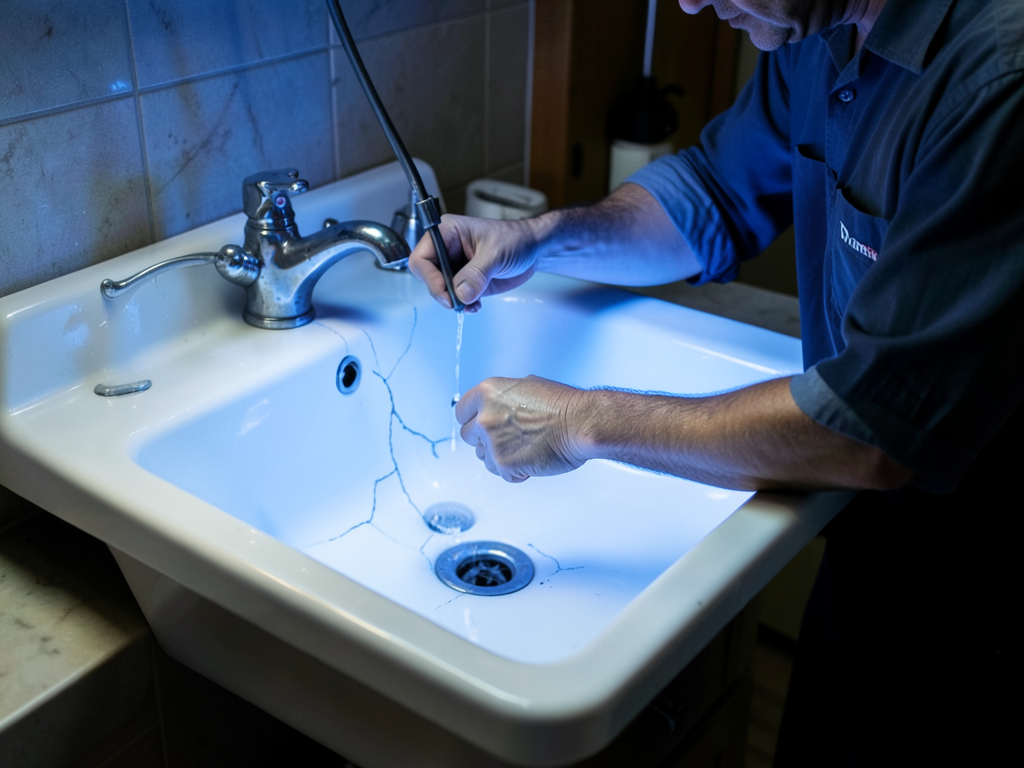
Should You Repair or Replace a Cracked Vintage Sink in Your Historic Beacon Hill Home?

Historic homes in Beacon Hill often feature original porcelain sinks that add irreplaceable character to kitchens and bathrooms. When a…

Why Your High Rise Condo in the Seaport District Still Needs a Pressure Reducing Valve

Why Your High Rise Condo in the Seaport District Still Needs a Pressure Reducing Valve Living in a modern high…

Contact Us

Do not wait if you smell gas or need gas line work. Call Heritage Plumbing Boston now at (617) 749-9799 for emergency response or to schedule gas line installation and repair. Licensed gas fitters available for Boston properties.