


menu

Preventative Commercial Maintenance in Boston | Eliminate Downtime Before Systems Fail

Heritage Plumbing Boston delivers scheduled commercial plumbing upkeep that keeps your facility operational, compliant with Massachusetts state codes, and protected from catastrophic system failures that cost thousands in emergency repairs and lost business revenue.

Slider Image 1
Slider Image 2
Slider Image 3
Slider Image 4
Slider Image 5
Slider Image 7
Slider Image 8
Slider Image 9
Slider Image 10
Slider Image 11

Why Boston Commercial Buildings Fail Without Scheduled Plumbing Maintenance

Boston's freeze-thaw cycle destroys commercial plumbing infrastructure faster than most property managers realize. Water expands when it freezes. Cast iron drain lines crack. Copper supply lines burst. Backflow preventers fail. The result is not a slow leak. The result is a flood that shuts down your restaurant, retail space, or office building during peak business hours.

The city's aging building stock compounds the problem. Many commercial structures in the Financial District, Back Bay, and South End still run on original galvanized steel pipe installed in the 1920s. These systems corrode from the inside out. You see normal water pressure at the fixture. What you do not see is the 70 percent blockage building in the branch line feeding your second-floor restrooms.

Commercial plumbing maintenance plans address these vulnerabilities before they become disasters. Routine commercial plumbing inspections identify failing components during scheduled service windows, not during business hours. Preventive commercial plumbing services cost a fraction of emergency repairs and eliminate the revenue loss that comes with unexpected closures.

Boston's strict Title 5 compliance requirements and backflow testing mandates make scheduled maintenance a legal obligation, not an option. Commercial plumbing service agreements ensure you meet state inspection deadlines without scrambling for contractors during peak season. The question is not whether your system will fail. The question is whether you will control when and how it happens.

Why Boston Commercial Buildings Fail Without Scheduled Plumbing Maintenance
How Structured Maintenance Programs Extend System Lifespan and Reduce Total Operating Cost

How Structured Maintenance Programs Extend System Lifespan and Reduce Total Operating Cost

Heritage Plumbing Boston builds commercial plumbing maintenance plans around asset protection and operational continuity. We do not sell you a generic checklist. We analyze your facility's specific risk factors, usage patterns, and infrastructure age to create a maintenance schedule that addresses your actual vulnerabilities.

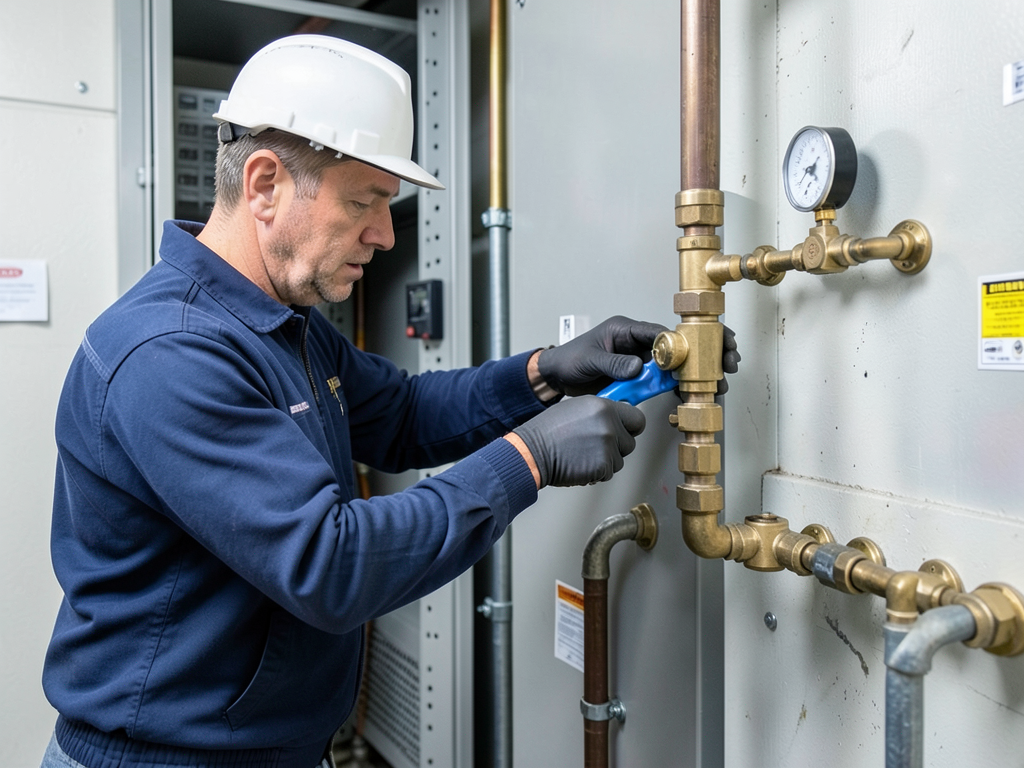
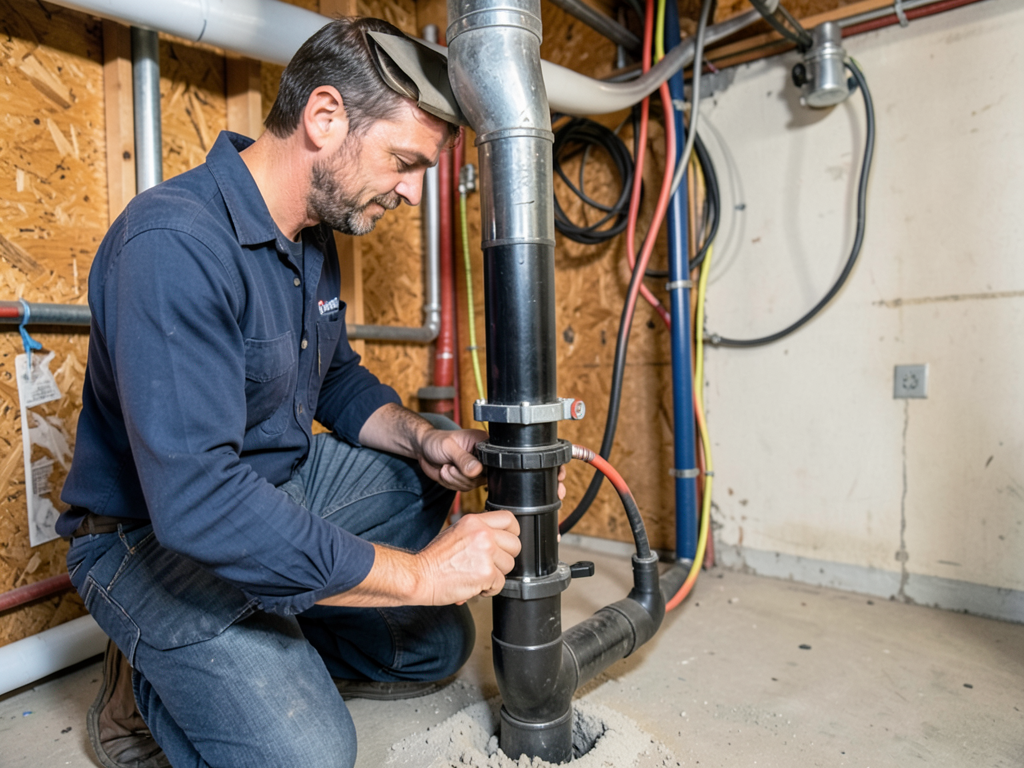
Our approach starts with a comprehensive system audit. We pressure test all supply lines, camera inspect drain lines, evaluate water heater condition, check expansion tank pressure, verify backflow preventer function, and document the condition of all shut-off valves. This baseline assessment identifies components operating near end-of-life and establishes priority replacement schedules.

Routine commercial plumbing inspections follow a quarterly or semi-annual cadence depending on facility type. High-volume operations like restaurants and hotels require quarterly service. Office buildings and retail spaces typically need semi-annual visits. Each inspection includes drain line flushing, aerator cleaning, trap seal verification, pressure reducing valve calibration, water heater anode rod inspection, and backflow preventer testing.

We document every finding in a digital maintenance log that tracks component condition over time. This data reveals degradation patterns before they cause failures. A pressure reducing valve that drifts from 60 PSI to 75 PSI over six months will hit 90 PSI and start destroying fixtures within a year. We catch it at 75 PSI and replace it during scheduled maintenance.

Preventive commercial plumbing services eliminate the volatility that comes with reactive maintenance. You budget maintenance as a fixed operating expense. You schedule service during off-hours. You avoid the premium pricing that comes with emergency calls. You maintain continuous operation.

What Happens During Your Scheduled Service Visit

Preventative Commercial Maintenance in Boston | Eliminate Downtime Before Systems Fail
01

System Performance Testing

Our technicians arrive during your specified service window and begin with functional testing of all critical components. We measure supply line pressure at multiple fixtures, verify drain line flow rates, check water heater recovery time, and test all shut-off valves for proper operation. This process identifies performance degradation before it impacts your business operations or customer experience.
02

Component Inspection and Cleaning

We inspect every accessible plumbing component for signs of wear, corrosion, or impending failure. Aerators get cleaned or replaced. Flush valves get adjusted. Trap seals get verified. Water heaters get flushed to remove sediment buildup. Backflow preventers get tested per Massachusetts state requirements. Any component showing deterioration gets documented with photos and replacement recommendations.
03

Documentation and Planning

You receive a detailed report documenting current system condition, completed maintenance tasks, and recommended actions with priority rankings. Critical issues that need immediate attention get flagged separately from components that can wait until the next service cycle. This reporting structure lets you budget for replacements and schedule major work without disrupting operations or scrambling for emergency funding.

Why Boston Facilities Choose Heritage Plumbing for Long-Term Maintenance Contracts

Boston's commercial plumbing infrastructure operates under conditions that do not exist in newer Sun Belt cities. Your building deals with frost line depth requirements that push supply lines five feet underground. Your drain lines handle freeze-thaw expansion cycles that crack PVC and split cast iron. Your backflow preventers face Massachusetts state testing requirements that exceed federal minimums.

Heritage Plumbing Boston maintains commercial systems across the Metro Boston area. We know which buildings in Beacon Hill still run on lead service lines. We know which South End properties have combined storm and sanitary drains that backup during heavy rain. We know which Back Bay high-rises have pressure issues above the eighth floor due to insufficient booster pump capacity.

This knowledge base translates into faster diagnosis and more accurate maintenance planning. When we inspect your facility, we recognize patterns specific to your building type, construction era, and neighborhood. A restaurant in the North End faces different challenges than an office building in the Seaport District. Your maintenance plan reflects these differences.

We structure commercial plumbing service agreements around your operational calendar. Retail clients get maintenance scheduled during slow January and February periods. Restaurants get service during off-hours or closed days. Hotels get maintenance coordinated with low-occupancy periods. The goal is zero impact on revenue-generating operations.

Our maintenance contracts include priority emergency response. If a component fails between scheduled visits, you get same-day service without premium pricing. This coverage eliminates the uncertainty that comes with vendor-shopping during a crisis. You have one number to call, one company that knows your system, and one team that can resolve the problem without wasting time on diagnosis.

What Your Facility Gets with a Structured Maintenance Program

Service Schedule Flexibility

We coordinate scheduled commercial plumbing upkeep around your business hours, not our convenience. Service visits happen during your specified time windows, whether that means overnight shifts, early morning appointments, or weekend scheduling. Each visit includes a pre-arrival notification so your facility manager knows exactly when our technicians will be on-site. We complete most routine inspections within two to four hours, depending on facility size and system complexity. Multi-building campuses can be serviced over multiple days to minimize disruption.

Comprehensive System Assessment

Every maintenance visit includes a full evaluation of your plumbing infrastructure. We do not just check the obvious components. We test pressure reducing valves for calibration drift. We verify expansion tank pre-charge pressure. We inspect all accessible shut-off valves for corrosion or seized operation. We camera inspect drain lines if you report slow drainage. We measure hot water recovery time to catch failing heating elements before they quit completely. You get a written report documenting every finding with photos and specific recommendations prioritized by urgency and impact on operations.

Predictable Operating Performance

Preventive commercial plumbing services eliminate the performance variability that comes with neglected systems. Your fixtures maintain consistent pressure. Your drains flow without backups. Your water heaters deliver adequate capacity during peak demand periods. Your restrooms stay operational without surprise closures. This reliability protects your reputation with tenants, customers, and employees. It also protects your revenue by preventing the operational disruptions that occur when critical systems fail during business hours. You avoid the reputational damage that comes with closing restrooms or losing hot water during peak service periods.

Long-Term Cost Control

Commercial plumbing maintenance plans convert unpredictable emergency expenses into fixed operating costs. You budget maintenance as a known monthly or quarterly expense instead of scrambling for capital when a water heater floods your basement or a main line backs up into your first-floor tenant space. Routine maintenance extends component lifespan by preventing the accelerated wear that comes from operating equipment outside design parameters. A water heater that gets flushed annually lasts 12 to 15 years. One that never gets serviced fails in seven. The math is straightforward. Scheduled upkeep costs less than premature replacement.

Frequently Asked Questions

You Have Questions,
We Have Answers

What are the 5 types of preventive maintenance? +

The five types of preventive maintenance are time-based, usage-based, predictive, prescriptive, and condition-based. Time-based maintenance runs on fixed intervals regardless of equipment condition. Usage-based maintenance triggers after specific operational hours or cycles. Predictive maintenance uses data analysis to forecast failures before they occur. Prescriptive maintenance combines predictive data with automated recommendations for optimal timing. Condition-based maintenance monitors real-time performance metrics to determine service needs. For Boston commercial properties, combining these approaches minimizes downtime during peak business seasons and addresses challenges from freeze-thaw cycles that stress mechanical systems year-round.

What are the 7 elements of preventive maintenance? +

The seven elements of preventive maintenance include inspection, detection, correction, prevention, monitoring, documentation, and analysis. Inspection identifies potential issues through scheduled walkthroughs. Detection uses sensors and diagnostics to catch early warning signs. Correction fixes minor problems before escalation. Prevention implements measures to avoid future failures. Monitoring tracks system performance continuously. Documentation creates service records for compliance and trend analysis. Analysis reviews data to optimize maintenance schedules. For Boston facilities facing harsh winter conditions and humidity fluctuations, these elements work together to reduce emergency repairs and maintain code compliance while protecting your investment against accelerated wear.

What are examples of preventative maintenance? +

Common preventative maintenance examples include filter replacements, belt inspections, lubrication, calibration checks, and cleaning condenser coils. Plumbing examples include drain line flushing, backflow testing, water heater inspections, and pipe insulation checks. In Boston commercial buildings, freeze protection measures like pipe wrapping and valve exercising prevent costly winter ruptures. Regular boiler servicing addresses hard water deposits common in the region. Roof drain clearing prevents ice dam formation during freeze-thaw cycles. HVAC coil cleaning combats corrosion from coastal salt air. These scheduled tasks prevent liability issues, minimize tenant complaints, and maintain business continuity throughout seasonal temperature extremes.

How much does preventive maintenance cost for commercial HVAC? +

Commercial HVAC preventive maintenance costs vary based on system size, complexity, and service frequency. Factors affecting price include tonnage capacity, number of rooftop units, accessibility challenges in older Boston buildings, and seasonal demands. Quarterly service agreements typically cost less per visit than reactive repairs. Budget considerations should account for Boston's extreme temperature swings that stress equipment harder than moderate climates. Buildings in downtown areas may face higher service costs due to access restrictions and parking challenges. Focus on cost avoidance through reduced downtime, extended equipment lifespan, and lower energy consumption rather than upfront service expenses.

What are the 4 P's of maintenance? +

The 4 P's of maintenance are Predictive, Preventive, Proactive, and Predictable. Predictive maintenance uses data to forecast failures. Preventive maintenance follows scheduled service intervals to avoid breakdowns. Proactive maintenance addresses root causes rather than symptoms. Predictable maintenance creates consistent, budgetable service patterns. For Boston commercial properties, this framework reduces unexpected expenses during high-occupancy periods and addresses regional challenges like corrosion from road salt, stress from temperature extremes, and humidity issues. Implementing the 4 P's maintains operational efficiency, protects tenant relationships, and ensures code compliance while minimizing emergency service calls that disrupt business operations.

What is the 10% rule of preventive maintenance? +

The 10% rule states that preventive maintenance costs should equal roughly 10% of total maintenance and operations budgets. This benchmark helps organizations allocate resources effectively between scheduled service and reactive repairs. When preventive maintenance falls below this threshold, facilities typically experience higher emergency repair costs, increased downtime, and shortened equipment lifespan. For Boston commercial properties, proper allocation addresses regional wear factors like freeze-thaw stress and humidity-related corrosion. The 10% guideline ensures adequate funding for seasonal preparations, routine inspections, and system optimization. Facilities consistently meeting this target report fewer tenant complaints and maintain more predictable operating budgets.

What is included in a PM checklist? +

A PM checklist includes equipment inspection points, lubrication schedules, filter replacement frequencies, belt tension checks, electrical connection testing, and safety control verification. Plumbing PM checklists cover drain line testing, fixture inspections, water pressure monitoring, backflow certification, and leak detection. For Boston commercial facilities, checklists must address freeze protection measures, condensate drain clearing before winter, boiler efficiency testing, and pipe insulation integrity. Documentation requirements include timestamps, technician signatures, and condition notes. Effective checklists follow manufacturer specifications while accounting for local climate stress factors. Digital checklists improve compliance tracking and create audit trails for insurance and code enforcement.

What are the 5 basic maintenance skills? +

The five basic maintenance skills are mechanical aptitude, electrical troubleshooting, diagnostic reasoning, documentation proficiency, and safety protocol adherence. Mechanical aptitude covers hands-on repair and adjustment capabilities. Electrical troubleshooting identifies power and control issues. Diagnostic reasoning interprets symptoms to find root causes. Documentation proficiency creates accurate service records for compliance and analysis. Safety protocol adherence prevents liability and protects personnel. For commercial plumbing maintenance in Boston, technicians need additional expertise in freeze protection systems, backflow prevention, and Massachusetts state code requirements. Cross-trained technicians familiar with regional challenges deliver more effective preventive maintenance while reducing response times.

What are the 5 pillars of TPM? +

The five pillars of TPM are Autonomous Maintenance, Focused Improvement, Planned Maintenance, Quality Maintenance, and Education and Training. Autonomous Maintenance empowers operators to perform basic upkeep. Focused Improvement eliminates recurring losses through root cause analysis. Planned Maintenance schedules service to prevent failures. Quality Maintenance ensures equipment produces consistent results. Education and Training develop workforce capabilities. While TPM originated in manufacturing, commercial facilities in Boston apply these principles to reduce downtime and extend equipment life. For property managers, implementing TPM concepts minimizes tenant disruptions, controls maintenance costs, and maintains competitive advantage through reliable building operations.

What is a preventive maintenance checklist? +

A preventive maintenance checklist is a structured document listing specific inspection points, service tasks, and acceptance criteria for equipment upkeep. It standardizes procedures across technicians, ensures consistent service quality, and creates accountability through required signatures and timestamps. Commercial plumbing PM checklists include items like fixture operation, water pressure testing, drain flow verification, and backflow device inspection. For Boston properties, checklists incorporate seasonal tasks like winterization procedures and spring system recommissioning. Digital checklists integrate with work order systems, track completion rates, and generate compliance reports. Properly designed checklists reduce human error, maintain code compliance, and protect against liability.

How Boston's Old Building Stock and Harsh Winters Make Preventative Maintenance Non-Negotiable

Boston's commercial real estate portfolio includes thousands of buildings constructed before modern plumbing codes existed. Many structures in Beacon Hill, the North End, and downtown still operate with original cast iron drain stacks and galvanized steel supply lines installed between 1890 and 1940. These systems were never designed to handle modern fixture flow rates or the chemical composition of today's municipal water supply. Routine commercial plumbing inspections catch the corrosion, scaling, and joint separation that occur in aging infrastructure before minor issues escalate into catastrophic failures that flood multiple floors and shut down operations for days.

Heritage Plumbing Boston maintains commercial plumbing systems throughout the Metro Boston area and understands the specific challenges that come with operating facilities in this market. We work with property managers and building owners who need contractors that show up on schedule, complete work during specified service windows, and document findings in formats that satisfy insurance requirements and support capital planning decisions. Our commercial plumbing service agreements are structured around your operational needs, not generic service packages that ignore the realities of managing Class A office space, historic retail locations, or multi-tenant mixed-use developments in one of America's oldest cities.
Plumbing Services in The Boston Area

Heritage Plumbing proudly serves Boston and its surrounding areas. Our central location allows us to respond quickly to service calls across residential neighborhoods, business districts, and historic zones alike. Whether you’re downtown or in the suburbs, our local knowledge and flexible scheduling ensure a seamless service experience. Use the map below to find our office, service radius, and contact points — and don’t hesitate to reach out for availability in your area.

Address:
Heritage Plumbing Boston, 75 Arlington St, Boston, MA, 02116

Additional Services We Offer

Our news updates

Latest Articles & News from The Blogs

Understanding Local Rules for Sump Pump Discharge into Medford Storm Drains Medford homeowners face strict regulations about where sump pump…

Understanding Local Rules for Sump Pump Discharge into Medford Storm Drains

Understanding Local Rules for Sump Pump Discharge into Medford Storm Drains Medford homeowners face strict regulations about where sump pump…

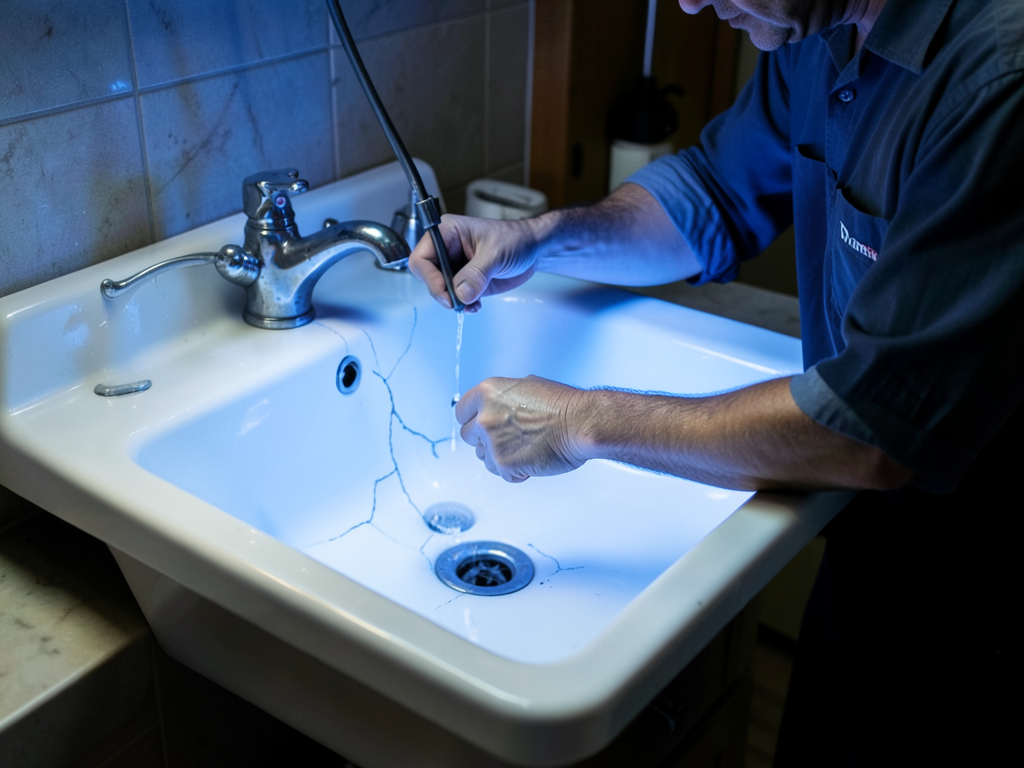
Should You Repair or Replace a Cracked Vintage Sink in Your Historic Beacon Hill Home?

Historic homes in Beacon Hill often feature original porcelain sinks that add irreplaceable character to kitchens and bathrooms. When a…

Why Your High Rise Condo in the Seaport District Still Needs a Pressure Reducing Valve

Why Your High Rise Condo in the Seaport District Still Needs a Pressure Reducing Valve Living in a modern high…

Contact Us

Contact Heritage Plumbing Boston at (617) 749-9799 to schedule a facility assessment and receive a customized maintenance proposal. We provide transparent pricing, flexible scheduling, and detailed documentation that supports your capital planning and risk management objectives.