



menu

Understanding Backflow Testing in Boston – Complete Resource Guide for Property Owners

Your comprehensive guide to backflow prevention assembly testing requirements, annual certification processes, and water safety compliance in Boston's municipal water system

Slider Image 1
Slider Image 2
Slider Image 3
Slider Image 4
Slider Image 5
Slider Image 7
Slider Image 8
Slider Image 9
Slider Image 10
Slider Image 11

Why Boston Property Owners Need Backflow Testing Knowledge

Boston's complex water infrastructure serves over 650,000 residents through a century-old delivery system that connects to Massachusetts Water Resources Authority (MWRA) main lines. Your property's plumbing creates thousands of potential contamination points where dirty water could reverse direction and enter the clean water supply.

Backflow occurs when pressure drops in the municipal system. When a water main breaks on Commonwealth Avenue or the MWRA reduces pressure during maintenance, negative pressure can suck contaminated water backward through your pipes. This pulls fertilizer from irrigation systems, chemicals from heating systems, and wastewater from industrial equipment directly into drinking water lines.

The Massachusetts Department of Environmental Protection (MassDEP) mandates annual backflow certification for any property with cross-connections between potable water and potential contamination sources. Boston enforces these requirements through the Boston Water and Sewer Commission (BWSC), which tracks every backflow prevention assembly testing deadline in the city.

Understanding backflow device testing procedures protects you from three serious problems. First, failed backflow preventer inspection results in BWSC violations and potential water shutoff. Second, contaminated water entering your building creates immediate health hazards for occupants. Third, if your property contaminates the municipal system, you face liability for neighboring properties affected by the backflow event.

Boston's older building stock complicates compliance. Many triple-deckers in Dorchester and brownstones in Back Bay contain outdated plumbing where backflow preventers were retrofitted after construction. These installations require specialized knowledge of water backflow testing requirements specific to historic building codes.

Why Boston Property Owners Need Backflow Testing Knowledge
How Backflow Prevention Systems Actually Work

How Backflow Prevention Systems Actually Work

Backflow preventers use mechanical valves and air gaps to maintain one-way water flow. The most common types in Boston properties include reduced pressure zone (RPZ) assemblies, double check valve assemblies (DCVA), and pressure vacuum breakers (PVB). Each device serves different applications based on contamination risk level.

RPZ assemblies provide the highest protection. They contain two independent check valves with a pressure-monitored relief valve between them. When the downstream pressure exceeds upstream pressure by even one PSI, the relief valve opens and dumps water to prevent backflow. You see these devices on fire sprinkler systems, irrigation systems, and chemical injection points.

Double check valves work for lower-risk applications like residential properties without major cross-connections. Two spring-loaded check valves close independently when forward pressure stops. The dual-valve design ensures that if one valve fails, the second provides backup protection.

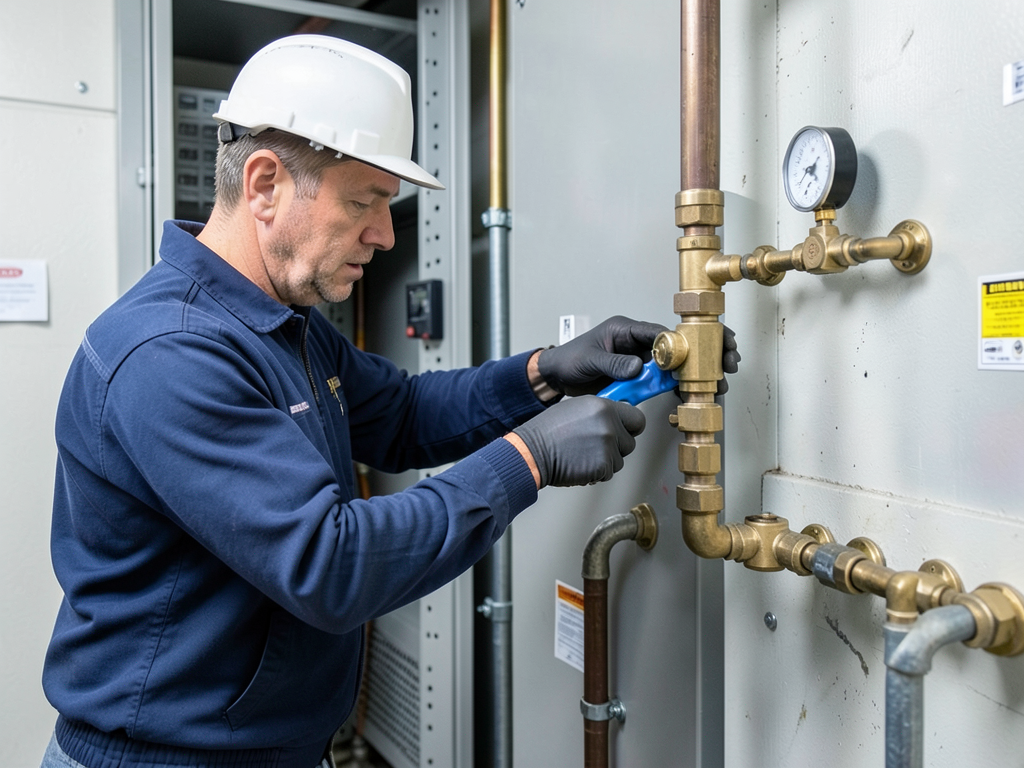
Backflow prevention assembly testing verifies that each component functions within specifications. Testers attach specialized gauges to test cocks on the assembly and measure pressure differentials across valves. The check valves must seal completely at specific pressure thresholds. The relief valve must open at precise pressure differentials. Any deviation from manufacturer specifications triggers a test failure.

Annual backflow certification requires a state-licensed tester to document these measurements on official forms submitted to BWSC. The tester evaluates valve seating tightness, spring tension, relief valve opening point, and check valve closing pressure. Failed devices require immediate repair or replacement before the property can pass inspection.

Heritage Plumbing Boston uses calibrated testing equipment recertified annually to match MassDEP accuracy standards. We document every pressure reading and valve response to create a complete testing record for your compliance files.

What Happens During Your Backflow Test

Understanding Backflow Testing in Boston – Complete Resource Guide for Property Owners
01

Initial System Identification

We locate every backflow preventer on your property using BWSC registration records and physical inspection. Many Boston properties have multiple assemblies protecting different systems. We verify the make, model, serial number, and installation location for each device. This inventory ensures no untested assemblies create compliance gaps. We photograph each device and document its position in your plumbing system for future reference.
02

Pressure Differential Testing

Our tester attaches calibrated gauges to test cocks on the assembly and opens specific valves in sequence. We measure how much pressure differential exists across each check valve and when the relief valve activates. The check valves must close at precise PSI thresholds. The relief valve must open within a narrow pressure range. We record every measurement on the official test form and compare results against manufacturer specifications for pass-fail determination.
03

Certification and Reporting

After testing, we complete the Massachusetts Backflow Prevention Assembly Test Report with all required pressure readings and test results. Passing assemblies receive immediate certification filed with BWSC within 30 days. Failed devices receive a detailed diagnosis explaining which component malfunctioned and what repair or replacement you need. We provide you with copies of all documentation for your building maintenance records and compliance files.

Why Local Expertise Matters for Boston Backflow Testing

Boston Water and Sewer Commission enforces specific testing protocols that differ from surrounding municipalities. BWSC requires 30-day reporting deadlines after testing and maintains a registry of approved testers. Only state-certified backflow testers with current BWSC authorization can submit valid test reports for properties in Boston.

Heritage Plumbing Boston maintains active BWSC tester authorization and understands the commission's administrative requirements. We know which forms BWSC accepts, how they process test reports, and what documentation triggers compliance violations. This knowledge prevents the filing errors that delay certification or result in rejection of your test results.

Boston's building age creates unique testing challenges. Properties built before 1950 often have backflow preventers installed in cramped mechanical rooms, tight crawlspaces, or buried valve pits. Accessing these devices requires familiarity with Boston's construction methods and building layouts. We have tested assemblies in South End row houses, North End commercial buildings, and Seaport high-rises. Each building type presents different access challenges and installation configurations.

Water pressure variations across Boston's elevation changes affect backflow preventer performance. Properties on Beacon Hill experience different pressure dynamics than buildings in low-lying East Boston. We account for these pressure variations when interpreting test results and diagnosing valve malfunctions.

Commercial properties face additional complexity with multiple backflow preventers protecting separate systems. A restaurant might have assemblies on the grease trap, dishwasher, ice maker, and fire suppression system. We coordinate testing across all devices to complete your full compliance requirement in a single service visit.

Our testers carry replacement parts for common Boston backflow preventer models. When a valve fails testing, we can often repair and retest the same day, eliminating the need for a return visit and accelerating your certification timeline.

What to Expect from Professional Backflow Testing

Testing Timeline and Scheduling

Standard backflow testing takes 30 to 45 minutes per device, depending on assembly type and accessibility. We schedule tests during your preferred business hours to minimize disruption. Testing requires temporary water shutoff to the protected system, not your entire building. We coordinate with you to identify low-impact timeframes for this brief service interruption. Properties with multiple assemblies might require 2 to 3 hours for complete testing. We provide same-week scheduling for properties approaching BWSC deadline dates. Rush testing is available for properties facing imminent violations or water service shutoff notices.

The Testing Process

Our tester arrives with calibrated gauge kits, test forms, and diagnostic tools. We shut the water supply valve upstream of the backflow preventer and drain the system. Test cocks on the assembly provide connection points for our pressure gauges. We open and close specific valves while monitoring pressure readings on multiple gauges simultaneously. Each valve receives multiple tests to verify consistent performance. The entire process follows the testing sequence specified by the device manufacturer and required by Massachusetts regulations. We explain what we find in real-time and show you the pressure readings on our gauges.

Test Results and Certification

Passing assemblies receive immediate certification documentation. We complete the official test report with all required measurements, sign as the certified tester, and provide you with the original for your records. We file a copy with BWSC to document your compliance. Failed assemblies receive a detailed diagnostic report explaining which component malfunctioned and why. We provide repair estimates and explain your options for fixing or replacing the device. You receive photographic documentation of the assembly condition and copies of all pressure readings recorded during testing. All documentation includes the test date, tester license number, and BWSC submission confirmation.

Annual Testing Reminders

Boston requires annual recertification of all backflow preventers. We maintain a testing database that tracks your certification expiration date. You receive reminder notices 60 days and 30 days before your deadline to schedule next year's test. This proactive communication prevents late testing that triggers BWSC violations. Our system tracks every assembly on your property individually, so properties with multiple devices receive accurate reminders for each certification deadline. We coordinate multi-device testing to complete all requirements during a single appointment. This service is automatic for all Heritage Plumbing Boston backflow testing clients at no additional charge.

Frequently Asked Questions

You Have Questions,
We Have Answers

How does backflow testing work? +

A certified tester uses specialized gauges to measure pressure differentials across the backflow preventer's internal valves. The technician closes test cocks, attaches test equipment, and opens valves in a specific sequence to simulate backpressure and backsiphonage conditions. Each check valve and relief valve gets tested individually to confirm it opens and closes at required pressure thresholds. The tester records readings on a form, comparing results against manufacturer specifications. If any component fails, the device needs repair or replacement. Boston's Water and Sewer Commission requires annual testing documentation for commercial properties and irrigation systems to protect the municipal water supply from contamination.

Can I do backflow testing myself? +

No. Massachusetts law requires certified backflow testers to perform annual inspections. You need specialized gauge kits that cost hundreds of dollars, plus formal training and state certification through an approved program. The testing procedure involves precise pressure measurements and valve sequencing that untrained individuals often misread. Boston's Water and Sewer Commission only accepts test reports from licensed testers with current certifications. Attempting DIY testing violates local ordinances and leaves your property non-compliant. If contamination occurs due to an improperly tested device, you face liability issues and potential fines. Hire a licensed plumber with active backflow certification to ensure legal compliance and accurate results.

What are the basics of backflow preventer? +

A backflow preventer is a mechanical valve assembly that stops contaminated water from reversing direction into clean water lines. It contains check valves that close automatically when pressure drops in the supply line or increases on the customer side. The device installs between your property's plumbing and the municipal water main. Different types handle specific hazard levels based on what contaminants might enter your system. Boston requires them on irrigation systems, fire sprinkler connections, commercial kitchens, and any cross-connection points where non-potable water could mix with drinking water. Annual testing confirms the internal valves still seal properly and open at correct pressure differentials.

Do all plumbers do backflow testing? +

No. Only plumbers with additional backflow prevention certification can legally test and certify devices in Massachusetts. Standard plumbing licenses do not cover backflow testing. The certification requires completing an approved training course, passing a written exam, and maintaining active credentials through continuing education. Many plumbers skip this specialization because it requires extra investment in training and test equipment. When hiring for backflow testing in Boston, verify the technician holds current Massachusetts backflow tester certification, not just a plumbing license. The Water and Sewer Commission rejects test reports from uncertified individuals, leaving your property in violation of annual testing requirements.

Is backflow testing hard? +

For certified professionals, backflow testing is straightforward but requires precision. The mechanical process involves connecting gauges and following a specific valve sequence. The challenge lies in accurate pressure readings and understanding when results indicate failure versus acceptable tolerances. Trainees often struggle with gauge interpretation and paperwork requirements. Massachusetts certification courses take several days to complete, covering hydraulics, cross-connection control, and testing procedures. Once certified, most techs complete a standard test in 15 to 30 minutes. For property owners, the hardest part is remembering annual compliance deadlines. Boston sends notices, but you remain responsible for scheduling tests before your due date expires.

What is the difference between PVB and RPZ? +

PVB stands for Pressure Vacuum Breaker, while RPZ means Reduced Pressure Zone assembly. PVBs work through atmospheric pressure and must install at least 12 inches above the highest downstream outlet. They suit low-hazard applications like residential irrigation systems. RPZs use two check valves with a pressure-monitored chamber between them, providing higher protection for serious contamination risks. They can install below grade in vaults. Boston commercial properties with chemical injection systems, fire suppression connections, or auxiliary water sources typically need RPZ devices. PVBs cost less but cannot protect against backpressure conditions. Your application's hazard level determines which type code requires.

Is backflow testing really necessary? +

Yes. Backflow preventers fail over time as internal seals wear, springs weaken, and debris accumulates. A malfunctioning device cannot stop contaminated water from reversing into Boston's municipal system during pressure fluctuations. Water main breaks, firefighting operations, and system maintenance create sudden pressure changes that trigger backflow conditions. Without annual testing, you have no confirmation your device works. Massachusetts regulations mandate yearly inspections for public health protection. Non-compliance results in water service disconnection notices from Boston Water and Sewer Commission. Testing takes minutes but prevents contamination incidents that endanger entire neighborhoods. The small annual cost protects your water supply and keeps your property legally compliant.

How many questions are on the backflow test? +

Massachusetts backflow prevention certification exams typically contain 100 to 150 multiple-choice questions covering hydraulics, cross-connection types, testing procedures, device mechanics, and state regulations. You need roughly 70 percent correct to pass. The exam follows completion of an approved training course lasting three to five days. Questions test your understanding of pressure differentials, valve operations, hazard classifications, and proper testing sequences. Boston-area testing facilities administer exams through organizations like ASSE International or ABPA. Recertification every few years requires continuing education but not retaking the full exam. Property owners do not take this exam. Only technicians seeking professional certification complete this testing requirement.

How much to charge to test a backflow? +

Backflow testing costs in Boston typically range based on device type, accessibility, and property location, but expect professional service rates that reflect certification requirements and liability insurance. Pricing factors include device size, whether it needs repairs, and if the tester must enter confined spaces or vaults. Commercial RPZ assemblies cost more to test than residential PVBs due to complexity. Techs often charge per device when properties have multiple assemblies. The annual expense is minor compared to water service disconnection or contamination liability. Focus on hiring certified professionals with proper credentials rather than bargain shopping. Accurate testing protects public health and keeps your property compliant with Boston ordinances.

What are the four types of backflow preventers? +

The four common types are Atmospheric Vacuum Breakers, Pressure Vacuum Breakers, Double Check Valve Assemblies, and Reduced Pressure Zone Assemblies. AVBs provide basic protection for non-continuous pressure applications like faucet connections. PVBs suit residential irrigation with continuous pressure but must install above grade. Double checks work for containment where contamination risk stays low. RPZs offer maximum protection for high-hazard scenarios with toxic substances or auxiliary water sources. Boston's plumbing code dictates which type you need based on your cross-connection hazard level. Fire sprinkler systems, commercial kitchens, and irrigation systems each require specific device types. A licensed plumber determines correct application during installation.

How Boston's Aging Water Infrastructure Affects Backflow Prevention

Boston's water distribution system includes cast iron pipes installed in the 1800s, creating pressure fluctuations that increase backflow risk. When MWRA performs emergency repairs on major transmission mains, pressure drops ripple through neighborhood distribution lines. These sudden pressure changes create the exact conditions where backflow preventers protect your property. The older your building's connection to municipal water lines, the more critical proper backflow device testing procedures become. Properties in neighborhoods with frequent water main breaks face elevated contamination risk without functioning backflow prevention assemblies.

Boston Water and Sewer Commission maintains strict enforcement of backflow testing requirements because contamination events affect densely populated neighborhoods quickly. When one property's failed backflow preventer allows contamination into the municipal system, nearby buildings receive tainted water within minutes. BWSC coordinates with the Massachusetts Department of Environmental Protection to track every registered backflow assembly in the city. Choosing a tester familiar with BWSC reporting procedures ensures your test results are filed correctly and your property maintains continuous compliance status in their database.
Plumbing Services in The Boston Area

Heritage Plumbing proudly serves Boston and its surrounding areas. Our central location allows us to respond quickly to service calls across residential neighborhoods, business districts, and historic zones alike. Whether you’re downtown or in the suburbs, our local knowledge and flexible scheduling ensure a seamless service experience. Use the map below to find our office, service radius, and contact points — and don’t hesitate to reach out for availability in your area.

Address:
Heritage Plumbing Boston, 75 Arlington St, Boston, MA, 02116

Additional Services We Offer

Our news updates

Latest Articles & News from The Blogs

How to Upgrade Your Kitchen Faucet Without Replacing the Entire Sink in Waltham You can upgrade your kitchen faucet in…

How to Upgrade Your Kitchen Faucet Without Replacing the Entire Sink in Waltham

How to Upgrade Your Kitchen Faucet Without Replacing the Entire Sink in Waltham You can upgrade your kitchen faucet in…

The Hidden Plumbing Risks of Finishing Your Basement in a Flood Zone Like Revere

The Hidden Plumbing Risks of Finishing Your Basement in a Flood Zone Like Revere Finishing your basement in Revere sounds…

Why Your High Efficiency Washing Machine is Causing Suds in Your Danvers Laundry Room

Why Your High Efficiency Washing Machine is Causing Suds in Your Danvers Laundry Room If you’re staring at a laundry…

Contact Us

BWSC deadlines create serious consequences. Call Heritage Plumbing Boston at (617) 749-9799 to schedule your backflow prevention assembly testing. Our licensed testers handle testing, reporting, and BWSC filing to keep your property compliant.