
Lead Pipe Replacement (How to Check Your Historic Lexington Home)
If your Lexington home was built before 1986, there’s a good chance you have lead pipes somewhere in your plumbing system. Lead service lines were commonly used in Massachusetts until they were banned in 1986 due to serious health concerns. The Massachusetts Water Resources Authority has identified thousands of lead service lines throughout the Lexington area, and the town has launched a comprehensive replacement program to address this public health issue. Massachusetts state information on lead in drinking water.
Lead exposure can cause developmental delays in children, kidney problems, and high blood pressure in adults. Even low levels of lead in drinking water can be harmful, especially for pregnant women and young children. The good news is that lead pipe replacement is a straightforward process that can eliminate this risk from your home. Water heater replacement and repair for South Boston condos.
Heritage Plumbing has been helping Lexington homeowners identify and replace lead pipes for over 15 years. We understand the unique challenges of working in historic Lexington homes, from navigating the town’s permitting process to preserving the character of your property during excavation. Our team is licensed, insured, and experienced in both trenchless and traditional replacement methods. Reliable 24 hour plumbing repair in the Back Bay.
Call (617) 749-9799 today to schedule your inspection and take the first step toward safer drinking water for your family.. Read more about Why Smart Water Shutoff Valves Are Becoming Essential for Belmont Homeowners.
The Current State of Lead Service Lines in Lexington
Lexington has one of the oldest housing stocks in Massachusetts, with over 60% of homes built before 1950. Many of these homes still have their original lead service lines connecting the water main to the house. The town’s water department estimates that approximately 1,200 properties in Lexington still have lead service lines, primarily concentrated in older neighborhoods near Lexington Common and along the Route 2 corridor. EPA information about lead in drinking water.
The Massachusetts Department of Environmental Protection requires all communities to inventory their lead service lines by October 2024. Lexington is actively working to identify and replace these pipes, but the process is moving slower than many residents would like. The town’s lead service line replacement program offers financial assistance, but many homeowners are choosing to replace their pipes proactively to avoid potential health risks and future water quality issues.
Recent water quality testing in Lexington has shown that while the town’s water treatment meets all federal standards, lead levels can spike in homes with lead service lines, especially after periods of stagnation or when water pH levels fluctuate. This makes lead pipe replacement not just a regulatory issue but a critical health decision for many Lexington families.
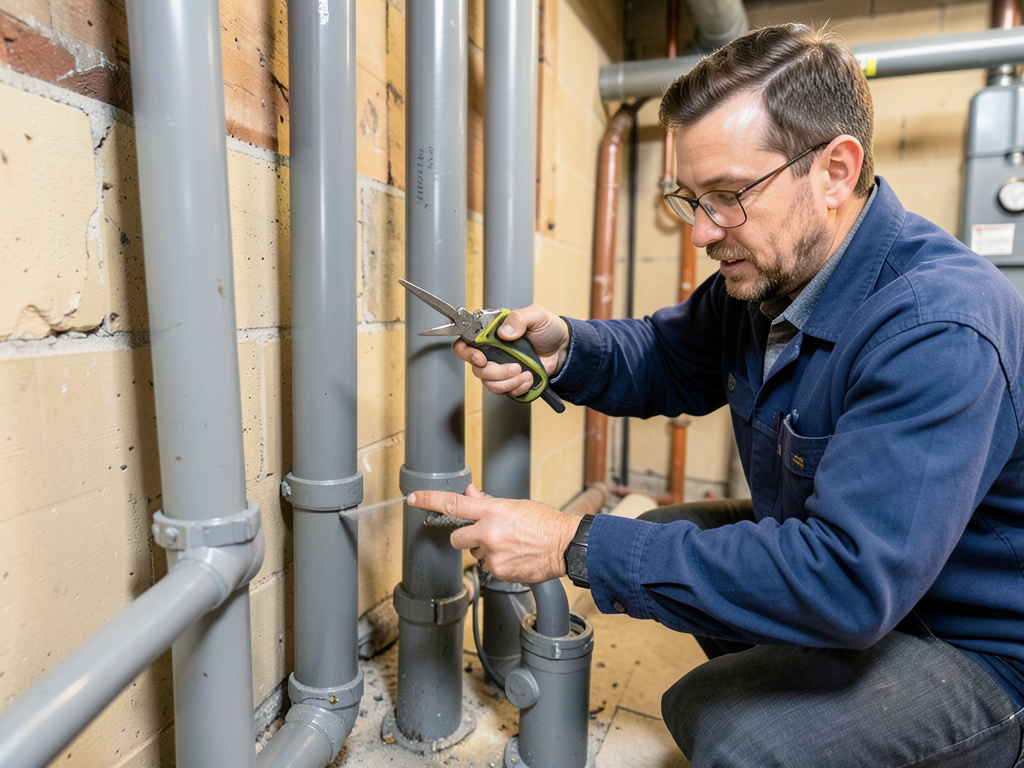
A technician using a magnet and scratch test to identify lead pipes in a Lexington basement. The image shows the distinctive gray color and soft texture of lead piping compared to copper.
Health Risks of Lead Pipes in Older MA Homes
Lead is a toxic metal that can leach into drinking water through corrosion of lead pipes, solder, and fixtures. The Environmental Protection Agency has established a maximum contaminant level goal of zero for lead in drinking water because there is no safe level of exposure. Children are particularly vulnerable to lead’s harmful effects, which can include reduced IQ, learning disabilities, and behavioral problems.
In Massachusetts homes, lead typically enters drinking water when it sits in pipes for several hours, allowing the metal to dissolve into the water. This is especially problematic in homes with lead service lines, where the pipe runs from the street to the house. Hot water dissolves lead more quickly than cold water, so using hot tap water for cooking or mixing baby formula can significantly increase exposure.
According to the EPA’s Lead and Copper Rule, water systems must monitor lead levels and take action if more than 10% of samples exceed 15 parts per billion. However, many health experts believe this threshold is too high and that any detectable lead in drinking water poses a health risk. The only way to completely eliminate lead exposure from your plumbing is to remove all lead-containing materials from your water system. Plumbing Quincy.
Recent studies by the Massachusetts Water Resources Authority have shown that homes with lead service lines have water lead levels that average 10-15 parts per billion, with some samples reaching levels as high as 50 parts per billion during certain conditions. This is why many Lexington homeowners are choosing to replace their lead pipes even before the town’s replacement program reaches their neighborhood.
How to Identify if Your Lexington Home Has Lead Pipes
Identifying lead pipes in your Lexington home is a straightforward process that you can do yourself with a few simple tools. The most reliable method is the scratch test, which involves gently scratching the pipe’s surface with a screwdriver or key. Lead pipes will reveal a shiny, silver-colored scratch that quickly tarnishes to a dull gray. Unlike copper pipes, which are hard and resistant to scratching, lead pipes are soft and easily marked.
Another method is the magnet test. Lead is not magnetic, so a magnet will not stick to lead pipes. However, this test alone is not conclusive since many other non-lead materials are also non-magnetic. The most definitive test combines both methods: if a pipe is easily scratched and a magnet doesn’t stick, it’s almost certainly lead.
You’ll typically find the main service line where it enters your basement or crawl space, usually near the water meter. In Lexington’s older homes, this might be in a utility closet, behind an access panel, or in a basement corner. The pipe will run from the floor upward and connect to your home’s plumbing system. If you’re unsure about your findings, Heritage Plumbing offers free lead pipe inspections for Lexington homeowners.
Another indicator is the age of your home. If your house was built before 1986 and hasn’t had major plumbing renovations, there’s a high probability that lead pipes or lead solder were used in your plumbing system. Many Lexington homes built between 1900 and 1950 have lead service lines, while homes built between 1950 and 1986 often contain lead solder connecting copper pipes.
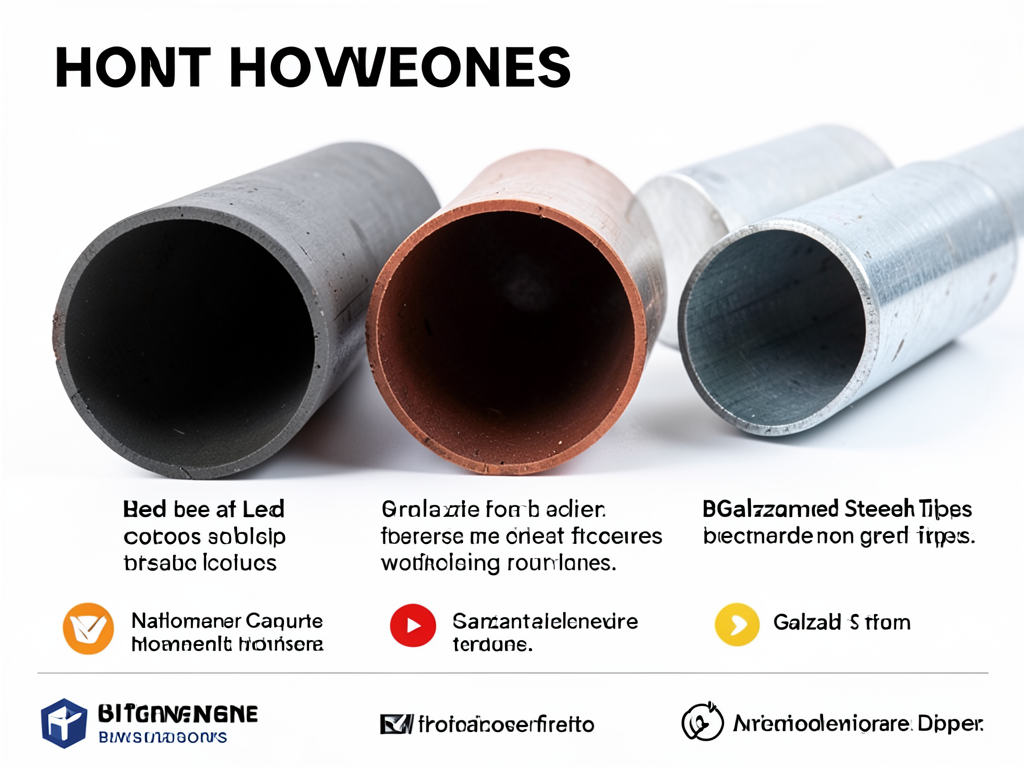
A cross-section comparison showing lead pipe (soft, dull gray), copper pipe (hard, reddish), and galvanized steel pipe (hard, silver-gray with threaded joints). This visual guide helps homeowners identify pipe materials before calling for professional service.
Our Lead Service Line Replacement Process
Heritage Plumbing follows a comprehensive lead service line replacement process that ensures your new pipes meet all Lexington and Massachusetts code requirements. The process begins with a thorough inspection of your existing plumbing system to confirm the presence of lead and assess the scope of work needed. We’ll also check for any galvanized steel pipes, which can also pose lead contamination risks if they were connected to lead service lines.
Step one involves obtaining the necessary permits from the Lexington Department of Public Works. Massachusetts plumbing code requires permits for any service line replacement, and Lexington has specific requirements for lead pipe removal. We handle all permit applications and coordinate with town inspectors to ensure your project stays on schedule.
Step two is the actual replacement. We offer both traditional excavation and trenchless pipe pulling methods. Traditional excavation involves digging a trench from the street to your home’s foundation, which is often necessary when the existing pipe is severely corroded or when the soil conditions in Lexington’s clay-heavy areas make trenchless methods difficult. Trenchless pipe pulling is less invasive and can often be completed in a single day, preserving your landscaping and reducing restoration costs. Heavy duty sump pump installation for flood-prone basements in Quincy.
Step three involves installing new copper piping that meets or exceeds Massachusetts plumbing code requirements. We use Type K copper for service lines, which has the thickest walls and provides the most durability. The new pipe is connected to your home’s plumbing system and tested for leaks and proper flow. We also install new shut-off valves and ensure all connections meet code requirements.
Step four is restoration. If we used traditional excavation, we’ll backfill the trench, compact the soil, and restore your lawn or landscaping to its original condition as much as possible. For trenchless installations, the restoration work is minimal, usually just patching any small entry points. We also clean up the work area thoroughly and dispose of all old lead pipes according to EPA hazardous waste regulations.
The entire process typically takes 1-3 days depending on the method chosen and site conditions. Lexington homeowners can expect to have water service interrupted for only a few hours during the actual pipe connection work. We provide a detailed timeline before starting and keep you informed throughout the project.
Costs and Financial Assistance: MWRA and Local Programs
The cost of lead service line replacement in Lexington varies depending on several factors, including the length of the service line, the replacement method chosen, and site conditions. Traditional excavation typically costs between $3,000 and $5,000, while trenchless pipe pulling can range from $2,500 to $4,000. These costs include permits, materials, labor, and basic restoration work.
Lexington homeowners may be eligible for financial assistance through several programs. The Massachusetts Water Resources Authority offers a Lead Service Line Replacement Loan Program that provides zero-interest loans up to $10,000 for qualified homeowners. The town of Lexington also has a matching grant program that can cover up to 50% of replacement costs for income-eligible residents.
Additionally, some homeowners insurance policies may cover part of the replacement cost if lead pipes are discovered during a covered event, such as a water main break or plumbing emergency. We recommend checking with your insurance provider to understand your coverage options. Heritage Plumbing can help you navigate these financial assistance programs and provide documentation needed for loan applications. Gas leak detection and emergency repair for Jamaica Plain residents.
It’s important to note that while the town of Lexington is responsible for the public portion of the service line (from the water main to the curb stop), homeowners are responsible for the private portion (from the curb stop to the house). This means that even if the town replaces the public portion, you may still need to replace the private portion to completely eliminate lead from your water system.
Many Lexington homeowners find that the long-term benefits of lead pipe replacement outweigh the initial costs. Not only do you eliminate health risks, but you also increase your home’s value and may qualify for lower insurance premiums. Some real estate agents report that homes with updated plumbing systems sell faster and at higher prices than comparable homes with older lead pipes.
Before and after photos of a Lexington lead pipe replacement project. The left image shows a corroded lead service line being removed, while the right image shows the new copper pipe installed with proper connections and shut-off valve.
Frequently Asked Questions for Lexington Homeowners
How do I know if my home’s lead pipes are a problem?
If your home was built before 1986 and you haven’t had your plumbing updated, there’s a good chance you have lead pipes or lead solder. The only way to know for sure is to have a professional inspection or use the scratch test described above. Even if your water tests negative for lead today, conditions can change, making replacement the safest long-term solution.. Read more about Making Your Bedford Home Safer with ADA Compliant Bathroom Plumbing.
Will replacing my lead pipes disrupt my water service?
Water service is typically interrupted for only 4-6 hours during the actual pipe connection work. We coordinate with you to schedule this during a convenient time, and we’ll provide temporary water if needed for medical equipment or other critical needs. Most Lexington homeowners find the brief interruption is well worth the long-term benefits.
Do I need a permit to replace lead pipes in Lexington?
Yes, Massachusetts plumbing code requires permits for all service line replacements. Lexington’s Department of Public Works must inspect the work to ensure it meets local and state requirements. Heritage Plumbing handles all permitting and inspection coordination as part of our service, so you don’t have to worry about the paperwork.
How long does the entire replacement process take?
From initial inspection to final restoration, most projects take 1-3 days. The actual pipe replacement work usually takes one day, with additional time needed for permits and any necessary restoration. We provide a detailed timeline before starting and keep you updated throughout the process.
Will my lawn be destroyed during the replacement?
If we use traditional excavation, there will be some disturbance to your lawn, but we take great care to minimize damage and fully restore the area afterward. Trenchless pipe pulling is much less invasive and often preserves your landscaping completely. We’ll discuss both options and help you choose the best method for your property.
Can I replace just part of my lead service line?
While technically possible, partial replacement is not recommended because it can actually increase lead levels temporarily as the new copper pipe interacts with the remaining lead pipe. For complete protection, it’s best to replace the entire service line from the water main to your home’s plumbing system.
What type of pipe should replace my lead service line?
We recommend Type K copper for lead service line replacement. It’s durable, resistant to corrosion, and meets all Massachusetts plumbing code requirements. Copper has a proven track record of reliability and won’t introduce any new health concerns into your water system.
How soon can you start my lead pipe replacement?
We typically can begin work within 1-2 weeks of your initial inspection, depending on permit processing times and our current schedule. During peak seasons, scheduling may take slightly longer. Call (617) 749-9799 to get on our schedule and receive a free inspection and estimate.
Lead pipe replacement is an investment in your family’s health and your home’s future. With Lexington’s aging housing stock and the town’s active replacement program, now is the perfect time to address this issue. Heritage Plumbing has the experience, equipment, and local knowledge to complete your project efficiently and to the highest standards.
Don’t wait for water quality issues to appear or for the town’s program to reach your neighborhood. Take control of your home’s water safety today. Call (617) 749-9799 to schedule your free lead pipe inspection and learn more about your replacement options. Our team is ready to help you make your Lexington home safer and healthier for years to come.
You may also find this helpful. Everything You Should Look for When Inspecting Plumbing in a Potential North Quincy Home.
{
“@context”: “https://schema.org”,
“@type”: “BlogPosting”,
“headline”: “Lead Pipe Replacement (How to Check Your Historic Lexington Home)”,
“description”: “Concerned about lead pipes in your Lexington home? Learn how to identify lead service lines, understand health risks, and get professional replacement services. Call (617) 749-9799 today.”,
“wordCount”: 2408,
“datePublished”: “2026-03-29T11:30:00.000Z”,
“dateModified”: “2026-03-29T11:30:00.000Z”,
“inLanguage”: “en-US”,
“mainEntityOfPage”: {
“@type”: “WebPage”,
“@id”: “https://heritageplumbingboston.com”
},
“publisher”: {
“@type”: “LocalBusiness”,
“name”: “Heritage Plumbing Boston”,
“url”: “https://heritageplumbingboston.com”
},
“author”: {
“@type”: “Organization”,
“name”: “Heritage Plumbing Boston”,
“url”: “https://heritageplumbingboston.com”
},
“image”: {
“@type”: “ImageObject”,
“url”: “https://heritageplumbingboston.com/wp-content/uploads/2026/03/lead-pipe-replacement-how-to-check-your-historic-l-1.png”
}
}
{
“@context”: “https://schema.org”,
“@type”: “Plumber”,
“name”: “Heritage Plumbing Boston”,
“url”: “https://heritageplumbingboston.com”,
“address”: {
“@type”: “PostalAddress”,
“addressLocality”: “Boston”
},
“areaServed”: {
“@type”: “City”,
“name”: “Boston”
}
}
{
“@context”: “https://schema.org”,
“@type”: “FAQPage”,
“mainEntity”: [
{
“@type”: “Question”,
“name”: “How do I know if my home’s lead pipes are a problem?”,
“acceptedAnswer”: {
“@type”: “Answer”,
“text”: “If your home was built before 1986 and you haven’t had your plumbing updated, there’s a good chance you have lead pipes or lead solder. The only way to know for sure is to have a professional inspection or use the scratch test described above. Even if your water tests negative for lead today, conditions can change, making replacement the safest long-term solution.”
}
},
{
“@type”: “Question”,
“name”: “Will replacing my lead pipes disrupt my water service?”,
“acceptedAnswer”: {
“@type”: “Answer”,
“text”: “Water service is typically interrupted for only 4-6 hours during the actual pipe connection work. We coordinate with you to schedule this during a convenient time, and we’ll provide temporary water if needed for medical equipment or other critical needs. Most Lexington homeowners find the brief interruption is well worth the long-term benefits.”
}
},
{
“@type”: “Question”,
“name”: “Do I need a permit to replace lead pipes in Lexington?”,
“acceptedAnswer”: {
“@type”: “Answer”,
“text”: “Yes, Massachusetts plumbing code requires permits for all service line replacements. Lexington’s Department of Public Works must inspect the work to ensure it meets local and state requirements. Heritage Plumbing handles all permitting and inspection coordination as part of our service, so you don’t have to worry about the paperwork.”
}
},
{
“@type”: “Question”,
“name”: “How long does the entire replacement process take?”,
“acceptedAnswer”: {
“@type”: “Answer”,
“text”: “From initial inspection to final restoration, most projects take 1-3 days. The actual pipe replacement work usually takes one day, with additional time needed for permits and any necessary restoration. We provide a detailed timeline before starting and keep you updated throughout the process.”
}
},
{
“@type”: “Question”,
“name”: “Will my lawn be destroyed during the replacement?”,
“acceptedAnswer”: {
“@type”: “Answer”,
“text”: “If we use traditional excavation, there will be some disturbance to your lawn, but we take great care to minimize damage and fully restore the area afterward. Trenchless pipe pulling is much less invasive and often preserves your landscaping completely. We’ll discuss both options and help you choose the best method for your property.”
}
},
{
“@type”: “Question”,
“name”: “Can I replace just part of my lead service line?”,
“acceptedAnswer”: {
“@type”: “Answer”,
“text”: “While technically possible, partial replacement is not recommended because it can actually increase lead levels temporarily as the new copper pipe interacts with the remaining lead pipe. For complete protection, it’s best to replace the entire service line from the water main to your home’s plumbing system.”
}
},
{
“@type”: “Question”,
“name”: “What type of pipe should replace my lead service line?”,
“acceptedAnswer”: {
“@type”: “Answer”,
“text”: “We recommend Type K copper for lead service line replacement. It’s durable, resistant to corrosion, and meets all Massachusetts plumbing code requirements. Copper has a proven track record of reliability and won’t introduce any new health concerns into your water system.”
}
},
{
“@type”: “Question”,
“name”: “How soon can you start my lead pipe replacement?”,
“acceptedAnswer”: {
“@type”: “Answer”,
“text”: “We typically can begin work within 1-2 weeks of your initial inspection, depending on permit processing times and our current schedule. During peak seasons, scheduling may take slightly longer. Call (617) 749-9799 to get on our schedule and receive a free inspection and estimate.”
}
}
]
}
{
“@context”: “https://schema.org”,
“@type”: “BreadcrumbList”,
“itemListElement”: [
{
“@type”: “ListItem”,
“position”: 1,
“name”: “Home”,
“item”: “https://heritageplumbingboston.com”
},
{
“@type”: “ListItem”,
“position”: 2,
“name”: “Blog”,
“item”: “https://heritageplumbingboston.com/blog”
},
{
“@type”: “ListItem”,
“position”: 3,
“name”: “Lead Pipe Replacement (How to Check Your Historic Lexington Home)”
}
]
}
{
“@context”: “https://schema.org”,
“@type”: “Service”,
“serviceType”: “Plumbing”,
“provider”: {
“@type”: “LocalBusiness”,
“name”: “Heritage Plumbing Boston”,
“url”: “https://heritageplumbingboston.com”
},
“areaServed”: {
“@type”: “City”,
“name”: “Boston”
},
“description”: “Concerned about lead pipes in your Lexington home? Learn how to identify lead service lines, understand health risks, and get professional replacement services. Call (617) 749-9799 today.”
}