
Protecting Your Winthrop Home from Salt Air Pipe Corrosion
Winthrop’s coastal location creates a perfect storm for plumbing pipe corrosion. The combination of salt-laden air, extreme New England freeze-thaw cycles, and aging infrastructure in this historic peninsula community accelerates pipe degradation faster than inland areas. Understanding these unique challenges is the first step toward protecting your home’s plumbing system from costly failures. Reliable 24 hour plumbing repair in the Back Bay.
Salt air contains chloride ions that penetrate microscopic imperfections in pipe surfaces. When combined with Winthrop’s temperature swings from bitter winter cold to humid summer heat, these conditions create electrochemical reactions that eat away at metal pipes from the inside out. The result is pinhole leaks, reduced water pressure, and discolored water that plague many Winthrop homes. Water heater replacement and repair for South Boston condos.
Beyond the immediate inconvenience, pipe corrosion poses serious risks including water damage to walls and floors, mold growth in hidden spaces, and potential contamination of your drinking water. Homes built before the 1980s in Winthrop are particularly vulnerable, often containing galvanized steel pipes that corrode rapidly in this coastal environment.
The good news is that modern diagnostic tools and treatment options can identify and address corrosion before catastrophic failures occur. From epoxy pipe lining to complete re-piping with corrosion-resistant materials, solutions exist for every budget and severity level. The key is early detection and intervention by professionals who understand Winthrop’s unique coastal plumbing challenges. Gas leak detection and emergency repair for Jamaica Plain residents.
Common Signs of Pipe Corrosion in Coastal Homes
Recognizing the early warning signs of pipe corrosion can save Winthrop homeowners thousands in emergency repairs. Here are the most common indicators that your plumbing system is under attack from salt air and environmental factors: EPA Secondary Drinking Water Standards.
Discolored Water – Brown, yellow, or rusty water coming from your taps indicates iron oxide from corroding pipes entering your water supply. This is particularly common in older galvanized steel pipes that have been exposed to salt air for decades.
Metallic Taste or Odor – Water that tastes or smells metallic suggests pipe degradation is releasing metal ions into your water. This affects not just your drinking water but also the taste of coffee, tea, and cooked foods.
Reduced Water Pressure – As corrosion builds up inside pipes, it narrows the internal diameter, reducing water flow throughout your home. You might notice this as weak shower pressure or slow-filling toilets.
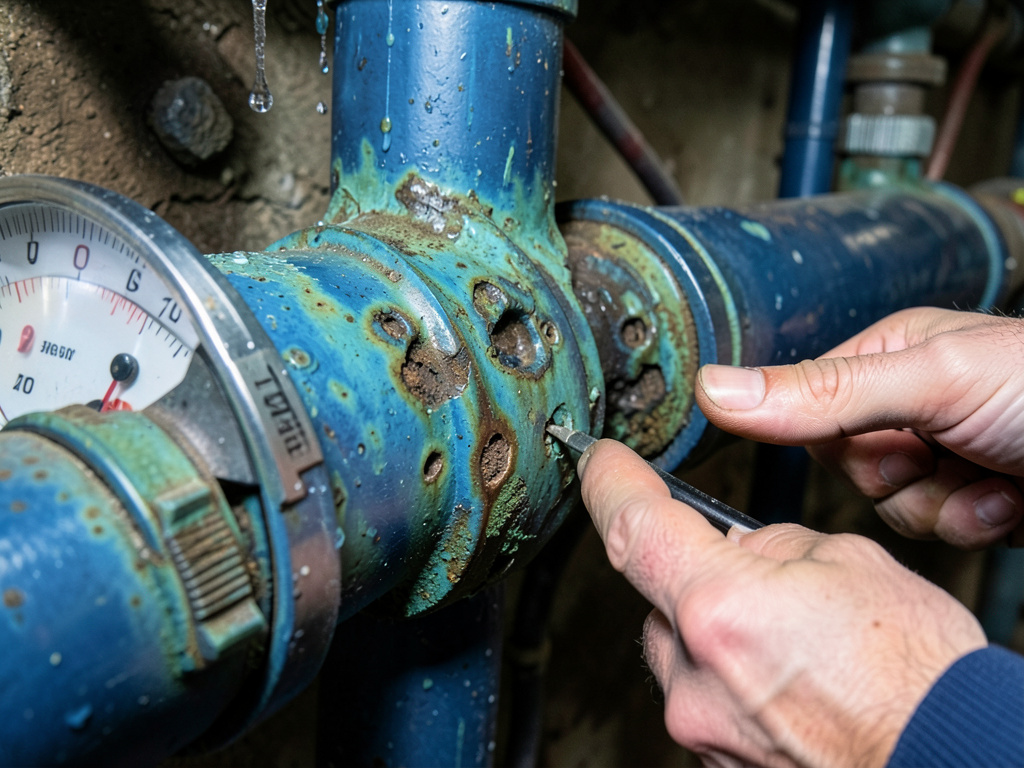
Blue-Green Stains – Copper pipes develop distinctive blue-green stains around joints and fixtures when corroding. These stains appear on sinks, tubs, and even on exterior pipe surfaces in humid areas.
Pinhole Leaks – Small, unexplained leaks that appear in multiple locations often indicate widespread pipe corrosion. These leaks may start as tiny drips but can quickly escalate to major water damage.
Water Heater Problems – Corrosion accelerates in water heaters, causing premature failure of heating elements and tank degradation. If you’re replacing water heaters more frequently than every 8-10 years, corrosion may be the culprit.
Visual Reference: Close-up photo showing blue-green copper corrosion stains around pipe joints in a Winthrop basement, with visible pitting on pipe surfaces.
Why Winthrop’s Coastal Location Accelerates Pipe Corrosion
Winthrop’s unique geography creates conditions that dramatically accelerate pipe corrosion compared to inland communities. Understanding these factors helps explain why coastal homes face plumbing challenges that their inland counterparts rarely experience.
Salt Air Exposure – Located on a peninsula surrounded by Boston Harbor and Massachusetts Bay, Winthrop experiences constant salt air exposure. Salt particles carried by ocean breezes settle on exposed pipes, accelerating corrosion through electrochemical reactions. The closer your home is to the water, the more severe this effect becomes.
High Humidity Levels – Coastal communities like Winthrop maintain higher humidity levels year-round. This moisture creates ideal conditions for corrosion to develop on both interior and exterior pipe surfaces. Even pipes in conditioned spaces are affected by the constant moisture in the air.
Temperature Fluctuations – Winthrop experiences some of the most extreme temperature swings in the Boston area. These freeze-thaw cycles cause pipes to expand and contract repeatedly, creating microscopic cracks that allow corrosive elements to penetrate deeper into pipe walls.
Older Infrastructure – Many Winthrop homes were built between the 1920s and 1970s when galvanized steel was the standard plumbing material. These pipes have been exposed to coastal conditions for decades, making them particularly vulnerable to failure.
Soil Conditions – The sandy, well-drained soils common in coastal areas can accelerate underground pipe corrosion. These soils often contain higher salt concentrations and provide less protection for buried pipes compared to the clay soils found inland.
Storm Surge and Flooding – Winthrop’s low elevation makes it susceptible to coastal flooding during nor’easters and other severe weather events. Floodwaters introduce additional corrosive elements and can damage pipe coatings, accelerating degradation.
Types of Pipe Materials and Their Coastal Vulnerability
Different pipe materials respond differently to coastal corrosion. Understanding the vulnerabilities of each type helps homeowners make informed decisions about repairs and replacements.
| Pipe Material | Coastal Vulnerability | Typical Lifespan in Winthrop | Best Use Cases |
|---|---|---|---|
| Galvanized Steel | Very High – Rapid internal corrosion | 20-40 years | Historical restoration only |
| Copper | High – Pinhole leaks from pitting | 40-70 years | Interior supply lines |
| PEX (Cross-linked Polyethylene) | Low – Resistant to corrosion | 50+ years | Modern replacements |
| CPVC | Very Low – Excellent chemical resistance | 50-80 years | Hot and cold supply |
| Cast Iron | Medium – External corrosion in soil | 50-100 years | Drain lines only |
Galvanized steel pipes, once common in Winthrop homes built before 1970, are particularly problematic in coastal environments. The zinc coating that initially protects these pipes breaks down over time, exposing the steel to rapid corrosion. Once corrosion begins, it accelerates exponentially as the protective layer is compromised.
Copper pipes, while more resistant than galvanized steel, still face significant challenges in coastal areas. The chloride ions in salt air can cause pitting corrosion, creating tiny holes that eventually develop into leaks. This type of corrosion is particularly insidious because it often occurs in hidden locations, making detection difficult until major damage has occurred.
Modern materials like PEX and CPVC offer superior resistance to coastal corrosion. These plastic-based materials don’t rust or corrode, making them ideal for coastal installations. However, they require different installation techniques and may not be suitable for all applications, particularly where local building codes have specific requirements. Heavy duty sump pump installation for flood-prone basements in Quincy.
Professional Diagnostic Methods for Pipe Corrosion Assessment
Accurate diagnosis of pipe corrosion requires specialized equipment and expertise. Professional plumbers use several methods to assess the extent of corrosion and determine the most appropriate treatment approach.
Visual Inspection – The first step involves examining exposed pipes for visible signs of corrosion, including discoloration, staining, and physical damage. Technicians look for blue-green copper stains, rust-colored deposits on galvanized pipes, and signs of previous repairs that might indicate ongoing problems.
Water Quality Testing – Laboratory analysis of your water can reveal elevated levels of copper, iron, or other metals that indicate pipe corrosion. Testing also measures pH levels, which affect corrosion rates. Water with a pH below 7 is acidic and accelerates pipe degradation.
Pressure Testing – This diagnostic test identifies leaks and weak points in your plumbing system by pressurizing pipes and monitoring for pressure drops. Even small leaks that aren’t visible can be detected through pressure testing, helping identify corrosion before it causes major damage.
Camera Inspection – For inaccessible pipes, video camera inspection allows technicians to see inside pipes without demolition. The camera reveals corrosion buildup, blockages, and pipe condition in real-time, providing a clear picture of internal pipe degradation.
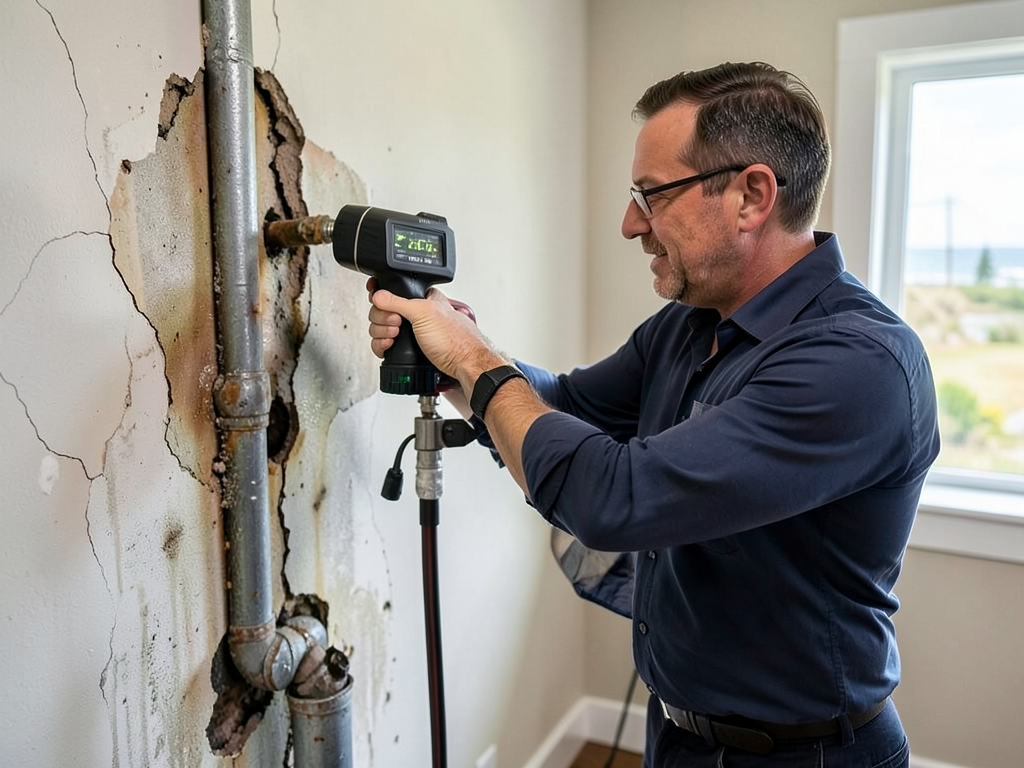
Acoustic Leak Detection – This specialized equipment uses sensitive microphones to detect the sound of water escaping from pipes. Even tiny pinhole leaks create distinctive acoustic signatures that can be located precisely, helping identify corrosion problems before they become catastrophic.
Corrosion Rate Testing – Using specialized probes, technicians can measure the actual rate of corrosion occurring in your pipes. This data helps predict when pipes might fail and determines whether repair or replacement is the more cost-effective option.
Visual Reference: Technician using acoustic leak detection equipment to locate pinhole leaks in a Winthrop home’s copper supply lines, with moisture meter readings displayed on the device screen.
Treatment Options for Corroded Plumbing Systems
Once corrosion is identified, several treatment options exist depending on the severity, pipe material, and budget considerations. Each approach has specific advantages and limitations that should be evaluated carefully.
Epoxy Pipe Lining – This trenchless technology involves coating the inside of existing pipes with an epoxy resin that creates a new, corrosion-resistant surface. The process typically takes one to two days and can extend pipe life by 30-50 years. It’s particularly effective for copper pipes with pinhole leaks and galvanized pipes with internal corrosion.
Partial Re-piping – For localized corrosion problems, replacing only the affected sections of pipe may be the most cost-effective solution. This approach works well when corrosion is confined to specific areas, such as pipes near exterior walls or in basements with high humidity.
Complete System Re-piping – When corrosion is widespread throughout the home, complete re-piping may be the only long-term solution. Modern materials like PEX or CPVC offer superior corrosion resistance and can be installed with minimal disruption to finished spaces.
Water Treatment Systems – Installing water softeners or corrosion inhibitors can slow the progression of existing corrosion and prevent new damage. These systems are particularly effective in areas with hard water or acidic pH levels that accelerate pipe degradation.
Protective Coatings – For exposed exterior pipes, applying specialized corrosion-resistant coatings can provide additional protection. These coatings must be maintained regularly but can significantly extend pipe life in harsh coastal environments.
Galvanic Protection – This technique uses sacrificial anodes to protect metal pipes from corrosion. While more common in industrial applications, it can be effective for protecting specific pipe sections in residential settings.
Massachusetts Plumbing Code Requirements for Pipe Repair
All pipe repair and replacement work in Winthrop must comply with Massachusetts plumbing regulations. Understanding these requirements helps ensure your project meets legal standards and maintains your home’s value. Massachusetts State Plumbing Code.
The Massachusetts State Plumbing Code (248 CMR 10.00) requires that all pipe repairs be performed by licensed plumbers. This code mandates specific materials, installation methods, and testing procedures to ensure public health and safety. Work performed without proper licensing can result in fines and may void homeowner’s insurance coverage.
For homes in historic districts or those with specific architectural features, additional requirements may apply. The Boston Inspectional Services Department maintains strict oversight of plumbing work in historic areas, often requiring approval for exterior modifications or visible pipe installations.
Permit requirements vary based on the scope of work. Simple repairs may not require permits, but any work that involves cutting into walls, replacing multiple fixtures, or modifying the main water service line typically requires permits and inspections. These inspections ensure work complies with current code requirements and is performed safely.
Water quality standards must also be maintained during and after repairs. The Massachusetts Department of Environmental Protection (MassDEP) sets standards for lead content, pH levels, and other water quality parameters. Repairs must not introduce contaminants or create conditions that violate these standards.
Insurance considerations are also important. Many insurance policies require that plumbing work be performed by licensed professionals and meet local code requirements. Work that doesn’t meet these standards may not be covered in the event of future failures or damage.
Cost Factors and Long-term Considerations
The cost of addressing pipe corrosion varies significantly based on several factors. Understanding these variables helps homeowners budget appropriately and make informed decisions about treatment options.
Scope of Work – Simple repairs to fix individual leaks cost significantly less than complete system re-piping. However, multiple small repairs often add up to more than a comprehensive solution over time, especially in coastal environments where corrosion tends to worsen progressively.
Material Selection – Modern materials like PEX are generally less expensive than copper but may have different code requirements or limitations. The choice of material affects both initial costs and long-term durability, particularly in coastal environments.
Accessibility – Pipes that are easily accessible in basements or utility areas cost less to repair than those hidden behind walls or under floors. The need for demolition and reconstruction of finished spaces can significantly increase project costs.
Permit and Inspection Fees – Local permit fees and required inspections add to project costs but are essential for ensuring work meets code requirements. These fees vary by municipality and scope of work.
Emergency vs. Planned Work – Emergency repairs typically cost 25-50% more than planned work due to overtime rates and the need for immediate response. Planning repairs during off-peak seasons can result in significant savings.
Long-term ROI – While initial costs may seem high, addressing corrosion problems comprehensively often provides better long-term value than repeated repairs. Modern materials and techniques can extend pipe life by decades, reducing future maintenance costs.
Preventative Maintenance for Coastal Plumbing Systems
Regular maintenance can significantly extend the life of your plumbing system and prevent costly emergency repairs. These preventative measures are particularly important in coastal environments where corrosion accelerates naturally.
Annual Inspections – Having a professional plumber inspect your system annually can identify developing problems before they become emergencies. These inspections should include checking for visible corrosion, testing water pressure, and examining exposed pipes in basements and crawl spaces.
Water Quality Monitoring – Testing your water quality annually helps identify changes that might indicate developing corrosion problems. Look for changes in pH, increased metal content, or the presence of bacteria that could accelerate pipe degradation.
Humidity Control – Maintaining proper humidity levels in basements and crawl spaces can slow corrosion progression. Dehumidifiers and proper ventilation help create conditions less favorable to corrosion development.
Protective Coatings – Applying corrosion-resistant coatings to exposed pipes provides an additional layer of protection. These coatings need to be reapplied periodically but can significantly extend pipe life in harsh coastal environments.
Proper Drainage – Ensuring proper drainage around your home prevents water accumulation that can accelerate underground pipe corrosion. This includes maintaining gutters, grading soil away from foundations, and addressing any drainage issues promptly.
Temperature Management – Protecting pipes from extreme temperature fluctuations helps prevent the expansion and contraction that creates microscopic cracks where corrosion can begin. Proper insulation and temperature control in vulnerable areas are essential.
Frequently Asked Questions
How do I know if my pipes are corroding?
Common signs include discolored water, metallic taste or odor, reduced water pressure, blue-green stains around fixtures, pinhole leaks, and frequent water heater problems. If you notice any of these symptoms, have your system inspected by a licensed plumber familiar with coastal corrosion issues.
Can corroded pipes be repaired or do they need replacement?
It depends on the extent and type of corrosion. Minor localized corrosion can often be repaired with epoxy lining or partial replacement. However, widespread corrosion, especially in older galvanized pipes, typically requires complete replacement for long-term reliability. A professional inspection can determine the best approach.
How much does pipe corrosion treatment cost in Winthrop?
Costs vary widely based on the scope of work, ranging from $500-1,500 for simple repairs to $5,000-15,000 for complete system re-piping. Epoxy lining typically costs $3,000-8,000 for an average home. Emergency repairs often cost 25-50% more than planned work. Most companies offer free inspections to provide accurate estimates.
Will my homeowners insurance cover pipe corrosion repairs?
Most standard policies cover sudden, accidental water damage but not gradual deterioration from corrosion. However, if corrosion leads to a sudden pipe failure, the resulting damage might be covered. Check your specific policy and consider adding water damage coverage if you live in a coastal area prone to pipe corrosion.. Read more about Adding an Outdoor Shower to Your Nahant Beach House.
How long does epoxy pipe lining last in coastal environments?
Quality epoxy lining typically lasts 30-50 years in coastal environments, compared to 10-20 years for untreated corroded pipes. The epoxy creates a new, corrosion-resistant surface that protects against salt air and moisture. Many manufacturers offer warranties of 10-25 years on properly installed epoxy lining systems.
Visual Reference: Before and after comparison showing a corroded copper pipe section before epoxy lining and the same pipe after treatment, with flow capacity measurements displayed.
Take Action Before Corrosion Costs You Thousands
Ignoring pipe corrosion in your Winthrop home is a gamble that rarely pays off. What starts as a minor inconvenience can quickly escalate into major water damage, mold remediation, and complete system replacement. The coastal environment that makes Winthrop such a beautiful place to live also creates conditions that accelerate pipe degradation beyond what most homeowners expect.
The most cost-effective approach is early intervention. A simple inspection can identify developing problems before they require emergency repairs or cause water damage to your home. Modern diagnostic tools can pinpoint corrosion issues that aren’t visible to the naked eye, allowing for targeted repairs that save money and prevent future problems.
Don’t wait for the next big leak or water heater failure to address your plumbing concerns. The peace of mind that comes from knowing your home’s plumbing system is protected from coastal corrosion is worth the investment. Whether you need a simple inspection, targeted repairs, or complete system replacement, professional help is available to protect your Winthrop home from the unique challenges of salt air pipe corrosion.
Call (617) 749-9799 today to schedule your comprehensive pipe inspection. Our experienced technicians understand Winthrop’s unique coastal plumbing challenges and can recommend the most cost-effective solutions for your specific situation. Don’t let corrosion compromise your home’s plumbing system – take action now to protect your investment and ensure reliable water service for years to come.
Pick up the phone and call (617) 749-9799 before the next storm hits. Coastal corrosion doesn’t wait for convenient times, and neither should you. Protect your Winthrop home with professional pipe corrosion assessment and treatment from technicians who understand the unique challenges of our coastal environment. Storm Drain Cleaning & Repair.
You may also find this helpful. The Ultimate Guide to Choosing Between Cast Iron and PVC for Your Mattapan Home.
{
“@context”: “https://schema.org”,
“@type”: “BlogPosting”,
“headline”: “Protecting Your Winthrop Home from Salt Air Pipe Corrosion”,
“description”: “Winthrop’s coastal location accelerates pipe corrosion. Learn how salt air, freeze-thaw cycles, and aging infrastructure damage plumbing systems. Call (617) 749-9799 for expert solutions.”,
“wordCount”: 2997,
“datePublished”: “2026-03-11T07:18:00.000Z”,
“dateModified”: “2026-03-11T07:18:00.000Z”,
“inLanguage”: “en-US”,
“mainEntityOfPage”: {
“@type”: “WebPage”,
“@id”: “https://heritageplumbingboston.com”
},
“publisher”: {
“@type”: “LocalBusiness”,
“name”: “Heritage Plumbing Boston”,
“url”: “https://heritageplumbingboston.com”
},
“author”: {
“@type”: “Organization”,
“name”: “Heritage Plumbing Boston”,
“url”: “https://heritageplumbingboston.com”
},
“image”: {
“@type”: “ImageObject”,
“url”: “https://heritageplumbingboston.com/wp-content/uploads/2026/03/protecting-your-winthrop-home-from-salt-air-pipe-c-1.png”
}
}
{
“@context”: “https://schema.org”,
“@type”: “Plumber”,
“name”: “Heritage Plumbing Boston”,
“url”: “https://heritageplumbingboston.com”,
“address”: {
“@type”: “PostalAddress”,
“addressLocality”: “Boston”
},
“areaServed”: {
“@type”: “City”,
“name”: “Boston”
}
}
{
“@context”: “https://schema.org”,
“@type”: “FAQPage”,
“mainEntity”: [
{
“@type”: “Question”,
“name”: “How do I know if my pipes are corroding?”,
“acceptedAnswer”: {
“@type”: “Answer”,
“text”: “Common signs include discolored water, metallic taste or odor, reduced water pressure, blue-green stains around fixtures, pinhole leaks, and frequent water heater problems. If you notice any of these symptoms, have your system inspected by a licensed plumber familiar with coastal corrosion issues.”
}
},
{
“@type”: “Question”,
“name”: “Can corroded pipes be repaired or do they need replacement?”,
“acceptedAnswer”: {
“@type”: “Answer”,
“text”: “It depends on the extent and type of corrosion. Minor localized corrosion can often be repaired with epoxy lining or partial replacement. However, widespread corrosion, especially in older galvanized pipes, typically requires complete replacement for long-term reliability. A professional inspection can determine the best approach.”
}
},
{
“@type”: “Question”,
“name”: “How much does pipe corrosion treatment cost in Winthrop?”,
“acceptedAnswer”: {
“@type”: “Answer”,
“text”: “Costs vary widely based on the scope of work, ranging from $500-1,500 for simple repairs to $5,000-15,000 for complete system re-piping. Epoxy lining typically costs $3,000-8,000 for an average home. Emergency repairs often cost 25-50% more than planned work. Most companies offer free inspections to provide accurate estimates.”
}
},
{
“@type”: “Question”,
“name”: “Will my homeowners insurance cover pipe corrosion repairs?”,
“acceptedAnswer”: {
“@type”: “Answer”,
“text”: “Most standard policies cover sudden, accidental water damage but not gradual deterioration from corrosion. However, if corrosion leads to a sudden pipe failure, the resulting damage might be covered. Check your specific policy and consider adding water damage coverage if you live in a coastal area prone to pipe corrosion.”
}
},
{
“@type”: “Question”,
“name”: “How long does epoxy pipe lining last in coastal environments?”,
“acceptedAnswer”: {
“@type”: “Answer”,
“text”: “Quality epoxy lining typically lasts 30-50 years in coastal environments, compared to 10-20 years for untreated corroded pipes. The epoxy creates a new, corrosion-resistant surface that protects against salt air and moisture. Many manufacturers offer warranties of 10-25 years on properly installed epoxy lining systems.”
}
}
]
}
{
“@context”: “https://schema.org”,
“@type”: “BreadcrumbList”,
“itemListElement”: [
{
“@type”: “ListItem”,
“position”: 1,
“name”: “Home”,
“item”: “https://heritageplumbingboston.com”
},
{
“@type”: “ListItem”,
“position”: 2,
“name”: “Blog”,
“item”: “https://heritageplumbingboston.com/blog”
},
{
“@type”: “ListItem”,
“position”: 3,
“name”: “Protecting Your Winthrop Home from Salt Air Pipe Corrosion”
}
]
}
{
“@context”: “https://schema.org”,
“@type”: “Service”,
“serviceType”: “Plumbing”,
“provider”: {
“@type”: “LocalBusiness”,
“name”: “Heritage Plumbing Boston”,
“url”: “https://heritageplumbingboston.com”
},
“areaServed”: {
“@type”: “City”,
“name”: “Boston”
},
“description”: “Winthrop’s coastal location accelerates pipe corrosion. Learn how salt air, freeze-thaw cycles, and aging infrastructure damage plumbing systems. Call (617) 749-9799 for expert solutions.”
}