
How we fix low water pressure in Charlestown historic homes
Low water pressure in Charlestown historic homes isn’t just inconvenient—it’s often a symptom of deeper plumbing issues unique to Boston’s oldest neighborhoods. The combination of aging galvanized pipes sediment buildup and Boston Water and Sewer Commission infrastructure creates a perfect storm for pressure problems in 02129. Boston Water and Sewer Commission.
Charlestown’s elevation changes from the Navy Yard to Bunker Hill create natural pressure variations while the neighborhood’s historic brownstones and wood-frame colonials often contain original plumbing that’s decades past its service life. When you turn on your shower and get a trickle instead of a flow you’re experiencing the intersection of Boston’s architectural heritage and its aging municipal water system. Reliable 24 hour plumbing repair in the Back Bay.
Before you call a plumber check your main shut-off valve near the water meter pit—it should be fully open. Then inspect your faucet aerators for mineral buildup. These simple steps solve many pressure issues but if your home still struggles you’re likely dealing with corroded pipes or a failing Pressure Reducing Valve that needs professional diagnosis. Water heater replacement and repair for South Boston condos.
Why Charlestown homes experience low water pressure
Charlestown’s unique geography and history create specific pressure challenges. The neighborhood sits at varying elevations with some homes experiencing natural pressure drops of 5-8 PSI simply due to their position on the slope from the Navy Yard toward Monument Square. This elevation change compounds existing plumbing issues in historic properties.. Read more about Emergency plumbing help for Beacon Hill brownstone owners.
The Boston Water and Sewer Commission’s 2026 infrastructure report shows that BWSC is actively replacing aging cast iron mains in the Charlestown area but construction zones can temporarily reduce pressure by 10-15% for affected blocks. If you notice pressure changes that coincide with construction activity on Main Street or Bunker Hill Street this could be the cause. Solving sewer line issues in older Dorchester homes without digging up the yard.
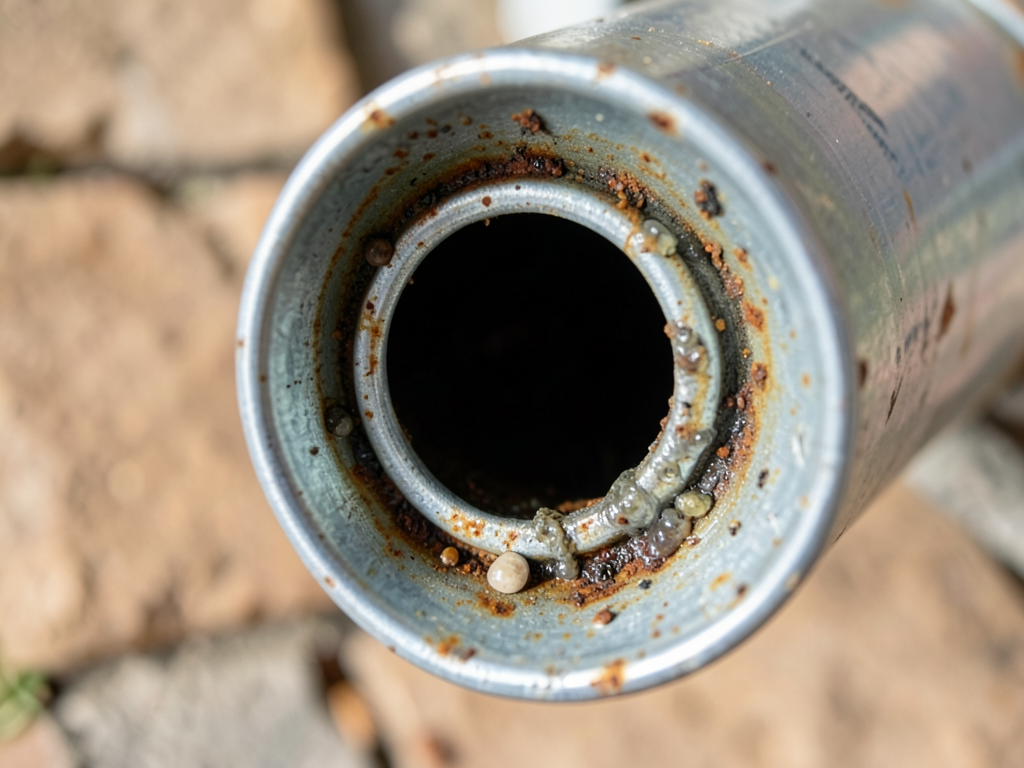
Historic Charlestown homes built before 1960 often contain galvanized steel pipes that corrode from the inside out. This creates a rough mineral-encrusted surface that restricts water flow even when the pipe appears intact externally. A 1-inch galvanized pipe can lose up to 60% of its flow capacity after 40 years of service due to internal corrosion.
Common causes we see in 02129
Pressure Reducing Valve failure is the most common single cause of low pressure in Charlestown homes. These valves typically installed where the water main enters your home regulate incoming pressure to protect your plumbing. When they fail they often stick in a partially closed position reducing pressure throughout the house.
Galvanized pipe corrosion creates a progressive problem. As pipes age mineral deposits build up inside the pipe walls creating a rough surface that catches more minerals. This creates a snowball effect where flow restriction worsens each year. Homes in the Monument Square area built in the 1920s-1940s are particularly susceptible to this issue.
Sediment buildup in water heaters affects both hot and cold water pressure. Charlestown’s water while treated contains minerals that settle in the bottom of water heater tanks. When sediment reaches critical mass it can partially block the cold water inlet reducing overall household pressure. This is especially common in homes near the Charlestown Navy Yard where water quality can vary.
Main shut-off valve issues are surprisingly common in historic homes. Over decades mineral deposits can cause the valve to stick partially closed even when the handle appears fully open. This creates a gradual pressure loss that homeowners often don’t notice until it becomes severe.
Water main leaks in the street can cause pressure drops that affect entire blocks. BWSC’s current Charlestown projects include replacing mains along Main Street and Medford Street and during these replacements pressure can fluctuate significantly. If your neighbors are experiencing similar issues this could be the cause.
DIY troubleshooting vs. professional fixes
Before calling a professional homeowners can perform several diagnostic tests. Start by checking all faucets in your home simultaneously. If pressure is low everywhere the issue is likely in your main line or with BWSC. If only certain fixtures are affected the problem is likely localized to those areas.
Clean your faucet aerators by unscrewing them and soaking in vinegar for 30 minutes. This removes mineral buildup that can restrict flow. Check your showerheads the same way. In Charlestown’s historic homes this simple step can restore 30-50% of lost pressure.
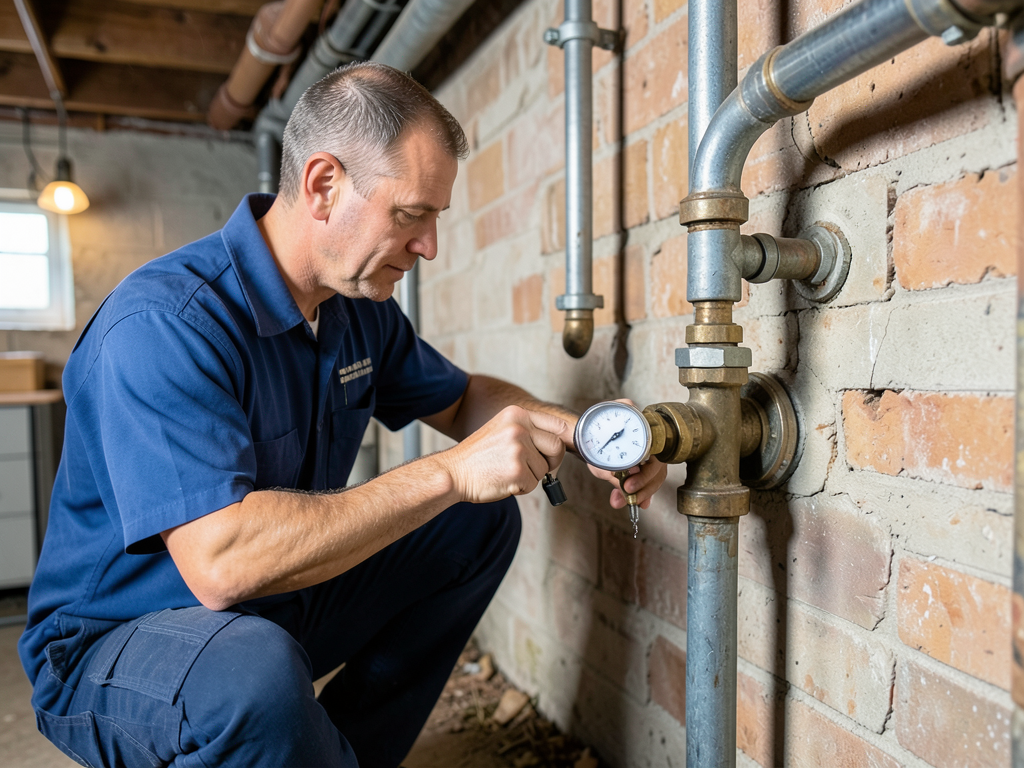
Inspect your PRV if you can locate it—usually near where the water main enters your basement. Look for a pressure gauge on the valve. If the reading is below 40 PSI your PRV may need adjustment or replacement. However adjusting PRVs requires specific knowledge of your home’s plumbing layout and local code requirements.
Check your water meter pit outside your home. If you hear water running when all fixtures are off you may have a leak in your service line. This requires immediate professional attention as underground leaks can cause foundation damage and waste thousands of gallons of water.
Professional diagnosis involves using specialized equipment like pressure gauges at multiple points in your plumbing system acoustic leak detection devices and pipe inspection cameras. These tools can identify issues that aren’t visible to homeowners such as internal pipe corrosion or hidden leaks behind walls. Gas leak detection and emergency repair for Jamaica Plain residents.
Our Charlestown repair process
When you call (617) 749-9799 for low water pressure issues our process begins with a comprehensive diagnostic test. We measure pressure at your main line at various fixtures and check your PRV settings. This diagnostic typically takes 30-45 minutes and costs $150 which is credited toward any repair work we perform.
For corroded galvanized pipes we recommend either pipe replacement or descaling depending on the extent of corrosion. Pipe replacement involves installing new copper or PEX piping which can increase flow capacity by 200-300% compared to severely corroded galvanized pipes. This work is often done in phases to minimize disruption to your home.
PRV replacement is a common fix for Charlestown homes. Modern PRVs include features like built-in bypass valves and adjustable pressure settings that weren’t available when many historic homes were built. A new PRV installation typically costs $450-650 and can restore full pressure immediately. Heavy duty sump pump installation for flood-prone basements in Quincy.
Water main line replacement may be necessary if your service line is severely corroded or leaking. This involves excavating from your home to the street and installing new piping. While this is the most expensive option at $3000-8000 it’s often the only solution for homes with severely degraded service lines.
Booster pump installation can solve elevation-related pressure issues. These pumps increase pressure by 20-40 PSI and are particularly effective in multi-story Charlestown homes where pressure naturally drops on upper floors. Installation requires careful sizing to avoid over-pressurizing your plumbing system.
Throughout the repair process we maintain strict compliance with Massachusetts 248 CMR (Uniform State Plumbing Code) which requires specific pipe materials pressure ratings and installation methods for historic districts. Charlestown’s location within Boston’s historic district means some repairs require additional permitting and inspection. Massachusetts 248 CMR Plumbing Code.
Contact a Charlestown plumbing specialist today
Low water pressure isn’t just an inconvenience—it’s often a warning sign of bigger plumbing problems that can lead to costly damage if left unaddressed. Charlestown’s historic homes require specialized knowledge of both the neighborhood’s unique plumbing challenges and Boston’s specific building codes.
Our team understands the nuances of working in Charlestown’s historic district from navigating Boston Water and Sewer Commission regulations to preserving the architectural integrity of your home during repairs. We’ve successfully resolved pressure issues in homes from the Navy Yard to Monument Square and we bring that local expertise to every job.
Don’t let another day go by with inadequate water pressure. Whether you’re dealing with a simple PRV adjustment or need comprehensive pipe replacement we have the tools experience and local knowledge to restore your water pressure to optimal levels.
Call (617) 749-9799 today to schedule your pressure diagnostic. Our team is standing by to help Charlestown homeowners solve their water pressure problems quickly and permanently. Don’t wait until a small pressure issue becomes a major plumbing emergency.
Pick up the phone and call (617) 749-9799 before the next storm hits. Low pressure during heavy rain events can indicate drainage issues that require immediate attention to prevent basement flooding and water damage.
Frequently Asked Questions
Why is my water pressure suddenly low in Charlestown?
Sudden pressure drops often indicate BWSC work in your area a broken PRV or a leak in your service line. Check with neighbors first—if they’re affected too it’s likely a municipal issue. If not you need professional diagnosis.
How much does it cost to fix low water pressure in a historic Charlestown home?
Costs vary widely based on the cause. Simple fixes like PRV replacement cost $450-650 while pipe replacement can range from $3000-15000 depending on your home’s size and the extent of corrosion. We provide detailed estimates after our diagnostic test.
Can I fix low water pressure myself?
Basic troubleshooting like cleaning aerators or checking shut-off valves is safe for homeowners. However adjusting PRVs replacing pipes or diagnosing hidden leaks requires professional tools and knowledge of local codes. DIY attempts often miss underlying issues that cause recurring problems.
How long does pressure repair take?
Simple repairs like PRV replacement take 2-3 hours. Pipe replacement typically requires 1-3 days depending on your home’s size and the work’s complexity. We provide specific timelines after our initial diagnosis and work to minimize disruption to your daily routine.
Will my water pressure improve if BWSC is working on the mains?
BWSC main replacements often improve pressure but the improvement may be temporary during construction. Once new mains are installed and connected to your home you should see 10-20% pressure improvement. However if your home’s internal plumbing is corroded you may still need additional work.
{
“@context”: “https://schema.org”,
“@type”: “BlogPosting”,
“headline”: “How we fix low water pressure in Charlestown historic homes”,
“description”: “Expert solutions for low water pressure in Charlestown historic homes. Learn about common causes, DIY fixes, and professional repairs specific to Boston’s 02129 area.”,
“wordCount”: 1655,
“datePublished”: “2026-02-27T09:08:00.000Z”,
“dateModified”: “2026-02-27T09:08:00.000Z”,
“inLanguage”: “en-US”,
“mainEntityOfPage”: {
“@type”: “WebPage”,
“@id”: “https://heritageplumbingboston.com”
},
“publisher”: {
“@type”: “LocalBusiness”,
“name”: “Heritage Plumbing Boston”,
“url”: “https://heritageplumbingboston.com”
},
“author”: {
“@type”: “Organization”,
“name”: “Heritage Plumbing Boston”,
“url”: “https://heritageplumbingboston.com”
},
“image”: {
“@type”: “ImageObject”,
“url”: “https://heritageplumbingboston.com/wp-content/uploads/2026/03/how-we-fix-low-water-pressure-in-charlestown-histo-1.png”
}
}
{
“@context”: “https://schema.org”,
“@type”: “Plumber”,
“name”: “Heritage Plumbing Boston”,
“url”: “https://heritageplumbingboston.com”,
“address”: {
“@type”: “PostalAddress”,
“addressLocality”: “Boston”
},
“areaServed”: {
“@type”: “City”,
“name”: “Boston”
}
}
{
“@context”: “https://schema.org”,
“@type”: “FAQPage”,
“mainEntity”: [
{
“@type”: “Question”,
“name”: “Why is my water pressure suddenly low in Charlestown?”,
“acceptedAnswer”: {
“@type”: “Answer”,
“text”: “Sudden pressure drops often indicate BWSC work in your area a broken PRV or a leak in your service line. Check with neighbors first—if they’re affected too it’s likely a municipal issue. If not you need professional diagnosis.”
}
},
{
“@type”: “Question”,
“name”: “How much does it cost to fix low water pressure in a historic Charlestown home?”,
“acceptedAnswer”: {
“@type”: “Answer”,
“text”: “Costs vary widely based on the cause. Simple fixes like PRV replacement cost $450-650 while pipe replacement can range from $3000-15000 depending on your home’s size and the extent of corrosion. We provide detailed estimates after our diagnostic test.”
}
},
{
“@type”: “Question”,
“name”: “Can I fix low water pressure myself?”,
“acceptedAnswer”: {
“@type”: “Answer”,
“text”: “Basic troubleshooting like cleaning aerators or checking shut-off valves is safe for homeowners. However adjusting PRVs replacing pipes or diagnosing hidden leaks requires professional tools and knowledge of local codes. DIY attempts often miss underlying issues that cause recurring problems.”
}
},
{
“@type”: “Question”,
“name”: “How long does pressure repair take?”,
“acceptedAnswer”: {
“@type”: “Answer”,
“text”: “Simple repairs like PRV replacement take 2-3 hours. Pipe replacement typically requires 1-3 days depending on your home’s size and the work’s complexity. We provide specific timelines after our initial diagnosis and work to minimize disruption to your daily routine.”
}
},
{
“@type”: “Question”,
“name”: “Will my water pressure improve if BWSC is working on the mains?”,
“acceptedAnswer”: {
“@type”: “Answer”,
“text”: “BWSC main replacements often improve pressure but the improvement may be temporary during construction. Once new mains are installed and connected to your home you should see 10-20% pressure improvement. However if your home’s internal plumbing is corroded you may still need additional work.”
}
}
]
}
{
“@context”: “https://schema.org”,
“@type”: “BreadcrumbList”,
“itemListElement”: [
{
“@type”: “ListItem”,
“position”: 1,
“name”: “Home”,
“item”: “https://heritageplumbingboston.com”
},
{
“@type”: “ListItem”,
“position”: 2,
“name”: “Blog”,
“item”: “https://heritageplumbingboston.com/blog”
},
{
“@type”: “ListItem”,
“position”: 3,
“name”: “How we fix low water pressure in Charlestown historic homes”
}
]
}
{
“@context”: “https://schema.org”,
“@type”: “Service”,
“serviceType”: “Plumbing”,
“provider”: {
“@type”: “LocalBusiness”,
“name”: “Heritage Plumbing Boston”,
“url”: “https://heritageplumbingboston.com”
},
“areaServed”: {
“@type”: “City”,
“name”: “Boston”
},
“description”: “Expert solutions for low water pressure in Charlestown historic homes. Learn about common causes, DIY fixes, and professional repairs specific to Boston’s 02129 area.”
}