



menu

Signs You Need Sewer Repair in Boston – Expert Diagnosis Before Your Property Takes Damage

Heritage Plumbing Boston identifies sewer line failure symptoms fast, using camera inspection and pressure testing to pinpoint breaks, backups, and root intrusion before you face basement flooding or foundation compromise.

Slider Image 1
Slider Image 2
Slider Image 3
Slider Image 4
Slider Image 5
Slider Image 7
Slider Image 8
Slider Image 9
Slider Image 10
Slider Image 11

How Boston's Aging Infrastructure and Freeze-Thaw Cycles Damage Your Sewer Lines

You notice slow drains in multiple fixtures. You smell something foul near your foundation. Your lawn has a spongy, dark green patch that never dries out. These are not minor annoyances. They are symptoms of a broken sewer line that demands immediate attention.

Boston's sewer systems face relentless pressure from freeze-thaw cycles that crack cast iron and clay pipes installed decades ago. When temperatures drop below freezing, water trapped in aging pipes expands and fractures the material. When it thaws, those cracks widen. Add in root intrusion from mature trees common in neighborhoods like Jamaica Plain and Dorchester, and you have a recipe for catastrophic failure.

Indicators of sewer line damage often appear gradually. You might see gurgling toilets when you run the washing machine. You might notice water backing up in your basement floor drain. You might find sinkholes forming in your yard above the lateral line. These warning signs of main sewer line issues escalate fast. What starts as a hairline crack becomes a full collapse, flooding your basement with raw sewage and contaminating your property.

Boston's older neighborhoods feature clay and cast iron laterals that are 50 to 100 years old. These materials degrade. They shift with the ground. They crack under traffic loads from narrow streets with heavy trucks. If you ignore how to tell if your sewer pipe is broken, you risk foundation damage, mold growth, and health hazards from exposure to bacterial contamination. Sewer line failure symptoms demand professional diagnosis, not guesswork.

How Boston's Aging Infrastructure and Freeze-Thaw Cycles Damage Your Sewer Lines
How We Diagnose Sewer Line Damage Using Camera Inspection and Flow Testing

How We Diagnose Sewer Line Damage Using Camera Inspection and Flow Testing

We do not guess about your sewer condition. We insert a high-definition waterproof camera through your cleanout access point and push it the full length of your lateral line to the municipal connection. The camera transmits live video that shows us cracks, root penetration, bellied sections where pipes have sagged, and complete blockages from collapsed segments.

The camera head includes a locator beacon. We use a receiver at ground level to mark the exact depth and location of any defect. This precision matters when we need to excavate. We dig only where the problem exists, not your entire yard.

We also perform a hydrostatic pressure test if we suspect leaks. We plug both ends of the line, fill it with water, and monitor pressure loss over 15 minutes. A drop in pressure confirms a leak. We then use the camera to pinpoint where water escapes the pipe.

For root intrusion, we look for white tendrils threading through joints or cracks. Tree roots seek moisture and nutrients, and your sewer line provides both. Once roots establish inside the pipe, they grow into dense mats that trap waste and cause backups. If the root mass is small, we can cable it out. If the roots have cracked the pipe wide open, you need a repair or replacement.

We measure pipe grade with the camera's digital inclinometer. If a section has negative slope or a pronounced belly, waste pools instead of flowing. Bellied pipe sections result from ground settling or poor installation. They cause chronic slow drains and frequent backups that no amount of snaking will fix permanently.

What Happens When You Call Us About Sewer Line Issues

Signs You Need Sewer Repair in Boston – Expert Diagnosis Before Your Property Takes Damage
01

Camera Inspection

We locate your sewer cleanout and feed a camera line through the pipe. The camera records the entire run from your house to the city connection. We review the footage with you in real time, showing you the exact condition of your line, including any cracks, root intrusion, or blockages. You see what we see.
02

Diagnosis and Options

After the inspection, we explain what the footage shows. We mark defect locations on a diagram of your property. We present your options, whether that means spot repair with an excavator, trenchless pipe lining, or full replacement. We discuss costs, timelines, and what each approach solves. You make the decision with full information.
03

Execution and Verification

Once you approve the scope, we begin work. If we excavate, we dig only at the problem area. If we use trenchless lining, we clean the pipe and pull an epoxy-saturated liner through it. After the repair, we run the camera again to verify the fix. You get before and after footage showing the problem is solved.

Why Boston Property Owners Trust Heritage Plumbing for Sewer Line Diagnostics

We have been diagnosing and repairing sewer lines in Boston for years. We know the difference between a 1920s clay lateral in South Boston and a 1970s cast iron line in Allston. We know how to navigate narrow city lots, tight easements, and historic district restrictions. We know which repairs require permits from the Boston Water and Sewer Commission and how to pull them without delay.

Our technicians carry advanced camera systems with self-leveling heads and 200 feet of push cable. We can inspect lines other companies cannot reach. We store footage digitally and provide you with a copy for your records. If you need documentation for insurance or a property sale, you have it.

We also understand urgency. A backed-up sewer line is not something you can ignore until next week. We respond fast. We carry excavation equipment, trenchless lining systems, and hydro-jetting machines on our trucks. We can often move from diagnosis to repair in the same visit, depending on the scope.

Boston's regulations require licensed plumbers for any work that connects to the municipal sewer system. We hold the necessary licenses. We pull permits. We coordinate inspections. We ensure your repair meets code so you avoid fines or complications when you sell your property.

We also provide clear, written estimates before we start work. No surprise charges. No vague line items. You know what you are paying for and why. If the scope changes during excavation, we stop and discuss it with you before proceeding.

What You Can Expect When We Inspect Your Sewer Line

Same-Day Availability

We schedule inspections within 24 hours of your call. If you have an active backup or flooding, we prioritize your job and arrive as soon as possible. Most camera inspections take 60 to 90 minutes, depending on the length of your lateral and access conditions. We work around your schedule, including evenings and weekends, because sewer problems do not respect business hours.

Comprehensive Visual Assessment

Our camera inspection covers your entire lateral from the house to the city main. We look for cracks, offsets, root intrusion, grease buildup, and structural collapse. We measure pipe diameter and material type. We identify the exact footage mark where defects occur. You receive a detailed report with still images and video clips showing problem areas, so you understand what needs repair.

Accurate Repair Recommendations

We do not upsell. If your line only needs a spot repair, we tell you. If you need a full replacement, we explain why. We provide multiple options when available, including trenchless lining, traditional excavation, and hybrid approaches. We explain the pros and cons of each method so you can choose what fits your budget and property conditions. Our goal is to solve the problem correctly, not sell you the most expensive option.

Post-Repair Verification

After we complete any repair, we run the camera through the line again. This verification step confirms the repair solved the problem. You see the before and after footage side by side. We also flush the system to ensure proper flow and drainage. If we installed a cleanout, we show you where it is and how to access it for future maintenance.

Frequently Asked Questions

You Have Questions,
We Have Answers

What are four signs that your sewer line is broken? +

Four signs your sewer line is broken include frequent drain clogs throughout your home, gurgling sounds from toilets or drains, sewage backups in lower-level fixtures, and wet spots or depressions in your yard. In Boston, freeze-thaw cycles and shifting clay soil can crack aging cast iron pipes. You may also notice a foul sewage smell near your foundation or sidewalk. If multiple fixtures back up simultaneously or you see lush green patches in your lawn during dry periods, your main sewer line likely has damage that needs professional camera inspection and repair.

How do you know if you have sewer problems? +

You have sewer problems when drains empty slowly across multiple fixtures, toilets bubble when you run water elsewhere, or sewage backs up into tubs and showers. Boston homes with older cast iron or clay pipes often show warning signs after heavy rainstorms or spring thaws. Check for unexplained puddles in your basement, foul odors near drains, or unusually green grass patches above your sewer line. If your water bill spikes without explanation or you hear persistent gurgling from drains, schedule a camera inspection to diagnose the problem before it worsens.

Does homeowners insurance cover main sewer line repair? +

Most homeowners insurance policies do not cover main sewer line repair unless damage results from a covered peril like a fallen tree or sudden pipe burst. Standard policies exclude damage from age, wear, neglect, or root intrusion. However, you can purchase separate sewer line endorsement coverage or service line protection for about $50-$100 annually. Review your policy carefully and ask your agent about add-on coverage. In Boston, where many homes have aging infrastructure, this protection can save you thousands when lateral lines fail between your foundation and the street connection.

How to know if a sewer line needs to be replaced? +

A sewer line needs replacement when camera inspection reveals extensive cracking, collapsed sections, severe root intrusion, or pipe bellying that cannot be cleared. In Boston, cast iron pipes installed before 1970 often corrode from the inside out, and clay pipes crack from freeze-thaw cycles. If you experience repeated backups despite professional cleaning, notice rust-colored water stains, or your plumber finds channeling or missing pipe sections during inspection, full replacement becomes necessary. Modern trenchless methods can replace failing lines with minimal excavation, protecting your lawn and hardscaping.

Why Boston's Clay Soil and Mature Trees Accelerate Sewer Line Failure

Boston sits on clay-rich soil that expands when wet and contracts when dry. This cycle shifts underground pipes, breaking joints and cracking older materials like cast iron and clay tile. Add in root systems from 100-year-old oak and maple trees common in neighborhoods like Beacon Hill and Roxbury, and you face constant pressure on your sewer lateral. Tree roots infiltrate even the smallest crack, then expand inside the pipe, blocking flow and fracturing the line further. These conditions make regular sewer line inspections critical for Boston property owners.

We work with the Boston Water and Sewer Commission regularly. We understand local permit requirements for lateral repairs and replacements. We know which streets require restoration bonds and how to coordinate work in historic districts where excavation rules are strict. Our familiarity with Boston's regulatory environment means your project moves forward without delays or compliance issues. We also know the common failure points in older Boston homes, from bellied lines under driveways to collapsed sections near the curb connection.
Plumbing Services in The Boston Area

Heritage Plumbing proudly serves Boston and its surrounding areas. Our central location allows us to respond quickly to service calls across residential neighborhoods, business districts, and historic zones alike. Whether you’re downtown or in the suburbs, our local knowledge and flexible scheduling ensure a seamless service experience. Use the map below to find our office, service radius, and contact points — and don’t hesitate to reach out for availability in your area.

Address:
Heritage Plumbing Boston, 75 Arlington St, Boston, MA, 02116

Additional Services We Offer

Our news updates

Latest Articles & News from The Blogs

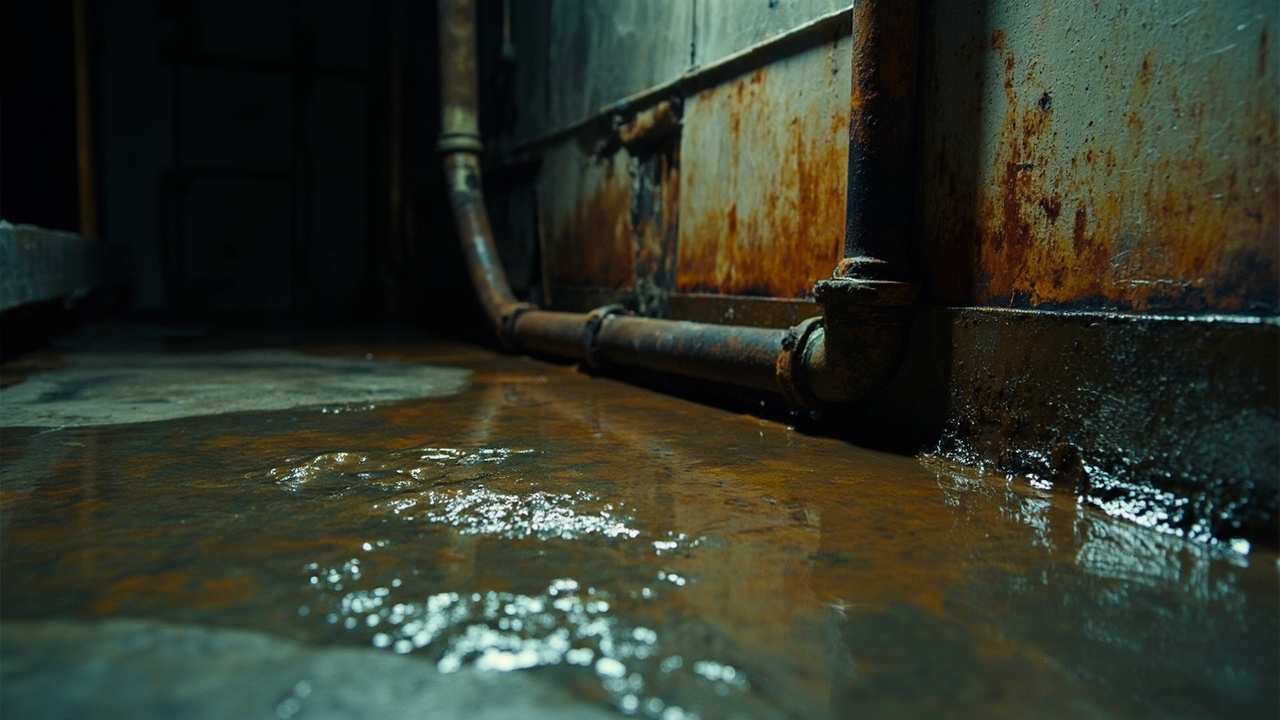
Understanding Local Rules for Sump Pump Discharge into Medford Storm Drains Medford homeowners face strict regulations about where sump pump…

Understanding Local Rules for Sump Pump Discharge into Medford Storm Drains

Understanding Local Rules for Sump Pump Discharge into Medford Storm Drains Medford homeowners face strict regulations about where sump pump…

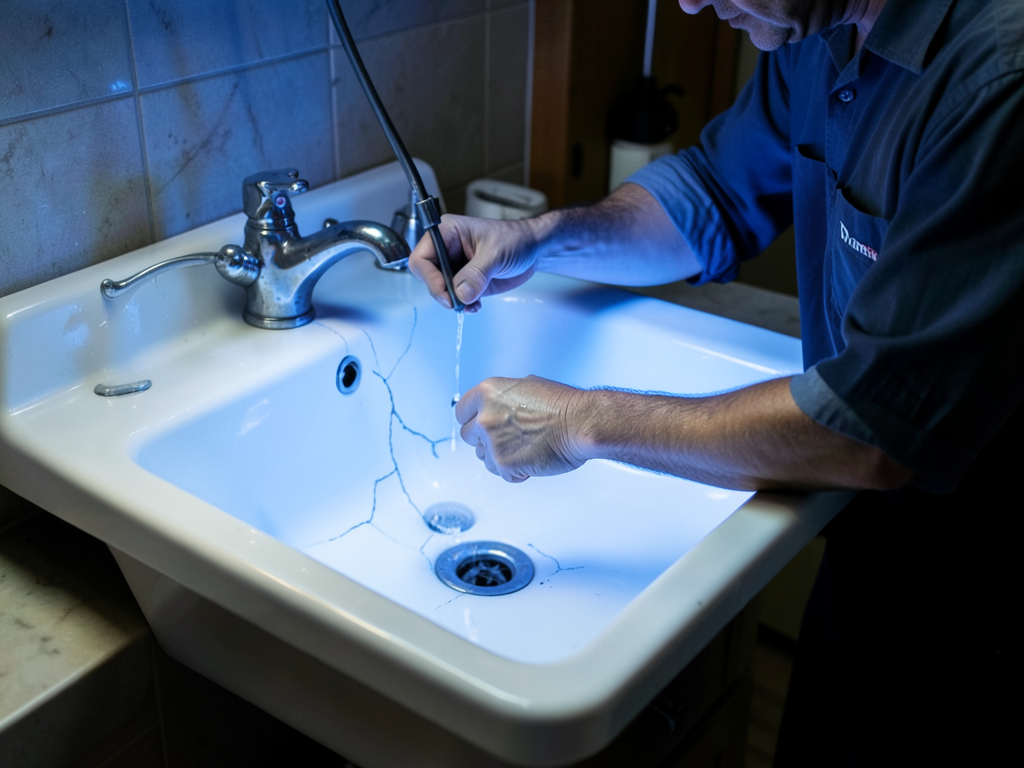
Should You Repair or Replace a Cracked Vintage Sink in Your Historic Beacon Hill Home?

Historic homes in Beacon Hill often feature original porcelain sinks that add irreplaceable character to kitchens and bathrooms. When a…

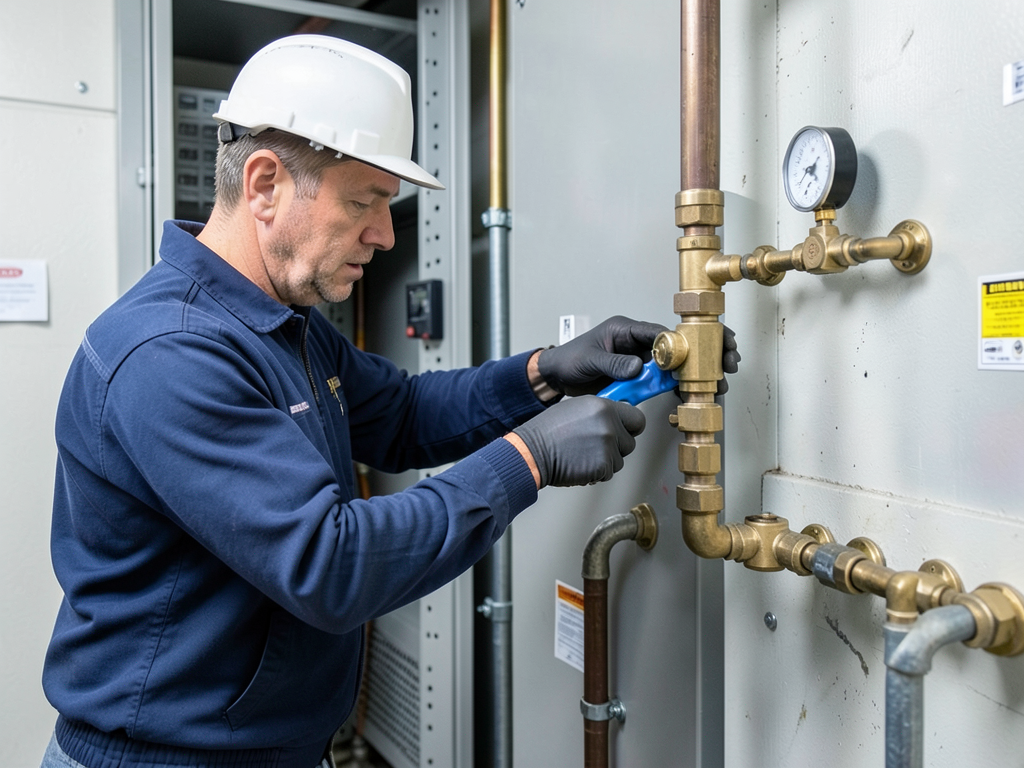
Why Your High Rise Condo in the Seaport District Still Needs a Pressure Reducing Valve

Why Your High Rise Condo in the Seaport District Still Needs a Pressure Reducing Valve Living in a modern high…

Contact Us

Do not wait for a basement flood to find out your sewer line is broken. Call Heritage Plumbing Boston at (617) 749-9799 today. We will inspect your line, show you the footage, and give you a clear plan to fix the problem before it costs you thousands in water damage and excavation.