



menu

Backflow Prevention & Testing in Boston | Minimize Downtime with Same-Day Compliance Certification

Heritage Plumbing Boston delivers expedited backflow assembly testing and commercial backflow certification to keep your facility operational and compliant with Massachusetts Plumbing Board regulations.

Slider Image 1
Slider Image 2
Slider Image 3
Slider Image 4
Slider Image 5
Slider Image 7
Slider Image 8
Slider Image 9
Slider Image 10
Slider Image 11

Why Boston Facilities Cannot Ignore Annual Backflow Compliance

Boston's aging municipal water infrastructure and high-density commercial development create significant cross-connection risks. When potable water lines interface with fire suppression systems, industrial process water, or irrigation networks, contaminated water can reverse flow into the public supply. The Massachusetts Plumbing Board requires annual backflow preventer inspection for all commercial properties, medical facilities, restaurants, manufacturing plants, and multi-family buildings over three stories.

Non-compliance carries real consequences. The Boston Water and Sewer Commission issues violation notices that trigger daily fines. You face potential facility shutdowns if contamination events trace back to your property. Insurance carriers deny liability coverage when backflow assembly testing documentation gaps exist.

Boston's winter freeze-thaw cycles compound the problem. Reduced pressure backflow preventers and double check valve assemblies experience thermal stress that degrades internal seals and springs. A device that passed certification in April may fail by October. Commercial properties near the Fort Point Channel and Seaport District deal with elevated water table pressure fluctuations that stress backflow assemblies year-round.

You need predictable testing schedules that align with business operations. Heritage Plumbing Boston coordinates backflow preventer inspection during off-peak hours to avoid disrupting your workflow. We maintain digital compliance records that satisfy municipal inspectors and simplify your audit trail. Our cross-connection control testing identifies vulnerabilities before they become code violations or contamination incidents.

Why Boston Facilities Cannot Ignore Annual Backflow Compliance
How We Execute Commercial Backflow Certification

How We Execute Commercial Backflow Certification

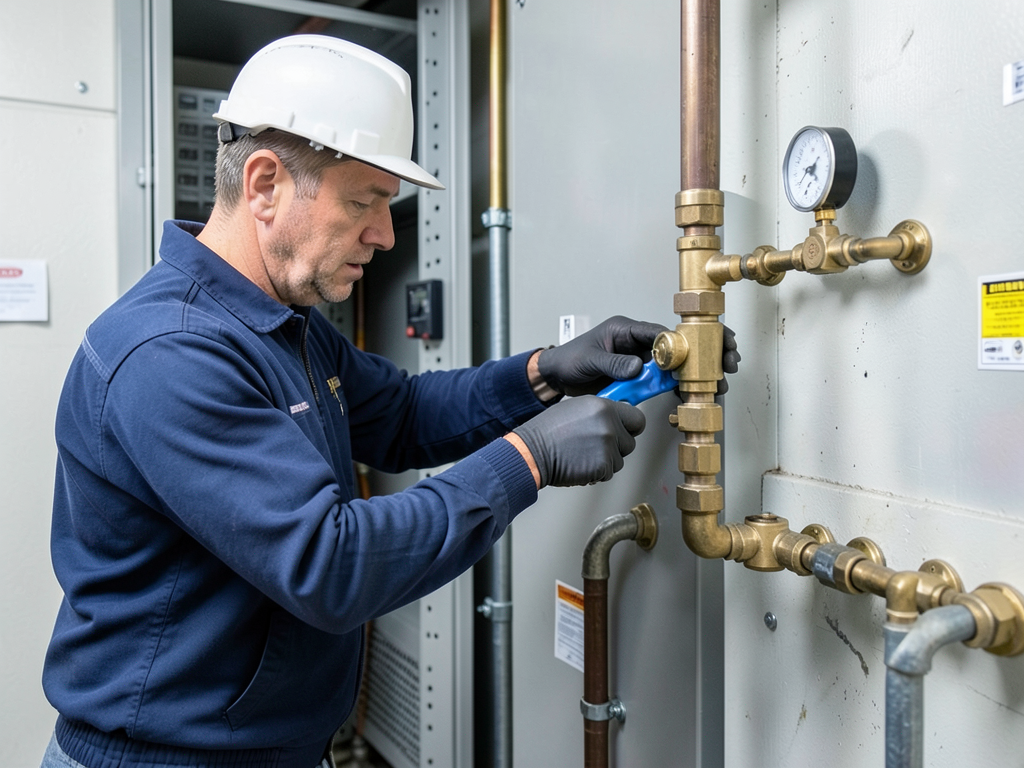
We deploy certified testers who understand the mechanical differences between reduced pressure zone devices, double check assemblies, and pressure vacuum breakers. Each backflow preventer type requires specific test procedures and differential pressure measurements. Our technicians arrive with calibrated differential pressure gauge kits traceable to NIST standards. We do not use generic testing equipment that produces questionable readings.

The test protocol starts with a visual inspection of the assembly installation. We verify proper clearance above floor drains, check for bypass lines that violate cross-connection control requirements, and confirm shutoff valve operation. We then isolate the backflow assembly and conduct a static line pressure test to establish baseline conditions.

For reduced pressure zone assemblies, we measure the pressure differential across check valve one, verify check valve two holds against downstream pressure, and confirm the relief valve opens at the correct differential. Double check valve assemblies require independent testing of each check valve under forward and reverse flow conditions. We document spring tension measurements and valve seating integrity.

When a backflow assembly fails, we provide immediate failure analysis. Most failures stem from debris lodged in check valve seats, worn elastomer seals, or weakened springs. We carry replacement parts for common commercial assemblies and can complete repairs during the same service visit. You receive a certified test report that same day, eliminating the compliance gap that leaves you exposed to violations.

Heritage Plumbing Boston integrates backflow assembly testing into your preventive maintenance program. We track test due dates, send advance scheduling notifications, and maintain a complete testing history for each device at your facility.

Our Commercial Backflow Testing Workflow

Backflow Prevention & Testing in Boston | Minimize Downtime with Same-Day Compliance Certification
01

Device Location and Documentation

We conduct a complete site survey to identify every backflow preventer on your property and verify device types against municipal records. You receive a facility map showing assembly locations, device serial numbers, and last test dates. This documentation streamlines future testing cycles and ensures no assemblies get overlooked during annual backflow compliance audits. We tag each device with a durable label containing the test due date and our contact information.
02

Pressure Testing and Calibration

Our technicians connect calibrated differential pressure gauges to the test cocks and systematically test each component of the backflow assembly. We measure opening point of relief valves, verify check valve closure under backpressure, and document all differential readings. The test follows American Water Works Association protocols and Massachusetts Plumbing Board standards. You watch the entire process if desired. We explain any anomalies in real time and provide technical recommendations for assemblies showing degradation trends.
03

Certification and Reporting

You receive a complete test report signed by a Massachusetts-licensed backflow tester within 24 hours. The report includes all pressure measurements, pass or fail status, and photographs of the tested assemblies. We electronically submit passing test results to the Boston Water and Sewer Commission on your behalf, closing the compliance loop. Failed assemblies receive detailed failure analysis with repair recommendations. We schedule follow-up testing after repairs to issue your certification and restore your facility to compliant status.

Why Boston Facilities Trust Heritage Plumbing for Backflow Compliance

Heritage Plumbing Boston maintains current backflow tester certification through the American Backflow Prevention Association. Our testers complete ongoing education on evolving cross-connection control standards and new backflow assembly technologies. We understand the specific requirements in Boston's plumbing code amendments that differ from baseline Massachusetts regulations.

We work extensively in Boston's historic commercial districts where older buildings present unique backflow prevention challenges. Properties in Back Bay, Beacon Hill, and the Financial District often have complex plumbing systems with multiple interconnections. We trace supply lines, identify undocumented cross-connections, and design compliant backflow prevention strategies that satisfy code officials.

Our testing equipment undergoes annual calibration verification. Every differential pressure gauge in our fleet carries a current calibration certificate. This attention to measurement accuracy prevents false failures that waste your time and money on unnecessary repairs. We also prevent false passes that leave you vulnerable to contamination events and liability.

We maintain testing records in a secure digital database accessible to you at any time. When auditors or insurance adjusters request compliance documentation, you provide instant access to years of test history. This record-keeping eliminates the scramble to locate paper reports filed in unknown locations.

Heritage Plumbing Boston schedules backflow preventer inspection around your operational needs. We test during overnight hours for 24-hour facilities, coordinate with your maintenance staff for manufacturing plants, and work during off-peak periods for restaurants and hospitality properties. You avoid disrupting revenue-generating activities or forcing temporary facility closures.

We communicate directly with Boston Water and Sewer Commission inspectors when questions arise about your backflow assemblies. Our established relationships with municipal authorities expedite resolution of compliance issues and prevent misunderstandings that delay your certification.

What Your Facility Can Expect from Our Backflow Testing Service

Rapid Scheduling and Execution

We dispatch certified testers within 48 hours of your initial contact. Most commercial backflow assembly testing appointments take 30 to 90 minutes per device depending on assembly complexity and accessibility. We coordinate multi-device testing during single site visits to minimize your administrative burden. Rush testing is available when you receive violation notices or face imminent inspection deadlines. We prioritize facilities with compliance emergencies and can mobilize same-day testing crews when your situation demands immediate action. You receive advance confirmation of the testing window with technician contact information.

Comprehensive Device Assessment

Our technicians perform more than checkbox testing. We evaluate the overall condition of your backflow assembly, check for signs of internal wear, and identify maintenance issues before they cause device failure. You learn the remaining service life of critical components and can budget for eventual assembly replacement. We photograph each device and document installation deficiencies that could complicate future testing or violate installation standards. The assessment includes verification that your backflow preventer model remains approved for use under current Massachusetts regulations. Older assemblies sometimes fall off approved device lists and require replacement to maintain compliance.

Certified Compliance Documentation

You receive official test reports printed on state-approved forms and signed by licensed backflow testers. The documentation includes device serial numbers, test date, all measured pressures, and clear pass or fail determination. We provide multiple copies for your records, insurance carrier, and facility management files. Digital copies arrive via email with searchable PDF formatting. The reports satisfy municipal inspectors, insurance auditors, and tenant due diligence requirements. When assemblies fail, you receive detailed explanations of the failure mode and specific repair recommendations. We never leave you guessing about what went wrong or what needs correction.

Proactive Compliance Management

Heritage Plumbing Boston tracks your annual testing due dates and sends advance notification 60 days before certification expires. You avoid the panic of discovering expired backflow certifications during lease renewals or insurance audits. We maintain a complete testing history for each assembly at your facility and can generate compliance summaries showing multi-year testing patterns. This historical data helps you identify problematic devices that require frequent repairs or early replacement. Our database tracks repair history and part replacements, creating a complete service record for each backflow preventer. You gain visibility into your total cost of ownership for backflow compliance across your entire facility portfolio.

Frequently Asked Questions

You Have Questions,
We Have Answers

What is backflow prevention testing? +

Backflow prevention testing verifies that devices protecting your potable water supply from contamination function correctly. A certified tester checks internal valves, seals, and relief mechanisms to ensure contaminated water cannot reverse flow into clean supply lines. Boston Water and Sewer Commission requires annual testing for commercial properties, multi-family buildings, and any facility with irrigation systems or chemical feed equipment. The test measures pressure differentials, examines check valve integrity, and confirms proper air gap separation. Results get filed with local authorities to maintain compliance and protect public health infrastructure across the metro area.

Is backflow testing really necessary? +

Backflow testing is required by law in Boston for commercial properties and facilities with cross-connection hazards. The mandate exists because a single contamination event can poison municipal water supplies affecting thousands of residents. Your business faces fines, water service disconnection, and liability exposure if testing lapses. Property insurance may deny claims tied to preventable backflow incidents. Beyond compliance, testing protects your employees, customers, and operational continuity. A failed backflow device can introduce chemicals, bacteria, or wastewater into your building's drinking water, creating immediate health code violations and potential shutdown orders from city inspectors.

Can I test my own backflow preventer? +

No. Massachusetts law requires certified backflow testers to perform annual inspections on approved devices. The test demands specialized gauge equipment, calibrated test kits, and documented training in cross-connection control. Improper testing voids compliance and exposes your business to contamination liability. Boston Water and Sewer Commission only accepts reports from state-certified professionals who maintain current credentials and use calibrated equipment traceable to standards. Self-testing cannot produce the legally required documentation. Commercial property owners must hire licensed testers who submit results directly to municipal authorities. Attempting DIY testing leaves your facility non-compliant and vulnerable to enforcement actions.

How much to charge to test a backflow? +

Commercial backflow testing in Boston typically costs between service call minimums and device complexity. Pricing factors include device type (pressure vacuum breaker versus reduced pressure zone assembly), accessibility, the number of assemblies on-site, and required repairs. Multi-device properties often receive volume pricing. Testing costs remain far below the fines for non-compliance or emergency water service restoration fees after disconnection. Budget for annual testing as a standard operating expense like fire extinguisher inspections. Many commercial properties bundle testing across multiple locations to reduce per-unit costs. Request quotes that include report filing with Boston Water and Sewer Commission to ensure complete compliance.

Do all plumbers do backflow testing? +

No. Backflow testing requires specialized certification beyond standard plumbing licenses. Testers must complete state-approved training programs, pass examinations on cross-connection control, and maintain current credentials through continuing education. Many plumbers focus on installation and repair without pursuing backflow certification. The testing process uses precision gauges and demands knowledge of hydraulic principles, device mechanics, and regulatory compliance procedures. When hiring for Boston commercial properties, verify the technician holds active Massachusetts backflow tester certification and carries calibrated equipment. This specialization ensures your test results meet legal standards and gain acceptance by municipal water authorities for compliance documentation.

What happens if I don't do backflow testing? +

Boston Water and Sewer Commission issues violation notices for missed testing deadlines, followed by escalating fines and potential water service termination. Your business cannot operate without potable water access, creating immediate revenue loss and tenant complaints. Failed inspections from health departments or fire marshals can trigger occupancy restrictions. Property insurance may exclude contamination claims when required testing lapses. Legal liability multiplies if backflow contamination affects neighboring properties or municipal supply lines. Some commercial leases include testing compliance clauses with penalty provisions. Systematic non-compliance can result in mandatory installation of additional protection devices at significant capital expense, plus accumulated penalties and legal costs.

Who pays for backflow testing? +

Property owners bear responsibility for backflow testing costs in Boston. Commercial landlords cannot shift this burden to tenants unless lease agreements explicitly transfer maintenance obligations. The property owner maintains the water service connection and all protective devices between the meter and building systems. For triple-net leases, testing may fall under operating expenses passed through to tenants, but the owner retains compliance liability. Condominium associations typically assess unit owners collectively for common system testing. Multi-tenant buildings must clarify responsibility in lease terms, but municipal violations always name the property owner. Budget testing as a non-negotiable operating cost tied to water service provision.

Do all houses have a backflow valve? +

No. Residential single-family homes in Boston rarely require backflow preventers unless they have irrigation systems, pools, or certain water treatment equipment. Backflow devices become mandatory for properties with cross-connection hazards where non-potable water or chemicals could enter supply lines. Commercial buildings, multi-family properties, medical facilities, restaurants, and any business using chemical injection systems must install approved backflow assemblies. The requirement depends on use case and risk profile, not building age or construction type. Boston Water and Sewer Commission evaluates connection applications to determine protection needs. Installation becomes a permit condition for specific uses rather than a universal residential requirement.

How long does a water backflow test take? +

Standard backflow testing takes 15 to 30 minutes per device for straightforward assemblies in accessible locations. Complex reduced pressure zone assemblies or devices requiring ladder access extend testing time. Properties with multiple backflow preventers need sequential testing, increasing total service duration. The tester must shut down water flow, attach gauges, perform pressure checks, inspect relief valves, document readings, and restore service. Difficult access points, corroded fittings, or devices needing immediate repair add time. Schedule testing during low-demand periods to minimize business disruption. Efficient testing requires clear access paths, advance notice to occupants, and coordination with facility managers to protect operational continuity.

Is backflow testing hard? +

Backflow testing demands technical precision, regulatory knowledge, and specialized equipment. The physical task involves gauge attachment and valve manipulation, but interpretation requires understanding hydraulic principles and device mechanics. Certification programs teach pressure differential analysis, check valve diagnostics, and failure mode identification. Testers must recognize subtle performance degradation before complete failure occurs. Maintaining calibrated equipment and staying current with code changes adds complexity beyond the field work. While experienced technicians perform tests efficiently, the liability and compliance stakes make this skilled work requiring formal certification. Boston commercial property managers should hire certified professionals rather than risk improper testing compromising legal compliance and water safety.

How Boston's Water Distribution Pressure Zones Affect Backflow Assembly Performance

Boston operates multiple water pressure zones to manage elevation changes from sea level neighborhoods near the harbor to higher terrain in Roxbury, Dorchester, and Jamaica Plain. Properties near pressure zone boundaries experience supply pressure fluctuations that stress backflow assemblies. The transition between low-pressure coastal zones and high-pressure inland zones creates dynamic conditions where reduced pressure zone devices experience frequent relief valve activation. These pressure swings accelerate wear on internal seals and springs. Commercial facilities near pressure zone boundaries require more frequent backflow preventer inspection to catch degradation before assemblies fail certification. Heritage Plumbing Boston understands these pressure zone dynamics and adjusts testing intervals based on your facility location within Boston's water distribution network.

Massachusetts requires backflow tester licensing through the Board of State Examiners of Plumbers and Gas Fitters. Licensed testers must complete approved training programs and pass practical examinations demonstrating competency with all backflow assembly types. The Boston Water and Sewer Commission only accepts test reports from currently licensed testers and rejects documentation from uncertified individuals. Heritage Plumbing Boston employs exclusively licensed backflow testers who maintain active credentials. We track license renewal dates and ensure our team never falls out of compliance. This commitment to proper credentialing protects you from rejected test reports that leave compliance gaps and expose your facility to violations and fines.
Plumbing Services in The Boston Area

Heritage Plumbing proudly serves Boston and its surrounding areas. Our central location allows us to respond quickly to service calls across residential neighborhoods, business districts, and historic zones alike. Whether you’re downtown or in the suburbs, our local knowledge and flexible scheduling ensure a seamless service experience. Use the map below to find our office, service radius, and contact points — and don’t hesitate to reach out for availability in your area.

Address:
Heritage Plumbing Boston, 75 Arlington St, Boston, MA, 02116

Additional Services We Offer

Our news updates

Latest Articles & News from The Blogs

How to Upgrade Your Kitchen Faucet Without Replacing the Entire Sink in Waltham You can upgrade your kitchen faucet in…

How to Upgrade Your Kitchen Faucet Without Replacing the Entire Sink in Waltham

How to Upgrade Your Kitchen Faucet Without Replacing the Entire Sink in Waltham You can upgrade your kitchen faucet in…

The Hidden Plumbing Risks of Finishing Your Basement in a Flood Zone Like Revere

The Hidden Plumbing Risks of Finishing Your Basement in a Flood Zone Like Revere Finishing your basement in Revere sounds…

Why Your High Efficiency Washing Machine is Causing Suds in Your Danvers Laundry Room

Why Your High Efficiency Washing Machine is Causing Suds in Your Danvers Laundry Room If you’re staring at a laundry…

Contact Us

Avoid compliance violations and facility shutdowns. Call Heritage Plumbing Boston at (617) 749-9799 to schedule annual backflow assembly testing. We deliver same-day certification and maintain your compliance documentation. Protect your operation with professional backflow prevention services.