
Replacing an Old Drum Trap in Your Historic West End Condominium
Living in a historic West End condominium comes with unique charm and equally unique plumbing challenges. If your unit still has a drum trap, you’re dealing with a plumbing fixture that became obsolete decades ago but remains common in Boston’s older buildings. These cylindrical traps, once standard in Victorian and early 20th-century construction, now pose serious code compliance issues, frequent clogs, and potential health hazards. Boston Inspectional Services Department.
Drum traps in West End buildings typically date back to the 1890s through the 1930s when the neighborhood experienced rapid development. You’ll find them hidden in basement ceiling cavities, behind bathroom walls, or under floor slabs in buildings along streets like Staniford, Merrimac, and Blossom. The trap’s horizontal design and large volume make it prone to sediment buildup, and the lead or cast iron construction corrodes over time, creating leaks that can damage historic plaster and hardwood floors.
The Massachusetts State Plumbing Code (248 CMR 10.00) no longer permits drum traps for new installations or replacements. If you’re renovating your West End unit or facing a home inspection, you’ll need to upgrade to a modern P-trap system. This isn’t just about meeting code—it’s about preventing sewer gas from entering your living space and eliminating the frequent clogs that plague drum trap systems. Massachusetts State Plumbing Code (248 CMR).
Replacing a drum trap in a West End condo requires careful planning. The work often involves cutting into plaster walls, accessing crawl spaces through basement access panels, and sometimes removing sections of flooring. The process typically takes 4-8 hours for a single bathroom, depending on accessibility and whether your building’s plumbing stack needs re-venting to accommodate the new P-trap configuration. Reliable 24 hour plumbing repair in the Back Bay.
West End buildings present specific challenges due to their shared plumbing stacks and narrow utility chases. Many units share vertical stacks that run through multiple floors, meaning your drum trap replacement might affect neighboring units’ drainage. A licensed Massachusetts plumber will need to assess whether your building’s main stack can handle the increased flow from a self-scouring P-trap system or if modifications are necessary.. Read more about Essential Plumbing Checks Before You Buy a Mid Century Modern Home in Lexington.
The replacement process starts with a diagnostic inspection using a drain camera to locate the exact position of your drum trap and assess the condition of connecting pipes. Your plumber will check for signs of corrosion, leaks, or structural damage to surrounding building materials. This inspection is crucial because West End buildings often have hidden water damage from decades of slow leaks. Water heater replacement and repair for South Boston condos.
During replacement, your plumber will cut out the old drum trap, which may involve removing sections of lead or cast iron pipe. The new P-trap installation requires proper venting to prevent trap siphonage—a common issue in older buildings where vent stacks may be undersized or blocked. Your plumber will ensure the new system meets current code requirements for trap seal depth and vent sizing. Heavy duty sump pump installation for flood-prone basements in Quincy.
Cost factors for drum trap replacement in the West End vary significantly based on accessibility and building conditions. Units with finished walls and ceilings require more demolition and repair work, while those with exposed basement plumbing are easier to access. The presence of asbestos-containing materials, common in older buildings, can also impact the project timeline and cost.. Read more about How to Hide Ugly Exposed Pipes in Your Industrial Style Loft in Lowell.
West End homeowners should be aware that drum trap replacement often reveals other plumbing issues. Corroded supply lines, inadequate water pressure from galvanized pipes, and outdated fixtures frequently need attention during the same project. A comprehensive plumbing assessment can help you plan for these related upgrades and avoid multiple service calls.
The benefits of replacing your drum trap extend beyond code compliance. Modern P-traps self-scour with each use, preventing the sediment buildup that causes drum trap clogs. You’ll experience better drainage, eliminate foul odors from decomposing debris, and reduce the risk of sewage backups during heavy use periods or plumbing emergencies.
West End residents should also consider the impact on property value. Home inspectors and potential buyers view drum traps as a red flag, often requiring replacement before closing. Upgrading your plumbing system can make your unit more attractive to buyers and prevent negotiation delays during the sales process.
Permitting requirements for drum trap replacement in Boston’s West End can be complex due to the neighborhood’s historic district status. Your plumber should handle permit applications through the Boston Inspectional Services Department, ensuring all work meets both modern plumbing codes and any historic preservation guidelines that apply to your building.
DIY drum trap replacement is strongly discouraged due to the specialized skills required for working with old lead and cast iron pipes, the need for proper venting, and the legal requirements for permits and inspections. Improper installation can lead to code violations, failed inspections, and costly rework.
Heritage Plumbing has extensive experience with drum trap replacements throughout Boston’s historic neighborhoods, including the West End. Our team understands the unique challenges of working in older buildings, from navigating shared plumbing stacks to preserving historic finishes. We provide detailed assessments, handle all permitting requirements, and ensure your new plumbing system meets current Massachusetts standards.
Don’t wait for a plumbing emergency to address your drum trap issues. Call (617) 749-9799 today to schedule your inspection and get a clear plan for bringing your West End condominium’s plumbing up to modern standards. Our licensed plumbers will evaluate your specific situation and provide a detailed proposal for safe, code-compliant replacement. Gas leak detection and emergency repair for Jamaica Plain residents.
Understanding Drum Traps vs. Modern P-Traps
Drum traps and P-traps serve the same basic function—preventing sewer gases from entering your home—but their designs and performance characteristics differ dramatically. Understanding these differences helps explain why drum trap replacement isn’t just a code issue but a practical necessity for West End homeowners. Solving sewer line issues in older Dorchester homes without digging up the yard.

A drum trap consists of a large cylindrical chamber, typically 4-6 inches in diameter and 12-18 inches long, with inlet and outlet pipes positioned near the top. This design allows solids to settle at the bottom while water flows over the top. While this seems logical, the large volume of standing water becomes a collection point for hair, soap scum, and debris that never fully drains out.
P-traps, by contrast, use a simple U-shaped bend that creates a water seal while allowing water to flow through quickly. The trap’s smaller volume and smooth curves promote self-scouring—each use of the fixture pushes debris through the trap rather than allowing it to accumulate. This design has proven far more reliable and easier to maintain over decades of use.
The Massachusetts Plumbing Code specifically addresses these differences in 248 CMR 10.10(4), which requires that all traps be self-scouring and maintain their seal under all flow conditions. Drum traps fail both requirements due to their tendency to retain debris and their susceptibility to trap siphonage when multiple fixtures drain simultaneously.
West End buildings often have additional complications due to their age and construction methods. Many were built before modern venting requirements, relying on the building’s stack effect for drainage. Converting to P-traps may require adding or modifying vent pipes, which can be challenging in buildings with limited chase space or shared vent systems.
The material differences between old and new systems also matter. Drum traps were typically made from lead or cast iron, both of which corrode over time. Lead traps can develop pinhole leaks that allow sewer gases to escape, while cast iron corrodes from the inside out, creating rough surfaces that catch debris and promote clogs.. Read more about How to Stop the Sewer Smell in Your South End Backyard.
P-traps installed today use PVC or ABS plastic for most residential applications, or copper for high-end or historic renovations. These materials resist corrosion, provide smooth interior surfaces for optimal flow, and can last 50+ years with minimal maintenance. The joints use modern solvent welding or compression fittings that won’t fail like the lead wipe joints used in older traps.
Another critical difference involves cleaning and maintenance. Drum traps require periodic cleaning with specialized tools to remove accumulated debris—a messy, time-consuming process that many homeowners neglect until problems arise. P-traps can be cleaned easily by removing the trap’s cleanout plug or, in some cases, the entire trap section for thorough cleaning.
The cost-benefit analysis strongly favors P-trap replacement despite the initial investment. While drum trap replacement costs typically range from $800 to $2,500 depending on complexity, the ongoing maintenance costs and risk of water damage from leaks make them far more expensive over a 10-20 year period.
West End homeowners should also consider the environmental impact. Modern P-traps use less water to maintain their seal and don’t trap debris that can decompose and release methane gas. The materials are also more recyclable at the end of their service life compared to lead or cast iron.
Common Signs Your Drum Trap Needs Replacement
Recognizing the warning signs of drum trap failure can help you address problems before they cause significant damage to your West End condominium. These indicators often develop gradually, making regular inspection important for older plumbing systems.. Read more about Why Your Condo Association in the Seaport Might Require Leak Sensors.
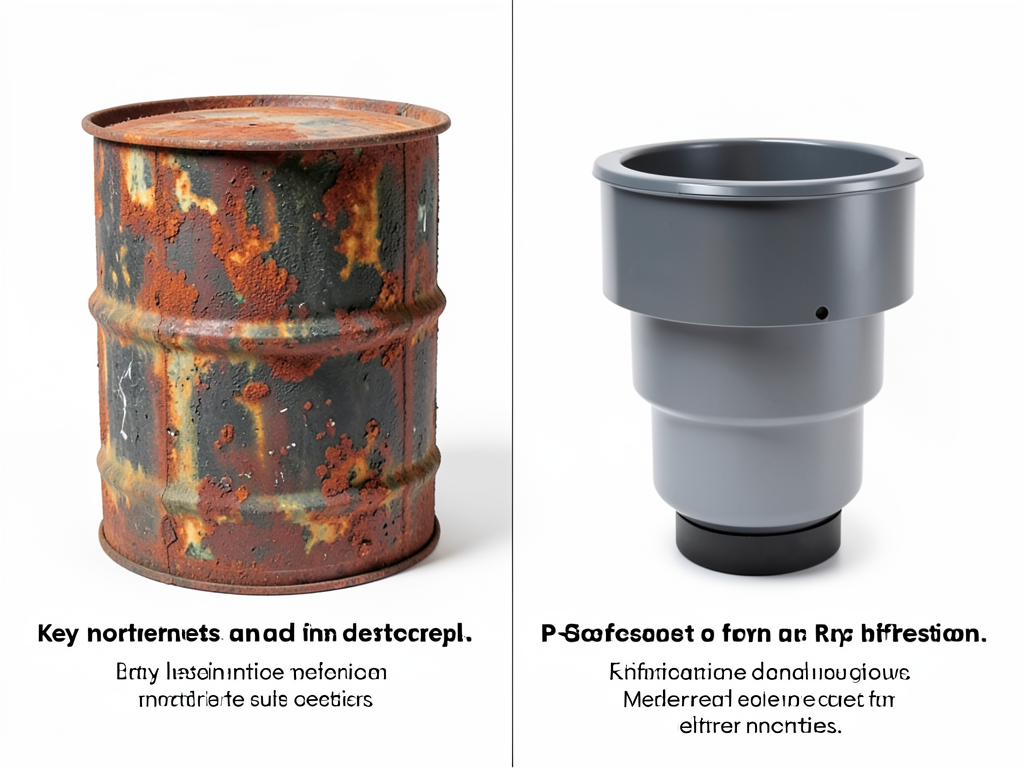
Slow drainage is often the first noticeable symptom. Unlike P-traps that maintain consistent flow, drum traps accumulate debris that restricts water movement. You might notice your sink, tub, or shower draining more slowly over weeks or months, eventually becoming completely blocked. This occurs because the trap’s large volume allows debris to settle rather than being flushed through.
Foul odors from drains indicate that your drum trap’s water seal has failed or that decomposing debris is releasing sewer gases. The characteristic “rotten egg” smell comes from hydrogen sulfide produced by bacteria breaking down organic matter trapped in the drum. This isn’t just unpleasant—it poses health risks and indicates your trap isn’t providing proper protection.
Gurgling sounds when water drains suggest improper venting or partial blockages in the trap. As water tries to flow through restricted passages, it creates air bubbles that produce gurgling noises. This symptom often indicates the trap is nearing complete failure and may soon cause backups or overflows.
Water backing up into other fixtures when you use one drain points to a systemic problem with your drum trap system. For example, water might rise in your tub when you flush the toilet or in your sink when you drain the washing machine. This occurs when the trap can’t handle normal flow rates due to partial blockages or inadequate venting.. Read more about Why Your High Efficiency Washing Machine is Causing Suds in Your Danvers Laundry Room.
Visible leaks around the trap or in ceiling areas below bathroom fixtures indicate corrosion or joint failure. Lead traps develop pinhole leaks that can go unnoticed for months, slowly damaging plaster, insulation, and structural elements. Cast iron traps may show rust stains or moisture accumulation around joints and connections.
Multiple simultaneous clogs throughout your plumbing system suggest the drum trap has become completely blocked. When one trap serves multiple fixtures, a blockage affects all connected drains. This situation requires immediate attention to prevent sewage backups and potential health hazards.
West End buildings often have unique symptoms due to their shared plumbing configurations. You might notice problems that seem to affect your entire floor or building, indicating issues with the main stack or shared traps. These situations require coordination with building management and potentially multiple unit inspections.
Age is itself a significant factor. Drum traps in West End buildings are typically 80-100+ years old, far beyond their expected service life. Even if they appear functional, the risk of sudden failure increases with age, and the presence of lead traps poses additional health concerns due to potential lead leaching.
Recent renovations or changes in water usage patterns can also trigger drum trap problems. Installing low-flow fixtures, adding new plumbing fixtures, or changing how you use existing ones can overwhelm old drum trap systems designed for different flow rates and usage patterns.
Professional inspection using drain cameras can reveal problems not visible from the surface. These cameras can identify corrosion, blockages, and structural damage within the trap and connecting pipes. For West End homeowners, this diagnostic step is crucial for planning replacements and identifying related plumbing issues.
If you notice any of these warning signs, don’t wait for complete failure. Call (617) 749-9799 to schedule a comprehensive plumbing inspection. Our experienced technicians can assess your drum trap’s condition and recommend the most appropriate replacement strategy for your specific situation.
The Replacement Process: What to Expect
Understanding the drum trap replacement process helps West End homeowners prepare for the work and minimize disruption to their daily lives. While every situation is unique, most replacements follow a similar sequence of steps that ensure proper installation and code compliance.
The process begins with a detailed site assessment. Your plumber will examine your existing plumbing configuration, access points, and the condition of surrounding building materials. For West End condos, this often involves checking basement ceiling cavities, utility closets, and any accessible wall spaces to determine the most efficient approach for trap removal and replacement.
Permit acquisition is the next critical step. Massachusetts requires permits for plumbing work that involves trap replacement, especially when modifications to venting systems are necessary. Your plumber should handle all permit applications through Boston’s Inspectional Services Department, ensuring the work meets current 248 CMR requirements and any historic district guidelines.
Preparation work typically includes protecting finished surfaces, setting up dust containment, and establishing clear access paths for equipment and materials. In West End buildings with narrow hallways and shared spaces, this phase requires careful planning to minimize impact on neighbors and building common areas.
Isolation of the affected plumbing system comes next. Your plumber will shut off water supply to the affected fixtures and drain existing lines to prevent water damage during the replacement process. For multi-story buildings, this might require coordination with building management to ensure proper isolation procedures.
Removal of the old drum trap is often the most challenging step. Lead traps require careful cutting to avoid damaging surrounding pipes, while cast iron may need special tools for removal. Your plumber will cut out the old trap and any deteriorated connecting pipes, taking care to preserve as much of the existing system as possible.
Installation of the new P-trap system follows established plumbing codes for trap seal depth, slope, and venting. Your plumber will ensure the new trap provides proper self-scouring action and maintains its water seal under all operating conditions. This phase often includes adding or modifying vent pipes to meet current code requirements.
Testing and inspection are crucial final steps. Your plumber will test the new system for leaks, proper drainage, and adequate venting. In Boston, work requiring permits must pass inspection by city officials before walls can be closed and finishes restored. This inspection ensures your replacement meets all applicable codes and standards.
Restoration work returns your space to its original condition. This includes repairing any walls, ceilings, or floors that were opened during the replacement process. For West End condos with historic finishes, restoration may require specialized skills to match existing plaster textures, woodwork, or tile patterns.
Documentation and warranty information conclude the process. Your plumber should provide detailed documentation of the work performed, including any permits obtained and inspections passed. Most reputable plumbing companies also offer warranties on their work, giving you peace of mind about your new plumbing system.
The entire process typically takes 1-3 days for a single bathroom, though complex situations involving multiple fixtures or significant venting modifications may require additional time. Your plumber should provide a detailed timeline and keep you informed of any unexpected issues that arise during the work.
During the replacement, you’ll need to plan for temporary loss of plumbing service to affected fixtures. Most homeowners can manage with temporary arrangements for 24-48 hours, but discuss your specific needs with your plumber to ensure the work schedule accommodates your lifestyle.
Call (617) 749-9799 to discuss your drum trap replacement project with our experienced team. We’ll provide a comprehensive assessment, handle all permitting requirements, and ensure your new plumbing system meets current Massachusetts standards while preserving your West End condominium’s historic character.
Cost Factors for Drum Trap Replacement in Boston
The cost of replacing a drum trap in your West End condominium varies based on multiple factors specific to your building’s construction, the trap’s location, and the complexity of the replacement work. Understanding these cost drivers helps you budget appropriately and avoid surprises during the project.
Accessibility is often the primary cost factor. Traps located in easily accessible basement ceiling cavities cost significantly less to replace than those hidden behind finished walls or under concrete slabs. West End buildings vary widely in their construction methods, with some units featuring exposed utility chases while others have finished basement areas that require extensive demolition for access.
The trap’s material composition affects replacement costs. Lead traps require careful handling due to lead’s toxic properties and the specialized skills needed to work with lead wipe joints. Cast iron traps may require heavy-duty cutting tools and more labor-intensive removal processes. Some older traps combine materials, adding complexity to the removal process.
Venting modifications represent a significant cost variable. Many West End buildings need updated venting to accommodate modern P-traps, especially if the original plumbing predated current venting requirements. Adding new vent pipes through finished walls or connecting to existing vent systems can substantially increase project costs.
Building conditions unique to West End structures also impact costs. Shared plumbing stacks may require coordination with multiple units or building management. Historic preservation requirements might limit the methods and materials that can be used. The presence of asbestos-containing materials, common in older buildings, necessitates specialized abatement procedures.
The number of fixtures connected to a single trap affects complexity and cost. A trap serving multiple bathroom fixtures requires more extensive work than one serving a single sink. Multi-fixture replacements often reveal additional plumbing issues that should be addressed simultaneously, increasing the overall project scope.
Restoration work after trap replacement adds to the total cost. Repairing walls, ceilings, and floors opened during the replacement process requires skilled tradespeople and appropriate materials. For historic West End units, restoration may involve specialized techniques to match existing finishes and preserve architectural character.
Permit and inspection fees vary based on project scope and location within Boston. Historic district properties may require additional approvals or specialized inspections. These administrative costs, while typically a small percentage of the total project cost, are essential for ensuring code compliance and protecting your investment.
Emergency replacement situations cost more than planned projects. If a drum trap fails completely and causes water damage, the urgency of repairs often results in premium pricing for immediate service. Planning replacements during normal business hours and allowing adequate lead time can help control costs.
The plumber’s experience with historic Boston properties significantly impacts project success and cost efficiency. Experienced plumbers familiar with West End building characteristics can work more efficiently, anticipate common issues, and provide more accurate estimates. Their expertise often prevents costly mistakes and ensures proper code compliance.
Material quality choices affect both initial costs and long-term value. While basic PVC P-traps offer the lowest upfront cost, higher-quality materials like copper or specialized fittings for historic renovations may provide better durability and aesthetic compatibility with your unit’s character.
Timing your replacement project can also impact costs. Scheduling work during slower seasons or combining drum trap replacement with other planned renovations can help optimize labor costs and minimize disruption. Some plumbing companies offer package pricing for comprehensive plumbing upgrades.
Insurance coverage for drum trap replacement varies by policy. While most standard policies don’t cover code compliance upgrades, some may cover related water damage repairs if the replacement is part of a larger restoration project. Check with your insurance provider about potential coverage options.
Call (617) 749-9799 for a detailed cost estimate specific to your West End condominium’s drum trap replacement needs. Our experienced team will assess your unique situation, explain all cost factors, and provide transparent pricing with no hidden fees or surprises.
Why Professional Replacement Matters
Drum trap replacement might seem straightforward, but the complexity of West End plumbing systems and the critical nature of proper trap function make professional installation essential. Attempting DIY replacement or hiring unqualified contractors can lead to serious problems that cost far more to fix than professional installation would have cost initially.
Code compliance represents the most significant reason to hire a professional. Massachusetts plumbing code (248 CMR 10.00) contains specific requirements for trap installation, venting, and testing that only licensed plumbers fully understand. Violations can result in failed inspections, mandatory rework, and potential fines from building inspectors.
Safety concerns extend beyond basic plumbing knowledge. Working with old lead pipes requires understanding lead’s toxic properties and proper handling procedures to protect yourself and others from lead exposure. Cast iron pipes can be extremely heavy and difficult to cut safely without proper tools and experience.
West End buildings present unique challenges that require local expertise. Shared plumbing stacks mean your work might affect neighboring units’ drainage or venting. Historic construction methods often hide unexpected complications like obsolete piping materials, structural issues, or previous modifications that complicate replacement work.
Proper venting is critical for trap function but often overlooked by inexperienced installers. P-traps require specific venting configurations to prevent trap siphonage and ensure proper drainage. Inadequate venting can cause traps to lose their water seal, allowing sewer gases to enter your living space.
Diagnostic skills are essential for identifying related issues that might not be immediately apparent. A professional plumber can recognize signs of broader plumbing system problems, such as corroded supply lines, inadequate water pressure, or venting issues that should be addressed during the same project.
Quality materials and proper installation techniques make the difference between a trap that lasts 20 years versus one that fails in 5. Professional plumbers have access to commercial-grade materials, understand which products work best in specific applications, and know proper installation techniques that ensure long-term reliability.
Insurance and liability protection matter more than many homeowners realize. Licensed plumbers carry insurance that protects you if something goes wrong during the installation. DIY work or hiring unlicensed contractors leaves you financially responsible for any damage or injuries that occur.
Warranty protection provides peace of mind that DIY work cannot offer. Professional plumbers typically guarantee their work for a specific period, covering both materials and labor if problems develop. This protection is valuable for expensive repairs that would be costly to redo if they fail prematurely.
Time efficiency is another significant advantage of professional work. Experienced plumbers can complete trap replacements in a fraction of the time it would take most homeowners, minimizing disruption to your daily life and reducing the risk of water damage from extended plumbing outages.
Code documentation and future property sales considerations are important factors. Professional work includes proper permitting and inspection documentation that proves your plumbing meets current standards. This documentation is crucial when selling your property or if building inspectors question your plumbing system in the future.
Emergency response capability matters if problems arise after installation. Professional plumbing companies can respond quickly to address any issues that develop, while DIY installations leave you responsible for troubleshooting and fixing problems on your own.
Call (617) 749-9799 to schedule your professional drum trap replacement with our experienced team. We understand the unique challenges of West End plumbing systems and provide reliable, code-compliant installations that protect your home and your investment.
Frequently Asked Questions
How do I know if my West End condo has a drum trap?
Drum traps were commonly installed in Boston buildings constructed before 1950. If your condo was built during this period and has original plumbing, you likely have drum traps. A professional plumber can inspect your system using drain cameras to identify trap types and assess their condition.
Is drum trap replacement covered by homeowners insurance?
Most standard homeowners insurance policies don’t cover code compliance upgrades like drum trap replacement. However, if your trap fails and causes water damage, your policy might cover the damage repairs while requiring you to replace the trap to prevent future incidents. Check with your insurance provider for specific coverage details.
How long does drum trap replacement take in a West End condo?
Most single-bathroom replacements take 1-2 days, though complex situations involving multiple fixtures or significant venting modifications may require 3-4 days. Your plumber should provide a detailed timeline after assessing your specific situation and obtaining necessary permits.
Can I replace just one drum trap or should I do them all at once?
While you can replace traps individually, it’s often more cost-effective to replace all traps in your unit during a single project. This approach minimizes demolition work, ensures consistent quality across your plumbing system, and may reveal related issues that should be addressed simultaneously.
What happens if I don’t replace my drum trap?
Continuing to use a drum trap means living with frequent clogs, potential sewer gas leaks, and the risk of sudden failure. You’ll also face issues when selling your property, as home inspectors typically require drum trap replacement before closing. The trap may eventually fail completely, causing water damage and requiring emergency replacement at premium prices.
Do I need permits for drum trap replacement in Boston?
Yes, Massachusetts requires permits for trap replacement work, especially when venting modifications are necessary. Your plumber should handle all permit applications through Boston’s Inspectional Services Department and ensure the work passes required inspections before completion.
How much does drum trap replacement cost in the West End?
Costs typically range from $800 to $2,500 depending on accessibility, materials, venting requirements, and restoration work needed. Complex replacements involving historic preservation requirements or shared plumbing stacks may cost more. Your plumber should provide a detailed written estimate after assessing your specific situation.
Will drum trap replacement affect my neighbors?
In buildings with shared plumbing stacks, trap replacement might temporarily affect neighboring units’ drainage. Your plumber should coordinate with building management and potentially notify neighbors about any planned service interruptions. Professional installation minimizes these impacts and ensures proper system function after completion.
What’s the difference between lead and cast iron drum traps?
Lead traps are more common in residential plumbing and can develop pinhole leaks over time. Cast iron traps are heavier and more durable but still corrode from the inside out. Both materials are now obsolete, and both require professional replacement with modern materials that meet current code requirements.
Can I use my plumbing during the replacement?
No, you’ll need to avoid using affected fixtures during the replacement process. Most homeowners can manage without bathroom facilities for 24-48 hours, but discuss your specific needs with your plumber to ensure the work schedule accommodates your lifestyle and any special requirements you might have.
What should I look for when hiring a plumber for drum trap replacement?
Look for a licensed Massachusetts plumber with experience in historic Boston properties, proper insurance coverage, positive references from similar projects, and familiarity with Boston’s permitting requirements. Ask about their experience with West End buildings specifically and request documentation of their license and insurance coverage.
How can I prevent future plumbing problems after replacement?
Schedule regular plumbing inspections, address minor issues promptly, avoid using chemical drain cleaners that can damage pipes, and consider a whole-house plumbing assessment to identify potential problems before they become emergencies. Professional maintenance can extend the life of your new plumbing system and prevent costly repairs.
What documentation should I receive after replacement?
You should receive detailed documentation of the work performed, including before and after photos, material specifications, permit numbers, inspection results, and warranty information. This documentation is important for your records, future property sales, and any warranty claims that might arise.
Are there financing options available for drum trap replacement?
Many plumbing companies offer financing options for larger projects. You might also consider home improvement loans, credit cards, or payment plans depending on your financial situation. Some utility companies offer rebates for plumbing upgrades that improve water efficiency or prevent water damage.
How do I choose between different P-trap materials?
Discuss material options with your plumber based on your budget, aesthetic preferences, and the specific requirements of your unit. PVC offers the lowest cost and easiest installation, while copper provides better durability and may be more appropriate for historic renovations. Your plumber can recommend the best option for your situation.
What if problems occur after the replacement?
Professional plumbers typically offer warranties on their work and will address any issues that arise within the warranty period. Keep all documentation and contact your plumber immediately if you notice any problems like leaks, unusual sounds, or drainage issues after the replacement is complete.
Should I replace other plumbing components at the same time?
Consider replacing supply lines, fixtures, and other components that are the same age as your drum traps. This approach can prevent future problems and may be more cost-effective than doing these replacements separately. Your plumber can assess whether other components should be replaced during the same project.
How do I prepare my condo for drum trap replacement?
Clear access to plumbing areas, protect valuable items from dust, arrange for alternative bathroom facilities if needed, and communicate with building management about the work schedule. Your plumber should provide specific preparation instructions based on your unit’s layout and the scope of work required.
What are the signs of a failing drum trap that I should watch for?
Watch for slow drainage, foul odors, gurgling sounds, water backing up into other fixtures, visible leaks, and multiple simultaneous clogs. These symptoms indicate your drum trap may be failing and should be evaluated by a professional plumber before complete failure occurs.
Can drum trap replacement increase my property value?
Yes, replacing obsolete drum traps can increase your property value by improving your plumbing system’s reliability, ensuring code compliance, and making your property more attractive to potential buyers. Updated plumbing is often viewed favorably by home inspectors and can prevent negotiation delays during the sales process.
What’s the environmental impact of drum trap replacement?
Modern P-traps use less water to maintain their seal and don’t trap debris that can decompose and release methane gas. The materials are also more recyclable at the end of their service life compared to lead or cast iron. Some newer trap designs also offer improved water efficiency features.
How do I find a plumber experienced with West End buildings?
Look for plumbers who specifically mention experience with historic Boston properties, ask for references from West End or similar neighborhood projects, verify their Massachusetts plumbing license, and check reviews from customers with similar properties. Heritage Plumbing has extensive experience throughout Boston’s historic neighborhoods.
What if my building has shared plumbing stacks?
Shared plumbing stacks require careful coordination and may affect multiple units. Your plumber should assess the entire stack system, communicate with building management, and potentially coordinate with neighbors to ensure proper function after your trap replacement. This may require additional planning and potentially higher costs.
Are there any alternatives to complete trap replacement?
While some temporary fixes might improve trap function, complete replacement with modern P-traps is the only code-compliant and reliable long-term solution. Temporary fixes often fail quickly and can make eventual replacement more difficult and expensive. Professional assessment can determine if any alternatives might work for your specific situation.
How do I know if my trap is causing health problems?
Signs that your trap might be causing health issues include persistent sewer gas odors, mold growth around plumbing fixtures, and unexplained respiratory symptoms. Sewer gases can cause headaches, nausea, and other health problems. If you suspect your trap is causing health issues, contact a professional plumber immediately for assessment.
What’s involved in restoring walls and ceilings after replacement?
Restoration typically involves repairing drywall or plaster, matching existing textures and finishes, repainting, and potentially replacing flooring or trim that was removed for access. For historic West End units, restoration may require specialized skills to match original materials and preserve architectural character.
Can I upgrade to water-efficient fixtures during trap replacement?
Yes, trap replacement is an excellent opportunity to upgrade to water-efficient fixtures. Modern low-flow toilets, showerheads, and faucets can reduce water usage and may qualify for utility rebates. Discuss fixture upgrade options with your plumber during the initial assessment to plan for these improvements.
What if I discover additional problems during replacement?
It’s common to discover additional plumbing issues during trap replacement, especially in older buildings. Your plumber should discuss any additional problems found, provide options for addressing them, and explain how they might affect the project timeline and cost. You can then decide whether to address these issues immediately or plan for future repairs.
How do I maintain my new P-trap system?
Maintain your new P-trap system by avoiding chemical drain cleaners, using drain strainers to catch debris, scheduling regular plumbing inspections, and addressing minor issues promptly before they become major problems. Professional maintenance can help extend the life of your plumbing system and prevent costly repairs.
{
“@context”: “https://schema.org”,
“@type”: “BlogPosting”,
“headline”: “Replacing an Old Drum Trap in Your Historic West End Condominium”,
“description”: “Learn why drum traps are obsolete in Boston’s West End, the Massachusetts plumbing code requirements, and how to safely replace them with modern P-traps.”,
“wordCount”: 5483,
“datePublished”: “2026-05-17T07:21:00.000Z”,
“dateModified”: “2026-05-17T07:21:00.000Z”,
“inLanguage”: “en-US”,
“mainEntityOfPage”: {
“@type”: “WebPage”,
“@id”: “https://heritageplumbingboston.com”
},
“publisher”: {
“@type”: “LocalBusiness”,
“name”: “Heritage Plumbing Boston”,
“url”: “https://heritageplumbingboston.com”
},
“author”: {
“@type”: “Organization”,
“name”: “Heritage Plumbing Boston”,
“url”: “https://heritageplumbingboston.com”
},
“image”: {
“@type”: “ImageObject”,
“url”: “https://heritageplumbingboston.com/wp-content/uploads/2026/03/replacing-an-old-drum-trap-in-your-historic-west-e-1.png”
}
}
{
“@context”: “https://schema.org”,
“@type”: “Plumber”,
“name”: “Heritage Plumbing Boston”,
“url”: “https://heritageplumbingboston.com”,
“address”: {
“@type”: “PostalAddress”,
“addressLocality”: “Boston”
},
“areaServed”: {
“@type”: “City”,
“name”: “Boston”
}
}
{
“@context”: “https://schema.org”,
“@type”: “FAQPage”,
“mainEntity”: [
{
“@type”: “Question”,
“name”: “How do I know if my West End condo has a drum trap?”,
“acceptedAnswer”: {
“@type”: “Answer”,
“text”: “Drum traps were commonly installed in Boston buildings constructed before 1950. If your condo was built during this period and has original plumbing, you likely have drum traps. A professional plumber can inspect your system using drain cameras to identify trap types and assess their condition.”
}
},
{
“@type”: “Question”,
“name”: “Is drum trap replacement covered by homeowners insurance?”,
“acceptedAnswer”: {
“@type”: “Answer”,
“text”: “Most standard homeowners insurance policies don’t cover code compliance upgrades like drum trap replacement. However, if your trap fails and causes water damage, your policy might cover the damage repairs while requiring you to replace the trap to prevent future incidents. Check with your insurance provider for specific coverage details.”
}
},
{
“@type”: “Question”,
“name”: “How long does drum trap replacement take in a West End condo?”,
“acceptedAnswer”: {
“@type”: “Answer”,
“text”: “Most single-bathroom replacements take 1-2 days, though complex situations involving multiple fixtures or significant venting modifications may require 3-4 days. Your plumber should provide a detailed timeline after assessing your specific situation and obtaining necessary permits.”
}
},
{
“@type”: “Question”,
“name”: “Can I replace just one drum trap or should I do them all at once?”,
“acceptedAnswer”: {
“@type”: “Answer”,
“text”: “While you can replace traps individually, it’s often more cost-effective to replace all traps in your unit during a single project. This approach minimizes demolition work, ensures consistent quality across your plumbing system, and may reveal related issues that should be addressed simultaneously.”
}
},
{
“@type”: “Question”,
“name”: “What happens if I don’t replace my drum trap?”,
“acceptedAnswer”: {
“@type”: “Answer”,
“text”: “Continuing to use a drum trap means living with frequent clogs, potential sewer gas leaks, and the risk of sudden failure. You’ll also face issues when selling your property, as home inspectors typically require drum trap replacement before closing. The trap may eventually fail completely, causing water damage and requiring emergency replacement at premium prices.”
}
},
{
“@type”: “Question”,
“name”: “Do I need permits for drum trap replacement in Boston?”,
“acceptedAnswer”: {
“@type”: “Answer”,
“text”: “Yes, Massachusetts requires permits for trap replacement work, especially when venting modifications are necessary. Your plumber should handle all permit applications through Boston’s Inspectional Services Department and ensure the work passes required inspections before completion.”
}
},
{
“@type”: “Question”,
“name”: “How much does drum trap replacement cost in the West End?”,
“acceptedAnswer”: {
“@type”: “Answer”,
“text”: “Costs typically range from $800 to $2,500 depending on accessibility, materials, venting requirements, and restoration work needed. Complex replacements involving historic preservation requirements or shared plumbing stacks may cost more. Your plumber should provide a detailed written estimate after assessing your specific situation.”
}
},
{
“@type”: “Question”,
“name”: “Will drum trap replacement affect my neighbors?”,
“acceptedAnswer”: {
“@type”: “Answer”,
“text”: “In buildings with shared plumbing stacks, trap replacement might temporarily affect neighboring units’ drainage. Your plumber should coordinate with building management and potentially notify neighbors about any planned service interruptions. Professional installation minimizes these impacts and ensures proper system function after completion.”
}
},
{
“@type”: “Question”,
“name”: “What’s the difference between lead and cast iron drum traps?”,
“acceptedAnswer”: {
“@type”: “Answer”,
“text”: “Lead traps are more common in residential plumbing and can develop pinhole leaks over time. Cast iron traps are heavier and more durable but still corrode from the inside out. Both materials are now obsolete, and both require professional replacement with modern materials that meet current code requirements.”
}
},
{
“@type”: “Question”,
“name”: “Can I use my plumbing during the replacement?”,
“acceptedAnswer”: {
“@type”: “Answer”,
“text”: “No, you’ll need to avoid using affected fixtures during the replacement process. Most homeowners can manage without bathroom facilities for 24-48 hours, but discuss your specific needs with your plumber to ensure the work schedule accommodates your lifestyle and any special requirements you might have.”
}
},
{
“@type”: “Question”,
“name”: “What should I look for when hiring a plumber for drum trap replacement?”,
“acceptedAnswer”: {
“@type”: “Answer”,
“text”: “Look for a licensed Massachusetts plumber with experience in historic Boston properties, proper insurance coverage, positive references from similar projects, and familiarity with Boston’s permitting requirements. Ask about their experience with West End buildings specifically and request documentation of their license and insurance coverage.”
}
},
{
“@type”: “Question”,
“name”: “How can I prevent future plumbing problems after replacement?”,
“acceptedAnswer”: {
“@type”: “Answer”,
“text”: “Schedule regular plumbing inspections, address minor issues promptly, avoid using chemical drain cleaners that can damage pipes, and consider a whole-house plumbing assessment to identify potential problems before they become emergencies. Professional maintenance can extend the life of your new plumbing system and prevent costly repairs.”
}
},
{
“@type”: “Question”,
“name”: “What documentation should I receive after replacement?”,
“acceptedAnswer”: {
“@type”: “Answer”,
“text”: “You should receive detailed documentation of the work performed, including before and after photos, material specifications, permit numbers, inspection results, and warranty information. This documentation is important for your records, future property sales, and any warranty claims that might arise.”
}
},
{
“@type”: “Question”,
“name”: “Are there financing options available for drum trap replacement?”,
“acceptedAnswer”: {
“@type”: “Answer”,
“text”: “Many plumbing companies offer financing options for larger projects. You might also consider home improvement loans, credit cards, or payment plans depending on your financial situation. Some utility companies offer rebates for plumbing upgrades that improve water efficiency or prevent water damage.”
}
},
{
“@type”: “Question”,
“name”: “How do I choose between different P-trap materials?”,
“acceptedAnswer”: {
“@type”: “Answer”,
“text”: “Discuss material options with your plumber based on your budget, aesthetic preferences, and the specific requirements of your unit. PVC offers the lowest cost and easiest installation, while copper provides better durability and may be more appropriate for historic renovations. Your plumber can recommend the best option for your situation.”
}
},
{
“@type”: “Question”,
“name”: “What if problems occur after the replacement?”,
“acceptedAnswer”: {
“@type”: “Answer”,
“text”: “Professional plumbers typically offer warranties on their work and will address any issues that arise within the warranty period. Keep all documentation and contact your plumber immediately if you notice any problems like leaks, unusual sounds, or drainage issues after the replacement is complete.”
}
},
{
“@type”: “Question”,
“name”: “Should I replace other plumbing components at the same time?”,
“acceptedAnswer”: {
“@type”: “Answer”,
“text”: “Consider replacing supply lines, fixtures, and other components that are the same age as your drum traps. This approach can prevent future problems and may be more cost-effective than doing these replacements separately. Your plumber can assess whether other components should be replaced during the same project.”
}
},
{
“@type”: “Question”,
“name”: “How do I prepare my condo for drum trap replacement?”,
“acceptedAnswer”: {
“@type”: “Answer”,
“text”: “Clear access to plumbing areas, protect valuable items from dust, arrange for alternative bathroom facilities if needed, and communicate with building management about the work schedule. Your plumber should provide specific preparation instructions based on your unit’s layout and the scope of work required.”
}
},
{
“@type”: “Question”,
“name”: “What are the signs of a failing drum trap that I should watch for?”,
“acceptedAnswer”: {
“@type”: “Answer”,
“text”: “Watch for slow drainage, foul odors, gurgling sounds, water backing up into other fixtures, visible leaks, and multiple simultaneous clogs. These symptoms indicate your drum trap may be failing and should be evaluated by a professional plumber before complete failure occurs.”
}
},
{
“@type”: “Question”,
“name”: “Can drum trap replacement increase my property value?”,
“acceptedAnswer”: {
“@type”: “Answer”,
“text”: “Yes, replacing obsolete drum traps can increase your property value by improving your plumbing system’s reliability, ensuring code compliance, and making your property more attractive to potential buyers. Updated plumbing is often viewed favorably by home inspectors and can prevent negotiation delays during the sales process.”
}
},
{
“@type”: “Question”,
“name”: “What’s the environmental impact of drum trap replacement?”,
“acceptedAnswer”: {
“@type”: “Answer”,
“text”: “Modern P-traps use less water to maintain their seal and don’t trap debris that can decompose and release methane gas. The materials are also more recyclable at the end of their service life compared to lead or cast iron. Some newer trap designs also offer improved water efficiency features.”
}
},
{
“@type”: “Question”,
“name”: “How do I find a plumber experienced with West End buildings?”,
“acceptedAnswer”: {
“@type”: “Answer”,
“text”: “Look for plumbers who specifically mention experience with historic Boston properties, ask for references from West End or similar neighborhood projects, verify their Massachusetts plumbing license, and check reviews from customers with similar properties. Heritage Plumbing has extensive experience throughout Boston’s historic neighborhoods.”
}
},
{
“@type”: “Question”,
“name”: “What if my building has shared plumbing stacks?”,
“acceptedAnswer”: {
“@type”: “Answer”,
“text”: “Shared plumbing stacks require careful coordination and may affect multiple units. Your plumber should assess the entire stack system, communicate with building management, and potentially coordinate with neighbors to ensure proper function after your trap replacement. This may require additional planning and potentially higher costs.”
}
},
{
“@type”: “Question”,
“name”: “Are there any alternatives to complete trap replacement?”,
“acceptedAnswer”: {
“@type”: “Answer”,
“text”: “While some temporary fixes might improve trap function, complete replacement with modern P-traps is the only code-compliant and reliable long-term solution. Temporary fixes often fail quickly and can make eventual replacement more difficult and expensive. Professional assessment can determine if any alternatives might work for your specific situation.”
}
},
{
“@type”: “Question”,
“name”: “How do I know if my trap is causing health problems?”,
“acceptedAnswer”: {
“@type”: “Answer”,
“text”: “Signs that your trap might be causing health issues include persistent sewer gas odors, mold growth around plumbing fixtures, and unexplained respiratory symptoms. Sewer gases can cause headaches, nausea, and other health problems. If you suspect your trap is causing health issues, contact a professional plumber immediately for assessment.”
}
},
{
“@type”: “Question”,
“name”: “What’s involved in restoring walls and ceilings after replacement?”,
“acceptedAnswer”: {
“@type”: “Answer”,
“text”: “Restoration typically involves repairing drywall or plaster, matching existing textures and finishes, repainting, and potentially replacing flooring or trim that was removed for access. For historic West End units, restoration may require specialized skills to match original materials and preserve architectural character.”
}
},
{
“@type”: “Question”,
“name”: “Can I upgrade to water-efficient fixtures during trap replacement?”,
“acceptedAnswer”: {
“@type”: “Answer”,
“text”: “Yes, trap replacement is an excellent opportunity to upgrade to water-efficient fixtures. Modern low-flow toilets, showerheads, and faucets can reduce water usage and may qualify for utility rebates. Discuss fixture upgrade options with your plumber during the initial assessment to plan for these improvements.”
}
},
{
“@type”: “Question”,
“name”: “What if I discover additional problems during replacement?”,
“acceptedAnswer”: {
“@type”: “Answer”,
“text”: “It’s common to discover additional plumbing issues during trap replacement, especially in older buildings. Your plumber should discuss any additional problems found, provide options for addressing them, and explain how they might affect the project timeline and cost. You can then decide whether to address these issues immediately or plan for future repairs.”
}
},
{
“@type”: “Question”,
“name”: “How do I maintain my new P-trap system?”,
“acceptedAnswer”: {
“@type”: “Answer”,
“text”: “Maintain your new P-trap system by avoiding chemical drain cleaners, using drain strainers to catch debris, scheduling regular plumbing inspections, and addressing minor issues promptly before they become major problems. Professional maintenance can help extend the life of your plumbing system and prevent costly repairs.”
}
}
]
}
{
“@context”: “https://schema.org”,
“@type”: “BreadcrumbList”,
“itemListElement”: [
{
“@type”: “ListItem”,
“position”: 1,
“name”: “Home”,
“item”: “https://heritageplumbingboston.com”
},
{
“@type”: “ListItem”,
“position”: 2,
“name”: “Blog”,
“item”: “https://heritageplumbingboston.com/blog”
},
{
“@type”: “ListItem”,
“position”: 3,
“name”: “Replacing an Old Drum Trap in Your Historic West End Condominium”
}
]
}
{
“@context”: “https://schema.org”,
“@type”: “Service”,
“serviceType”: “Plumbing”,
“provider”: {
“@type”: “LocalBusiness”,
“name”: “Heritage Plumbing Boston”,
“url”: “https://heritageplumbingboston.com”
},
“areaServed”: {
“@type”: “City”,
“name”: “Boston”
},
“description”: “Learn why drum traps are obsolete in Boston’s West End, the Massachusetts plumbing code requirements, and how to safely replace them with modern P-traps.”
}