
How to Hide Ugly Exposed Pipes in Your Industrial Style Loft in Lowell
Exposed pipes are part of the industrial charm in many Lowell lofts, but when those pipes are rusty, mismatched, or just plain unattractive, they can ruin the aesthetic you want. The good news is you can hide or blend them without sacrificing safety or code compliance. This guide walks you through creative solutions, Massachusetts-specific requirements, and when to call a professional plumber to ensure your loft stays both stylish and safe. Massachusetts State Plumbing Code 248 CMR.
Understanding Loft Plumbing: Aesthetic vs. Safety
Lowell’s historic mill buildings were built with exposed utility systems that modern loft owners now want to conceal. But before you grab a paintbrush or hammer, you need to understand what you can and cannot cover. Fire sprinkler heads, gas shut-off valves, and main water valves must remain accessible. Massachusetts plumbing code (248 CMR) requires at least 36 inches of clearance in front of any valve or cleanout for emergency access. Covering these elements is not just a bad idea—it’s illegal and dangerous. Reliable 24 hour plumbing repair in the Back Bay.
Condensation is another issue unique to New England lofts. In winter, warm moist air inside your loft hits cold pipes, causing water to bead and drip onto floors and walls. This isn’t just a cosmetic problem—it can lead to mold growth and structural damage if ignored. Proper insulation with at least R-4 pipe wrap is required to prevent this sweating effect. Water heater replacement and repair for South Boston condos.
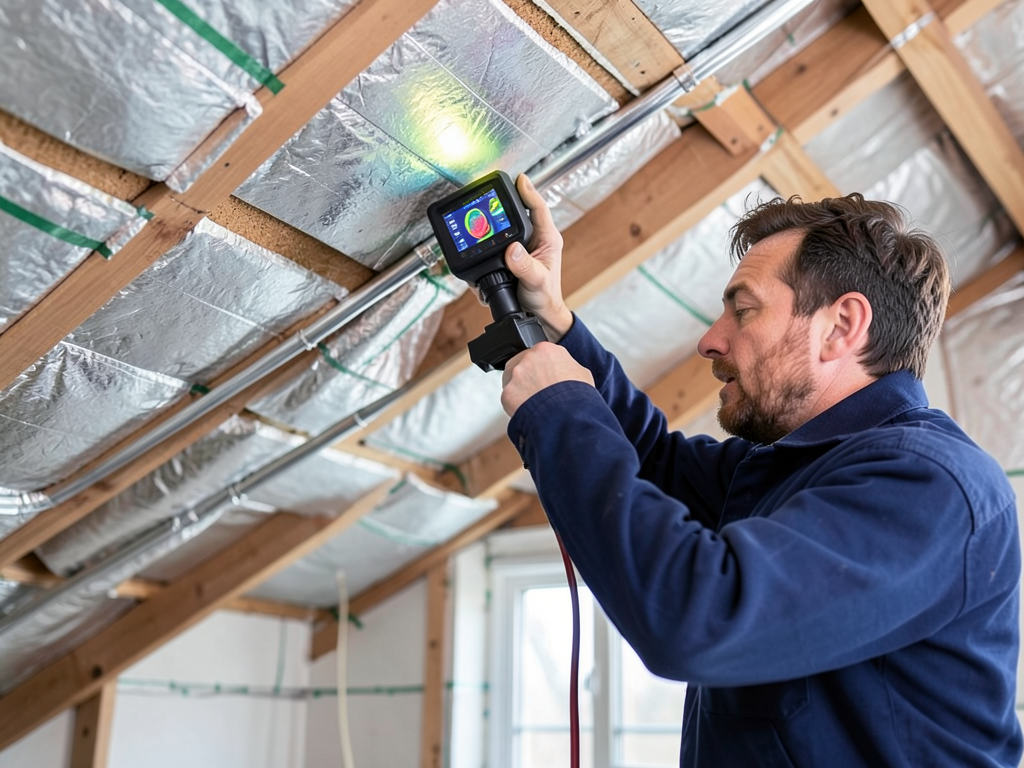
Image: Cross-section diagram showing proper pipe insulation installation with R-4 vapor barrier to prevent condensation in a loft ceiling.
5 Creative Ways to Hide or Blend Exposed Pipes
1. Custom Boxing-In (Soffits) with Access Panels
Building a soffit is the most common way to hide pipes while maintaining access. A soffit is essentially a framed box that surrounds pipes and is covered with drywall or wood paneling. The key is to include removable access panels at every valve, cleanout, and junction. Use magnetic latches or simple screw-on panels for easy removal. In Lowell’s older buildings, you’ll often find cast iron waste pipes that are heavy and may expand with heat. Your soffit frame must be anchored to the building structure, not just hung from the pipes themselves. Heavy duty sump pump installation for flood-prone basements in Quincy.
2. Decorative Painting: Making Pipes Disappear vs. Standing Out
Paint can be your best friend or your worst enemy. For a minimalist look, use high-build primer followed by matte black or deep gray paint to make pipes recede visually. This works especially well in lofts with high ceilings where pipes are not at eye level. For an industrial statement, use metallic paint on copper or brass pipes to highlight them as design features. Always use paint rated for metal surfaces and apply a rust-inhibiting primer first. In Massachusetts, you must use low-VOC paint to comply with state air quality regulations.
3. Industrial Chic: Using Decorative Pipe Wraps
Decorative wraps add texture and style while protecting pipes. Rope, jute, or fabric sleeves can transform cold metal into warm design elements. However, these wraps must be fire-resistant if used near heat sources. For steam or hot water pipes, use wraps rated for at least 200°F. In older Lowell buildings, you might encounter asbestos insulation on older pipes. Never disturb this material—it requires professional abatement by a licensed contractor.
4. Furniture Integration and Faux Beams
Strategic furniture placement can hide pipes without construction. Tall bookcases, room dividers, or custom-built entertainment centers can conceal vertical runs. For horizontal pipes, consider building a faux beam from reclaimed wood that sits over the pipe. This adds architectural interest while hiding the utility. Just ensure the beam is not load-bearing and does not interfere with pipe expansion and contraction.
5. Dropped Ceiling Accents (Cloud Ceilings)
A cloud ceiling is a partial drop ceiling that creates a visual plane below the pipes without covering the entire ceiling. This works well in lofts where you want to maintain the open feel but need to hide pipes in specific areas like kitchen or bedroom zones. Use acoustic panels or lightweight materials to reduce weight on the structure. In Massachusetts, any ceiling that creates a plenum space must meet fire rating requirements under 780 CMR.
Technical Requirements: Massachusetts Plumbing Code
Massachusetts plumbing code is strict about what you can cover and how. Section 248 CMR 10.10 requires that all valves, cleanouts, and pressure gauges remain accessible without tools. For gas lines, you must maintain 12 inches of clearance around the main shut-off valve. Fire sprinkler heads cannot be painted or covered—doing so violates both state and federal fire codes and can result in fines or failed inspections. Plumbing Quincy.
Condensation prevention is addressed in 248 CMR 10.08. Hot water lines must be insulated with materials that have a thermal resistance of at least R-4 to prevent sweating. In loft conversions, this often means wrapping both hot and cold lines, as temperature differentials can cause condensation on either. The code also requires that any insulation used in concealed spaces be non-combustible or treated with fire retardant.
For pipes that carry drinking water, Massachusetts follows EPA Lead and Copper Rule revisions. Any exposed copper piping installed after 2024 must use lead-free solder and fittings. If you’re renovating an older loft, you may need to replace sections of old copper that were joined with lead-based solder. EPA Lead and Copper Rule Revisions.
Cost Analysis for Boston Homeowners
DIY soffit construction typically costs $15-$25 per linear foot for materials in the Boston area, including lumber, drywall, and paint. Professional installation runs $35-$50 per linear foot, which includes code-compliant access panels and proper insulation. Decorative painting by a professional starts at $3-$5 per linear foot for basic coverage, or $8-$12 for metallic or specialty finishes.
Industrial pipe wraps cost $2-$4 per linear foot for basic materials, but installation can add another $3-$6 per foot if you want them professionally applied. Faux beam construction averages $20-$30 per linear foot for reclaimed wood materials, plus installation. Cloud ceiling systems range from $12-$20 per square foot installed, depending on the materials chosen.
Remember that code compliance often requires permits for structural changes. In Lowell, a building permit for interior alterations costs $50-$100, with additional inspection fees of $75-$150. Skipping permits can result in fines up to $300 and may void your homeowner’s insurance if problems arise later.
When to Call a Professional Plumber
Some pipe concealment projects require professional expertise. If you’re dealing with gas lines, high-pressure steam pipes, or suspect asbestos insulation, call a licensed Massachusetts plumber immediately. Heritage Plumbing (617) 749-9799 has experience with Lowell’s historic buildings and can ensure your project meets all local codes.
Condensation problems that persist after insulation may indicate bigger issues like inadequate ventilation or failing pipe joints. A professional can use thermal imaging to identify hidden moisture problems that aren’t visible to the naked eye. If you’re planning to reroute pipes to eliminate them entirely, you’ll need a master plumber to handle the work—this isn’t a DIY project.
Heritage Plumbing also handles emergency situations that can arise from improper pipe concealment. If you’ve already covered pipes and now notice water stains, musty odors, or reduced water pressure, these are signs of potential leaks or code violations that need immediate attention. Call (617) 749-9799 before the problem escalates into major damage. Gas leak detection and emergency repair for Jamaica Plain residents.
Materials That Meet Massachusetts Fire Safety Standards
Not all building materials are created equal when it comes to fire safety. In Massachusetts, any material used in a concealed space must have a Class A fire rating (flame spread index of 25 or less). This includes drywall, wood paneling, and fabric wraps. Look for products labeled as meeting ASTM E84 standards.
For pipe insulation, use materials that are both moisture-resistant and fire-rated. Fiberglass with a foil facing typically meets both requirements. Foam insulation must be closed-cell to prevent moisture absorption and should have a fire rating of at least 25/50 (flame spread/smoke development). In loft applications, consider using intumescent coatings on wooden structures near heat sources—these expand when exposed to high temperatures to create a fire barrier.
When using reclaimed wood for faux beams or decorative elements, verify that it hasn’t been treated with toxic chemicals. Some older wood may contain lead-based paints or arsenic preservatives. Heritage Plumbing can recommend suppliers who provide certified safe reclaimed materials that meet Massachusetts building standards.
Maintenance and Future Access Considerations
Even the best pipe concealment system needs maintenance. Plan for easy access by using removable panels or hinged doors rather than permanent construction. Label all access points clearly so future owners or service technicians know where to find valves and cleanouts. Keep a simple diagram showing the location of all covered utilities—this can save hours of searching during emergencies.
Inspect your concealed pipes annually for signs of leaks, corrosion, or pest damage. In Lowell’s humid climate, check for mold growth around access panels and ensure ventilation remains adequate. If you notice any changes in water pressure, unusual sounds, or temperature fluctuations, don’t wait—call a professional to investigate before minor issues become major repairs.
Heritage Plumbing offers annual inspection services specifically for loft owners who have concealed their plumbing. Our technicians use specialized cameras and moisture meters to check the condition of hidden pipes without requiring demolition. This proactive approach can identify problems while they’re still easy and inexpensive to fix.
Creating a Cohesive Industrial Loft Design
The key to successful pipe concealment is making it look intentional rather than like an afterthought. Choose materials and finishes that complement your loft’s existing elements—exposed brick, concrete floors, or steel windows. If you’re going for a minimalist look, keep everything in the same color family. For a more eclectic industrial style, mix materials like wood, metal, and fabric to create visual interest.
Lighting can also help integrate concealed pipes into your design. Install LED strip lighting along soffits or inside faux beams to create ambient lighting that highlights the architectural elements while drawing attention away from the pipes themselves. Just ensure all electrical work is performed by a licensed electrician and meets Massachusetts electrical code requirements.
Remember that your loft’s value depends partly on maintaining its industrial character while making it livable. Potential buyers appreciate thoughtful updates that preserve the building’s history while addressing modern needs. Heritage Plumbing can help you achieve this balance by providing solutions that are both code-compliant and aesthetically pleasing.
Final Thoughts on Loft Pipe Concealment
Hiding ugly exposed pipes in your Lowell loft is absolutely achievable, but it requires careful planning, the right materials, and attention to Massachusetts building codes. Whether you choose DIY soffits, professional boxing-in, or decorative painting, the goal is to create a space that feels intentional and well-designed rather than patched together.
Don’t let fear of the unknown stop you from creating the loft of your dreams. Heritage Plumbing (617) 749-9799 has the local expertise to guide you through the process, from initial design to final inspection. We understand Lowell’s unique building challenges and can help you avoid costly mistakes that could compromise your safety or property value.
Ready to transform your loft? Call (617) 749-9799 today to schedule a consultation. Our team will assess your space, discuss your design goals, and create a plan that meets both your aesthetic vision and Massachusetts code requirements. Don’t wait until a small problem becomes a big headache—professional help is just a phone call away.
Frequently Asked Questions
Can I paint over my exposed pipes to make them less noticeable?
Yes, painting is one of the easiest ways to blend pipes into your loft’s design. Use high-build primer and paint specifically formulated for metal surfaces. Matte black or deep gray works well for making pipes recede visually. Always use low-VOC paint in Massachusetts to comply with state regulations.
Do I need a permit to build a soffit around my pipes?
In Lowell, you typically need a building permit for any structural changes that affect utilities. This includes building soffits that cover pipes or create new ceiling planes. Permit costs range from $50-$100, with additional inspection fees. Skipping permits can result in fines and may void your insurance.
How do I maintain access to shut-off valves after covering pipes?
Always include removable access panels at every valve, cleanout, and junction. Use magnetic latches or screw-on panels that can be removed without tools. Massachusetts plumbing code requires at least 36 inches of clearance in front of any valve for emergency access.
What’s the best way to prevent pipe condensation in my loft?
Insulate all pipes with materials rated at least R-4 thermal resistance. Use vapor barriers to prevent moisture from reaching cold pipe surfaces. In Massachusetts, this is required by 248 CMR 10.08 to prevent sweating and potential mold growth.
Can I use reclaimed wood to build a faux beam over my pipes?
Yes, but verify that the wood hasn’t been treated with toxic chemicals and meets Massachusetts fire safety standards. Look for Class A fire rating (flame spread index of 25 or less) and ensure the beam doesn’t interfere with pipe expansion and contraction.
How much does professional pipe concealment cost in the Boston area?
Professional soffit installation costs $35-$50 per linear foot, including access panels and insulation. Decorative painting starts at $3-$5 per linear foot for basic coverage. Cloud ceiling systems range from $12-$20 per square foot installed. These prices reflect Boston-area labor and material costs in 2026.
What should I do if I suspect asbestos insulation on my old pipes?
Never disturb suspected asbestos material. Call a licensed asbestos abatement contractor immediately. In Massachusetts, disturbing asbestos without proper certification is illegal and can result in severe fines. Heritage Plumbing can recommend qualified professionals for safe removal and replacement.
How often should I inspect concealed pipes in my loft?
Inspect concealed pipes annually for leaks, corrosion, or pest damage. Check access panels for mold growth and ensure ventilation remains adequate. Heritage Plumbing offers specialized inspection services using thermal imaging and moisture meters to check hidden pipes without demolition.
Can I reroute my pipes instead of concealing them?
Rerouting pipes is possible but requires a licensed master plumber. This involves cutting into walls or ceilings and may require permits. Heritage Plumbing can assess whether rerouting is more cost-effective than concealment for your specific situation.
What happens if I cover pipes incorrectly and violate building codes?
Code violations can result in fines up to $300, failed inspections, and may void your homeowner’s insurance. If problems arise later, you may be required to remove and redo the work at your own expense. Always consult with a licensed professional before covering any utilities.
{
“@context”: “https://schema.org”,
“@type”: “BlogPosting”,
“headline”: “How to Hide Ugly Exposed Pipes in Your Industrial Style Loft in Lowell”,
“description”: “Discover expert ways to conceal exposed pipes in Lowell lofts while meeting Massachusetts plumbing codes. Learn about soffits, painting, and fire safety compliance.”,
“wordCount”: 2459,
“datePublished”: “2026-06-05T14:24:00.000Z”,
“dateModified”: “2026-06-05T14:24:00.000Z”,
“inLanguage”: “en-US”,
“mainEntityOfPage”: {
“@type”: “WebPage”,
“@id”: “https://heritageplumbingboston.com”
},
“publisher”: {
“@type”: “LocalBusiness”,
“name”: “Heritage Plumbing Boston”,
“url”: “https://heritageplumbingboston.com”
},
“author”: {
“@type”: “Organization”,
“name”: “Heritage Plumbing Boston”,
“url”: “https://heritageplumbingboston.com”
},
“image”: {
“@type”: “ImageObject”,
“url”: “https://heritageplumbingboston.com/wp-content/uploads/2026/03/how-to-hide-ugly-exposed-pipes-in-your-industrial-1.png”
}
}
{
“@context”: “https://schema.org”,
“@type”: “Plumber”,
“name”: “Heritage Plumbing Boston”,
“url”: “https://heritageplumbingboston.com”,
“address”: {
“@type”: “PostalAddress”,
“addressLocality”: “Boston”
},
“areaServed”: {
“@type”: “City”,
“name”: “Boston”
}
}
{
“@context”: “https://schema.org”,
“@type”: “FAQPage”,
“mainEntity”: [
{
“@type”: “Question”,
“name”: “Can I paint over my exposed pipes to make them less noticeable?”,
“acceptedAnswer”: {
“@type”: “Answer”,
“text”: “Yes, painting is one of the easiest ways to blend pipes into your loft’s design. Use high-build primer and paint specifically formulated for metal surfaces. Matte black or deep gray works well for making pipes recede visually. Always use low-VOC paint in Massachusetts to comply with state regulations.”
}
},
{
“@type”: “Question”,
“name”: “Do I need a permit to build a soffit around my pipes?”,
“acceptedAnswer”: {
“@type”: “Answer”,
“text”: “In Lowell, you typically need a building permit for any structural changes that affect utilities. This includes building soffits that cover pipes or create new ceiling planes. Permit costs range from $50-$100, with additional inspection fees. Skipping permits can result in fines and may void your insurance.”
}
},
{
“@type”: “Question”,
“name”: “How do I maintain access to shut-off valves after covering pipes?”,
“acceptedAnswer”: {
“@type”: “Answer”,
“text”: “Always include removable access panels at every valve, cleanout, and junction. Use magnetic latches or screw-on panels that can be removed without tools. Massachusetts plumbing code requires at least 36 inches of clearance in front of any valve for emergency access.”
}
},
{
“@type”: “Question”,
“name”: “What’s the best way to prevent pipe condensation in my loft?”,
“acceptedAnswer”: {
“@type”: “Answer”,
“text”: “Insulate all pipes with materials rated at least R-4 thermal resistance. Use vapor barriers to prevent moisture from reaching cold pipe surfaces. In Massachusetts, this is required by 248 CMR 10.08 to prevent sweating and potential mold growth.”
}
},
{
“@type”: “Question”,
“name”: “Can I use reclaimed wood to build a faux beam over my pipes?”,
“acceptedAnswer”: {
“@type”: “Answer”,
“text”: “Yes, but verify that the wood hasn’t been treated with toxic chemicals and meets Massachusetts fire safety standards. Look for Class A fire rating (flame spread index of 25 or less) and ensure the beam doesn’t interfere with pipe expansion and contraction.”
}
},
{
“@type”: “Question”,
“name”: “How much does professional pipe concealment cost in the Boston area?”,
“acceptedAnswer”: {
“@type”: “Answer”,
“text”: “Professional soffit installation costs $35-$50 per linear foot, including access panels and insulation. Decorative painting starts at $3-$5 per linear foot for basic coverage. Cloud ceiling systems range from $12-$20 per square foot installed. These prices reflect Boston-area labor and material costs in 2026.”
}
},
{
“@type”: “Question”,
“name”: “What should I do if I suspect asbestos insulation on my old pipes?”,
“acceptedAnswer”: {
“@type”: “Answer”,
“text”: “Never disturb suspected asbestos material. Call a licensed asbestos abatement contractor immediately. In Massachusetts, disturbing asbestos without proper certification is illegal and can result in severe fines. Heritage Plumbing can recommend qualified professionals for safe removal and replacement.”
}
},
{
“@type”: “Question”,
“name”: “How often should I inspect concealed pipes in my loft?”,
“acceptedAnswer”: {
“@type”: “Answer”,
“text”: “Inspect concealed pipes annually for leaks, corrosion, or pest damage. Check access panels for mold growth and ensure ventilation remains adequate. Heritage Plumbing offers specialized inspection services using thermal imaging and moisture meters to check hidden pipes without demolition.”
}
},
{
“@type”: “Question”,
“name”: “Can I reroute my pipes instead of concealing them?”,
“acceptedAnswer”: {
“@type”: “Answer”,
“text”: “Rerouting pipes is possible but requires a licensed master plumber. This involves cutting into walls or ceilings and may require permits. Heritage Plumbing can assess whether rerouting is more cost-effective than concealment for your specific situation.”
}
},
{
“@type”: “Question”,
“name”: “What happens if I cover pipes incorrectly and violate building codes?”,
“acceptedAnswer”: {
“@type”: “Answer”,
“text”: “Code violations can result in fines up to $300, failed inspections, and may void your homeowner’s insurance. If problems arise later, you may be required to remove and redo the work at your own expense. Always consult with a licensed professional before covering any utilities.”
}
}
]
}
{
“@context”: “https://schema.org”,
“@type”: “BreadcrumbList”,
“itemListElement”: [
{
“@type”: “ListItem”,
“position”: 1,
“name”: “Home”,
“item”: “https://heritageplumbingboston.com”
},
{
“@type”: “ListItem”,
“position”: 2,
“name”: “Blog”,
“item”: “https://heritageplumbingboston.com/blog”
},
{
“@type”: “ListItem”,
“position”: 3,
“name”: “How to Hide Ugly Exposed Pipes in Your Industrial Style Loft in Lowell”
}
]
}
{
“@context”: “https://schema.org”,
“@type”: “Service”,
“serviceType”: “Plumbing”,
“provider”: {
“@type”: “LocalBusiness”,
“name”: “Heritage Plumbing Boston”,
“url”: “https://heritageplumbingboston.com”
},
“areaServed”: {
“@type”: “City”,
“name”: “Boston”
},
“description”: “Discover expert ways to conceal exposed pipes in Lowell lofts while meeting Massachusetts plumbing codes. Learn about soffits, painting, and fire safety compliance.”
}