
Managing Humidity and Pipe Sweat in Your Swampscott Basement During Summer
Hot summer days in Swampscott bring more than just beach weather. When warm ocean air meets the cold water pipes in your basement, condensation forms. You see water droplets on copper or PEX pipes and wonder if you have a leak. This is pipe sweating, a common problem in coastal Massachusetts homes. Understanding the difference between sweating pipes and actual leaks saves you time and money. This guide explains why Swampscott’s humidity causes this issue and what you can do about it. Massachusetts plumbing code.
Why Do Pipes Sweat? The Science of Swampscott’s Coastal Humidity
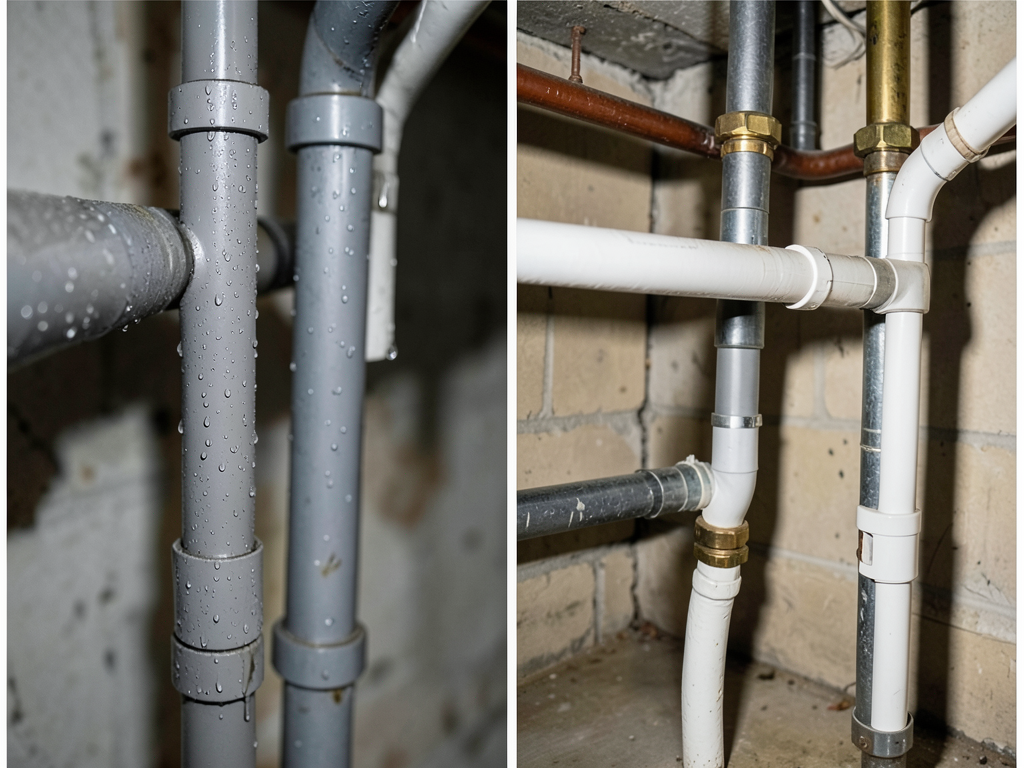
Pipe sweating happens when warm, humid air contacts cold water pipes. Cold water from your main supply line runs through pipes that are often much cooler than the surrounding basement air. When Swampscott’s summer humidity levels climb above 70 percent, the air holds more moisture. As this warm air hits the cold pipe surface, water vapor condenses into liquid droplets. This is the same process that creates morning dew on grass. Water heater replacement and repair for South Boston condos.
Swampscott’s location on Massachusetts Bay intensifies this problem. The Atlantic Ocean provides a constant source of moisture. Summer sea breezes carry humid air inland. Your basement becomes a perfect environment for condensation because it stays cooler than the rest of your home. The temperature difference between your cold water supply and the humid basement air creates ideal conditions for pipe sweating.. Read more about Handling High Water Tables in Marblehead with Professional Sump Pit Solutions.
The science behind this involves dew point temperature. When the air temperature drops to the dew point, water vapor turns to liquid. Cold water pipes often stay well below the summer dew point in your basement. This means condensation forms continuously whenever humid air circulates near those pipes. Understanding this process helps you identify whether you have a sweating pipe problem or an actual leak.. Read more about Preventing Frozen Pipes in Exposed Fort Point Lofts This Winter.
Older Swampscott homes built before 1980 face additional challenges. These homes often lack proper basement insulation and vapor barriers. The original construction did not account for modern humidity control needs. Many homes near Humphrey Street and the Phillips Beach area have basements that stay damp year-round. This creates perfect conditions for pipe sweating during summer months.
The Massachusetts Uniform State Plumbing Code (248 CMR 10.00) requires proper pipe insulation in new construction. However, many older homes never received these upgrades. If your home was built decades ago, your cold water pipes likely lack the insulation needed to prevent condensation. This code requirement exists because pipe sweating leads to bigger problems like mold growth and wood rot. Reliable 24 hour plumbing repair in the Back Bay.
The Dangers of Ignoring Pipe Condensation (Mold and Structural Damage)
Ignoring pipe sweating creates serious problems in your basement. Water droplets running down pipes collect on floors, walls, and stored items. This constant moisture creates ideal conditions for mold and mildew growth. Black mold can start growing within 24 to 48 hours in damp environments. Once established, mold spreads quickly through your basement.
Mold growth affects your family’s health. Mold spores cause respiratory problems, allergic reactions, and asthma attacks. Children and elderly family members face higher risks from mold exposure. The musty smell from mold growth permeates your home and becomes difficult to eliminate. Professional mold remediation costs thousands of dollars and requires extensive cleanup.
Beyond health concerns, pipe sweating damages your home’s structure. Water dripping onto wooden floor joists causes rot over time. This weakens your home’s foundation support system. Floor joists that rot from moisture cannot support the weight above them. Replacing rotted joists requires major construction work and significant expense.
Stored items in your basement suffer damage from constant moisture exposure. Cardboard boxes, paper documents, and fabric items absorb water from the air. Metal tools rust when exposed to humid conditions. Electronics and appliances can malfunction when humidity levels stay high. Many homeowners discover their stored possessions ruined after ignoring pipe sweating for several seasons.
The electrical systems in your basement also face risks. Water dripping onto electrical panels or outlets creates shock hazards. Building codes require GFCI protection in damp areas, but constant moisture can overwhelm these safety devices. Water and electricity create dangerous conditions that put your family at risk.
Energy costs increase when your basement stays humid. Your air conditioning system works harder to remove excess moisture from the air. This uses more electricity and increases your utility bills. The constant operation of your HVAC system leads to premature wear and potential breakdowns. Proper humidity control helps your cooling system work efficiently.
Five Ways to Stop Pipe Sweating in Your North Shore Home
Stopping pipe sweating requires addressing both the cold pipes and the humid air. These five methods provide effective solutions for Swampscott homeowners. You can implement some solutions yourself while others require professional installation. Heavy duty sump pump installation for flood-prone basements in Quincy.
1. Install Foam Pipe Insulation
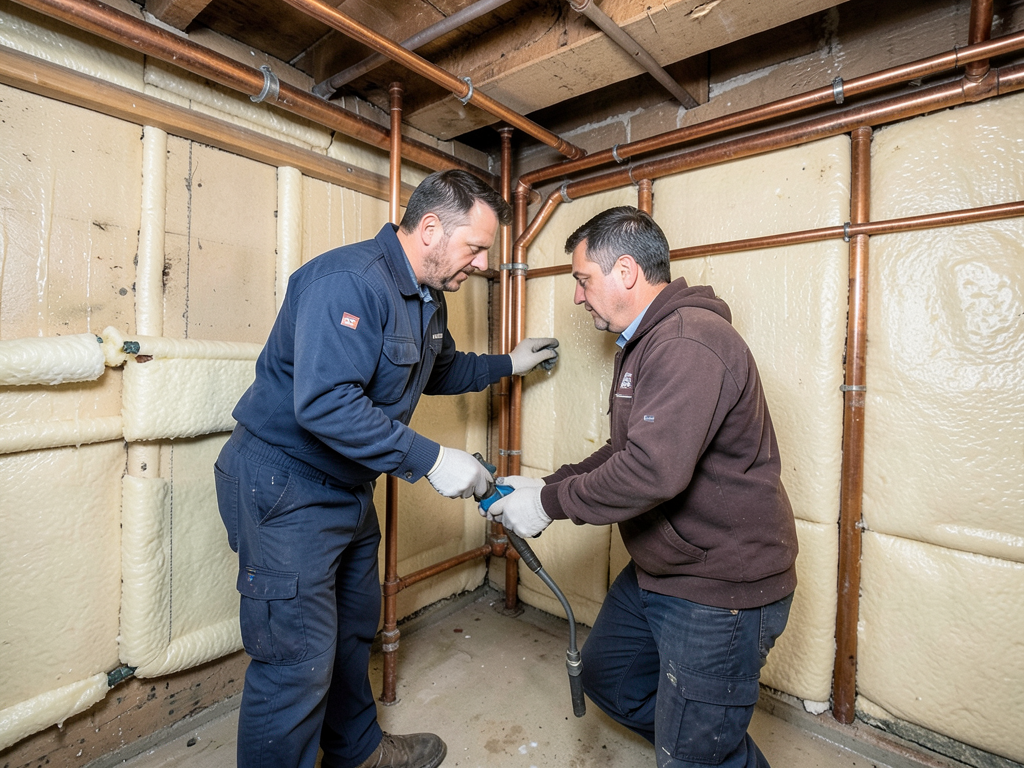
Foam pipe insulation creates a barrier between cold pipes and humid air. Polyethylene foam sleeves slip over existing pipes and seal with adhesive strips. This insulation keeps the pipe surface temperature closer to room temperature, preventing condensation. Foam insulation costs approximately $1 to $3 per linear foot and installs quickly with basic tools.
Choose insulation with the correct wall thickness for your climate. Swampscott’s high humidity requires thicker insulation than inland areas. Look for foam with an R-value of at least 3.0 for basement applications. The insulation should fit snugly around pipes without gaps where humid air can contact the pipe surface.
Installation requires cleaning pipes thoroughly before applying insulation. Remove any existing moisture or debris. Cut insulation pieces to fit around elbows and fittings. Seal all seams with the provided adhesive strips. Pay special attention to pipe joints where condensation often starts. Proper installation ensures the insulation works effectively.
2. Control Basement Humidity with Dehumidifiers
Dehumidifiers remove moisture from basement air, reducing the humidity that causes pipe sweating. For Swampscott’s coastal climate, you need a dehumidifier rated for at least 70 pints per day. This capacity handles the high moisture levels common in North Shore basements. Place the dehumidifier in the center of your basement for maximum effectiveness.
Set your dehumidifier to maintain humidity between 30 and 50 percent. This range prevents mold growth while keeping your basement comfortable. Many modern dehumidifiers include automatic humidistats that maintain your target humidity level. Empty the collection tank regularly or connect a drain hose to a floor drain for continuous operation. Storm Drain Cleaning & Repair.
Energy-efficient dehumidifiers cost more initially but save money over time. Look for ENERGY STAR certified models that use less electricity. Some dehumidifiers include air filters that remove dust and allergens from your basement air. This improves overall air quality while controlling humidity levels.
3. Improve Basement Ventilation
Proper air circulation prevents humid pockets from forming around pipes. Install vent fans to move air through your basement. Ceiling fans help distribute conditioned air from upstairs throughout the basement space. Good ventilation keeps air temperatures more consistent and reduces condensation risk.
Check your basement windows for proper operation. Open windows on dry days to allow fresh air circulation. However, avoid opening windows during humid weather as this introduces more moisture. Cross-ventilation works best when you can open windows on opposite sides of your basement.
Consider installing a heat recovery ventilator (HRV) if your basement lacks windows. These systems exchange stale indoor air with fresh outdoor air while recovering heat energy. HRVs work well in Swampscott’s climate by providing ventilation without excessive energy loss.
4. Apply Vapor Barrier Coatings
Vapor barrier coatings create moisture-resistant surfaces on basement walls and floors. These coatings prevent ground moisture from entering your basement space. Apply epoxy or latex masonry waterproofing paint to concrete walls. This creates a sealed surface that blocks moisture migration from soil into your basement.
Before applying coatings, repair any cracks in basement walls. Water entering through cracks bypasses surface treatments. Use hydraulic cement to fill cracks and gaps. Allow repairs to cure completely before applying waterproofing coatings. Multiple thin coats work better than one thick application. EPA mold information.
Floor coatings provide additional moisture protection. Apply epoxy floor coatings to create a sealed surface that resists moisture penetration. These coatings also make basement floors easier to clean and more attractive. Choose coatings specifically designed for basement applications in humid climates.
5. Upgrade Your Water Supply System
Older plumbing systems contribute to pipe sweating problems. Galvanized steel pipes common in homes built before 1960 conduct heat and cold more readily than modern materials. Consider upgrading to PEX piping, which provides better insulation properties. PEX pipes stay closer to ambient temperature, reducing condensation risk.
Professional plumbers can assess your existing plumbing system for upgrade opportunities. They check pipe sizes, insulation quality, and overall system efficiency. Sometimes simple upgrades like replacing exposed sections of pipe provide significant improvements. A professional evaluation helps identify the most cost-effective solutions for your specific situation.
Consider installing a water heater timer if you have a tank-style unit. This reduces the amount of cold water flowing through pipes during peak humidity hours. Less cold water means less temperature difference and reduced condensation potential.
When to Call a Professional Boston Plumber
Some pipe sweating problems require professional expertise. You should call a licensed plumber when DIY solutions fail or when you suspect other issues. Professional plumbers bring specialized tools and knowledge to diagnose complex moisture problems.
Call a plumber if you notice water damage spreading beyond pipe locations. This indicates potential leaks rather than simple condensation. Plumbers use moisture meters and infrared cameras to detect hidden leaks behind walls or under floors. These tools identify problems that visual inspection cannot reveal.
Contact a professional if your basement humidity stays above 60 percent despite using a dehumidifier. This suggests underlying moisture problems that require expert attention. Plumbers check for foundation cracks, poor drainage, and other sources of moisture intrusion. They provide comprehensive solutions rather than temporary fixes.
Schedule professional service if you smell musty odors that persist after cleaning. This often indicates mold growth behind walls or under flooring. Licensed plumbers work with mold remediation specialists to address both the moisture source and the resulting contamination. They ensure your basement becomes safe and healthy again.
Professional plumbers also handle complex insulation projects. They install specialized insulation products designed for high-humidity environments. These products include closed-cell foam insulation that resists moisture absorption. Professional installation ensures proper coverage and maximum effectiveness.
Consider professional help if your home has a history of flooding or water damage. Past water intrusion creates conditions that promote ongoing moisture problems. Plumbers assess your entire drainage system, including gutters, downspouts, and grading around your foundation. They identify and fix problems that contribute to basement moisture.
Heritage Plumbing serves Swampscott and surrounding North Shore communities. Our licensed plumbers understand the unique challenges of coastal Massachusetts homes. We provide free consultations to assess your specific situation and recommend appropriate solutions. Our team works efficiently to minimize disruption to your home and daily routine.
Our Swampscott Plumbing Service Area and Local Guarantees
We proudly serve all of Swampscott including the Phillips Beach area, the Town Center district, and neighborhoods near Forest Avenue. Our service extends to nearby communities like Marblehead, Lynn, and Salem. We understand the specific building styles and plumbing challenges common to Essex County homes.
All our work meets or exceeds Massachusetts plumbing codes. We provide written estimates before starting any work. Our technicians arrive on time and complete jobs efficiently. We stand behind our work with a satisfaction guarantee. If you’re not happy with our service, we’ll make it right.
Emergency service is available 24/7 for urgent plumbing problems. We respond quickly to minimize water damage and restore your plumbing system. Our fully stocked service vehicles carry the parts needed for most repairs. This allows us to complete jobs in a single visit, saving you time and inconvenience. Gas leak detection and emergency repair for Jamaica Plain residents.
Call (617) 749-9799 today to schedule your basement moisture assessment. Don’t let another humid summer damage your home and belongings. Our experienced team provides solutions that work in Swampscott’s unique coastal environment. We help you protect your investment and create a healthier living space.
Frequently Asked Questions
How can I tell if my pipes are sweating or leaking?
Sweating pipes show even moisture distribution along the pipe length, especially on cold water lines. Leaks typically create wet spots at specific locations like joints or fittings. Condensation appears when humidity is high and disappears when humidity drops. True leaks continue regardless of weather conditions.
What humidity level causes pipe sweating in basements?
Pipe sweating commonly occurs when basement humidity exceeds 60 percent. Swampscott’s coastal location often sees humidity levels above 70 percent during summer months. The problem worsens when cold water pipes contact this humid air. Maintaining humidity below 50 percent prevents most condensation issues.
Can pipe insulation cause problems if installed incorrectly?
Improperly installed pipe insulation can trap moisture against pipes, potentially causing corrosion. Insulation must fit snugly without gaps where humid air can contact pipes. All seams require sealing with adhesive strips. Professional installation ensures proper coverage and prevents moisture-related damage to your plumbing system.
How much does professional pipe insulation cost in Swampscott?
Professional pipe insulation installation typically costs $500 to $1,500 depending on basement size and pipe configuration. This includes labor, materials, and any necessary repairs. The investment pays for itself through prevented water damage, mold remediation costs, and reduced energy bills over time.
Will a dehumidifier alone solve my pipe sweating problem?
A dehumidifier helps but rarely solves pipe sweating completely. You need both humidity control and pipe insulation for best results. Dehumidifiers remove moisture from air but cannot eliminate all humidity in coastal climates. Combining a dehumidifier with foam pipe insulation provides the most effective solution for Swampscott homes.
Call (617) 749-9799 today to schedule your basement moisture assessment. Don’t let another humid summer damage your home and belongings. Our experienced team provides solutions that work in Swampscott’s unique coastal environment. We help you protect your investment and create a healthier living space.
You may also find this helpful. Why Smart Leak Detectors are the Best Insurance for Your Downtown Crossing Loft.
{
“@context”: “https://schema.org”,
“@type”: “BlogPosting”,
“headline”: “Managing Humidity and Pipe Sweat in Your Swampscott Basement During Summer”,
“description”: “Stop pipe sweating in your Swampscott basement this summer. Learn how coastal humidity causes condensation and get expert solutions from Boston plumbers.”,
“wordCount”: 2350,
“datePublished”: “2026-04-16T07:14:00.000Z”,
“dateModified”: “2026-04-16T07:14:00.000Z”,
“inLanguage”: “en-US”,
“mainEntityOfPage”: {
“@type”: “WebPage”,
“@id”: “https://heritageplumbingboston.com”
},
“publisher”: {
“@type”: “LocalBusiness”,
“name”: “Heritage Plumbing Boston”,
“url”: “https://heritageplumbingboston.com”
},
“author”: {
“@type”: “Organization”,
“name”: “Heritage Plumbing Boston”,
“url”: “https://heritageplumbingboston.com”
},
“image”: {
“@type”: “ImageObject”,
“url”: “https://heritageplumbingboston.com/wp-content/uploads/2026/03/managing-humidity-and-pipe-sweat-in-your-swampscot-1.png”
}
}
{
“@context”: “https://schema.org”,
“@type”: “Plumber”,
“name”: “Heritage Plumbing Boston”,
“url”: “https://heritageplumbingboston.com”,
“address”: {
“@type”: “PostalAddress”,
“addressLocality”: “Boston”
},
“areaServed”: {
“@type”: “City”,
“name”: “Boston”
}
}
{
“@context”: “https://schema.org”,
“@type”: “FAQPage”,
“mainEntity”: [
{
“@type”: “Question”,
“name”: “How can I tell if my pipes are sweating or leaking?”,
“acceptedAnswer”: {
“@type”: “Answer”,
“text”: “Sweating pipes show even moisture distribution along the pipe length, especially on cold water lines. Leaks typically create wet spots at specific locations like joints or fittings. Condensation appears when humidity is high and disappears when humidity drops. True leaks continue regardless of weather conditions.”
}
},
{
“@type”: “Question”,
“name”: “What humidity level causes pipe sweating in basements?”,
“acceptedAnswer”: {
“@type”: “Answer”,
“text”: “Pipe sweating commonly occurs when basement humidity exceeds 60 percent. Swampscott’s coastal location often sees humidity levels above 70 percent during summer months. The problem worsens when cold water pipes contact this humid air. Maintaining humidity below 50 percent prevents most condensation issues.”
}
},
{
“@type”: “Question”,
“name”: “Can pipe insulation cause problems if installed incorrectly?”,
“acceptedAnswer”: {
“@type”: “Answer”,
“text”: “Improperly installed pipe insulation can trap moisture against pipes, potentially causing corrosion. Insulation must fit snugly without gaps where humid air can contact pipes. All seams require sealing with adhesive strips. Professional installation ensures proper coverage and prevents moisture-related damage to your plumbing system.”
}
},
{
“@type”: “Question”,
“name”: “How much does professional pipe insulation cost in Swampscott?”,
“acceptedAnswer”: {
“@type”: “Answer”,
“text”: “Professional pipe insulation installation typically costs $500 to $1,500 depending on basement size and pipe configuration. This includes labor, materials, and any necessary repairs. The investment pays for itself through prevented water damage, mold remediation costs, and reduced energy bills over time.”
}
},
{
“@type”: “Question”,
“name”: “Will a dehumidifier alone solve my pipe sweating problem?”,
“acceptedAnswer”: {
“@type”: “Answer”,
“text”: “A dehumidifier helps but rarely solves pipe sweating completely. You need both humidity control and pipe insulation for best results. Dehumidifiers remove moisture from air but cannot eliminate all humidity in coastal climates. Combining a dehumidifier with foam pipe insulation provides the most effective solution for Swampscott homes.”
}
}
]
}
{
“@context”: “https://schema.org”,
“@type”: “BreadcrumbList”,
“itemListElement”: [
{
“@type”: “ListItem”,
“position”: 1,
“name”: “Home”,
“item”: “https://heritageplumbingboston.com”
},
{
“@type”: “ListItem”,
“position”: 2,
“name”: “Blog”,
“item”: “https://heritageplumbingboston.com/blog”
},
{
“@type”: “ListItem”,
“position”: 3,
“name”: “Managing Humidity and Pipe Sweat in Your Swampscott Basement During Summer”
}
]
}
{
“@context”: “https://schema.org”,
“@type”: “Service”,
“serviceType”: “Plumbing”,
“provider”: {
“@type”: “LocalBusiness”,
“name”: “Heritage Plumbing Boston”,
“url”: “https://heritageplumbingboston.com”
},
“areaServed”: {
“@type”: “City”,
“name”: “Boston”
},
“description”: “Stop pipe sweating in your Swampscott basement this summer. Learn how coastal humidity causes condensation and get expert solutions from Boston plumbers.”
}