
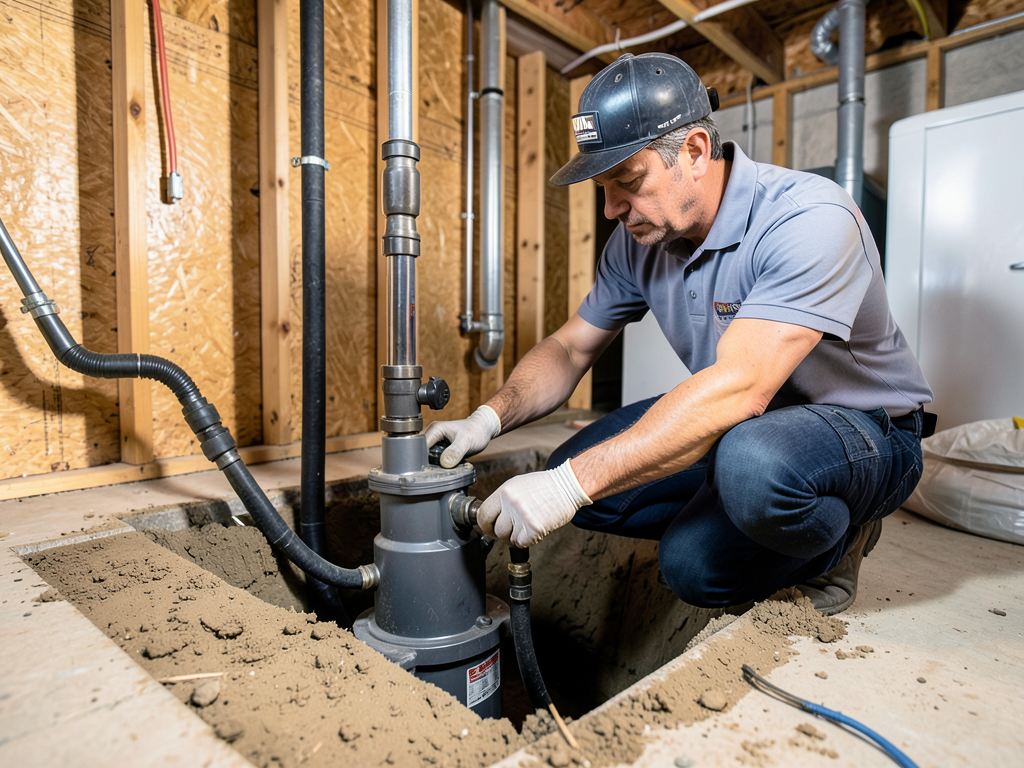
Handling High Water Tables in Marblehead with Professional Sump Pit Solutions
Living in Marblehead means dealing with the reality of high groundwater levels and coastal flooding risks. The town’s proximity to Salem Harbor and its rocky, ledge-filled terrain create unique challenges for homeowners trying to keep basements dry. When water tables rise during spring thaws or Nor’easter storms, your home’s foundation becomes vulnerable to hydrostatic pressure that can crack walls and flood living spaces. Water heater replacement and repair for South Boston condos.
Professional sump pit installation provides the engineered solution that generic pump systems cannot match. A properly designed system accounts for Marblehead’s specific soil conditions, discharge regulations, and the frequency of power outages during coastal storms. This isn’t about buying a pump off the shelf – it’s about installing a complete water management system that protects your home year-round. Heavy duty sump pump installation for flood-prone basements in Quincy.
Why Marblehead Homes Require Professional Sump Pump Systems
Marblehead’s coastal location creates a perfect storm of water management challenges. The town sits on granite bedrock with high clay content soils that don’t drain well. When combined with the seasonal water table fluctuations common to the North Shore, many basements become pressure points where groundwater seeks the path of least resistance. Storm Drain Cleaning & Repair.
Historic homes in Marblehead’s downtown area face additional complications. Many were built before modern building codes existed, with fieldstone foundations that are porous and prone to seepage. The Shipyard district and areas near Fort Sewall experience the highest water table levels due to their proximity to the harbor. EPA sump pump discharge guidelines.
The Massachusetts Plumbing Code requires specific installation standards for sump systems, including proper pit depth, discharge routing, and backflow prevention. Marblehead’s local bylaws add another layer of requirements, particularly regarding where sump discharge water can be released. Improper installations can result in fines and create problems for neighbors. Massachusetts Plumbing Code 248 CMR.
During a recent inspection of a 1920s Colonial on Pleasant Street, we found the previous owner had connected the sump pump directly to the sanitary sewer – a violation of both state and local codes. The home had been experiencing backups during heavy rains because the system couldn’t handle the combined flow. This is exactly the kind of hidden problem that professional installation prevents. Solving sewer line issues in older Dorchester homes without digging up the yard.
Our Installation Process: From Pit Excavation to Discharge
Professional sump pit installation in Marblehead requires specialized equipment and expertise. The rocky ledge soil means excavation often involves jackhammering through granite rather than simple digging. A typical pit excavation for a standard home takes two to three hours with the right equipment.
The process begins with a site assessment to determine the lowest point in your basement where water naturally collects. We then mark out the pit location, typically 18 to 24 inches in diameter and 24 to 30 inches deep. In areas with extremely high water tables, we may need to go deeper to ensure proper pump cycling.
Once the pit is excavated, we install a perforated basin liner with gravel backfill. The perforations allow groundwater to enter the pit while keeping out mud and debris. For Marblehead’s conditions, we use heavy-duty polyethylene basins rated for continuous use rather than lightweight alternatives that can crack over time.
The pump selection depends on your specific needs. A 1/2 horsepower submersible pump handles most residential applications, moving 3,000 to 4,000 gallons per hour. For homes with extremely high water tables or large basements, we might recommend a 3/4 horsepower unit. The discharge pipe routing follows Marblehead’s bylaws, which prohibit draining onto public ways or neighboring properties.
Check valve installation prevents water from flowing back into the pit after the pump shuts off. This simple component extends pump life and reduces cycling frequency. We also install a high-water alarm that alerts you if the system fails or if water levels rise faster than the pump can handle.
Types of Sump Pumps We Install
Choosing the right pump technology makes the difference between a system that works and one that fails when you need it most. Submersible pumps and pedestal pumps each have their place, but for Marblehead’s conditions, submersible units typically provide better performance.
Submersible pumps sit entirely within the pit, making them quieter and less prone to freezing than pedestal models. They handle debris better and can be fully enclosed with a sealed lid that prevents moisture and radon gas from entering your basement. The sealed design also reduces pump noise, which matters in finished basements.
Pedestal pumps have the motor mounted above the pit, making them easier to service but more vulnerable to moisture damage. They work well in shallow pits or applications where the pump only runs occasionally. However, their exposed design makes them less suitable for Marblehead’s high-humidity coastal environment.
Battery backup systems are essential for coastal homes. Marblehead experiences frequent power outages during Nor’easters, exactly when you need your sump pump most. A quality battery backup system includes a deep-cycle marine battery, a separate pump, and an automatic transfer switch. During normal operation, the backup system remains charged and ready.
The backup pump activates when the primary pump can’t keep up or when power fails. Most systems provide 8 to 12 hours of continuous operation on a fully charged battery, enough to handle typical storm durations. Some homeowners opt for water-powered backup systems that use municipal water pressure, though these require adequate water pressure to function.
Local Compliance and Permits
Installing a sump pump system in Marblehead requires navigating both state and local regulations. The Massachusetts Plumbing Code Section 248 CMR 10.00 establishes the baseline requirements for pit construction, pump sizing, and discharge methods. Marblehead adds its own specific provisions through the Water and Sewer Commission. Reliable 24 hour plumbing repair in the Back Bay.
Permit requirements vary based on the scope of work. A simple pump replacement might not need a permit, but any excavation or new discharge routing requires approval from the town. The permit process includes reviewing your discharge plans to ensure compliance with local drainage ordinances.
Marblehead has specific restrictions on sump pump discharge locations. Discharging onto public ways, into storm drains, or onto neighboring properties is prohibited. Most installations require routing discharge at least 10 feet from the foundation and away from any structures. In some areas, particularly near the harbor, additional restrictions may apply.
The town also monitors for illegal connections to the sanitary sewer system. During heavy rains, these connections can overwhelm the treatment plant and cause backups throughout the system. Our team ensures all installations comply with current regulations and provides documentation for your records.
Working with a licensed plumber familiar with Marblehead’s specific requirements saves time and prevents costly mistakes. We handle the permit process, coordinate with town inspectors, and ensure your system meets all applicable codes before completion.
Maintenance for Coastal High-Water Tables
Regular maintenance keeps your sump system functioning when you need it most. Coastal environments create unique challenges, including salt air corrosion, higher humidity levels, and more frequent pump cycling due to high water tables.
Annual maintenance should include checking the pump’s operation by pouring water into the pit and verifying the float switch activates properly. Listen for unusual noises that might indicate bearing wear or impeller damage. Check the discharge pipe for clogs, ice buildup, or damage from lawn equipment.
Battery backup systems require special attention. Test the backup pump monthly by unplugging the primary pump and verifying the backup activates. Replace batteries every three to five years, even if they seem to hold a charge, as their capacity degrades over time.
Clean the pit annually to remove sediment and debris that can clog the pump or interfere with the float switch. In Marblehead’s rocky soil conditions, silt can accumulate faster than in other areas, making more frequent cleaning necessary in some locations.
Monitor your system during heavy rains and after snowmelt. If the pump runs continuously or cycles too frequently, it may indicate a problem with the check valve, a clogged discharge line, or a pump that’s undersized for your conditions.
Consider installing a water alarm in addition to your high-water alarm. These devices detect moisture in areas around the pit and can alert you to slow leaks before they become major problems.
Frequently Asked Questions
How much does professional sump pit installation cost in Marblehead?
Professional installation typically ranges from $2,500 to $4,500 depending on pit depth, pump capacity, and whether battery backup is included. The rocky ledge soil in Marblehead can add to excavation costs compared to areas with softer soil.
How long does installation take?
Most installations complete in one day. Excavation and pit preparation take 2-3 hours, pump installation requires 1-2 hours, and testing and cleanup need another hour. If permits are required, allow additional time for the approval process.
Do I need a permit for sump pump installation?
Permits are required for new installations, major modifications, or any work that affects discharge routing. Simple pump replacements in existing pits may not need permits, but it’s best to check with the Marblehead Water and Sewer Commission.
What size pump do I need?
Most homes need a 1/2 horsepower pump that moves 3,000-4,000 gallons per hour. Homes with extremely high water tables, large basements, or finished lower levels may need 3/4 horsepower units or multiple pumps.
How often should I replace my sump pump?
Quality pumps typically last 7-10 years with proper maintenance. Coastal environments and high-usage applications may reduce lifespan. Replace pumps at the first sign of unusual noises, reduced pumping capacity, or frequent cycling.
Can I install a sump pump myself?
While DIY installation is possible, professional installation ensures compliance with building codes, proper sizing for your specific conditions, and correct discharge routing. Mistakes can lead to system failure, code violations, and property damage.
What maintenance does a sump system need?
Annual professional maintenance plus monthly testing of the backup system keeps your installation reliable. Clean the pit annually, test the float switch, check discharge lines, and verify battery backup operation.
How do I know if I need a battery backup?
Marblehead’s coastal location makes battery backup essential. If you experience power outages during storms or have a high water table that requires frequent pump operation, battery backup provides critical protection when you need it most.
Protect Your Marblehead Home Today
Don’t wait for the next Nor’easter to discover your basement’s vulnerabilities. Professional sump pit installation provides the engineered protection your Marblehead home needs against coastal flooding and high water tables. Our team understands the unique geological challenges of the North Shore and installs systems that comply with all local regulations.
Call (617) 749-9799 today to schedule your inspection. We’ll assess your basement’s specific needs, explain your options, and provide a detailed proposal for a system that keeps your home dry through every season. Pick up the phone and call (617) 749-9799 before the next storm hits – your basement’s protection can’t wait.
Heritage Plumbing has served the greater Boston area for years, bringing industrial-grade expertise to residential water management challenges. Our technicians arrive on time, work efficiently, and stand behind every installation with our satisfaction guarantee. When Marblehead’s high water tables threaten your home, we’re the team that knows exactly what to do.
Don’t let another rainy season pass without proper protection. Call (617) 749-9799 now and take the first step toward a dry, protected basement. Your home deserves the professional attention that only comes from years of experience handling coastal New England’s toughest water management challenges.
{
“@context”: “https://schema.org”,
“@type”: “BlogPosting”,
“headline”: “Handling High Water Tables in Marblehead with Professional Sump Pit Solutions”,
“description”: “Expert sump pit installation for Marblehead homes facing coastal groundwater challenges. Professional solutions for high water tables, rocky soil, and frequent Nor’easters.”,
“wordCount”: 1935,
“datePublished”: “2026-04-24T11:54:00.000Z”,
“dateModified”: “2026-04-24T11:54:00.000Z”,
“inLanguage”: “en-US”,
“mainEntityOfPage”: {
“@type”: “WebPage”,
“@id”: “https://heritageplumbingboston.com”
},
“publisher”: {
“@type”: “LocalBusiness”,
“name”: “Heritage Plumbing Boston”,
“url”: “https://heritageplumbingboston.com”
},
“author”: {
“@type”: “Organization”,
“name”: “Heritage Plumbing Boston”,
“url”: “https://heritageplumbingboston.com”
},
“image”: {
“@type”: “ImageObject”,
“url”: “https://heritageplumbingboston.com/wp-content/uploads/2026/03/handling-high-water-tables-in-marblehead-with-prof-1.png”
}
}
{
“@context”: “https://schema.org”,
“@type”: “Plumber”,
“name”: “Heritage Plumbing Boston”,
“url”: “https://heritageplumbingboston.com”,
“address”: {
“@type”: “PostalAddress”,
“addressLocality”: “Boston”
},
“areaServed”: {
“@type”: “City”,
“name”: “Boston”
}
}
{
“@context”: “https://schema.org”,
“@type”: “FAQPage”,
“mainEntity”: [
{
“@type”: “Question”,
“name”: “How much does professional sump pit installation cost in Marblehead?”,
“acceptedAnswer”: {
“@type”: “Answer”,
“text”: “Professional installation typically ranges from $2,500 to $4,500 depending on pit depth, pump capacity, and whether battery backup is included. The rocky ledge soil in Marblehead can add to excavation costs compared to areas with softer soil.”
}
},
{
“@type”: “Question”,
“name”: “How long does installation take?”,
“acceptedAnswer”: {
“@type”: “Answer”,
“text”: “Most installations complete in one day. Excavation and pit preparation take 2-3 hours, pump installation requires 1-2 hours, and testing and cleanup need another hour. If permits are required, allow additional time for the approval process.”
}
},
{
“@type”: “Question”,
“name”: “Do I need a permit for sump pump installation?”,
“acceptedAnswer”: {
“@type”: “Answer”,
“text”: “Permits are required for new installations, major modifications, or any work that affects discharge routing. Simple pump replacements in existing pits may not need permits, but it’s best to check with the Marblehead Water and Sewer Commission.”
}
},
{
“@type”: “Question”,
“name”: “What size pump do I need?”,
“acceptedAnswer”: {
“@type”: “Answer”,
“text”: “Most homes need a 1/2 horsepower pump that moves 3,000-4,000 gallons per hour. Homes with extremely high water tables, large basements, or finished lower levels may need 3/4 horsepower units or multiple pumps.”
}
},
{
“@type”: “Question”,
“name”: “How often should I replace my sump pump?”,
“acceptedAnswer”: {
“@type”: “Answer”,
“text”: “Quality pumps typically last 7-10 years with proper maintenance. Coastal environments and high-usage applications may reduce lifespan. Replace pumps at the first sign of unusual noises, reduced pumping capacity, or frequent cycling.”
}
},
{
“@type”: “Question”,
“name”: “Can I install a sump pump myself?”,
“acceptedAnswer”: {
“@type”: “Answer”,
“text”: “While DIY installation is possible, professional installation ensures compliance with building codes, proper sizing for your specific conditions, and correct discharge routing. Mistakes can lead to system failure, code violations, and property damage.”
}
},
{
“@type”: “Question”,
“name”: “What maintenance does a sump system need?”,
“acceptedAnswer”: {
“@type”: “Answer”,
“text”: “Annual professional maintenance plus monthly testing of the backup system keeps your installation reliable. Clean the pit annually, test the float switch, check discharge lines, and verify battery backup operation.”
}
},
{
“@type”: “Question”,
“name”: “How do I know if I need a battery backup?”,
“acceptedAnswer”: {
“@type”: “Answer”,
“text”: “Marblehead’s coastal location makes battery backup essential. If you experience power outages during storms or have a high water table that requires frequent pump operation, battery backup provides critical protection when you need it most.”
}
}
]
}
{
“@context”: “https://schema.org”,
“@type”: “BreadcrumbList”,
“itemListElement”: [
{
“@type”: “ListItem”,
“position”: 1,
“name”: “Home”,
“item”: “https://heritageplumbingboston.com”
},
{
“@type”: “ListItem”,
“position”: 2,
“name”: “Blog”,
“item”: “https://heritageplumbingboston.com/blog”
},
{
“@type”: “ListItem”,
“position”: 3,
“name”: “Handling High Water Tables in Marblehead with Professional Sump Pit Solutions”
}
]
}
{
“@context”: “https://schema.org”,
“@type”: “Service”,
“serviceType”: “Plumbing”,
“provider”: {
“@type”: “LocalBusiness”,
“name”: “Heritage Plumbing Boston”,
“url”: “https://heritageplumbingboston.com”
},
“areaServed”: {
“@type”: “City”,
“name”: “Boston”
},
“description”: “Expert sump pit installation for Marblehead homes facing coastal groundwater challenges. Professional solutions for high water tables, rocky soil, and frequent Nor’easters.”
}