
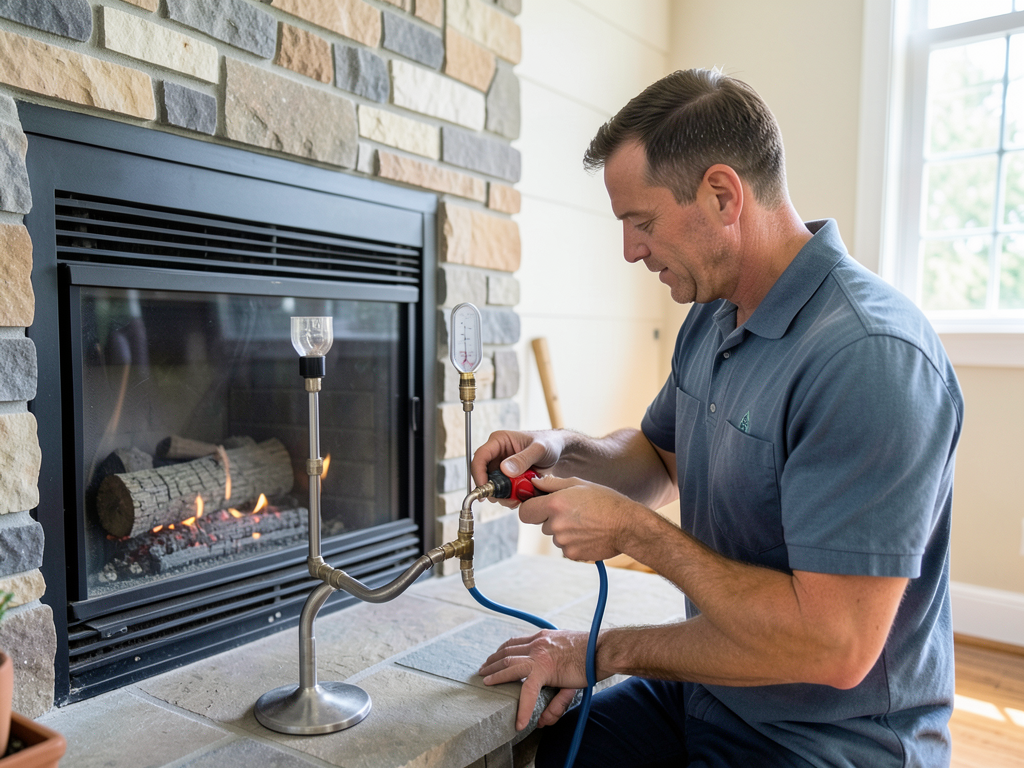
Upgrading to a Gas Fireplace (How the Gas Line Installation Works in Norwood)
Adding a gas fireplace to your Norwood home is a great way to boost comfort and efficiency. But before you pick out the perfect unit, there’s a critical step that many homeowners overlook: installing the gas line. This isn’t a DIY project. It requires licensed expertise, strict code compliance, and careful planning to ensure your family’s safety and your system’s performance. Norwood Building Department.
In this guide, we’ll walk you through the entire process of running a gas line to a fireplace in Norwood, MA. You’ll learn what the Massachusetts Fuel Gas Code requires, how to choose the right piping materials, and why hiring a licensed plumber is non-negotiable. Whether you’re converting from wood or installing a new gas insert, this article gives you the facts you need to make informed decisions. Massachusetts Fuel Gas Code (248 CMR).
Understanding Gas Line Installation for Fireplaces
A gas fireplace needs a dedicated supply line that delivers the right amount of fuel safely and efficiently. That means more than just running a pipe from point A to point B. The installation must account for BTU load, pipe sizing, pressure testing, and local building permits. In Norwood, all gas line work must comply with the Massachusetts Fuel Gas Code (248 CMR) and be inspected by the town’s building department. Heavy duty sump pump installation for flood-prone basements in Quincy.
Common mistakes include undersized piping, improper shut-off valve placement, and skipping the pressure test. These can lead to poor performance, gas leaks, or even dangerous backdrafts. That’s why it’s essential to work with a licensed Master Plumber who understands both the technical and legal requirements.
Norwood homes, especially those built before the 1980s, often have unique challenges. Older properties may have galvanized or lead pipes that need replacement. The soil in parts of Norfolk County can be rocky, making trenching more difficult. And because Norwood sits near the Neponset River, some neighborhoods have higher water tables that can affect underground installations. Water heater replacement and repair for South Boston condos.
If you’re planning to install a gas fireplace, start by scheduling a site evaluation. A licensed plumber will assess your home’s gas supply, measure the distance to the fireplace, and determine if your current meter can handle the additional load. This step is crucial for avoiding costly surprises later.
Types of Fireplace Gas Lines We Install
Not all gas fireplaces are created equal. The type you choose affects the kind of gas line you’ll need. Here are the three most common options:
Vented Gas Logs
Vented gas logs mimic the look of a wood fire and require a fully functional chimney. They draw combustion air from inside the home and vent it outside. These systems typically need a smaller gas line, but the pipe must still be sized correctly for the BTU rating.
Ventless Fireplaces
Ventless units are more efficient because they don’t lose heat up the chimney. However, they release combustion byproducts into the room, so they require precise gas flow control. These often need a slightly larger line to ensure consistent performance.
Gas Fireplace Inserts
Inserts fit into existing fireplaces and are sealed units with their own venting systems. They offer the best efficiency and are the most popular choice for upgrades. These require accurate BTU calculations and often need a dedicated gas line from the meter or manifold.. Read more about Tankless vs High Efficiency Tank Water Heaters for Large Families in Winchester.
Each type has different pressure and flow requirements. A licensed plumber will use a manometer to test the line after installation, ensuring it meets manufacturer specs and code requirements.
The Massachusetts Gas Permit and Inspection Process
In Norwood, any new gas line installation must be permitted through the Building Department. This process protects homeowners by ensuring all work meets safety standards. Here’s how it works:
- Submit Permit Application
Provide plans showing the gas line route, pipe sizing, and shut-off valve locations. The application must be signed by a licensed Master Plumber.
- Plan Review
The Building Department reviews your plans for compliance with 248 CMR. They may request revisions before approval.
- Installation
Work is performed by a licensed plumber. All materials must be approved for gas use and properly labeled.
- Pressure Testing
A manometer test is performed to verify the line holds pressure without leaks. This is required by code.
- Inspection
A town inspector checks the installation before the gas can be turned on. This step is mandatory.
Skipping any of these steps can result in fines, failed inspections, or unsafe conditions. Always ask your plumber for a copy of the permit and inspection report.
Material Matters: CSST vs. Black Iron Pipe
Choosing the right piping material is critical for safety and longevity. Here’s a comparison of the two most common options:
| Material | Pros | Cons | Best Use |
|---|---|---|---|
| CSST (Corrugated Stainless Steel Tubing) | Flexible, easy to install, resistant to seismic movement | Requires special bonding, can be damaged by lightning | New construction, retrofits with tight spaces |
| Black Iron Pipe | Strong, durable, widely accepted by code | Heavy, rigid, harder to install in existing walls | High-traffic areas, outdoor runs |
CSST is often used for indoor runs because it bends around obstacles without joints. However, it must be properly bonded to prevent electrical arcing. Black iron is the go-to for exterior runs or areas where physical damage is a concern.
Your plumber will help you choose based on your home’s layout, local soil conditions, and the fireplace’s BTU requirements. In Norwood, where some homes have older foundations, black iron may be the safer choice for long-term durability.
Why Hire a Licensed Boston Plumber for Gas Work?
Gas line installation is not a side job for a handyman. It’s a specialized trade that requires years of training, state licensing, and ongoing education. Here’s why you should only hire a licensed professional:
- Code Compliance
A licensed plumber knows the Massachusetts Fuel Gas Code inside and out. They ensure every detail meets 248 CMR standards.
- Safety Testing
Pressure testing with a manometer is required by law. This test detects even the smallest leaks before they become hazards.
- Permit Handling
Your plumber should manage the entire permit process, from application to final inspection.
- Liability Protection
Insurance and bonding protect you if something goes wrong during installation.
Unlicensed work can void your fireplace warranty, fail inspection, or worse, create a dangerous gas leak. Always verify your plumber’s license number and insurance before starting any gas work.
Frequently Asked Questions
How much does it cost to run a gas line to a fireplace?
Costs vary based on distance, pipe size, and local conditions. In Norwood, expect to pay between $800 and $2,500 for a professional installation. This includes permits, materials, and inspection.
How long does the installation take?
Most installations take one to two days. This includes running the line, pressure testing, and passing inspection. If trenching is required, it may take longer.
Can I convert my wood-burning fireplace to gas?
Yes. Many homeowners in Norwood are making the switch for convenience and efficiency. The process involves installing a gas line, a gas insert or logs, and ensuring proper venting. A licensed plumber and fireplace installer should work together on this project.
Do I need a permit for a gas fireplace installation?
Yes. Both the gas line and the fireplace unit require permits in Norwood. Your plumber should handle this as part of the project.
What if my home doesn’t have a gas meter?
If you’re switching from oil or electric, you’ll need to have a gas meter installed by your utility company. This is often coordinated by your plumber as part of the project.
Ready to Upgrade Your Norwood Home with a Gas Fireplace?
Adding a gas fireplace is a smart investment in comfort and home value. But the key to a safe, efficient installation is starting with the right gas line. In Norwood, that means working with a licensed plumber who understands local codes, soil conditions, and inspection requirements.
Don’t risk DIY or unlicensed work. Protect your home and family by hiring a professional who will handle everything from permits to pressure testing. Whether you’re in South Norwood, near the Winslow Elementary School, or off Route 1, we’re here to help.
Call (617) 749-9799 today to schedule your inspection and get a free estimate. Let’s make your fireplace dreams a safe and warm reality.
{
“@context”: “https://schema.org”,
“@type”: “BlogPosting”,
“headline”: “Upgrading to a Gas Fireplace (How the Gas Line Installation Works in Norwood)”,
“description”: “Learn how professional gas line installation works for fireplaces in Norwood. Discover MA code compliance, material options, and why licensed plumbers are essential for safe gas work.”,
“wordCount”: 1387,
“datePublished”: “2026-04-10T08:05:00.000Z”,
“dateModified”: “2026-04-10T08:05:00.000Z”,
“inLanguage”: “en-US”,
“mainEntityOfPage”: {
“@type”: “WebPage”,
“@id”: “https://heritageplumbingboston.com”
},
“publisher”: {
“@type”: “LocalBusiness”,
“name”: “Heritage Plumbing Boston”,
“url”: “https://heritageplumbingboston.com”
},
“author”: {
“@type”: “Organization”,
“name”: “Heritage Plumbing Boston”,
“url”: “https://heritageplumbingboston.com”
},
“image”: {
“@type”: “ImageObject”,
“url”: “https://heritageplumbingboston.com/wp-content/uploads/2026/03/upgrading-to-a-gas-fireplace-how-the-gas-line-inst-1.png”
}
}
{
“@context”: “https://schema.org”,
“@type”: “Plumber”,
“name”: “Heritage Plumbing Boston”,
“url”: “https://heritageplumbingboston.com”,
“address”: {
“@type”: “PostalAddress”,
“addressLocality”: “Boston”
},
“areaServed”: {
“@type”: “City”,
“name”: “Boston”
}
}
{
“@context”: “https://schema.org”,
“@type”: “FAQPage”,
“mainEntity”: [
{
“@type”: “Question”,
“name”: “Why Hire a Licensed Boston Plumber for Gas Work?”,
“acceptedAnswer”: {
“@type”: “Answer”,
“text”: “Gas line installation is not a side job for a handyman. It’s a specialized trade that requires years of training, state licensing, and ongoing education. Here’s why you should only hire a licensed professional:”
}
},
{
“@type”: “Question”,
“name”: “How much does it cost to run a gas line to a fireplace?”,
“acceptedAnswer”: {
“@type”: “Answer”,
“text”: “Costs vary based on distance, pipe size, and local conditions. In Norwood, expect to pay between $800 and $2,500 for a professional installation. This includes permits, materials, and inspection.”
}
},
{
“@type”: “Question”,
“name”: “How long does the installation take?”,
“acceptedAnswer”: {
“@type”: “Answer”,
“text”: “Most installations take one to two days. This includes running the line, pressure testing, and passing inspection. If trenching is required, it may take longer.”
}
},
{
“@type”: “Question”,
“name”: “Can I convert my wood-burning fireplace to gas?”,
“acceptedAnswer”: {
“@type”: “Answer”,
“text”: “Yes. Many homeowners in Norwood are making the switch for convenience and efficiency. The process involves installing a gas line, a gas insert or logs, and ensuring proper venting. A licensed plumber and fireplace installer should work together on this project.”
}
},
{
“@type”: “Question”,
“name”: “Do I need a permit for a gas fireplace installation?”,
“acceptedAnswer”: {
“@type”: “Answer”,
“text”: “Yes. Both the gas line and the fireplace unit require permits in Norwood. Your plumber should handle this as part of the project.”
}
},
{
“@type”: “Question”,
“name”: “What if my home doesn’t have a gas meter?”,
“acceptedAnswer”: {
“@type”: “Answer”,
“text”: “If you’re switching from oil or electric, you’ll need to have a gas meter installed by your utility company. This is often coordinated by your plumber as part of the project.”
}
},
{
“@type”: “Question”,
“name”: “Ready to Upgrade Your Norwood Home with a Gas Fireplace?”,
“acceptedAnswer”: {
“@type”: “Answer”,
“text”: “Adding a gas fireplace is a smart investment in comfort and home value. But the key to a safe, efficient installation is starting with the right gas line. In Norwood, that means working with a licensed plumber who understands local codes, soil conditions, and inspection requirements.”
}
}
]
}
{
“@context”: “https://schema.org”,
“@type”: “HowTo”,
“name”: “Massachusetts Gas Permit Process”,
“step”: [
{
“@type”: “HowToStep”,
“position”: 1,
“name”: “Submit Permit Application”,
“text”: “Provide plans showing the gas line route, pipe sizing, and shut-off valve locations. The application must be signed by a licensed Master Plumber.”
},
{
“@type”: “HowToStep”,
“position”: 2,
“name”: “Plan Review”,
“text”: “The Building Department reviews your plans for compliance with 248 CMR. They may request revisions before approval.”
},
{
“@type”: “HowToStep”,
“position”: 3,
“name”: “Installation”,
“text”: “Work is performed by a licensed plumber. All materials must be approved for gas use and properly labeled.”
},
{
“@type”: “HowToStep”,
“position”: 4,
“name”: “Pressure Testing”,
“text”: “A manometer test is performed to verify the line holds pressure without leaks. This is required by code.”
},
{
“@type”: “HowToStep”,
“position”: 5,
“name”: “Inspection”,
“text”: “A town inspector checks the installation before the gas can be turned on. This step is mandatory.”
}
],
“image”: “https://heritageplumbingboston.com/wp-content/uploads/2026/03/upgrading-to-a-gas-fireplace-how-the-gas-line-inst-1.png”
}
{
“@context”: “https://schema.org”,
“@type”: “BreadcrumbList”,
“itemListElement”: [
{
“@type”: “ListItem”,
“position”: 1,
“name”: “Home”,
“item”: “https://heritageplumbingboston.com”
},
{
“@type”: “ListItem”,
“position”: 2,
“name”: “Blog”,
“item”: “https://heritageplumbingboston.com/blog”
},
{
“@type”: “ListItem”,
“position”: 3,
“name”: “Upgrading to a Gas Fireplace (How the Gas Line Installation Works in Norwood)”
}
]
}
{
“@context”: “https://schema.org”,
“@type”: “Service”,
“serviceType”: “Plumbing”,
“provider”: {
“@type”: “LocalBusiness”,
“name”: “Heritage Plumbing Boston”,
“url”: “https://heritageplumbingboston.com”
},
“areaServed”: {
“@type”: “City”,
“name”: “Boston”
},
“description”: “Learn how professional gas line installation works for fireplaces in Norwood. Discover MA code compliance, material options, and why licensed plumbers are essential for safe gas work.”
}