
The Real Cost of Switching from Well Water to City Water in Dover
Dover homeowners on private wells face a critical decision when their pump fails or water quality declines. Connecting to Aquarion’s municipal water system offers reliability but requires navigating town permits excavation and specific Massachusetts plumbing code requirements. This guide breaks down the complete process from initial application to final hookup with transparent cost factors unique to Dover’s terrain and regulations. Massachusetts State Plumbing Code.
Understanding Dover’s Water Connection Requirements
Dover’s transition from private wells to municipal water involves strict compliance with both the Massachusetts State Plumbing Code and local Board of Health regulations. The town requires a licensed Massachusetts plumber to handle the entire service line installation from the main to your meter pit. This includes proper trenching depths pipe material specifications and mandatory backflow prevention devices that protect the public water supply from contamination. Dover Board of Health.
The Aquarion water main typically runs along public roads with service lines extending to individual properties. Dover’s older neighborhoods often feature mature trees and established landscaping that create unique challenges during excavation. The town’s Board of Health also mandates proper well decommissioning if you choose to abandon your existing well preventing cross-contamination between the two water sources. Aquarion Water Company.
Dover’s permitting process requires submitting detailed site plans showing the proposed service line route meter pit location and any required backflow preventer placement. The town reviews these plans for compliance with local ordinances before issuing the necessary permits. This process typically takes 2-3 weeks depending on seasonal workload and plan complexity.
Step-by-Step Connection Process for Dover Homes
The water connection process follows a specific sequence that protects both your property and the public water system. Here’s what to expect when transitioning from well to city water in Dover. Water heater replacement and repair for South Boston condos.
- Initial Site Assessment
A licensed plumber evaluates your property’s proximity to the water main soil conditions and existing well setup. This assessment determines the most efficient service line route and identifies potential obstacles like rock ledges common in Dover’s terrain.. Read more about Why Your Tankless Water Heater in Weston Needs a Professional Flush.
- Permit Application
The plumber files applications with the Dover Board of Health for well decommissioning (if applicable) and with the town’s Engineering Department for the water service permit. These applications include detailed excavation plans and backflow preventer specifications.
- Utility Markout
Before any digging begins utility companies mark underground lines including gas electric and communication cables. This critical safety step prevents damage to existing infrastructure during excavation.
- Excavation and Installation
Technicians excavate a trench following Massachusetts code requirements for depth and bedding. Type K copper pipe or approved HDPE tubing connects from the main to your property with proper support and backfill procedures.
- Meter Pit Installation
A concrete meter pit gets installed at the property line providing access for Aquarion to install and read your water meter. This pit must meet specific size and depth requirements per town specifications.
- Backflow Preventer Setup
A reduced pressure principle backflow preventer gets installed per Massachusetts 248 CMR requirements protecting the public water supply from potential contamination from your plumbing system. Reliable 24 hour plumbing repair in the Back Bay.
- Final Inspection and Connection
The town conducts a final inspection verifying all work meets code requirements. Once approved Aquarion activates service and installs the meter completing your transition to municipal water.
The entire process from initial assessment to final connection typically spans 4-6 weeks though weather delays and permit backlogs can extend timelines. Dover’s rocky soil conditions often require specialized excavation equipment and can increase labor costs compared to areas with softer soil.
Cost Factors Specific to Dover Properties
Water service line installation costs vary significantly based on several Dover-specific factors. The distance from your home to the water main represents the largest variable cost with longer runs requiring more materials and labor. Dover’s average lot sizes mean many properties require 100-200 feet of service line though some rural properties need 300+ feet. Heavy duty sump pump installation for flood-prone basements in Quincy.
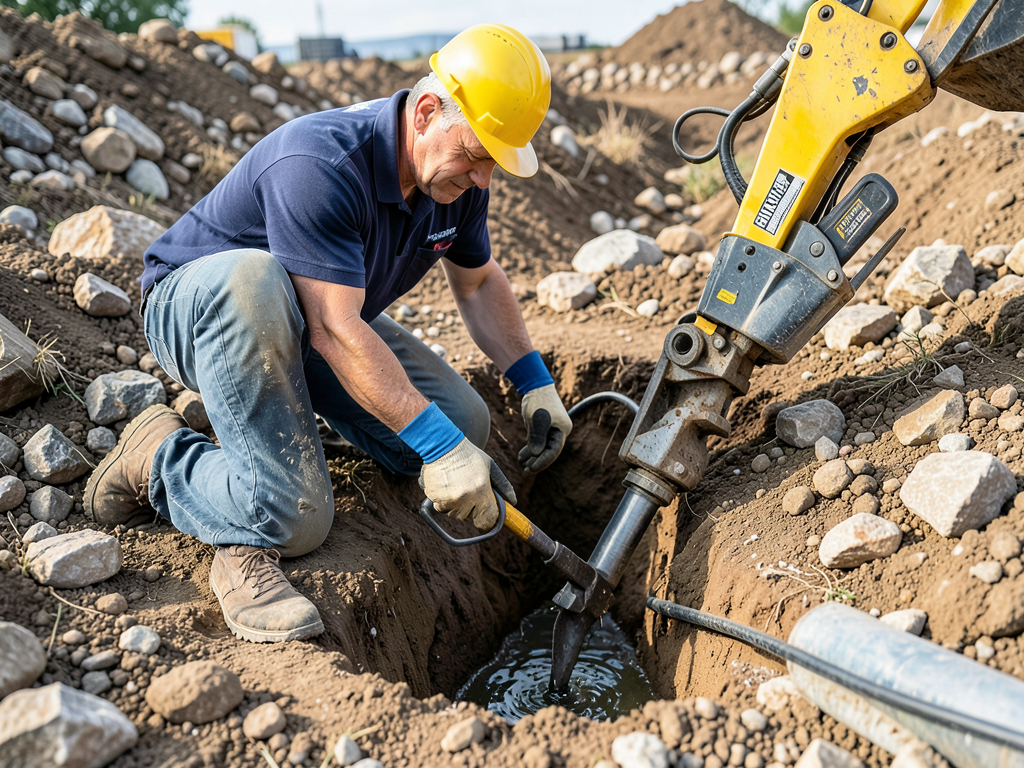
Soil composition dramatically affects excavation costs in Dover. The town’s mix of glacial till and bedrock requires specialized equipment like rock hammers or hydraulic excavators for many properties. Properties near the Charles River or Noanet Woodlands often encounter higher water tables requiring additional drainage considerations during trenching. Storm Drain Cleaning & Repair.
Landscaping restoration represents a significant post-installation cost. Dover’s mature tree canopy and established gardens mean careful excavation techniques and substantial restoration work. Many homeowners budget 15-20% of the total project cost for landscaping repairs including sod replacement shrub replanting and driveway patching.
Well decommissioning adds $1500-3000 to the project if you choose to abandon your existing well. Massachusetts regulations require proper sealing with bentonite grout and documentation to the Board of Health. Some homeowners opt to keep wells for irrigation which requires separate plumbing and backflow prevention measures.
Permitting fees in Dover typically range from $300-600 depending on project scope. The town charges additional fees for inspections and plan reviews. Backflow preventer installation costs $800-1200 for the device and professional installation with annual testing required by Massachusetts law.
Water Quality Comparison: Well vs. City Water in Dover
Dover’s private wells often produce water with high iron content hardness levels exceeding 15 grains per gallon and pH values below 6.5. These characteristics cause staining on fixtures scale buildup in appliances and potential pipe corrosion. The town’s municipal water from Aquarion undergoes treatment to maintain pH between 7.2-7.8 and includes corrosion inhibitors.
City water provides consistent pressure throughout Dover typically maintaining 50-70 PSI at the meter. Well systems often experience pressure fluctuations based on pump cycles and storage tank levels. Municipal water also eliminates the need for well pump maintenance pressure switch replacements and storage tank monitoring that private well owners face.
Dover’s water hardness varies by neighborhood with areas near the Charles River often experiencing higher mineral content. City water treatment reduces these hardness levels though some homeowners still opt for additional water softening systems. The treated municipal supply also eliminates common well issues like sulfur odors sediment and bacterial contamination concerns.
Water testing requirements differ significantly between the two systems. Private wells require annual testing for bacteria nitrates and other contaminants. Municipal water receives regular testing by Aquarion with results available to consumers. Dover residents switching to city water should still test their home’s plumbing for lead if their home predates 1986.
Timeline Expectations for Dover Residents
Understanding the realistic timeline helps Dover homeowners plan their water transition effectively. The process involves multiple stakeholders and depends on seasonal factors that affect both permitting and construction schedules.
Initial consultation and site assessment typically require 1-2 weeks for scheduling and completion. During peak seasons (spring through fall) plumbers may have 2-4 week lead times before starting work. Permit applications take 2-3 weeks for review and approval though complex projects may require additional revisions.
Excavation and installation work usually completes within 3-5 days for typical residential properties. Rock excavation or difficult soil conditions can extend this to 7-10 days. Meter pit installation and backflow preventer setup add 1-2 days to the schedule.
Final inspections and meter activation require coordinating with both the town inspector and Aquarion representatives. This coordination typically takes 1-2 weeks depending on their availability and seasonal workloads. Winter installations may face additional delays due to frozen ground conditions.
The complete transition from well to city water generally requires 4-6 weeks from start to finish. Homeowners should plan for temporary water service interruptions during the final connection phase typically lasting 4-8 hours. Some choose to complete the transition during planned absences to minimize disruption.
Common Questions from Dover Homeowners
Dover residents considering the switch often have similar concerns about the process costs and long-term implications. Here are answers to the most frequently asked questions about connecting to town water.
Will connecting to city water damage my driveway or landscaping?
Professional plumbers use trenching techniques that minimize surface damage. For driveways they may use directional boring or tunnel under the surface to avoid cutting through concrete. Landscaping damage gets minimized through careful excavation and comprehensive restoration plans included in most project proposals.
How long will my water be shut off during the final connection?
The actual water shutoff typically lasts 4-8 hours on connection day. Plumbers coordinate this with homeowners to minimize disruption often scheduling work during daytime hours when water usage is lowest. Some homeowners choose to complete the transition during planned vacations.
Do I need to decommission my well if I switch to city water?
Massachusetts regulations require well decommissioning to prevent cross-contamination but enforcement varies by town. Dover’s Board of Health strongly recommends decommissioning abandoned wells. Some homeowners keep wells for irrigation with separate plumbing systems though this requires additional backflow prevention measures.
What happens if we hit rock during excavation?
Dover’s rocky terrain means encountering ledge is common. Professional excavators carry rock hammers and other specialized equipment to handle these conditions. While this can increase costs by $1000-3000 experienced contractors include contingency pricing in their proposals for rock excavation.
Can I keep my well as a backup water source?
Massachusetts plumbing code prohibits connecting private wells to municipal water systems without proper isolation. You can maintain a well for irrigation or other non-potable uses with separate plumbing but it must be completely isolated from your drinking water system with appropriate backflow prevention.
How does the connection affect my property value?
City water connection typically increases property values in Dover by $5000-15000 according to Norfolk County real estate data. Buyers often view municipal water as a premium feature especially in areas where well maintenance has been problematic. The improvement also eliminates buyer concerns about well testing and potential replacement costs.
Making Your Decision: Well vs. City Water in Dover
The choice between maintaining a private well or connecting to Aquarion’s municipal system depends on several factors unique to your Dover property and circumstances. Consider your current water quality issues the age and condition of your existing well equipment and your long-term plans for the property.
Properties with water quality problems like high iron content low pH or bacterial contamination often benefit most from switching to city water. The consistent quality and pressure of municipal supply eliminates ongoing treatment costs and maintenance headaches. However properties with excellent well water and newer equipment may find the connection cost difficult to justify.
Consider the long-term cost comparison between well maintenance and city water connection. Annual well pump replacements cost $1200-2500 pressure tank replacements run $800-1500 and ongoing electricity costs for the pump add up over time. City water involves monthly bills but eliminates these maintenance expenses and equipment replacement costs.
Environmental factors also influence the decision. Dover’s high water table in some areas means well pumps run frequently increasing electricity usage. Municipal water systems often incorporate more efficient pumping and treatment processes. However some homeowners prefer the independence and emergency supply that private wells provide during power outages. Gas leak detection and emergency repair for Jamaica Plain residents.
The best way to make this decision is through a professional assessment of your current well system and property characteristics. A licensed Massachusetts plumber can evaluate your specific situation and provide accurate cost estimates for both maintaining your well and connecting to city water helping you make an informed choice for your Dover home.
Ready to Connect to Dover’s Municipal Water?
Connecting to Aquarion’s water system represents a significant investment in your Dover property’s infrastructure and water quality. The process requires navigating specific town regulations handling proper excavation techniques for Dover’s terrain and ensuring compliance with Massachusetts plumbing code requirements.
Heritage Plumbing brings 15+ years of local experience serving Dover and surrounding Norfolk County communities. Our team understands the unique challenges of working with Dover’s soil conditions tree canopy and municipal requirements. We handle everything from initial permitting through final connection providing transparent pricing and comprehensive project management.
Call (617) 749-9799 today to schedule your free site assessment and receive a detailed proposal for connecting your Dover home to municipal water. Our experienced technicians will evaluate your property explain the complete process and answer all your questions about making the switch from well to city water.
Don’t wait until your well pump fails or water quality issues become urgent. Contact Heritage Plumbing now to explore your options for reliable high-quality municipal water service in Dover.
Heritage Plumbing has served Dover homeowners for over 15 years. Our team knows the local terrain and municipal requirements. We handle everything from permits to final hookup. Call (617) 749-9799 now for your free site assessment and take the first step toward reliable municipal water service.
You may also find this helpful. How to Get Rid of the Rotten Egg Smell in Your Stoneham Bathroom.
{
“@context”: “https://schema.org”,
“@type”: “BlogPosting”,
“headline”: “The Real Cost of Switching from Well Water to City Water in Dover”,
“description”: “Complete guide to connecting Dover homes to Aquarion municipal water including permits, costs, timeline, and local regulations. Free site assessment available.”,
“wordCount”: 2104,
“datePublished”: “2026-04-05T08:22:00.000Z”,
“dateModified”: “2026-04-05T08:22:00.000Z”,
“inLanguage”: “en-US”,
“mainEntityOfPage”: {
“@type”: “WebPage”,
“@id”: “https://heritageplumbingboston.com”
},
“publisher”: {
“@type”: “LocalBusiness”,
“name”: “Heritage Plumbing Boston”,
“url”: “https://heritageplumbingboston.com”
},
“author”: {
“@type”: “Organization”,
“name”: “Heritage Plumbing Boston”,
“url”: “https://heritageplumbingboston.com”
},
“image”: {
“@type”: “ImageObject”,
“url”: “https://heritageplumbingboston.com/wp-content/uploads/2026/03/the-real-cost-of-switching-from-well-water-to-city-1.png”
}
}
{
“@context”: “https://schema.org”,
“@type”: “Plumber”,
“name”: “Heritage Plumbing Boston”,
“url”: “https://heritageplumbingboston.com”,
“address”: {
“@type”: “PostalAddress”,
“addressLocality”: “Boston”
},
“areaServed”: {
“@type”: “City”,
“name”: “Boston”
}
}
{
“@context”: “https://schema.org”,
“@type”: “FAQPage”,
“mainEntity”: [
{
“@type”: “Question”,
“name”: “Will connecting to city water damage my driveway or landscaping?”,
“acceptedAnswer”: {
“@type”: “Answer”,
“text”: “Professional plumbers use trenching techniques that minimize surface damage. For driveways they may use directional boring or tunnel under the surface to avoid cutting through concrete. Landscaping damage gets minimized through careful excavation and comprehensive restoration plans included in most project proposals.”
}
},
{
“@type”: “Question”,
“name”: “How long will my water be shut off during the final connection?”,
“acceptedAnswer”: {
“@type”: “Answer”,
“text”: “The actual water shutoff typically lasts 4-8 hours on connection day. Plumbers coordinate this with homeowners to minimize disruption often scheduling work during daytime hours when water usage is lowest. Some homeowners choose to complete the transition during planned vacations.”
}
},
{
“@type”: “Question”,
“name”: “Do I need to decommission my well if I switch to city water?”,
“acceptedAnswer”: {
“@type”: “Answer”,
“text”: “Massachusetts regulations require well decommissioning to prevent cross-contamination but enforcement varies by town. Dover’s Board of Health strongly recommends decommissioning abandoned wells. Some homeowners keep wells for irrigation with separate plumbing systems though this requires additional backflow prevention measures.”
}
},
{
“@type”: “Question”,
“name”: “What happens if we hit rock during excavation?”,
“acceptedAnswer”: {
“@type”: “Answer”,
“text”: “Dover’s rocky terrain means encountering ledge is common. Professional excavators carry rock hammers and other specialized equipment to handle these conditions. While this can increase costs by $1000-3000 experienced contractors include contingency pricing in their proposals for rock excavation.”
}
},
{
“@type”: “Question”,
“name”: “Can I keep my well as a backup water source?”,
“acceptedAnswer”: {
“@type”: “Answer”,
“text”: “Massachusetts plumbing code prohibits connecting private wells to municipal water systems without proper isolation. You can maintain a well for irrigation or other non-potable uses with separate plumbing but it must be completely isolated from your drinking water system with appropriate backflow prevention.”
}
},
{
“@type”: “Question”,
“name”: “How does the connection affect my property value?”,
“acceptedAnswer”: {
“@type”: “Answer”,
“text”: “City water connection typically increases property values in Dover by $5000-15000 according to Norfolk County real estate data. Buyers often view municipal water as a premium feature especially in areas where well maintenance has been problematic. The improvement also eliminates buyer concerns about well testing and potential replacement costs.”
}
},
{
“@type”: “Question”,
“name”: “Ready to Connect to Dover’s Municipal Water?”,
“acceptedAnswer”: {
“@type”: “Answer”,
“text”: “Connecting to Aquarion’s water system represents a significant investment in your Dover property’s infrastructure and water quality. The process requires navigating specific town regulations handling proper excavation techniques for Dover’s terrain and ensuring compliance with Massachusetts plumbing code requirements.”
}
}
]
}
{
“@context”: “https://schema.org”,
“@type”: “HowTo”,
“name”: “Dover Water Connection Process”,
“step”: [
{
“@type”: “HowToStep”,
“position”: 1,
“name”: “Initial Site Assessment”,
“text”: “A licensed plumber evaluates your property’s proximity to the water main soil conditions and existing well setup. This assessment determines the most efficient service line route and identifies potential obstacles like rock ledges common in Dover’s terrain.”
},
{
“@type”: “HowToStep”,
“position”: 2,
“name”: “Permit Application”,
“text”: “The plumber files applications with the Dover Board of Health for well decommissioning (if applicable) and with the town’s Engineering Department for the water service permit. These applications include detailed excavation plans and backflow preventer specifications.”
},
{
“@type”: “HowToStep”,
“position”: 3,
“name”: “Utility Markout”,
“text”: “Before any digging begins utility companies mark underground lines including gas electric and communication cables. This critical safety step prevents damage to existing infrastructure during excavation.”
},
{
“@type”: “HowToStep”,
“position”: 4,
“name”: “Excavation and Installation”,
“text”: “Technicians excavate a trench following Massachusetts code requirements for depth and bedding. Type K copper pipe or approved HDPE tubing connects from the main to your property with proper support and backfill procedures.”
},
{
“@type”: “HowToStep”,
“position”: 5,
“name”: “Meter Pit Installation”,
“text”: “A concrete meter pit gets installed at the property line providing access for Aquarion to install and read your water meter. This pit must meet specific size and depth requirements per town specifications.”
},
{
“@type”: “HowToStep”,
“position”: 6,
“name”: “Backflow Preventer Setup”,
“text”: “A reduced pressure principle backflow preventer gets installed per Massachusetts 248 CMR requirements protecting the public water supply from potential contamination from your plumbing system. Reliable 24 hour plumbing repair in the Back Bay.”
},
{
“@type”: “HowToStep”,
“position”: 7,
“name”: “Final Inspection and Connection”,
“text”: “The town conducts a final inspection verifying all work meets code requirements. Once approved Aquarion activates service and installs the meter completing your transition to municipal water.”
}
],
“image”: “https://heritageplumbingboston.com/wp-content/uploads/2026/03/the-real-cost-of-switching-from-well-water-to-city-1.png”
}
{
“@context”: “https://schema.org”,
“@type”: “BreadcrumbList”,
“itemListElement”: [
{
“@type”: “ListItem”,
“position”: 1,
“name”: “Home”,
“item”: “https://heritageplumbingboston.com”
},
{
“@type”: “ListItem”,
“position”: 2,
“name”: “Blog”,
“item”: “https://heritageplumbingboston.com/blog”
},
{
“@type”: “ListItem”,
“position”: 3,
“name”: “The Real Cost of Switching from Well Water to City Water in Dover”
}
]
}
{
“@context”: “https://schema.org”,
“@type”: “Service”,
“serviceType”: “Plumbing”,
“provider”: {
“@type”: “LocalBusiness”,
“name”: “Heritage Plumbing Boston”,
“url”: “https://heritageplumbingboston.com”
},
“areaServed”: {
“@type”: “City”,
“name”: “Boston”
},
“description”: “Complete guide to connecting Dover homes to Aquarion municipal water including permits, costs, timeline, and local regulations. Free site assessment available.”
}