
Preventing Frozen Pipes in Exposed Fort Point Lofts This Winter
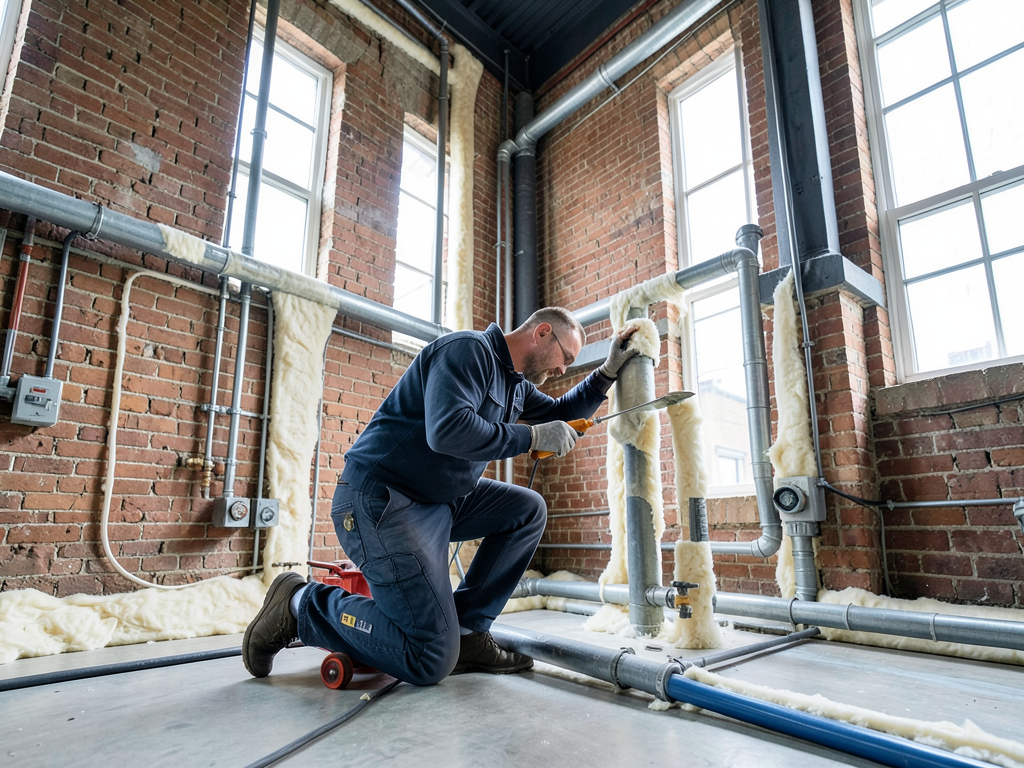
Fort Point’s iconic industrial lofts with their soaring ceilings and massive windows create stunning living spaces but also unique plumbing challenges during Boston’s brutal winters. The exposed pipes running along brick walls and high ceilings in these converted warehouses face constant temperature fluctuations that can lead to frozen pipes and costly water damage. Here’s what every Fort Point loft owner needs to know to protect their investment this winter. Reliable 24 hour plumbing repair in the Back Bay.
Why Fort Point Lofts Face Higher Pipe Freezing Risks
The architectural features that make Fort Point lofts desirable also make them vulnerable to frozen pipes. Large factory-style windows, even when modern and efficient, create more exterior wall surface than traditional apartments. The high ceilings mean longer pipe runs exposed to colder temperatures near the roof. Many buildings retain their original industrial plumbing layouts with pipes running along exterior walls or through unheated mechanical spaces. Plumbing Quincy.
Fort Point’s proximity to Boston Harbor adds another layer of risk. The coastal location means more frequent freeze-thaw cycles as temperatures hover near the freezing point. When salt air meets moisture on exposed pipes, it accelerates corrosion and creates weak points where freezing is more likely to occur.
Massachusetts State Plumbing Code 248 CMR 10.00 requires proper pipe insulation in unconditioned spaces, but many older conversions predate these requirements. If your loft was converted before the early 2000s, your pipes may lack adequate protection.
Critical Areas to Inspect Before Winter Hits
Start your winterization inspection in the mechanical room if your building has one. Look for exposed pipes running along exterior walls or through unheated spaces. Pay special attention to areas near large windows or sliding glass doors where cold air infiltration is highest.
Check your bathroom and kitchen plumbing next. In many Fort Point lofts, these fixtures sit against exterior brick walls. Feel the pipes when it’s cold outside – if they’re significantly colder than interior pipes, they need immediate attention.
Don’t forget about your water heater and any secondary water lines. Tankless water heaters mounted on exterior walls are particularly vulnerable. The pipes feeding these units can freeze even when the unit itself is working fine. Water heater replacement and repair for South Boston condos.
Professional Winterization Services for Fort Point Properties
While DIY prevention helps, Fort Point lofts often require professional assessment due to their complex layouts. A licensed Boston plumber can identify hidden vulnerabilities that aren’t obvious to the untrained eye.
Professional winterization typically includes thermal imaging to detect cold spots in walls where pipes run, pressure testing to find existing weaknesses, and installation of heat tape on critical runs. Many Fort Point buildings benefit from whole-system winterization that addresses both individual units and common areas. Heavy duty sump pump installation for flood-prone basements in Quincy.
Call (617) 749-9799 today to schedule your Fort Point loft winterization inspection before the first deep freeze hits.
DIY Prevention Strategies for Exposed Pipes
Start with the basics: identify all exposed pipe runs in your loft. This includes pipes in closets, behind kitchen cabinets, and in any utility areas. Use foam pipe insulation sleeves available at local Boston hardware stores like Home Depot on Summer Street or Lowe’s in the Seaport.
For pipes running along exterior walls, use the thickest insulation available – typically 3/4-inch wall thickness foam. Secure it with weatherproof tape and check for any gaps where cold air might penetrate.
Consider installing smart water sensors near vulnerable pipes. These devices can alert you to freezing temperatures or moisture before major damage occurs. Many Fort Point residents use them near their main water line entry point and in bathrooms with exterior walls.
Temperature Management for Loft Living
Fort Point lofts often have open floor plans that make consistent heating challenging. Cold spots develop near large windows and in areas far from heating vents. Maintain your thermostat at no lower than 55°F even when you’re away – this protects pipes throughout your unit and in shared walls.
If you have high ceilings, consider using ceiling fans on low speed to circulate warm air downward. Many Fort Point residents don’t realize that heat rises and leaves the lower levels where pipes are located vulnerable to freezing.
During extreme cold snaps, open cabinet doors under sinks to allow warm air to circulate around pipes. This simple step can prevent frozen pipes in kitchen and bathroom areas.
The Drip Method: When and How to Use It
During severe cold weather, allowing a small trickle of water to flow through vulnerable pipes can prevent freezing. The moving water generates enough friction to stay liquid even in subfreezing temperatures.
Choose the farthest faucet from your main water line – this keeps water moving through the entire system. A drip about the width of a pencil lead is sufficient. This typically costs less than $5 per day in water usage compared to thousands in potential damage.
Set a reminder to turn off the drip when temperatures rise above freezing. Many Fort Point residents use smart home systems to automate this process based on local weather data from the National Weather Service Boston office.
Emergency Response: What to Do If Pipes Freeze
Know the location of your main water shut-off valve before an emergency occurs. In most Fort Point lofts, this is either in a utility closet or near the front door. Test it annually to ensure it operates smoothly. Gas leak detection and emergency repair for Jamaica Plain residents.
If you discover frozen pipes, act quickly but carefully. Turn off the main water supply immediately to prevent flooding if the pipe bursts. Never use an open flame or propane torch to thaw pipes – this causes more damage than the freeze itself.
Use a hair dryer on low heat, starting from the faucet end and working backward. Apply heat slowly and evenly. If you can’t locate the frozen section or the pipe doesn’t thaw within 30 minutes, call a professional immediately.
Heritage Plumbing offers 24/7 emergency service for Fort Point residents. Call (617) 749-9799 for immediate assistance with frozen pipes.
Long-Term Solutions for Fort Point Lofts
Consider upgrading to PEX piping if your loft still has older copper or galvanized pipes. PEX is more resistant to freezing and can expand slightly without bursting. While this requires opening walls, it’s often more cost-effective than repeated emergency repairs.
Install programmable thermostats with remote access so you can monitor and adjust temperatures even when traveling. Many Fort Point residents leave for warmer climates during Boston’s coldest months and need this capability.
Work with your condo association to address building-wide vulnerabilities. Shared plumbing runs through multiple units, so a problem in one loft can affect neighbors. Building-wide winterization often qualifies for bulk pricing and ensures comprehensive protection.
Insurance Considerations for Frozen Pipe Damage
Review your homeowner’s insurance policy to understand what’s covered for frozen pipe damage. Many policies exclude damage from lack of maintenance or if you were away and didn’t maintain minimum temperatures.
Document your prevention efforts with photos and receipts. Insurance companies often deny claims for properties that show no evidence of winterization efforts. Keep records of professional inspections and any upgrades you make.
Consider adding water damage riders to your policy if you live in a particularly vulnerable unit. The small additional premium can save thousands if a major freeze occurs.
Fort Point Winterization Checklist
- Inspect all exposed pipe runs for insulation gaps
- Test your main water shut-off valve
- Install foam pipe insulation on vulnerable runs
- Set thermostat minimum to 55°F
- Install smart water sensors near high-risk areas
- Locate and test emergency shut-off procedures
- Schedule professional winterization if needed
Local Resources for Fort Point Residents
Several Boston-area hardware stores specialize in products for historic and converted buildings. The South Boston Hardware location on West Broadway carries pipe insulation specifically sized for older building dimensions common in Fort Point.
For professional assistance, Boston Water and Sewer Commission provides emergency services for main line issues, while private plumbers handle interior plumbing problems. Know the difference – main line issues affect multiple buildings and require municipal response.
The Boston Inspectional Services Department maintains records of building conversions and can tell you if your loft has any outstanding plumbing code violations that might affect winterization efforts.
Don’t Wait Until It’s Too Late
Fort Point’s unique industrial character makes it one of Boston’s most desirable neighborhoods, but that same character creates specific winter plumbing challenges. The combination of exposed pipes, high ceilings, and coastal location means your loft faces risks that standard apartments don’t.
Professional assessment can identify vulnerabilities you might miss and provide solutions tailored to your specific building layout. Whether you need emergency service or preventative winterization, local expertise matters when dealing with Boston’s unique climate challenges.
Heritage Plumbing has served Fort Point and the greater Boston area for years, understanding the specific needs of converted industrial spaces. Our technicians know exactly where to look for problems and how to fix them efficiently.
Call (617) 749-9799 now to protect your Fort Point loft from frozen pipe disasters this winter. Don’t wait until the first cold snap – schedule your inspection today and enjoy peace of mind all season long.
Frequently Asked Questions
At what temperature do pipes typically freeze in Boston?
Pipes begin to freeze when temperatures drop below 20°F for several hours, though wind chill and lack of insulation can cause freezing at higher temperatures. Boston’s coastal location often means more freeze-thaw cycles that stress pipes even when temperatures stay above 32°F.
How much does professional pipe winterization cost for a Fort Point loft?
Professional winterization typically costs between $300-$800 depending on your loft’s size and complexity. This includes inspection, insulation upgrades, and installation of heat tape where needed. Emergency service for frozen pipes starts around $250 plus repair costs.
Can I claim frozen pipe damage on my insurance?
Most homeowner’s policies cover sudden pipe bursts, but may deny claims if you didn’t maintain minimum temperatures or perform basic maintenance. Document your prevention efforts and keep receipts for any winterization work to support potential claims.
{
“@context”: “https://schema.org”,
“@type”: “BlogPosting”,
“headline”: “Preventing Frozen Pipes in Exposed Fort Point Lofts This Winter”,
“description”: “Protect your Fort Point loft from frozen pipe disasters this winter with expert Boston plumbing advice. Learn prevention strategies for exposed industrial pipes.”,
“wordCount”: 1688,
“datePublished”: “2026-04-19T13:33:00.000Z”,
“dateModified”: “2026-04-19T13:33:00.000Z”,
“inLanguage”: “en-US”,
“mainEntityOfPage”: {
“@type”: “WebPage”,
“@id”: “https://heritageplumbingboston.com”
},
“publisher”: {
“@type”: “LocalBusiness”,
“name”: “Heritage Plumbing Boston”,
“url”: “https://heritageplumbingboston.com”
},
“author”: {
“@type”: “Organization”,
“name”: “Heritage Plumbing Boston”,
“url”: “https://heritageplumbingboston.com”
},
“image”: {
“@type”: “ImageObject”,
“url”: “https://heritageplumbingboston.com/wp-content/uploads/2026/03/preventing-frozen-pipes-in-exposed-fort-point-loft-1.png”
}
}
{
“@context”: “https://schema.org”,
“@type”: “Plumber”,
“name”: “Heritage Plumbing Boston”,
“url”: “https://heritageplumbingboston.com”,
“address”: {
“@type”: “PostalAddress”,
“addressLocality”: “Boston”
},
“areaServed”: {
“@type”: “City”,
“name”: “Boston”
}
}
{
“@context”: “https://schema.org”,
“@type”: “FAQPage”,
“mainEntity”: [
{
“@type”: “Question”,
“name”: “At what temperature do pipes typically freeze in Boston?”,
“acceptedAnswer”: {
“@type”: “Answer”,
“text”: “Pipes begin to freeze when temperatures drop below 20°F for several hours, though wind chill and lack of insulation can cause freezing at higher temperatures. Boston’s coastal location often means more freeze-thaw cycles that stress pipes even when temperatures stay above 32°F.”
}
},
{
“@type”: “Question”,
“name”: “How much does professional pipe winterization cost for a Fort Point loft?”,
“acceptedAnswer”: {
“@type”: “Answer”,
“text”: “Professional winterization typically costs between $300-$800 depending on your loft’s size and complexity. This includes inspection, insulation upgrades, and installation of heat tape where needed. Emergency service for frozen pipes starts around $250 plus repair costs.”
}
},
{
“@type”: “Question”,
“name”: “Can I claim frozen pipe damage on my insurance?”,
“acceptedAnswer”: {
“@type”: “Answer”,
“text”: “Most homeowner’s policies cover sudden pipe bursts, but may deny claims if you didn’t maintain minimum temperatures or perform basic maintenance. Document your prevention efforts and keep receipts for any winterization work to support potential claims.”
}
}
]
}
{
“@context”: “https://schema.org”,
“@type”: “BreadcrumbList”,
“itemListElement”: [
{
“@type”: “ListItem”,
“position”: 1,
“name”: “Home”,
“item”: “https://heritageplumbingboston.com”
},
{
“@type”: “ListItem”,
“position”: 2,
“name”: “Blog”,
“item”: “https://heritageplumbingboston.com/blog”
},
{
“@type”: “ListItem”,
“position”: 3,
“name”: “Preventing Frozen Pipes in Exposed Fort Point Lofts This Winter”
}
]
}
{
“@context”: “https://schema.org”,
“@type”: “Service”,
“serviceType”: “Plumbing”,
“provider”: {
“@type”: “LocalBusiness”,
“name”: “Heritage Plumbing Boston”,
“url”: “https://heritageplumbingboston.com”
},
“areaServed”: {
“@type”: “City”,
“name”: “Boston”
},
“description”: “Protect your Fort Point loft from frozen pipe disasters this winter with expert Boston plumbing advice. Learn prevention strategies for exposed industrial pipes.”
}