
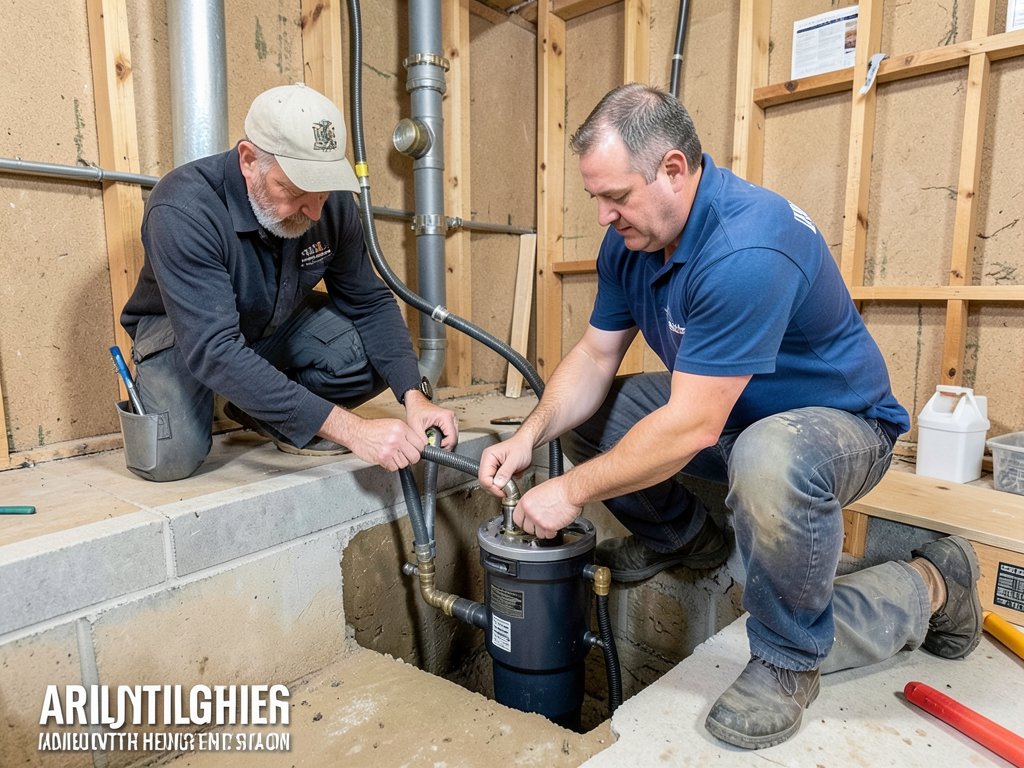
Understanding Your Basement Protection Options
Living in Arlington Heights means dealing with New England’s unpredictable weather patterns. When heavy rains hit or spring snowmelt begins, your basement’s first line of defense is your sump pump system. Choosing between a pedestal and submersible sump pump affects everything from installation costs to long-term reliability in your finished basement space. Heavy duty sump pump installation for flood-prone basements in Quincy.
The decision matters more than most homeowners realize. A wrong choice could mean water damage to finished walls, ruined flooring, or even foundation problems. This guide breaks down the technical differences, installation requirements, and local factors that affect which pump type works best for Arlington Heights homes. Water heater replacement and repair for South Boston condos.
What Makes Each Pump Type Different
Pedestal sump pumps mount above the sump pit with only the intake pipe extending down into water. The motor sits on a column, making it easy to service but creating noise in finished spaces. Submersible pumps install completely underwater, offering quieter operation but requiring more complex installation.
Motor cooling represents the biggest operational difference. Pedestal motors rely on air circulation, while submersible units use surrounding water for cooling. This affects both lifespan and performance during extended operation periods common during New England storms. Storm Drain Cleaning & Repair.
Float switch mechanisms also differ significantly. Pedestal pumps typically use vertical float switches that move up and down on a rod. Submersible models often employ tethered or electronic switches that have more activation points but can get tangled in debris.
Power and Performance Comparison
| Feature | Pedestal Pump | Submersible Pump |
|---|---|---|
| Typical Horsepower | 1/3 to 1/2 HP | 1/3 to 3/4 HP |
| Gallons Per Hour | 2,500 to 3,500 GPH | 3,000 to 5,000 GPH |
| Lifespan (Years) | 10 to 15 | 5 to 10 |
| Basin Size Needed | 14 to 18 inches | 18 to 24 inches |
Submersible pumps handle higher volumes and lift water from greater depths. This matters in Arlington Heights where some homes sit below street grade or have deeper basement excavations. The extra power means faster water removal during heavy rainfall events.
Pedestal pumps work well for smaller pits and lighter water loads. Their simpler design means fewer moving parts underwater, reducing the risk of debris-related failures. However, they struggle with high-volume situations common during nor’easters.
Why Boston’s Climate Changes Everything
Massachusetts 248 CMR plumbing code requires specific installation standards for sump pumps in finished basements. The code addresses discharge pipe sizing, check valve requirements, and electrical grounding for both pump types. Massachusetts 248 CMR plumbing code.
Arlington Heights sits in an area where seasonal freeze-thaw cycles create unique challenges. Discharge lines must be buried below frost line depth, typically 48 inches in this region. Both pump types need properly sized discharge pipes to prevent freezing and backup.
Iron ochre problems affect local soil conditions. This reddish-brown slime clogs pump intakes and discharge pipes, especially in older neighborhoods with clay-heavy soil. Submersible pumps with vortex impellers handle ochre better than pedestal models with standard impellers.. Read more about Understanding Local Rules for Sump Pump Discharge into Medford Storm Drains.
Spring flooding patterns in Arlington Heights create another consideration. Snowmelt combined with heavy spring rains can overwhelm standard residential pumps. Homes in low-lying areas near Spy Pond or the Alewife Brook often need higher capacity submersible units.
Installation Requirements and Space Considerations
Finished basements in Arlington Heights often have limited ceiling height. Pedestal pumps need 24 to 30 inches of vertical clearance above the sump pit. This can be impossible in basements with low ceilings or finished utility areas.
Submersible pumps work better in finished spaces since the entire unit sits below floor level. They leave more usable space for storage or mechanical equipment. The trade-off involves more complex installation and potentially higher initial costs.
Electrical requirements differ between pump types. Both need GFCI-protected outlets, but submersible pumps often require dedicated 20-amp circuits due to higher starting currents. Pedestal pumps typically work fine on standard 15-amp circuits.
Access for maintenance becomes critical in finished basements. Pedestal pumps allow quick visual inspection and easy float adjustment. Submersible units require removing the pump from the pit, which means more labor during service calls.
Cost Analysis Over Time
Initial installation costs vary significantly. Pedestal pumps typically cost $150 to $300 for the unit plus $200 to $400 for installation. Submersible pumps range from $250 to $600 for the unit with installation costs of $300 to $600.
Long-term costs tell a different story. Pedestal pumps last longer but may need more frequent service due to motor wear. Submersible pumps handle debris better but have shorter overall lifespans in high-humidity environments.
Energy efficiency affects monthly costs. Submersible pumps use more power per hour but run less frequently due to higher capacity. Pedestal pumps use less power but may run longer during heavy rain events.
Replacement costs over a 15-year period often favor pedestal pumps despite higher energy usage. However, submersible pumps provide better protection during extreme weather, potentially preventing costly water damage repairs. EPA guidelines on basement water management.
Making the Right Choice for Your Home
Finished basement considerations should drive your decision. If you have expensive flooring, finished walls, or valuable stored items, the extra protection of a submersible pump justifies the higher cost. The quieter operation also matters in living spaces.
Existing sump pit dimensions limit your options. Many Arlington Heights homes have narrow pits that only accommodate pedestal pumps. Upgrading to a submersible unit might require expensive pit reconstruction.
Water table depth affects performance needs. Homes near Spy Pond or in low-lying areas need higher capacity pumps. Submersible units with 3/4 horsepower motors handle these conditions better than standard pedestal models.
Future plans matter too. If you plan basement finishing or storage use, invest in the quieter submersible option now. Retrofitting later means additional demolition and reconstruction costs.
Maintenance Requirements for Each Type
Pedestal pump maintenance involves checking the motor bearings, cleaning the float switch rod, and testing the backup battery system. These tasks take about 15 minutes quarterly and require minimal tools.
Submersible pump maintenance requires more effort. The pump must be removed from the pit to check the impeller, clean the volute, and test the switch mechanism. This process takes 30 to 45 minutes and may need two people for safety.
Both pump types need annual professional inspection. A licensed plumber checks discharge line integrity, tests backup systems, and verifies proper float operation. Massachusetts code requires documentation of these inspections for finished basement installations.
Warning signs differ between types. Pedestal pumps often squeal or vibrate before failing. Submersible pumps may run continuously or cycle rapidly when components wear out. Neither type shows obvious external signs of impending failure.
Backup System Compatibility
Battery backup systems work with both pump types but install differently. Pedestal pumps need separate battery enclosures and control panels mounted nearby. Submersible systems often include integrated battery compartments for cleaner installation.
Water-powered backup options favor pedestal pumps since they provide easier access for the required water line connections. However, submersible units can use water-powered backups with proper installation techniques.
Generator compatibility matters during nor’easters when both power and heavy rain hit simultaneously. Submersible pumps with higher capacity handle extended operation better when running on generator power.
Alarm systems integrate more easily with pedestal pumps due to accessible wiring locations. Submersible systems require waterproof connections and often use wireless alarms to avoid conduit runs through finished spaces.
Common Failure Patterns in Arlington Heights
Power outages during storms represent the biggest failure mode for both pump types. Homes without battery backup or generators face immediate flooding risk when municipal power fails.
Discharge line freezing causes mid-winter failures. Both pump types struggle when outlet pipes freeze, but submersible units typically handle brief freeze events better due to higher initial pumping capacity.
Float switch failures occur more frequently in pedestal pumps. The vertical rod mechanism can bind or corrode, especially in homes with hard water or high mineral content.
Impeller damage affects submersible pumps more often. Debris, iron ochre, or small stones can damage the underwater impeller, causing reduced capacity or complete failure.
Professional Installation Considerations
Local building permits affect installation choices. Arlington Heights requires permits for both pump types, but submersible installations need additional inspections due to the complexity of electrical and plumbing connections. Reliable 24 hour plumbing repair in the Back Bay.
Soil conditions in Arlington Heights vary significantly. Homes near the former Symmes Hospital site have different drainage characteristics than those near the former Symmes Farm area. Professional assessment determines which pump type handles local conditions better.
Existing drainage patterns influence installation. Some homes have French drains or exterior drainage systems that work better with specific pump types. A professional evaluation prevents costly mistakes.
Future expansion plans should guide installation. If you might finish your basement later, install the submersible option now to avoid demolition later.
Final Decision Framework
Choose pedestal pumps if you have limited ceiling height, want lower initial costs, or have a narrow sump pit. These work well for occasional use and smaller water volumes.
Choose submersible pumps if you have a finished basement, need higher capacity, or want quieter operation. These provide better protection during extreme weather and handle debris more effectively.
Consider hybrid approaches. Some homeowners install pedestal pumps as primary units with submersible backup pumps for extreme conditions. This provides redundancy without the full cost of dual submersible systems.
Professional assessment remains the best approach. A licensed plumber evaluates your specific conditions, existing infrastructure, and future plans to recommend the optimal solution.
Frequently Asked Questions
Which sump pump type lasts longer in Arlington Heights basements?
Pedestal pumps typically last 10 to 15 years while submersible units last 5 to 10 years. However, submersible pumps often provide better protection during the critical first five years, potentially preventing costly water damage that could offset the shorter lifespan.
Do I need a permit to replace my sump pump in Arlington Heights?
Yes. Massachusetts 248 CMR requires permits for sump pump installation and replacement. The permit ensures proper discharge line installation, electrical grounding, and compliance with local building codes. Professional plumbers handle permit requirements as part of installation services.
Can I install a sump pump myself to save money?
DIY installation violates Massachusetts plumbing code and may void insurance coverage. Improper installation can cause flooding, electrical hazards, or code violations that result in fines. Professional installation includes warranty coverage and ensures compliance with all safety requirements.
How much does professional sump pump installation cost in Arlington Heights?
Installation costs range from $400 to $1,200 depending on pump type, existing conditions, and permit requirements. Pedestal installations typically cost $400 to $700 while submersible installations range from $700 to $1,200. These prices include labor, materials, and permit fees.
What size sump pump do I need for my basement?
Pump size depends on basement square footage, water table depth, and local rainfall patterns. Most Arlington Heights homes need 1/3 to 1/2 horsepower pumps. Homes in low-lying areas or with finished basements often require 3/4 horsepower submersible units for adequate protection.
Take Action Before the Next Storm
Water damage from sump pump failure can cost thousands in repairs and ruined belongings. Don’t wait until your basement floods to discover your pump isn’t adequate for Arlington Heights conditions.
Heritage Plumbing has served the Boston area for over 15 years, handling everything from routine maintenance to emergency flood prevention. Our licensed plumbers understand local soil conditions, building codes, and the specific challenges Arlington Heights homeowners face. Gas leak detection and emergency repair for Jamaica Plain residents.
Call (617) 749-9799 today to schedule your sump pump evaluation. We’ll assess your current system, recommend the right pump type for your needs, and provide upfront pricing with no hidden fees. Protect your finished basement before the next nor’easter hits.
Don’t risk your home’s foundation and your family’s belongings to an inadequate sump pump. Pick up the phone and call (617) 749-9799 before the next storm hits. Our emergency service team stands ready to protect your Arlington Heights home.
{
“@context”: “https://schema.org”,
“@type”: “BlogPosting”,
“headline”: “Is a Pedestal or Submersible Sump Pump Better for Your Finished Basement in Arlington Heights?”,
“description”: “Discover which sump pump type protects Arlington Heights basements best. Compare pedestal vs submersible pumps for Boston’s freeze-thaw cycles, high water tables, and finished basement needs.”,
“wordCount”: 1987,
“datePublished”: “2026-06-07T13:33:00.000Z”,
“dateModified”: “2026-06-07T13:33:00.000Z”,
“inLanguage”: “en-US”,
“mainEntityOfPage”: {
“@type”: “WebPage”,
“@id”: “https://heritageplumbingboston.com”
},
“publisher”: {
“@type”: “LocalBusiness”,
“name”: “Heritage Plumbing Boston”,
“url”: “https://heritageplumbingboston.com”
},
“author”: {
“@type”: “Organization”,
“name”: “Heritage Plumbing Boston”,
“url”: “https://heritageplumbingboston.com”
},
“image”: {
“@type”: “ImageObject”,
“url”: “https://heritageplumbingboston.com/wp-content/uploads/2026/03/is-a-pedestal-or-submersible-sump-pump-better-for-1.png”
}
}
{
“@context”: “https://schema.org”,
“@type”: “Plumber”,
“name”: “Heritage Plumbing Boston”,
“url”: “https://heritageplumbingboston.com”,
“address”: {
“@type”: “PostalAddress”,
“addressLocality”: “Boston”
},
“areaServed”: {
“@type”: “City”,
“name”: “Boston”
}
}
{
“@context”: “https://schema.org”,
“@type”: “FAQPage”,
“mainEntity”: [
{
“@type”: “Question”,
“name”: “Which sump pump type lasts longer in Arlington Heights basements?”,
“acceptedAnswer”: {
“@type”: “Answer”,
“text”: “Pedestal pumps typically last 10 to 15 years while submersible units last 5 to 10 years. However, submersible pumps often provide better protection during the critical first five years, potentially preventing costly water damage that could offset the shorter lifespan.”
}
},
{
“@type”: “Question”,
“name”: “Do I need a permit to replace my sump pump in Arlington Heights?”,
“acceptedAnswer”: {
“@type”: “Answer”,
“text”: “Yes. Massachusetts 248 CMR requires permits for sump pump installation and replacement. The permit ensures proper discharge line installation, electrical grounding, and compliance with local building codes. Professional plumbers handle permit requirements as part of installation services.”
}
},
{
“@type”: “Question”,
“name”: “Can I install a sump pump myself to save money?”,
“acceptedAnswer”: {
“@type”: “Answer”,
“text”: “DIY installation violates Massachusetts plumbing code and may void insurance coverage. Improper installation can cause flooding, electrical hazards, or code violations that result in fines. Professional installation includes warranty coverage and ensures compliance with all safety requirements.”
}
},
{
“@type”: “Question”,
“name”: “How much does professional sump pump installation cost in Arlington Heights?”,
“acceptedAnswer”: {
“@type”: “Answer”,
“text”: “Installation costs range from $400 to $1,200 depending on pump type, existing conditions, and permit requirements. Pedestal installations typically cost $400 to $700 while submersible installations range from $700 to $1,200. These prices include labor, materials, and permit fees.”
}
},
{
“@type”: “Question”,
“name”: “What size sump pump do I need for my basement?”,
“acceptedAnswer”: {
“@type”: “Answer”,
“text”: “Pump size depends on basement square footage, water table depth, and local rainfall patterns. Most Arlington Heights homes need 1/3 to 1/2 horsepower pumps. Homes in low-lying areas or with finished basements often require 3/4 horsepower submersible units for adequate protection.”
}
}
]
}
{
“@context”: “https://schema.org”,
“@type”: “BreadcrumbList”,
“itemListElement”: [
{
“@type”: “ListItem”,
“position”: 1,
“name”: “Home”,
“item”: “https://heritageplumbingboston.com”
},
{
“@type”: “ListItem”,
“position”: 2,
“name”: “Blog”,
“item”: “https://heritageplumbingboston.com/blog”
},
{
“@type”: “ListItem”,
“position”: 3,
“name”: “Is a Pedestal or Submersible Sump Pump Better for Your Finished Basement in Arlington Heights?”
}
]
}
{
“@context”: “https://schema.org”,
“@type”: “Service”,
“serviceType”: “Plumbing”,
“provider”: {
“@type”: “LocalBusiness”,
“name”: “Heritage Plumbing Boston”,
“url”: “https://heritageplumbingboston.com”
},
“areaServed”: {
“@type”: “City”,
“name”: “Boston”
},
“description”: “Discover which sump pump type protects Arlington Heights basements best. Compare pedestal vs submersible pumps for Boston’s freeze-thaw cycles, high water tables, and finished basement needs.”
}