
How to Get Rid of the Rotten Egg Smell in Your Stoneham Bathroom
The rotten egg smell in your bathroom is more than just unpleasant. It signals a real plumbing problem that needs attention. In Stoneham homes, this odor usually comes from hydrogen sulfide gas produced by bacteria in your drains or from sewer gas escaping through dry traps. The good news is that most cases can be resolved quickly with the right approach. This guide walks you through the common causes specific to Stoneham’s older plumbing systems and shows you exactly what to do next. Solving sewer line issues in older Dorchester homes without digging up the yard.
Common Causes of Bathroom Odors in Stoneham Homes
Stoneham’s mix of historic and newer construction creates unique plumbing challenges. Many homes near Stoneham Square and the Fells area were built before modern plumbing codes and still have original cast iron pipes that corrode from the inside out. These aging systems are prone to biofilm buildup and dry traps that let sewer gases seep into your living space. Reliable 24 hour plumbing repair in the Back Bay.
Dry P-Traps Creating Sewer Gas Leaks
P-traps are the curved pipes under your sink that hold water to block sewer gases. When a bathroom sits unused for weeks, the water in the trap evaporates. This is especially common in guest bathrooms or seasonal homes around Spot Pond. Once the water barrier disappears, hydrogen sulfide and other sewer gases rise directly into your bathroom. Water heater replacement and repair for South Boston condos.
Biofilm and Bacteria in Older Plumbing
Biofilm is a slimy layer of bacteria that builds up inside drain pipes over years. In Stoneham’s older homes with original plumbing, this layer can become thick enough to trap organic matter like hair and soap scum. As bacteria break down this waste, they release hydrogen sulfide gas. The smell often gets worse during humid summer months when bacteria multiply faster. Storm Drain Cleaning & Repair.
Blocked Vent Stacks from New England Debris
Your plumbing system needs air vents to equalize pressure and allow sewer gases to escape safely through your roof. Stoneham’s mature trees drop leaves and twigs that can block these vent stacks, especially after fall storms. When vents are blocked, sewer gases have nowhere to go except back through your drains.
Sewer Line Issues in Middlesex County
Some Stoneham neighborhoods sit on clay-heavy soil that shifts slightly with seasonal moisture changes. This movement can cause tiny separations in older sewer line joints, creating escape points for gas. Homes near the former industrial areas may also have cast iron pipes nearing the end of their 50-70 year lifespan. EPA information on hydrogen sulfide in water.
DIY Troubleshooting for Stinky Drains
Before calling a professional, try these proven steps to eliminate bathroom odors. Most homeowners can handle these fixes in under an hour using common household items.
The Baking Soda and Vinegar Method
Pour one cup of baking soda down the smelly drain, followed by two cups of white vinegar. Cover the drain and let the mixture fizz for 15 minutes. This chemical reaction breaks down biofilm and neutralizes odors. Flush with hot water afterward. This works best for shower and sink drains where biofilm accumulates.. Read more about Does Your Burlington Water Heater Need a New Thermal Expansion Tank?.
Cleaning the Sink Overflow Hole
The small hole near your sink’s rim often gets ignored but can harbor bacteria. Use a pipe cleaner or small brush dipped in vinegar to scrub inside this passage. Pour a mixture of hot water and a few drops of dish soap through the overflow to flush out debris. This simple step eliminates a common odor source.
Checking and Refilling the P-Trap
Run water in all bathroom fixtures for 30 seconds to refill dry traps. For rarely used bathrooms, pour a cup of mineral oil down the drain after filling the trap. The oil forms a thin layer that slows evaporation without blocking the drain. This trick is especially useful for vacation homes near Spot Pond.
Inspecting the Toilet Wax Ring
A failing wax ring between your toilet and the floor can let sewer gases escape. Check for any rocking motion when you gently push on the toilet. If it moves, the wax seal may be compromised. While this requires more effort to fix, identifying it helps you know when to call a professional.
When to Call a Professional Stoneham Plumber
Some bathroom odor problems go beyond DIY solutions. Here are the signs that indicate you need professional help from a licensed plumber familiar with Stoneham’s specific plumbing challenges.
Recurring ‘Rotten Egg’ Smells Despite Cleaning
If you’ve tried all the DIY methods and the smell keeps coming back within days, you likely have a deeper issue. This could mean a cracked drain pipe, a failed vent connection, or extensive biofilm buildup that requires professional hydro-jetting equipment to remove completely.
Gurgling Sounds in the Toilet
When you hear gurgling from your toilet when using other fixtures, it indicates a venting problem. This sound means air is struggling to move through your plumbing system properly. In Stoneham’s older homes, this often points to blocked or undersized vent stacks that need professional inspection and repair.
Multiple Slow Drains Throughout the House
If several drains in your home are slow and smelly, the problem is likely in your main sewer line rather than individual fixtures. This is especially common in Stoneham’s older neighborhoods where tree roots can infiltrate clay sewer pipes. A video pipe inspection can identify the exact location and nature of the blockage.
Visible Signs of Water Damage or Mold
Any signs of water stains on ceilings below bathrooms, or visible mold growth near plumbing fixtures, indicate leaks that could be contributing to odor problems. These situations require immediate professional attention to prevent structural damage and health hazards.
Our Local Expertise in Stoneham Plumbing
We’ve handled countless bathroom odor cases throughout Stoneham, from colonial homes near the Common to newer constructions off Route 28. One recent job involved a 1920s colonial near Stoneham Square where the homeowner had tried every DIY solution without success. Our video inspection revealed a partially collapsed cast iron drain line that was allowing sewer gases to escape into the bathroom wall cavity. We replaced the damaged section and installed a new P-trap assembly, eliminating the odor completely.
Stoneham’s specific challenges include the high water table near Spot Pond that can cause sewer gases to back up more easily, and the area’s temperature swings that accelerate pipe corrosion. We understand these local factors and how they affect your plumbing system’s performance.
Professional Solutions for Bathroom Odors
When DIY methods fail, professional equipment and expertise become necessary. Here are the solutions we typically recommend for persistent bathroom odors in Stoneham homes.
Hydro-Jetting for Complete Biofilm Removal
Hydro-jetting uses high-pressure water (up to 4,000 PSI) to scour the inside of drain pipes. This process removes years of accumulated biofilm, grease, and mineral deposits that chemical cleaners cannot touch. For Stoneham’s older cast iron pipes, we use specialized nozzles that clean effectively without damaging the pipe walls.
Video Pipe Inspection and Diagnosis
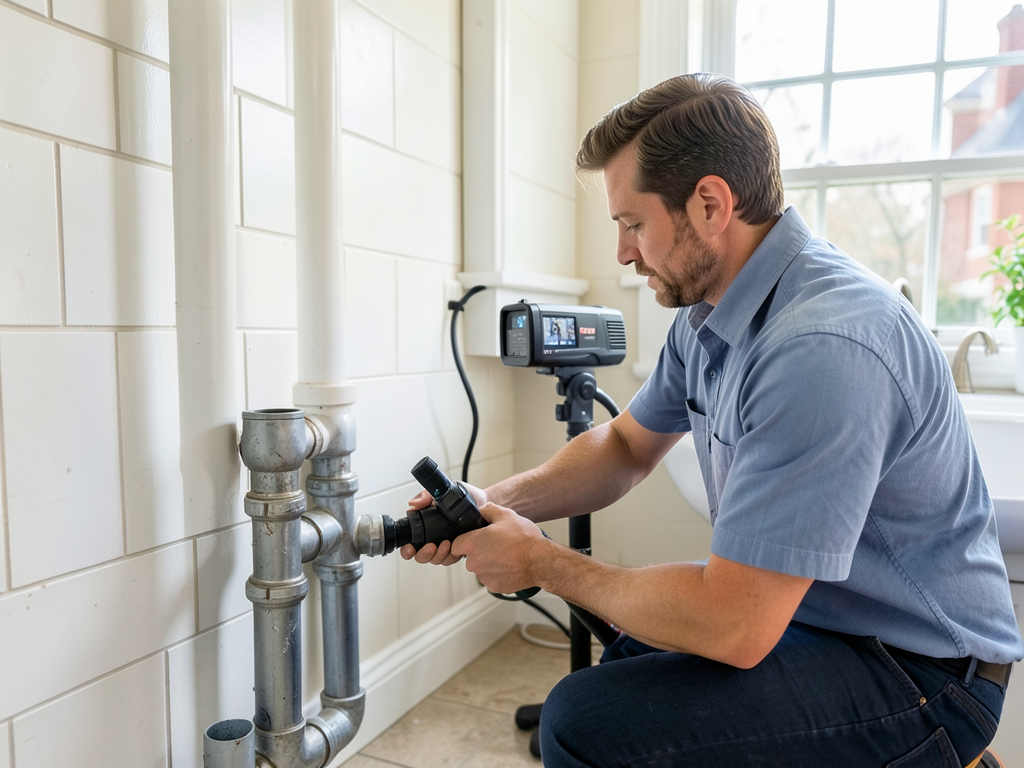
We insert a small camera into your drain lines to see exactly what’s happening inside. This technology reveals cracks, blockages, and pipe deterioration that would otherwise remain hidden. In Stoneham’s historic district, this non-invasive approach is often preferred since it avoids unnecessary wall demolition.
Vent Stack Cleaning and Repair
Professional vent stack cleaning involves using specialized augers and air pressure equipment to clear blockages from your roof vents. We also inspect vent connections inside your walls to ensure they’re properly sealed and sized according to current Massachusetts plumbing code 248 CMR 10.00. Massachusetts Uniform State Plumbing Code 248 CMR 10.00.
P-trap Replacement and Trap Primer Installation
For chronically dry traps, we can replace old P-traps with new, properly sized ones or install trap primer valves that automatically add water when the trap level drops. This is particularly useful for Stoneham’s seasonal homes and rental properties where bathrooms may sit unused for extended periods.
Preventing Future Bathroom Odors
Once you’ve eliminated the current odor, take these steps to prevent it from returning. These maintenance practices work especially well in Stoneham’s climate and plumbing conditions.
Monthly Drain Maintenance
Once a month, pour a mixture of hot water and enzyme-based drain cleaner down all bathroom drains. These natural enzymes break down organic matter before it can form stubborn biofilm. This preventive measure costs less than $5 per month and can extend the life of your plumbing system.
Annual Plumbing Inspection
Schedule a professional plumbing inspection once a year, ideally in late fall before winter sets in. This timing allows you to address any issues before the freeze-thaw cycles that can worsen existing problems. Our inspections include checking for proper trap seals, vent function, and early signs of pipe deterioration.
Proper Bathroom Ventilation
Ensure your bathroom exhaust fan is working properly and vented to the outside, not just into the attic. Good ventilation reduces moisture that feeds bacteria growth. In Stoneham’s older homes, we often find bathroom fans that were added later and not properly vented, creating moisture problems.
Understanding Stoneham’s Water Quality Impact
Stoneham’s water comes from the Massachusetts Water Resources Authority system and typically has moderate hardness levels around 60-80 mg/L. While this isn’t extremely hard, it’s enough to contribute to mineral buildup in pipes over time. These mineral deposits create rough surfaces where biofilm can easily attach and grow.
The town’s water also contains trace amounts of sulfur compounds that, while safe to drink, can contribute to odor problems when combined with bacterial activity in your drains. This is why some homeowners notice the smell more strongly during certain seasons or after periods of heavy water usage. Heavy duty sump pump installation for flood-prone basements in Quincy.
Comparing Drain Cleaning Methods
| Method | Effectiveness | Best For | Cost Range |
|---|---|---|---|
| Baking Soda & Vinegar | Low-Medium | Minor biofilm, preventive maintenance | $2-5 |
| Chemical Drain Cleaners | Medium | Soft clogs, light buildup | $8-15 |
| Enzyme Cleaners | Low-Medium | Preventive maintenance, organic matter | $10-20 |
| Manual Snaking | Medium-High | Hair clogs, minor blockages | $100-200 |
| Hydro-Jetting | High | Severe biofilm, scale buildup | $300-600 |
| Video Inspection | Diagnostic | Identifying hidden problems | $150-300 |
Frequently Asked Questions
Why does my bathroom smell like rotten eggs only in the morning?
This often happens because drains sit unused overnight, allowing bacteria to multiply and produce more hydrogen sulfide gas. Running water for 30 seconds first thing in the morning usually eliminates the odor temporarily. If it returns daily, you likely have a persistent biofilm problem that needs professional cleaning.
Can a dry P-trap really cause that strong of a smell?
Yes. A dry P-trap removes the water barrier that blocks sewer gases from entering your home. These gases contain hydrogen sulfide, which produces the characteristic rotten egg odor. Even a small opening can allow enough gas to escape to make your entire bathroom smell unpleasant.
How do I know if the problem is in my drain or my sewer line?
If the smell comes from one specific drain and improves after cleaning, the problem is likely in that individual drain line. If multiple drains smell bad, or if cleaning doesn’t help, the issue is probably in your main sewer line or vent system. A video inspection can definitively identify the source.
Is the rotten egg smell dangerous to my health?
While hydrogen sulfide in small amounts is unpleasant but not typically dangerous, prolonged exposure to sewer gases can cause headaches, nausea, and respiratory irritation. More importantly, the presence of these gases indicates a plumbing failure that could lead to bigger problems like sewage backups or structural damage if left unaddressed.
How long does professional drain cleaning take?
Most bathroom drain cleaning services take 1-2 hours. Hydro-jetting a single bathroom drain might take 30-45 minutes, while video inspecting your entire plumbing system could take 1-2 hours. We always provide a time estimate before starting work and can often complete same-day service for urgent odor problems.
Take Action Against Bathroom Odors Today
Don’t let that rotten egg smell linger another day. Whether you need simple DIY guidance or professional drain cleaning, we’re here to help Stoneham homeowners solve their plumbing problems quickly and effectively. Our team understands the specific challenges of older Massachusetts homes and provides lasting solutions, not just temporary fixes.
Call (617) 749-9799 today to schedule your bathroom odor inspection. We offer same-day service for urgent cases and provide clear, upfront pricing with no hidden fees. Stop holding your breath in your own bathroom and start breathing easy again.
Pick up the phone and call (617) 749-9799 before the next storm hits. Stoneham’s freeze-thaw cycles can worsen existing plumbing problems, turning a simple odor issue into a costly repair. Let our experienced team handle it now while it’s still a quick, affordable fix.
{
“@context”: “https://schema.org”,
“@type”: “BlogPosting”,
“headline”: “How to Get Rid of the Rotten Egg Smell in Your Stoneham Bathroom”,
“description”: “Stop the rotten egg smell in your Stoneham bathroom. Learn causes, DIY fixes, and when to call a professional plumber. Serving Stoneham, MA with expert drain cleaning.”,
“wordCount”: 2125,
“datePublished”: “2026-04-06T13:34:00.000Z”,
“dateModified”: “2026-04-06T13:34:00.000Z”,
“inLanguage”: “en-US”,
“mainEntityOfPage”: {
“@type”: “WebPage”,
“@id”: “https://heritageplumbingboston.com”
},
“publisher”: {
“@type”: “LocalBusiness”,
“name”: “Heritage Plumbing Boston”,
“url”: “https://heritageplumbingboston.com”
},
“author”: {
“@type”: “Organization”,
“name”: “Heritage Plumbing Boston”,
“url”: “https://heritageplumbingboston.com”
},
“image”: {
“@type”: “ImageObject”,
“url”: “https://heritageplumbingboston.com/wp-content/uploads/2026/03/how-to-get-rid-of-the-rotten-egg-smell-in-your-sto-1.png”
}
}
{
“@context”: “https://schema.org”,
“@type”: “Plumber”,
“name”: “Heritage Plumbing Boston”,
“url”: “https://heritageplumbingboston.com”,
“address”: {
“@type”: “PostalAddress”,
“addressLocality”: “Boston”
},
“areaServed”: {
“@type”: “City”,
“name”: “Boston”
}
}
{
“@context”: “https://schema.org”,
“@type”: “FAQPage”,
“mainEntity”: [
{
“@type”: “Question”,
“name”: “Why does my bathroom smell like rotten eggs only in the morning?”,
“acceptedAnswer”: {
“@type”: “Answer”,
“text”: “This often happens because drains sit unused overnight, allowing bacteria to multiply and produce more hydrogen sulfide gas. Running water for 30 seconds first thing in the morning usually eliminates the odor temporarily. If it returns daily, you likely have a persistent biofilm problem that needs professional cleaning.”
}
},
{
“@type”: “Question”,
“name”: “Can a dry P-trap really cause that strong of a smell?”,
“acceptedAnswer”: {
“@type”: “Answer”,
“text”: “Yes. A dry P-trap removes the water barrier that blocks sewer gases from entering your home. These gases contain hydrogen sulfide, which produces the characteristic rotten egg odor. Even a small opening can allow enough gas to escape to make your entire bathroom smell unpleasant.”
}
},
{
“@type”: “Question”,
“name”: “How do I know if the problem is in my drain or my sewer line?”,
“acceptedAnswer”: {
“@type”: “Answer”,
“text”: “If the smell comes from one specific drain and improves after cleaning, the problem is likely in that individual drain line. If multiple drains smell bad, or if cleaning doesn’t help, the issue is probably in your main sewer line or vent system. A video inspection can definitively identify the source.”
}
},
{
“@type”: “Question”,
“name”: “Is the rotten egg smell dangerous to my health?”,
“acceptedAnswer”: {
“@type”: “Answer”,
“text”: “While hydrogen sulfide in small amounts is unpleasant but not typically dangerous, prolonged exposure to sewer gases can cause headaches, nausea, and respiratory irritation. More importantly, the presence of these gases indicates a plumbing failure that could lead to bigger problems like sewage backups or structural damage if left unaddressed.”
}
},
{
“@type”: “Question”,
“name”: “How long does professional drain cleaning take?”,
“acceptedAnswer”: {
“@type”: “Answer”,
“text”: “Most bathroom drain cleaning services take 1-2 hours. Hydro-jetting a single bathroom drain might take 30-45 minutes, while video inspecting your entire plumbing system could take 1-2 hours. We always provide a time estimate before starting work and can often complete same-day service for urgent odor problems.”
}
}
]
}
{
“@context”: “https://schema.org”,
“@type”: “BreadcrumbList”,
“itemListElement”: [
{
“@type”: “ListItem”,
“position”: 1,
“name”: “Home”,
“item”: “https://heritageplumbingboston.com”
},
{
“@type”: “ListItem”,
“position”: 2,
“name”: “Blog”,
“item”: “https://heritageplumbingboston.com/blog”
},
{
“@type”: “ListItem”,
“position”: 3,
“name”: “How to Get Rid of the Rotten Egg Smell in Your Stoneham Bathroom”
}
]
}
{
“@context”: “https://schema.org”,
“@type”: “Service”,
“serviceType”: “Plumbing”,
“provider”: {
“@type”: “LocalBusiness”,
“name”: “Heritage Plumbing Boston”,
“url”: “https://heritageplumbingboston.com”
},
“areaServed”: {
“@type”: “City”,
“name”: “Boston”
},
“description”: “Stop the rotten egg smell in your Stoneham bathroom. Learn causes, DIY fixes, and when to call a professional plumber. Serving Stoneham, MA with expert drain cleaning.”
}