
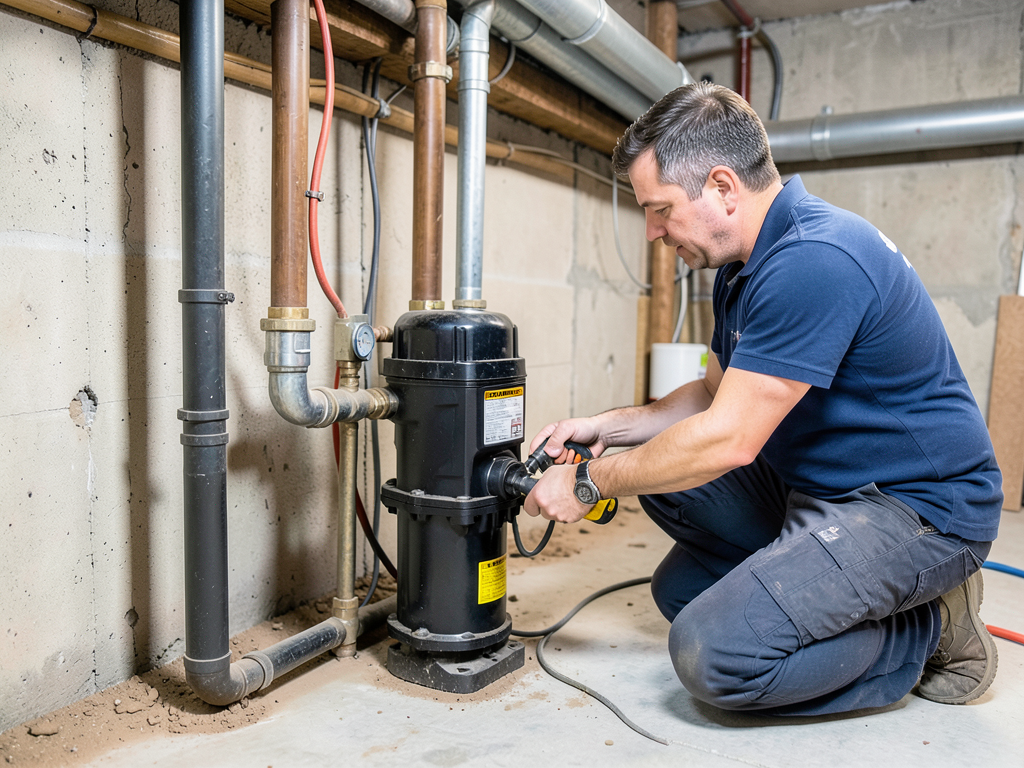
Understanding Sump Pumps and Ejector Pumps for Lincoln Homes
Lincoln homeowners face unique water management challenges due to New England’s heavy rainfall and high water table. Choosing between a sump pump and an ejector pump requires understanding your specific needs. A sump pump removes clean groundwater that seeps through your foundation. An ejector pump handles wastewater from basement bathrooms or laundry rooms located below your main sewer line. Selecting the wrong pump leads to flooding, sewage backups, or code violations. Solving sewer line issues in older Dorchester homes without digging up the yard.
Lincoln homes built before 1980 often feature deep basements with plumbing fixtures below grade. This creates a dual challenge requiring both groundwater protection and sewage management. The Massachusetts Uniform State Plumbing Code (248 CMR 10.00) mandates specific venting and sealing requirements for ejector pumps to prevent sewer gases from entering living spaces. Massachusetts Uniform State Plumbing Code 248 CMR 10.00.
During spring thaws, Lincoln’s clay-heavy soil becomes saturated. Water pressure builds against basement walls forcing moisture through hairline cracks. A properly sized sump pump with a sealed basin prevents hydrostatic pressure damage. Without this protection, you risk foundation deterioration and mold growth. Water heater replacement and repair for South Boston condos.
A failing sump pump produces distinctive sounds. Instead of a steady hum, you hear grinding or clicking noises. The float switch may stick causing the pump to run continuously or not at all. These symptoms indicate bearing wear or motor failure requiring immediate attention before your basement floods.
Ejector pumps operate differently. They must handle solids and toilet paper without clogging. A properly installed ejector pump features a sealed airtight lid and a vent pipe connected to your home’s plumbing vent system. This prevents methane gas buildup and meets 248 CMR 10.08(6) requirements for sanitary drainage. Reliable 24 hour plumbing repair in the Back Bay.
Lincoln’s proximity to the Sudbury River creates seasonal flooding risks. During heavy storms, the water table rises rapidly. Your sump pump must handle increased flow rates typically measured in gallons per minute. A 1/3 HP pump handles about 3,600 gallons per hour while a 1/2 HP pump manages up to 4,200 gallons per hour. Heavy duty sump pump installation for flood-prone basements in Quincy.
Winter conditions create additional challenges. Discharge pipes can freeze causing pumps to burn out when they cannot expel water. Installing heat tape or rerouting discharge lines below the frost line prevents this costly damage. The Massachusetts plumbing code requires discharge pipes to terminate at least 10 feet from your foundation.
Testing your pump system takes only five minutes. Pour water into the sump pit until the float rises. The pump should activate automatically and shut off when the water level drops. If it does not respond or runs continuously, you need professional service. This simple diagnostic test can prevent thousands in water damage.
Ejector pump failure creates different symptoms. You might notice sewage odors in your basement or slow drains in basement fixtures. The sealed basin prevents direct visual inspection but gurgling sounds from drains indicate a failing check valve or clogged impeller.
Lincoln’s historic homes often contain original clay sewer pipes connecting to municipal systems. These pipes can collapse or become blocked by tree roots. When this occurs, an ejector pump may struggle to push waste uphill to the main sewer line. Video camera inspection can identify these blockages before they cause backups.
Power outages during Nor’easters pose serious risks. Both sump and ejector pumps need electricity to operate. Battery backup systems provide 8-12 hours of protection during outages. Some systems include alarms that alert you when the primary pump fails or when the battery needs replacement.
Pump lifespan depends on usage and maintenance. Sump pumps typically last 5-7 years in Lincoln’s wet climate. Ejector pumps handle more demanding conditions and may last 7-10 years. Annual maintenance includes cleaning the intake screen, testing the float switch, and checking discharge lines for obstructions.
Installing the wrong pump size wastes money and creates problems. An undersized pump runs constantly burning out quickly. An oversized pump cycles on and off rapidly reducing efficiency and increasing wear. Professional calculation considers your basement’s square footage, soil type, and local rainfall patterns.
Lincoln’s building department requires permits for both sump and ejector pump installations. The permit ensures compliance with 248 CMR and local amendments. DIY installations often violate code requirements for venting, discharge locations, or electrical connections. These violations can void your homeowner’s insurance if water damage occurs. EPA Sump Pump Maintenance Guidelines.
Smart pump technology now monitors water levels and pump performance through smartphone apps. These systems send alerts when water rises too high or when the pump runs longer than normal. Some models integrate with home automation systems to shut off HVAC equipment if flooding threatens electrical components.
Foundation cracks worsen over time. Water seeping through cracks carries minerals that deposit on basement walls creating efflorescence – white chalky deposits. This indicates ongoing moisture intrusion that a sump pump alone cannot fix. You may need exterior waterproofing or foundation repair in addition to interior pumping.
Condensation on basement pipes and walls creates its own problems. When warm humid air contacts cold surfaces, moisture forms. This water can overwhelm a sump pump designed only for groundwater. Dehumidifiers and proper insulation reduce this moisture load extending pump life and preventing mold growth.
The cost difference between pump types reflects their complexity. Standard sump pumps cost $300-$600 installed. Ejector pumps with sealed basins and proper venting run $1,500-$2,500 installed. Battery backup systems add $500-$1,000. These investments protect your home from water damage that can cost $10,000-$30,000 to repair.
Commercial buildings in Lincoln’s industrial areas face different challenges. Large floor drains and multiple basement levels require industrial-grade pumping systems. These systems handle higher flow rates and include redundancy features that residential systems lack. The same principles apply but scale and complexity increase significantly.
Testing your system before the rainy season prevents emergencies. Clear debris from the sump pit, test the float switch, and verify the discharge line flows freely. For ejector systems, check the sealed lid for cracks and ensure the vent pipe connects properly to your home’s vent stack.
Insurance companies often deny claims for water damage caused by pump failure. Most policies exclude groundwater flooding unless you carry specific sump pump failure coverage. This endorsement costs $50-$100 annually but can save you thousands if your pump fails during a storm.
Lincoln’s soil composition affects pump performance. Clay soil drains slowly keeping the water table elevated longer after storms. Sandy soil allows faster drainage but may not retain enough moisture for your lawn. Understanding your soil type helps determine the right pump capacity and discharge location.
Noise levels vary between pump types. Sump pumps typically operate quietly with noise levels around 50-60 decibels. Ejector pumps handling solids may produce more noise especially when the impeller contacts debris. Sound-dampening basins and proper mounting reduce operational noise significantly.
Energy efficiency matters for pumps that run frequently. Variable-speed pumps adjust their output based on water volume using less electricity than single-speed models. While they cost more upfront, they can reduce energy costs by 30-40% over their lifetime.
Professional installation ensures code compliance and warranty protection. Most pump manufacturers void warranties for DIY installations due to improper wiring, venting, or sizing. Licensed plumbers understand local requirements and can recommend the right system for your specific situation.
Emergency response time matters when your pump fails. A flooded basement can sustain $1,000 in damage per hour. Choose a service provider offering 24/7 emergency response with fully stocked service vehicles. Quick response prevents minor issues from becoming major disasters. Gas leak detection and emergency repair for Jamaica Plain residents.
Regular maintenance extends pump life and prevents failures. Annual service includes checking electrical connections, lubricating bearings, testing backup systems, and cleaning components. Some homeowners schedule service before the rainy season and again in fall to prepare for winter conditions.
Understanding your pump’s limitations helps you make informed decisions. No pump can handle a burst pipe or failed water heater. These require different solutions like automatic shutoff valves or leak detection systems. A comprehensive water management strategy protects your home better than any single device.
The right pump choice depends on your specific needs. Homes with only groundwater issues need sump pumps. Homes with basement plumbing need ejector pumps. Many Lincoln homes need both systems working together to provide complete protection.
Don’t wait for the next storm to discover your pump isn’t working. Test your system today and address any issues before they become emergencies. Your home’s foundation and your family’s health depend on reliable water management. Call (617) 749-9799 for professional pump assessment and installation.
Frequently Asked Questions
How do I know if I have a sump pump or ejector pump?
Look at your basement floor. A sump pump sits in an open pit with a removable lid often near exterior walls. An ejector pump has a sealed bolted-down lid with pipes connected to plumbing fixtures. The ejector pit is typically larger and located near bathrooms or laundry areas.
Can I use a sump pump for basement bathroom waste?
No. Sump pumps cannot handle solids or toilet paper. Using one for sewage violates Massachusetts plumbing code 248 CMR 10.08 and creates serious health hazards. The pump will clog quickly and you risk contaminating your basement with raw sewage.
How often should I test my basement pump system?
Test your system monthly by pouring water into the pit until the float activates. Perform a complete inspection annually including checking electrical connections, cleaning the intake screen, and verifying the discharge line flows freely. Test battery backups quarterly.
What size pump do I need for my Lincoln basement?
Pump size depends on your basement’s square footage, soil type, and local rainfall patterns. Most Lincoln homes need 1/3 to 1/2 HP pumps. Homes with finished basements or heavy water intrusion may require 3/4 HP models. Professional calculation ensures proper sizing.
How long do basement pumps typically last?
Sump pumps last 5-7 years in Lincoln’s wet climate. Ejector pumps handling solids may last 7-10 years. Battery backups need replacement every 3-5 years. Regular maintenance can extend pump life by 2-3 years.
What causes basement pump failure?
Common causes include power outages, float switch failure, clogged intakes, frozen discharge lines, and motor burnout from running dry. Regular testing and maintenance prevent most failures. Installing battery backup systems protects against power-related failures.
Is a permit required for pump installation in Lincoln?
Yes. Lincoln requires permits for both sump and ejector pump installations to ensure compliance with Massachusetts plumbing code. DIY installations often violate code requirements for venting, discharge locations, or electrical connections potentially voiding insurance coverage.
How much does professional pump installation cost?
Standard sump pump installation costs $300-$600. Ejector pump systems with proper venting and sealed basins run $1,500-$2,500. Battery backup systems add $500-$1,000. These prices include permits, professional installation, and warranty protection.
Should I install a battery backup system?
Yes if you experience frequent power outages or have finished basements with valuable contents. Battery backups provide 8-12 hours of protection during storms when you need pumping most. They cost $500-$1,000 but can prevent thousands in water damage.
What maintenance does my basement pump need?
Monthly testing by pouring water into the pit. Annual professional service including electrical checks, bearing lubrication, and backup system testing. Quarterly battery backup testing. Keep the area around the pit clear of debris and ensure the discharge line remains unobstructed.
Can I install a pump myself to save money?
DIY installation risks code violations, improper sizing, and warranty voidance. Most manufacturers require professional installation for warranty coverage. Improper installation can cause flooding, sewage backups, or electrical hazards. Professional installation ensures compliance and long-term reliability.
What should I do if my pump fails during a storm?
Immediately turn off the pump’s electrical breaker to prevent motor burnout. Remove valuables from the basement floor. Use a wet vacuum or buckets to remove standing water if possible. Call for emergency service – most providers offer 24/7 response for pump failures.
How can I prevent my discharge pipe from freezing?
Install heat tape along the discharge pipe, bury pipes below the frost line, or extend discharge lines away from the house using insulated materials. Some homeowners install underground dry wells to eliminate exposed discharge pipes entirely.
What’s the difference between a pedestal and submersible pump?
Pedestal pumps have motors above the water level and cost less but are noisier and less reliable. Submersible pumps operate underwater, run quieter, and last longer but cost more. Submersible models are standard for modern installations due to better performance and reliability.
How do I know if my pump is the right size?
A properly sized pump runs intermittently during heavy rain not constantly. If your pump runs continuously or can’t keep up with water inflow, it’s undersized. If it cycles on and off rapidly, it may be oversized. Professional assessment ensures optimal sizing.
{
“@context”: “https://schema.org”,
“@type”: “BlogPosting”,
“headline”: “Does Your Lincoln Home Need an Ejector Pump or a Standard Sump Pump?”,
“description”: “Learn the critical differences between sump pumps and ejector pumps for Lincoln homes. Protect your basement from flooding and sewage backups with proper pump selection.”,
“wordCount”: 2160,
“datePublished”: “2026-04-30T06:21:00.000Z”,
“dateModified”: “2026-04-30T06:21:00.000Z”,
“inLanguage”: “en-US”,
“mainEntityOfPage”: {
“@type”: “WebPage”,
“@id”: “https://heritageplumbingboston.com”
},
“publisher”: {
“@type”: “LocalBusiness”,
“name”: “Heritage Plumbing Boston”,
“url”: “https://heritageplumbingboston.com”
},
“author”: {
“@type”: “Organization”,
“name”: “Heritage Plumbing Boston”,
“url”: “https://heritageplumbingboston.com”
},
“image”: {
“@type”: “ImageObject”,
“url”: “https://heritageplumbingboston.com/wp-content/uploads/2026/03/does-your-lincoln-home-need-an-ejector-pump-or-a-s-1.png”
}
}
{
“@context”: “https://schema.org”,
“@type”: “Plumber”,
“name”: “Heritage Plumbing Boston”,
“url”: “https://heritageplumbingboston.com”,
“address”: {
“@type”: “PostalAddress”,
“addressLocality”: “Boston”
},
“areaServed”: {
“@type”: “City”,
“name”: “Boston”
}
}
{
“@context”: “https://schema.org”,
“@type”: “FAQPage”,
“mainEntity”: [
{
“@type”: “Question”,
“name”: “How do I know if I have a sump pump or ejector pump?”,
“acceptedAnswer”: {
“@type”: “Answer”,
“text”: “Look at your basement floor. A sump pump sits in an open pit with a removable lid often near exterior walls. An ejector pump has a sealed bolted-down lid with pipes connected to plumbing fixtures. The ejector pit is typically larger and located near bathrooms or laundry areas.”
}
},
{
“@type”: “Question”,
“name”: “Can I use a sump pump for basement bathroom waste?”,
“acceptedAnswer”: {
“@type”: “Answer”,
“text”: “No. Sump pumps cannot handle solids or toilet paper. Using one for sewage violates Massachusetts plumbing code 248 CMR 10.08 and creates serious health hazards. The pump will clog quickly and you risk contaminating your basement with raw sewage.”
}
},
{
“@type”: “Question”,
“name”: “How often should I test my basement pump system?”,
“acceptedAnswer”: {
“@type”: “Answer”,
“text”: “Test your system monthly by pouring water into the pit until the float activates. Perform a complete inspection annually including checking electrical connections, cleaning the intake screen, and verifying the discharge line flows freely. Test battery backups quarterly.”
}
},
{
“@type”: “Question”,
“name”: “What size pump do I need for my Lincoln basement?”,
“acceptedAnswer”: {
“@type”: “Answer”,
“text”: “Pump size depends on your basement’s square footage, soil type, and local rainfall patterns. Most Lincoln homes need 1/3 to 1/2 HP pumps. Homes with finished basements or heavy water intrusion may require 3/4 HP models. Professional calculation ensures proper sizing.”
}
},
{
“@type”: “Question”,
“name”: “How long do basement pumps typically last?”,
“acceptedAnswer”: {
“@type”: “Answer”,
“text”: “Sump pumps last 5-7 years in Lincoln’s wet climate. Ejector pumps handling solids may last 7-10 years. Battery backups need replacement every 3-5 years. Regular maintenance can extend pump life by 2-3 years.”
}
},
{
“@type”: “Question”,
“name”: “What causes basement pump failure?”,
“acceptedAnswer”: {
“@type”: “Answer”,
“text”: “Common causes include power outages, float switch failure, clogged intakes, frozen discharge lines, and motor burnout from running dry. Regular testing and maintenance prevent most failures. Installing battery backup systems protects against power-related failures.”
}
},
{
“@type”: “Question”,
“name”: “Is a permit required for pump installation in Lincoln?”,
“acceptedAnswer”: {
“@type”: “Answer”,
“text”: “Yes. Lincoln requires permits for both sump and ejector pump installations to ensure compliance with Massachusetts plumbing code. DIY installations often violate code requirements for venting, discharge locations, or electrical connections potentially voiding insurance coverage.”
}
},
{
“@type”: “Question”,
“name”: “How much does professional pump installation cost?”,
“acceptedAnswer”: {
“@type”: “Answer”,
“text”: “Standard sump pump installation costs $300-$600. Ejector pump systems with proper venting and sealed basins run $1,500-$2,500. Battery backup systems add $500-$1,000. These prices include permits, professional installation, and warranty protection.”
}
},
{
“@type”: “Question”,
“name”: “Should I install a battery backup system?”,
“acceptedAnswer”: {
“@type”: “Answer”,
“text”: “Yes if you experience frequent power outages or have finished basements with valuable contents. Battery backups provide 8-12 hours of protection during storms when you need pumping most. They cost $500-$1,000 but can prevent thousands in water damage.”
}
},
{
“@type”: “Question”,
“name”: “What maintenance does my basement pump need?”,
“acceptedAnswer”: {
“@type”: “Answer”,
“text”: “Monthly testing by pouring water into the pit. Annual professional service including electrical checks, bearing lubrication, and backup system testing. Quarterly battery backup testing. Keep the area around the pit clear of debris and ensure the discharge line remains unobstructed.”
}
},
{
“@type”: “Question”,
“name”: “Can I install a pump myself to save money?”,
“acceptedAnswer”: {
“@type”: “Answer”,
“text”: “DIY installation risks code violations, improper sizing, and warranty voidance. Most manufacturers require professional installation for warranty coverage. Improper installation can cause flooding, sewage backups, or electrical hazards. Professional installation ensures compliance and long-term reliability.”
}
},
{
“@type”: “Question”,
“name”: “What should I do if my pump fails during a storm?”,
“acceptedAnswer”: {
“@type”: “Answer”,
“text”: “Immediately turn off the pump’s electrical breaker to prevent motor burnout. Remove valuables from the basement floor. Use a wet vacuum or buckets to remove standing water if possible. Call for emergency service – most providers offer 24/7 response for pump failures.”
}
},
{
“@type”: “Question”,
“name”: “How can I prevent my discharge pipe from freezing?”,
“acceptedAnswer”: {
“@type”: “Answer”,
“text”: “Install heat tape along the discharge pipe, bury pipes below the frost line, or extend discharge lines away from the house using insulated materials. Some homeowners install underground dry wells to eliminate exposed discharge pipes entirely.”
}
},
{
“@type”: “Question”,
“name”: “What’s the difference between a pedestal and submersible pump?”,
“acceptedAnswer”: {
“@type”: “Answer”,
“text”: “Pedestal pumps have motors above the water level and cost less but are noisier and less reliable. Submersible pumps operate underwater, run quieter, and last longer but cost more. Submersible models are standard for modern installations due to better performance and reliability.”
}
},
{
“@type”: “Question”,
“name”: “How do I know if my pump is the right size?”,
“acceptedAnswer”: {
“@type”: “Answer”,
“text”: “A properly sized pump runs intermittently during heavy rain not constantly. If your pump runs continuously or can’t keep up with water inflow, it’s undersized. If it cycles on and off rapidly, it may be oversized. Professional assessment ensures optimal sizing.”
}
}
]
}
{
“@context”: “https://schema.org”,
“@type”: “BreadcrumbList”,
“itemListElement”: [
{
“@type”: “ListItem”,
“position”: 1,
“name”: “Home”,
“item”: “https://heritageplumbingboston.com”
},
{
“@type”: “ListItem”,
“position”: 2,
“name”: “Blog”,
“item”: “https://heritageplumbingboston.com/blog”
},
{
“@type”: “ListItem”,
“position”: 3,
“name”: “Does Your Lincoln Home Need an Ejector Pump or a Standard Sump Pump?”
}
]
}
{
“@context”: “https://schema.org”,
“@type”: “Service”,
“serviceType”: “Plumbing”,
“provider”: {
“@type”: “LocalBusiness”,
“name”: “Heritage Plumbing Boston”,
“url”: “https://heritageplumbingboston.com”
},
“areaServed”: {
“@type”: “City”,
“name”: “Boston”
},
“description”: “Learn the critical differences between sump pumps and ejector pumps for Lincoln homes. Protect your basement from flooding and sewage backups with proper pump selection.”
}