
Why Your Hot Water Takes Forever to Reach the Master Bath in Your Weston Estate
The elegant master bathroom suite in your Weston estate should offer instant luxury but instead you stand there waiting three to five minutes for hot water to arrive at the shower. This frustrating delay happens because your home’s hot water must travel through hundreds of feet of pipe before reaching the farthest fixtures. In large Weston estates with multiple bathrooms spread across expansive floor plans this distance creates a significant comfort problem that wastes both time and water. Water heater replacement and repair for South Boston condos.
The solution is a hot water recirculation system that keeps hot water circulating through your pipes so it’s instantly available when you turn on the tap. This system can save a typical Weston household up to 12000 gallons of water annually while eliminating the wait time that makes your morning routine feel rushed.. Read more about The Pros and Cons of Solar Powered Water Heaters for Eco Friendly Homes in Lincoln.
How Does a Hot Water Recirculation System Work?
A hot water recirculation system creates a continuous loop that keeps hot water moving through your pipes rather than letting it cool in the lines. The system includes a small pump installed near your water heater a dedicated return line that loops back to the heater and a thermostatic bypass valve under the farthest fixture. The pump runs on a timer or temperature sensor circulating water when you need it most.
During operation the pump pushes hot water through the supply lines while simultaneously pulling cooled water from the return line back to the heater. This creates a constant flow that maintains temperature throughout the system. When you turn on a hot water tap hot water arrives almost instantly because it’s already present in the pipe rather than having to travel from the heater.
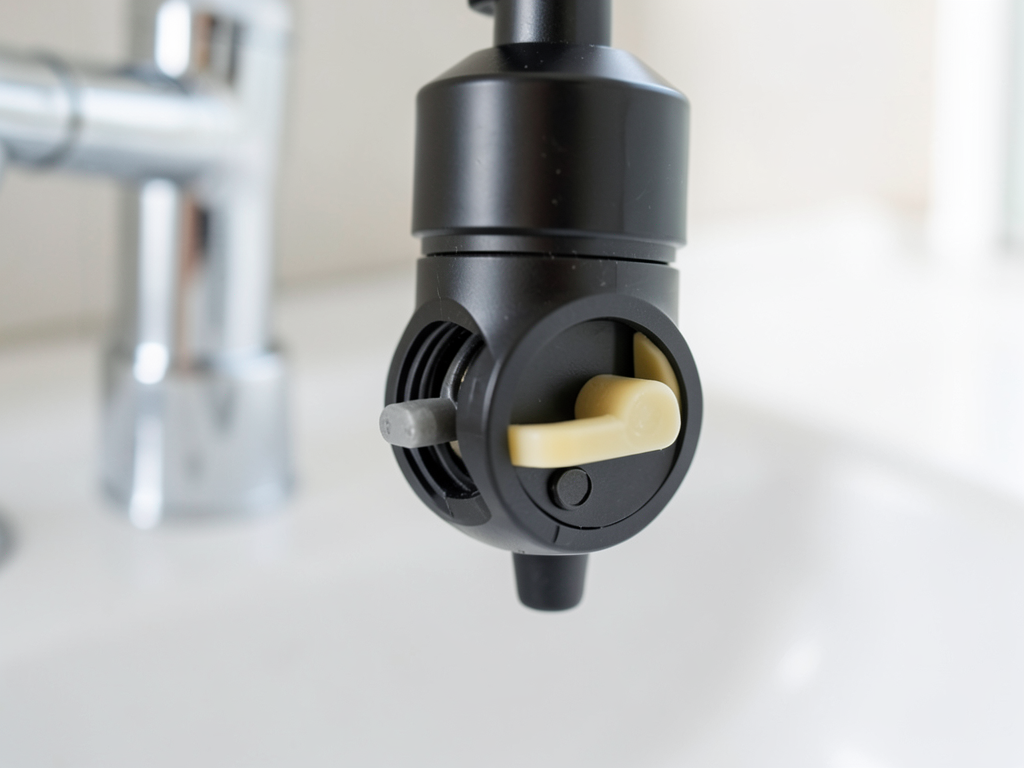
The bypass valve under the farthest fixture is the key component that makes this work. It opens when the water temperature drops below a set point allowing cooled water to return to the heater instead of draining away. This valve uses a wax element that expands and contracts with temperature changes requiring no electricity or manual adjustment. Storm Drain Cleaning & Repair.
5 Key Benefits of Installing a Recirculation Pump
Instant Hot Water Availability
No more waiting for hot water means your morning routine becomes more efficient. The average person waits 2-3 minutes for hot water to reach the shower time that adds up to over 100 hours per year spent standing at the tap. With a recirculation system hot water arrives in seconds allowing you to step into a perfectly temperature-controlled shower immediately.
This benefit extends beyond convenience to actual lifestyle improvement. You can take longer more relaxing showers without feeling guilty about water waste. Multiple family members can shower back-to-back without waiting for the system to recover. The psychological benefit of knowing hot water is always ready cannot be overstated.
Significant Water Conservation
A family of four can waste up to 12000 gallons of water annually waiting for hot water to arrive at fixtures. This water literally goes down the drain while you wait representing both an environmental impact and a financial cost. At current Massachusetts Water Resources Authority rates this wasted water costs approximately $60-80 per year in direct water charges. Massachusetts State Plumbing Code.
The environmental impact is even more significant. That 12000 gallons represents enough water to fill a small swimming pool or provide a year’s worth of drinking water for multiple families. In a region where water conservation is increasingly important due to climate change and infrastructure constraints reducing this waste makes both economic and environmental sense.
Energy Efficiency Improvements
While a recirculation pump does use electricity to operate the net energy impact is positive. The system actually reduces overall energy consumption by eliminating the need to heat cold water that would otherwise flow down the drain. Additionally modern pumps use as little as 25-50 watts of power comparable to a small light bulb.
The energy savings become more pronounced in homes with tankless water heaters. These systems must fire up and heat water on demand which takes additional time and energy. A recirculation system pre-heats the pipes allowing tankless heaters to operate more efficiently and reducing the temperature differential they must overcome.
Extended Plumbing System Lifespan
Constant temperature fluctuations in pipes cause expansion and contraction that can lead to joint failures and leaks over time. A recirculation system maintains more consistent temperatures throughout the plumbing network reducing thermal stress on pipes fittings and connections. This can extend the life of your plumbing system by several years. Reliable 24 hour plumbing repair in the Back Bay.
The system also reduces sediment buildup in water heaters. When hot water sits stagnant in pipes minerals can precipitate out and settle in the heater tank. Continuous circulation keeps minerals suspended in the water reducing scale formation and maintaining heater efficiency over its lifespan.
Increased Property Value and Modern Comfort
Modern luxury homes in Weston increasingly feature hot water recirculation as a standard amenity. Homebuyers expect instant hot water as part of a premium bathroom experience and the absence of this feature can make a property feel dated compared to newer constructions. Installing a recirculation system can provide a competitive advantage when selling your home.
The system also eliminates the need for point-of-use water heaters at individual fixtures freeing up valuable space under sinks and reducing electrical load requirements. This clean integrated approach to hot water delivery appeals to buyers who appreciate thoughtful high-end mechanical systems.
Boston-Specific Considerations: ROI and Water Rates
The Massachusetts Water Resources Authority serves Weston and surrounding communities with water rates that make recirculation systems particularly cost-effective. At current rates of approximately $5.70 per 1000 gallons for water and sewer combined the 12000 gallons saved annually translates to about $68 in direct utility savings. Massachusetts Water Resources Authority rates.
Beyond water savings the energy efficiency improvements can reduce water heating costs by 5-10% annually. For a typical household spending $600-800 per year on water heating this represents $30-80 in additional savings. The total annual savings of $100-150 means most systems pay for themselves within 3-5 years.
Weston’s specific housing characteristics make recirculation systems especially valuable. Many homes in the area were built during the 1980s-2000s building boom and feature long plumbing runs typical of large colonial and contemporary designs. These homes often have master suites located far from the main water heater creating the exact conditions where recirculation provides maximum benefit. Plumbing Quincy.
The local climate also factors into system selection. Massachusetts winters mean incoming water temperatures can drop to 40-45 degrees Fahrenheit requiring more energy to heat water and making the wait time more noticeable. A recirculation system provides year-round comfort while reducing the energy needed to overcome these cold-water challenges.
Choosing the Right Pump: Traditional vs. On-Demand Systems
Traditional recirculation systems operate continuously or on a timer keeping hot water circulating throughout the day. These systems provide the most consistent performance but use more electricity. They work best in homes where hot water is needed at various times throughout the day such as households with multiple working adults or families with children.
On-demand systems activate only when you press a button or when motion sensors detect activity near fixtures. These systems use less electricity but require planning ahead. They work well in homes where hot water usage follows predictable patterns such as retired couples or single occupants with consistent schedules.
| System Type | Initial Cost | Annual Electricity Use | Water Savings | Best For |
|---|---|---|---|---|
| Traditional Timer | $600-800 | $25-35 | 12000+ gallons | Busy families |
| Temperature-Controlled | $700-900 | $20-30 | 12000+ gallons | Variable schedules |
| On-Demand | $400-600 | $5-10 | 8000-10000 gallons | Scheduled use |
| Tankless Integration | $800-1200 | $30-40 | 15000+ gallons | Tankless systems |
The installation complexity also varies by system type. Traditional systems require a dedicated return line which may involve opening walls in existing homes. On-demand systems can often use existing cold water lines as the return path making them easier to retrofit. Your home’s plumbing configuration will determine which option is most practical. Heavy duty sump pump installation for flood-prone basements in Quincy.
Installation Considerations for Weston Estates
Weston homes often feature complex plumbing layouts with multiple water heaters serving different areas of the house. Before installing a recirculation system a professional assessment should map your hot water distribution to identify the optimal pump location and return line path. This assessment includes measuring pipe runs checking water pressure and evaluating your existing water heater capacity.
The Massachusetts State Plumbing Code (248 CMR 10.00) requires that all plumbing modifications meet specific standards for cross-connection prevention and thermal expansion control. A properly installed recirculation system includes check valves and thermal expansion tanks where required to prevent contamination and protect your plumbing infrastructure.
Many Weston estates feature high-end fixtures and custom plumbing configurations that require specialized knowledge for proper integration. Luxury shower systems multiple shower heads and complex valve arrangements may need specific recirculation system modifications to ensure consistent performance across all fixtures.
The installation process typically takes 4-8 hours for a professional plumber depending on system complexity and whether new piping is required. During installation water service is interrupted for brief periods and access may be needed to mechanical rooms crawl spaces or wall cavities to run new piping.
Maintenance and Troubleshooting
Hot water recirculation systems require minimal maintenance but benefit from annual checks. The pump bearings may need lubrication after 3-5 years of operation and the thermostatic bypass valve should be tested annually to ensure proper temperature response. Most modern pumps include LED indicators that simplify troubleshooting.
Common issues include air in the system which can cause noise and reduced flow and mineral buildup in the bypass valve which can prevent proper operation. These problems are easily resolved with basic maintenance procedures that any homeowner can perform with simple tools.
If you notice reduced hot water flow or inconsistent temperatures the first step is checking the pump operation and ensuring the bypass valve is functioning correctly. Many recirculation pumps include diagnostic features that help identify specific problems without requiring professional service.
Frequently Asked Questions
Will a recirculation pump significantly increase my electric bill?
Modern recirculation pumps use 25-50 watts of power adding approximately $25-35 to your annual electricity costs. This is offset by water savings of $60-80 per year and energy savings from reduced water heating requirements resulting in net savings of $50-100 annually.
Can I install a recirculation system if I have a tankless water heater?
Yes but you’ll need a system specifically designed for tankless integration. These systems include a small buffer tank that maintains hot water availability without triggering the tankless heater to fire up unnecessarily. This prevents the cold-water sandwich effect common in tankless systems with recirculation.
How long does it take to install a recirculation system in an existing home?
Most installations take 4-8 hours for a professional plumber. Systems that require new return line piping may take longer especially in finished homes where wall access is limited. On-demand systems that use existing cold water lines as the return path can often be installed in 2-3 hours.
Will the pump be noisy?
Quality recirculation pumps operate at 40-50 decibels similar to a quiet refrigerator. The pump is typically installed in a mechanical room or basement where noise is not noticeable. Some homeowners report hearing a soft humming when standing directly next to the pump but it’s generally not audible in living spaces.
Do I need a permit to install a recirculation system?
In Massachusetts recirculation systems are considered plumbing modifications that require permits in most jurisdictions. A licensed plumber can obtain the necessary permits and ensure the installation meets all local code requirements including cross-connection prevention and thermal expansion control.

Take Control of Your Hot Water Today
Stop wasting time and water waiting for hot water to reach your master bath. A properly designed recirculation system can transform your daily routine while saving thousands of gallons of water annually. The investment typically pays for itself within 3-5 years through utility savings and adds lasting value to your Weston estate.
Heritage Plumbing has installed hundreds of recirculation systems throughout the Boston area including many luxury homes in Weston. Our master plumbers understand the unique challenges of large estate plumbing systems and can design a solution that provides instant hot water exactly where you need it.
Call (617) 749-9799 today to schedule your free recirculation system consultation. We’ll assess your home’s plumbing layout discuss system options and provide a detailed proposal with exact costs and expected savings. Don’t wait another morning for hot water to arrive at your shower.
Pick up the phone and call (617) 749-9799 before the next cold morning leaves you standing at the tap waiting for hot water. Your comfort and convenience are worth the call.
{
“@context”: “https://schema.org”,
“@type”: “BlogPosting”,
“headline”: “Why Your Hot Water Takes Forever to Reach the Master Bath in Your Weston Estate”,
“description”: “Discover why hot water takes so long to reach your Weston estate’s master bath and how a recirculation system can save water, energy, and time.”,
“wordCount”: 2124,
“datePublished”: “2026-05-22T09:16:00.000Z”,
“dateModified”: “2026-05-22T09:16:00.000Z”,
“inLanguage”: “en-US”,
“mainEntityOfPage”: {
“@type”: “WebPage”,
“@id”: “https://heritageplumbingboston.com”
},
“publisher”: {
“@type”: “LocalBusiness”,
“name”: “Heritage Plumbing Boston”,
“url”: “https://heritageplumbingboston.com”
},
“author”: {
“@type”: “Organization”,
“name”: “Heritage Plumbing Boston”,
“url”: “https://heritageplumbingboston.com”
},
“image”: {
“@type”: “ImageObject”,
“url”: “https://heritageplumbingboston.com/wp-content/uploads/2026/03/why-your-hot-water-takes-forever-to-reach-the-mast-1.png”
}
}
{
“@context”: “https://schema.org”,
“@type”: “Plumber”,
“name”: “Heritage Plumbing Boston”,
“url”: “https://heritageplumbingboston.com”,
“address”: {
“@type”: “PostalAddress”,
“addressLocality”: “Boston”
},
“areaServed”: {
“@type”: “City”,
“name”: “Boston”
}
}
{
“@context”: “https://schema.org”,
“@type”: “FAQPage”,
“mainEntity”: [
{
“@type”: “Question”,
“name”: “How Does a Hot Water Recirculation System Work?”,
“acceptedAnswer”: {
“@type”: “Answer”,
“text”: “A hot water recirculation system creates a continuous loop that keeps hot water moving through your pipes rather than letting it cool in the lines. The system includes a small pump installed near your water heater a dedicated return line that loops back to the heater and a thermostatic bypass valve under the farthest fixture. The pump runs on a timer or temperature sensor circulating water when you need it most.”
}
},
{
“@type”: “Question”,
“name”: “Will a recirculation pump significantly increase my electric bill?”,
“acceptedAnswer”: {
“@type”: “Answer”,
“text”: “Modern recirculation pumps use 25-50 watts of power adding approximately $25-35 to your annual electricity costs. This is offset by water savings of $60-80 per year and energy savings from reduced water heating requirements resulting in net savings of $50-100 annually.”
}
},
{
“@type”: “Question”,
“name”: “Can I install a recirculation system if I have a tankless water heater?”,
“acceptedAnswer”: {
“@type”: “Answer”,
“text”: “Yes but you’ll need a system specifically designed for tankless integration. These systems include a small buffer tank that maintains hot water availability without triggering the tankless heater to fire up unnecessarily. This prevents the cold-water sandwich effect common in tankless systems with recirculation.”
}
},
{
“@type”: “Question”,
“name”: “How long does it take to install a recirculation system in an existing home?”,
“acceptedAnswer”: {
“@type”: “Answer”,
“text”: “Most installations take 4-8 hours for a professional plumber. Systems that require new return line piping may take longer especially in finished homes where wall access is limited. On-demand systems that use existing cold water lines as the return path can often be installed in 2-3 hours.”
}
},
{
“@type”: “Question”,
“name”: “Will the pump be noisy?”,
“acceptedAnswer”: {
“@type”: “Answer”,
“text”: “Quality recirculation pumps operate at 40-50 decibels similar to a quiet refrigerator. The pump is typically installed in a mechanical room or basement where noise is not noticeable. Some homeowners report hearing a soft humming when standing directly next to the pump but it’s generally not audible in living spaces.”
}
},
{
“@type”: “Question”,
“name”: “Do I need a permit to install a recirculation system?”,
“acceptedAnswer”: {
“@type”: “Answer”,
“text”: “In Massachusetts recirculation systems are considered plumbing modifications that require permits in most jurisdictions. A licensed plumber can obtain the necessary permits and ensure the installation meets all local code requirements including cross-connection prevention and thermal expansion control.”
}
}
]
}
{
“@context”: “https://schema.org”,
“@type”: “BreadcrumbList”,
“itemListElement”: [
{
“@type”: “ListItem”,
“position”: 1,
“name”: “Home”,
“item”: “https://heritageplumbingboston.com”
},
{
“@type”: “ListItem”,
“position”: 2,
“name”: “Blog”,
“item”: “https://heritageplumbingboston.com/blog”
},
{
“@type”: “ListItem”,
“position”: 3,
“name”: “Why Your Hot Water Takes Forever to Reach the Master Bath in Your Weston Estate”
}
]
}
{
“@context”: “https://schema.org”,
“@type”: “Service”,
“serviceType”: “Plumbing”,
“provider”: {
“@type”: “LocalBusiness”,
“name”: “Heritage Plumbing Boston”,
“url”: “https://heritageplumbingboston.com”
},
“areaServed”: {
“@type”: “City”,
“name”: “Boston”
},
“description”: “Discover why hot water takes so long to reach your Weston estate’s master bath and how a recirculation system can save water, energy, and time.”
}