
Why High Water Pressure is Actually Ruining the Fixtures in Your Waban Home
High water pressure in your Waban home might feel like a luxury, but it’s actually a silent destroyer of your plumbing fixtures. Many Waban homes built in the early 1900s weren’t designed for today’s water pressure levels, which can exceed 80 PSI from the MWRA system. This excessive pressure is causing premature failure of faucets, toilets, water heaters, and washing machines throughout your home. Reliable 24 hour plumbing repair in the Back Bay.
Heritage Plumbing has been diagnosing and solving high water pressure issues in Waban and across Newton for over 15 years. We understand the unique challenges of maintaining older homes with aging plumbing systems while meeting modern water demands. Solving sewer line issues in older Dorchester homes without digging up the yard.
Understanding Boston’s High Water Pressure Issues
The Massachusetts Water Resources Authority delivers water to Waban homes at pressures often exceeding 80 PSI to ensure adequate flow to the highest points in the system. While this works for tall buildings, it creates problems for single-family homes sitting lower in the system. Massachusetts Plumbing Code 248 CMR.
Waban’s historic homes, many built between 1900-1940, feature original plumbing that wasn’t designed for these pressure levels. The combination of high municipal pressure and aging pipes creates a perfect storm for fixture damage. Storm Drain Cleaning & Repair.
According to the Massachusetts Plumbing Code 248 CMR 10.00, residential water pressure should be maintained between 40-80 PSI, with 50-60 PSI being optimal for most fixtures. Homes exceeding this range face accelerated wear on all water-using appliances. Massachusetts Water Resources Authority.

Diagram showing how a pressure reducing valve installation protects home plumbing fixtures from excessive municipal water pressure. Water heater replacement and repair for South Boston condos.
Signs Your Home Needs a Pressure Reducing Valve
High water pressure manifests through several warning signs that many homeowners mistake for normal wear. Here are the most common indicators that your Waban home needs pressure regulation:. Read more about Finding a High Pressure Low Flow Showerhead for Your Leather District Loft.
- Banging pipes or water hammer sounds when you turn off faucets
- Leaking faucets or toilets that run continuously
- Shortened lifespan of water heaters (under 8 years)
- Premature failure of washing machine hoses and valves
- Dripping shower heads even when fully closed
- High water bills despite normal usage
Many Waban homeowners report replacing faucets every 2-3 years instead of the expected 10-15 year lifespan. This accelerated wear pattern is directly tied to excessive water pressure forcing water through seals and gaskets at rates they weren’t designed to handle.
The sound test is particularly telling. If you hear a distinct “bang” when you shut off a faucet, especially in older sections of your home, you’re experiencing water hammer caused by high pressure. This isn’t just annoying—it’s actively damaging your pipes.
The Installation Process: What to Expect
Installing a pressure reducing valve requires precision and understanding of your home’s specific plumbing configuration. Here’s what Heritage Plumbing’s certified technicians follow during a typical PRV installation in a Waban home: Heavy duty sump pump installation for flood-prone basements in Quincy.
- Initial Pressure Assessment
Using a calibrated pressure gauge, we measure your home’s incoming water pressure at multiple points to establish baseline readings and identify pressure fluctuations.
- Main Water Shut-off
We locate and shut off your home’s main water supply, typically found in the basement near the front foundation wall where the water service enters.
- PRV Installation Location
The valve is installed on the main water line after the meter but before any branch lines, usually in the basement where it’s accessible for future maintenance.
- Thermal Expansion Tank Integration
Because a PRV creates a closed system, we install a thermal expansion tank on the cold water line near the water heater to accommodate pressure increases from heating.
- Pressure Calibration
We set the valve to deliver 55 PSI, the optimal pressure for Waban homes that balances fixture protection with adequate flow.
- System Testing
After installation, we test all fixtures for proper flow and check for any leaks at connection points.
The entire process typically takes 3-4 hours for a standard installation. However, homes with complex plumbing configurations or those requiring extensive repiping may need additional time.
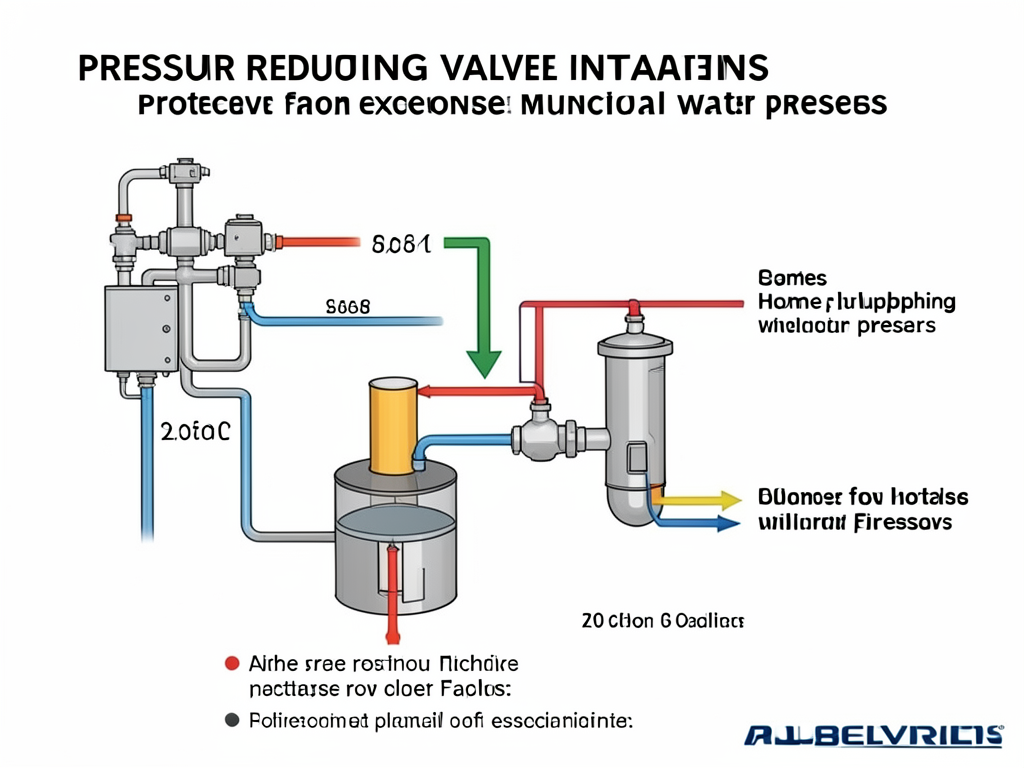
Photo of a licensed plumber installing a pressure reducing valve in a Waban basement, showing proper valve orientation and connection to the main water line.
Massachusetts Plumbing Code Requirements
Massachusetts Plumbing Code 248 CMR 10.00 establishes strict requirements for pressure reducing valve installations. These regulations aren’t just bureaucratic red tape—they’re designed to protect your home and ensure system compatibility.
The code requires that PRVs be installed by a licensed plumber and that the installation includes specific safety features. Most importantly, when a PRV is installed, it creates what the code calls a “closed system,” which must include a thermal expansion tank to prevent dangerous pressure buildup in the water heater.
Local permits are required for PRV installation in Newton, and inspections must be scheduled through the Building Department. Heritage Plumbing handles all permitting and ensures your installation meets or exceeds code requirements.
The thermal expansion tank requirement is particularly critical. Without it, the pressure in your water heater can spike to dangerous levels when water heats and expands, potentially causing the tank to rupture or the pressure relief valve to discharge.
Many DIY installations fail to include this critical component, creating both code violations and safety hazards. Our technicians are trained to identify these issues and ensure your system is fully compliant.
Cost vs. Long-Term Savings
While the upfront cost of a pressure reducing valve installation might seem significant, the long-term savings are substantial. Here’s a breakdown of the typical investment versus the protection it provides:
| Component | Typical Cost Range | Expected Lifespan | Annual Savings |
|---|---|---|---|
| Pressure Reducing Valve | $250 – $400 | 7-12 years | Prevents fixture replacement costs |
| Installation Labor | $350 – $500 | N/A | Includes warranty and code compliance |
| Thermal Expansion Tank | $80 – $150 | 5-8 years | Protects water heater from premature failure |
| Total Investment | $680 – $1,050 | N/A | Prevents $2,000+ in potential damage |
The most significant savings come from preventing catastrophic failures. A burst washing machine hose at 80 PSI can release 500 gallons of water per hour, causing thousands in water damage. With a properly regulated 55 PSI system, the same hose lasts years longer and releases water at a much slower rate if it does fail.
Water conservation is another benefit many Waban homeowners don’t expect. High pressure means more water flows through fixtures than necessary. A family of four can save 6,000-10,000 gallons annually simply by reducing pressure to optimal levels.
Maintenance and Lifespan Considerations
A properly installed pressure reducing valve requires minimal maintenance but does need periodic attention. The strainer inside the valve should be cleaned annually to prevent debris buildup that can affect pressure regulation.. Read more about Should You Refinish or Replace That Heavy Cast Iron Tub in Your Lower Mills Home?.
The pressure setting should be checked every 2-3 years. Over time, the internal spring can weaken, causing pressure to drift upward. A simple adjustment can restore optimal performance.
Most PRVs last 7-12 years before the internal components begin to wear. Signs of a failing valve include pressure fluctuations, difficulty adjusting the pressure setting, or water hammer returning after years of quiet operation.
Heritage Plumbing offers maintenance agreements that include annual pressure checks and valve cleaning. This proactive approach prevents the gradual pressure creep that many homeowners don’t notice until fixtures start failing again.
Photo showing the internal components of a pressure reducing valve, including the strainer, diaphragm, and pressure adjustment mechanism.
Why Professional Installation Matters
Installing a pressure reducing valve might seem straightforward, but professional installation ensures your system works correctly and safely. Here’s why DIY attempts often fail:
Many homeowners don’t realize that creating a closed system requires specific knowledge of thermal dynamics and water expansion. Without proper sizing and placement of the expansion tank, you’re creating a pressure bomb in your water heater.
Professional plumbers understand how to size the PRV for your home’s specific flow requirements. An undersized valve creates pressure drops when multiple fixtures run simultaneously, while an oversized valve fails to provide adequate pressure regulation.. Read more about How to Fix a Slab Leak Under Your Canton Garage or Basement.
Code compliance is another critical factor. Massachusetts requires permits and inspections for PRV installations. Heritage Plumbing handles this paperwork and ensures your installation passes inspection the first time.
Most importantly, professional installation includes warranty protection. If a valve fails within the warranty period, we replace it at no cost. DIY installations leave you responsible for any failures or damage they cause.
Protecting Your Waban Home Investment
Waban homes represent significant investments, often valued at over $1 million. Protecting this investment means addressing the hidden threats that high water pressure poses to your plumbing infrastructure.
The original plumbing in many Waban homes was installed when municipal pressure was lower. Today’s higher pressure puts stress on every connection, valve, and fixture in your home. This stress accumulates over time, leading to the premature failures we see daily.
Heritage Plumbing’s approach combines modern pressure management technology with respect for your home’s historic character. We install valves in locations that maintain your basement’s functionality while ensuring easy access for future maintenance.
Our technicians understand the specific challenges of Waban’s housing stock. We know where to expect cast iron drain lines, galvanized supply lines, and the unique configurations that come with homes built over a century ago.
Don’t wait for a catastrophic failure to address your high water pressure. The gradual damage is already occurring, and each day of excessive pressure brings you closer to expensive repairs.
Frequently Asked Questions
How do I know if my water pressure is too high?
You can test it with a pressure gauge available at hardware stores, or look for signs like banging pipes, leaking fixtures, and short appliance lifespans. Most homes exceeding 75 PSI need pressure reduction.
Can I install a pressure reducing valve myself?
While possible, DIY installation often misses critical components like thermal expansion tanks and may violate Massachusetts plumbing codes. Professional installation ensures safety, code compliance, and warranty protection.
How long does a pressure reducing valve last?
Quality PRVs typically last 7-12 years. Annual maintenance including strainer cleaning can extend their lifespan and ensure consistent pressure regulation.
Will reducing water pressure affect my water flow?
When properly installed, a PRV set to 55 PSI maintains excellent flow while protecting fixtures. You shouldn’t notice any reduction in performance, just longer-lasting fixtures.
Do I need a permit for PRV installation in Newton?
Yes, Massachusetts Plumbing Code requires permits for PRV installations. Heritage Plumbing handles all permitting and inspections as part of our service.
Take Action Today
High water pressure is silently damaging your Waban home’s plumbing fixtures right now. Every day of excessive pressure accelerates wear on your faucets, toilets, water heater, and appliances.
Heritage Plumbing offers comprehensive pressure assessments to determine if your home would benefit from a pressure reducing valve. Our licensed technicians will measure your current pressure, inspect your plumbing system, and provide a detailed recommendation.
Don’t wait for a catastrophic failure or expensive fixture replacement. Call (617) 749-9799 today to schedule your pressure assessment and protect your Waban home from the hidden damage of high water pressure.
Pick up the phone and call (617) 749-9799 before the next storm hits. High pressure combined with freezing temperatures can cause pipes to burst, leading to thousands in water damage. Heritage Plumbing is ready to help you protect your home investment.
You may also find this helpful. Why Smart Leak Detectors are the Best Insurance for Your Downtown Crossing Loft.
You may also find this helpful. Why Your Sherborn Well Pump is Cycling On and Off Constantly.
{
“@context”: “https://schema.org”,
“@type”: “BlogPosting”,
“headline”: “Why High Water Pressure is Actually Ruining the Fixtures in Your Waban Home”,
“description”: “High water pressure is silently damaging your Waban home’s plumbing fixtures. Learn the warning signs and how Heritage Plumbing can protect your investment.”,
“wordCount”: 1883,
“datePublished”: “2026-05-02T12:56:00.000Z”,
“dateModified”: “2026-05-02T12:56:00.000Z”,
“inLanguage”: “en-US”,
“mainEntityOfPage”: {
“@type”: “WebPage”,
“@id”: “https://heritageplumbingboston.com”
},
“publisher”: {
“@type”: “LocalBusiness”,
“name”: “Heritage Plumbing Boston”,
“url”: “https://heritageplumbingboston.com”
},
“author”: {
“@type”: “Organization”,
“name”: “Heritage Plumbing Boston”,
“url”: “https://heritageplumbingboston.com”
},
“image”: {
“@type”: “ImageObject”,
“url”: “https://heritageplumbingboston.com/wp-content/uploads/2026/03/why-high-water-pressure-is-actually-ruining-the-fi-1.png”
}
}
{
“@context”: “https://schema.org”,
“@type”: “Plumber”,
“name”: “Heritage Plumbing Boston”,
“url”: “https://heritageplumbingboston.com”,
“address”: {
“@type”: “PostalAddress”,
“addressLocality”: “Boston”
},
“areaServed”: {
“@type”: “City”,
“name”: “Boston”
}
}
{
“@context”: “https://schema.org”,
“@type”: “FAQPage”,
“mainEntity”: [
{
“@type”: “Question”,
“name”: “How do I know if my water pressure is too high?”,
“acceptedAnswer”: {
“@type”: “Answer”,
“text”: “You can test it with a pressure gauge available at hardware stores, or look for signs like banging pipes, leaking fixtures, and short appliance lifespans. Most homes exceeding 75 PSI need pressure reduction.”
}
},
{
“@type”: “Question”,
“name”: “Can I install a pressure reducing valve myself?”,
“acceptedAnswer”: {
“@type”: “Answer”,
“text”: “While possible, DIY installation often misses critical components like thermal expansion tanks and may violate Massachusetts plumbing codes. Professional installation ensures safety, code compliance, and warranty protection.”
}
},
{
“@type”: “Question”,
“name”: “How long does a pressure reducing valve last?”,
“acceptedAnswer”: {
“@type”: “Answer”,
“text”: “Quality PRVs typically last 7-12 years. Annual maintenance including strainer cleaning can extend their lifespan and ensure consistent pressure regulation.”
}
},
{
“@type”: “Question”,
“name”: “Will reducing water pressure affect my water flow?”,
“acceptedAnswer”: {
“@type”: “Answer”,
“text”: “When properly installed, a PRV set to 55 PSI maintains excellent flow while protecting fixtures. You shouldn’t notice any reduction in performance, just longer-lasting fixtures.”
}
},
{
“@type”: “Question”,
“name”: “Do I need a permit for PRV installation in Newton?”,
“acceptedAnswer”: {
“@type”: “Answer”,
“text”: “Yes, Massachusetts Plumbing Code requires permits for PRV installations. Heritage Plumbing handles all permitting and inspections as part of our service.”
}
}
]
}
{
“@context”: “https://schema.org”,
“@type”: “HowTo”,
“name”: “Pressure Reducing Valve Installation Process”,
“step”: [
{
“@type”: “HowToStep”,
“position”: 1,
“name”: “Initial Pressure Assessment”,
“text”: “Using a calibrated pressure gauge, we measure your home’s incoming water pressure at multiple points to establish baseline readings and identify pressure fluctuations.”
},
{
“@type”: “HowToStep”,
“position”: 2,
“name”: “Main Water Shut-off”,
“text”: “We locate and shut off your home’s main water supply, typically found in the basement near the front foundation wall where the water service enters.”
},
{
“@type”: “HowToStep”,
“position”: 3,
“name”: “PRV Installation Location”,
“text”: “The valve is installed on the main water line after the meter but before any branch lines, usually in the basement where it’s accessible for future maintenance.”
},
{
“@type”: “HowToStep”,
“position”: 4,
“name”: “Thermal Expansion Tank Integration”,
“text”: “Because a PRV creates a closed system, we install a thermal expansion tank on the cold water line near the water heater to accommodate pressure increases from heating.”
},
{
“@type”: “HowToStep”,
“position”: 5,
“name”: “Pressure Calibration”,
“text”: “We set the valve to deliver 55 PSI, the optimal pressure for Waban homes that balances fixture protection with adequate flow.”
},
{
“@type”: “HowToStep”,
“position”: 6,
“name”: “System Testing”,
“text”: “After installation, we test all fixtures for proper flow and check for any leaks at connection points.”
}
],
“image”: “https://heritageplumbingboston.com/wp-content/uploads/2026/03/why-high-water-pressure-is-actually-ruining-the-fi-1.png”
}
{
“@context”: “https://schema.org”,
“@type”: “BreadcrumbList”,
“itemListElement”: [
{
“@type”: “ListItem”,
“position”: 1,
“name”: “Home”,
“item”: “https://heritageplumbingboston.com”
},
{
“@type”: “ListItem”,
“position”: 2,
“name”: “Blog”,
“item”: “https://heritageplumbingboston.com/blog”
},
{
“@type”: “ListItem”,
“position”: 3,
“name”: “Why High Water Pressure is Actually Ruining the Fixtures in Your Waban Home”
}
]
}
{
“@context”: “https://schema.org”,
“@type”: “Service”,
“serviceType”: “Plumbing”,
“provider”: {
“@type”: “LocalBusiness”,
“name”: “Heritage Plumbing Boston”,
“url”: “https://heritageplumbingboston.com”
},
“areaServed”: {
“@type”: “City”,
“name”: “Boston”
},
“description”: “High water pressure is silently damaging your Waban home’s plumbing fixtures. Learn the warning signs and how Heritage Plumbing can protect your investment.”
}