
How to Stop Your Chelsea Commercial Kitchen Drain from Clogging Every Month
Commercial kitchen drains in Chelsea restaurants face unique challenges from dense urban infrastructure and strict Boston Water and Sewer Commission regulations. If your kitchen drain clogs monthly you’re dealing with grease buildup improper disposal practices or undersized grease interceptors. The solution requires understanding local compliance codes implementing proper maintenance schedules and training staff on best practices. This guide covers everything you need to prevent costly backups and stay compliant with BWSC requirements. Boston Water and Sewer Commission FOG regulations.
Understanding Chelsea’s Commercial Kitchen Drain Challenges
Chelsea’s restaurant district sits in a compact urban area where aging sewer infrastructure meets high-volume commercial kitchens. The combination creates perfect conditions for recurring drain clogs. Most restaurants along Broadway and Chelsea Street operate in buildings constructed before modern grease trap requirements existed meaning your plumbing system may be handling more grease than it was designed for. Solving sewer line issues in older Dorchester homes without digging up the yard.
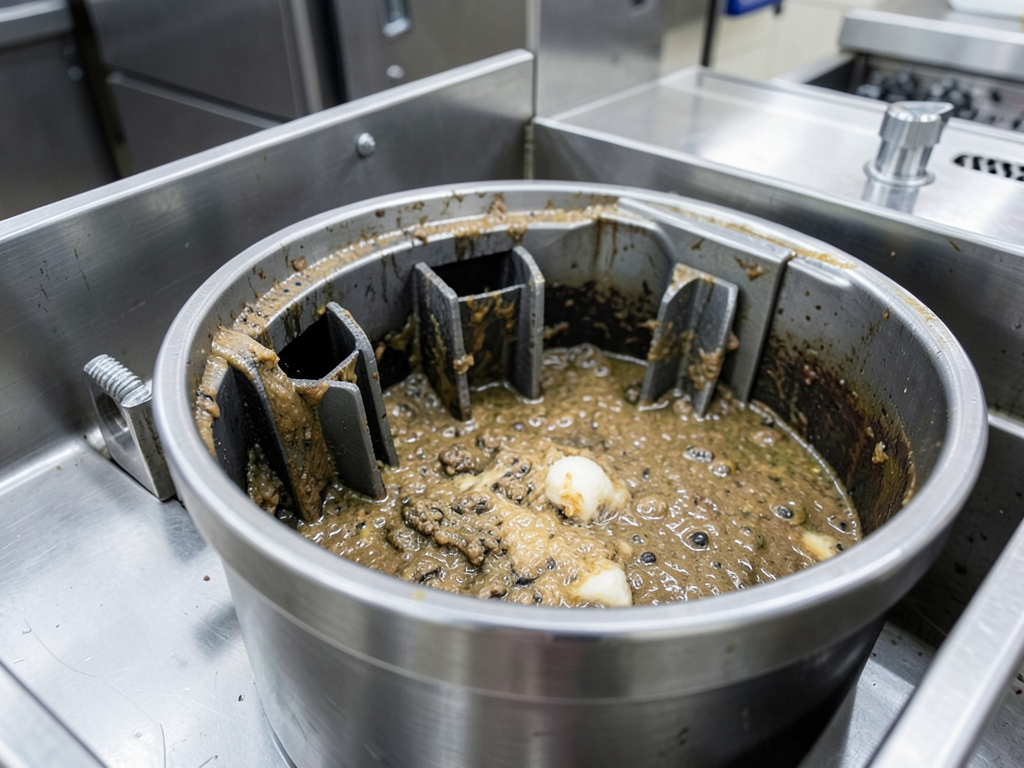
The primary culprit is FOG (Fats Oils and Grease) that accumulates in pipes over time. Unlike residential drains commercial kitchen systems process hundreds of gallons of wastewater daily each carrying small amounts of grease that stick to pipe walls. When temperatures drop in winter this grease hardens and creates blockages that cause slow drainage or complete backups. Water heater replacement and repair for South Boston condos.
Why Monthly Clogs Are a Sign of Bigger Problems
If you’re experiencing monthly drain clogs your current maintenance approach isn’t working. Monthly backups indicate either an undersized grease trap improper cleaning frequency or staff practices that overwhelm your system. The BWSC requires commercial kitchens to prevent FOG from entering the sewer system and repeated clogs suggest you’re not meeting these requirements.. Read more about Signs Your Main Sewer Line in Arlington is Failing (And How to Choose the Right Fix).
Monthly clogs also point to potential code violations. Massachusetts Title 5 regulations and BWSC FOG ordinances require proper grease management systems. When backups occur regularly it means your interceptor isn’t capturing enough grease before it reaches the sewer line. This puts your restaurant at risk for fines and mandatory system upgrades. Massachusetts Title 5 regulations.
BWSC Compliance Requirements for Chelsea Restaurants
The Boston Water and Sewer Commission enforces strict FOG regulations that affect every Chelsea commercial kitchen. Restaurants must install properly sized grease interceptors maintain them according to BWSC schedules and keep detailed manifests of all pumping and cleaning activities. Non-compliance can result in fines starting at $500 per violation.
BWSC requires grease interceptors to be pumped when they reach 25% capacity of accumulated grease and solids. For most Chelsea restaurants this means quarterly pumping at minimum though high-volume kitchens may need monthly service. The commission also mandates that all waste be hauled by licensed waste transporters who provide manifests for record-keeping.
Local inspectors routinely check grease trap compliance during health inspections. They verify trap sizing matches kitchen capacity confirm maintenance records are current and inspect for signs of FOG discharge into sewer lines. Restaurants without proper documentation face immediate compliance orders and potential business interruptions.. Read more about Protecting Your Salem Business from Costly Grease Trap Backups.
Diagnosing Your Current System’s Problems
Before fixing recurring clogs you need to understand what’s causing them. Start by checking your grease trap size. BWSC sizing guidelines recommend 20 gallons per meal seat for indoor under-sink traps or 1000 gallons minimum for outdoor interceptors serving high-volume restaurants. Many Chelsea restaurants operate with undersized systems installed decades ago.
Next examine your maintenance records. If you’re pumping only when clogs occur you’re already behind schedule. Proper maintenance means pumping before the trap reaches capacity not after problems arise. Also check for signs of improper installation like missing baffles incorrect pipe slopes or inadequate venting that can contribute to recurring issues. Heavy duty sump pump installation for flood-prone basements in Quincy.
Finally assess your kitchen practices. Staff may be pouring grease down drains using inadequate strainers or allowing food waste to enter the plumbing system. Even small amounts of grease from multiple sources add up quickly in commercial settings. Reliable 24 hour plumbing repair in the Back Bay.
Proper Grease Trap Sizing and Installation
Correct sizing is the foundation of clog prevention. A properly sized grease trap captures FOG before it enters your sewer line while allowing water to flow freely. For Chelsea restaurants sizing depends on your kitchen’s peak flow rate measured in gallons per minute during busiest operation periods.
Indoor under-sink interceptors work for smaller operations but may be inadequate for restaurants serving more than 50 meals daily. Outdoor buried interceptors provide greater capacity and are often required for restaurants in older buildings where indoor space is limited. The key is matching your trap’s capacity to your actual wastewater volume not just your restaurant size.
Installation quality matters as much as sizing. Improperly installed traps can create more problems than they solve. Pipes must maintain proper slopes connections must be watertight and ventilation systems must prevent pressure buildup that forces grease through the system.
Maintenance Schedules That Actually Prevent Clogs
Reactive maintenance – pumping only when clogs occur – guarantees monthly backups. Proactive maintenance prevents them. Your schedule should be based on your trap’s actual capacity and your kitchen’s FOG production rate not on when problems appear.
For most Chelsea restaurants this means quarterly pumping minimum. High-volume kitchens may need monthly service. The 25% capacity rule is critical – once your trap reaches this level it can no longer effectively separate grease from wastewater and FOG begins entering your sewer line.
Between professional pump-outs implement daily kitchen practices that reduce grease loading. Train staff to scrape plates thoroughly use proper strainers and dispose of cooking oil in designated containers. These simple steps can extend time between professional services and reduce the risk of backups.
Staff Training: The Missing Link in Clog Prevention
Even the best grease trap system fails without proper staff practices. Your kitchen team needs clear protocols for handling FOG and these must be reinforced through regular training. Most monthly clogs result from preventable staff errors rather than system failures.
Train staff to never pour oil or grease down drains even in small amounts. Install and maintain proper sink strainers and ensure they’re emptied regularly. Establish protocols for disposing of fryer oil including designated collection containers and pickup schedules with recycling services.
Create a simple checklist for closing procedures that includes grease management tasks. Make one person responsible for verifying these steps are completed each night. This accountability prevents the ‘someone else will handle it’ mentality that leads to FOG buildup.
Emergency Response for Active Clogs
When a clog occurs despite prevention efforts quick action prevents business interruption. First stop all kitchen operations that produce wastewater. Continuing to use clogged drains forces backed-up water into other areas potentially causing flood damage and health code violations.
Never attempt to clear commercial grease clogs with chemical drain cleaners. These products can damage pipes create hazardous fumes in commercial settings and often push the clog deeper into your system. Instead call a licensed plumber who can use proper hydro-jetting equipment designed for commercial grease removal.
While waiting for professional help contain any standing water to prevent slip hazards and document the situation with photos. This documentation helps when filing insurance claims or demonstrating the need for system upgrades to building management or health inspectors.
Choosing the Right Service Provider
Not all grease trap services are equal. When selecting a provider for your Chelsea restaurant verify they understand BWSC requirements and can provide proper manifests for compliance documentation. Many cheaper services cut corners on disposal methods or skip required paperwork.
Look for providers who offer emergency response times under two hours for active clogs. In Chelsea’s dense restaurant district quick response prevents not just your business interruption but also potential impact on neighboring establishments sharing building plumbing systems. Gas leak detection and emergency repair for Jamaica Plain residents.
Ask about their disposal methods. Reputable services recycle grease when possible and dispose of waste at licensed facilities. They should also offer inspection services to identify potential problems before they cause backups such as deteriorating pipes or inadequate trap sizing.
Cost Factors and Budgeting for Prevention
Proactive grease management costs less than reactive emergency service. Monthly emergency calls for active clogs typically cost 3-4 times more than scheduled maintenance. Add in potential lost business during closures and the cost difference becomes even more significant.
Budget for quarterly professional pumping as a baseline. High-volume kitchens should plan for monthly service. Factor in the cost of staff training time proper disposal containers and potential minor plumbing upgrades like improved strainers or additional venting.
Consider the cost of non-compliance. BWSC fines for FOG violations start at $500 and can reach thousands for repeated offenses. Business interruption during mandated repairs can cost thousands more in lost revenue. Prevention is always cheaper than dealing with the consequences of system failure.
Long-term Solutions for Chronic Problems
If you’ve implemented all prevention measures but still experience monthly clogs your system may need upgrades. This is common in Chelsea’s older restaurant buildings where original plumbing wasn’t designed for modern commercial kitchen volumes.
Options include installing larger capacity interceptors adding secondary grease removal systems or upgrading to more efficient trap designs. While these improvements require upfront investment they typically pay for themselves within 12-18 months through reduced emergency service calls and prevented business interruptions.
Some restaurants benefit from switching to advanced grease removal technologies that use air injection or mechanical separation to handle higher volumes than traditional gravity-based traps. These systems cost more initially but provide better protection against recurring clogs.
Environmental Impact and Sustainability
Proper grease management isn’t just about preventing clogs – it’s about protecting Chelsea’s environment and Boston Harbor. FOG that enters the sewer system eventually reaches treatment plants where it can cause equipment failures and discharge untreated waste into waterways.
Many Chelsea restaurants now partner with grease recycling services that convert waste oil into biodiesel. This creates an additional revenue stream while ensuring proper disposal. Some providers even offer free collection services for restaurants that generate sufficient quantities.
Implementing comprehensive FOG management also improves your restaurant’s sustainability profile which increasingly matters to customers and can be a marketing advantage in Chelsea’s competitive dining scene.
Creating a Comprehensive Prevention Plan
Stop monthly clogs by implementing a complete prevention system rather than addressing symptoms. Start with a professional assessment of your current setup including trap sizing verification and pipe condition inspection. This baseline understanding guides all other decisions.
Develop a written maintenance schedule that includes both professional services and daily kitchen protocols. Assign specific responsibilities to staff members and create accountability through regular checks. Document everything for BWSC compliance and your own records.
Plan for contingencies. Even with perfect prevention occasional issues may arise. Have relationships with emergency service providers established before you need them and ensure your staff knows the proper steps to take when problems occur.
Frequently Asked Questions
How often should my Chelsea restaurant’s grease trap be pumped?
Most restaurants need professional pumping every 1-3 months depending on kitchen volume. The BWSC requires pumping when traps reach 25% capacity of accumulated grease and solids. High-volume kitchens may need monthly service while smaller operations might manage quarterly.
What are the BWSC fines for grease trap violations?
Fines start at $500 per violation and increase for repeated offenses. Violations include allowing FOG to enter sewer lines failing to maintain proper manifests or operating without required grease interceptors. Health code violations can result in temporary closures until issues are resolved.
Can I use chemical drain cleaners for grease clogs?
No. Chemical cleaners can damage commercial plumbing create hazardous conditions in kitchen environments and often push clogs deeper into your system. They also violate BWSC disposal requirements and can result in additional fines if they enter the sewer system.
How do I know if my grease trap is properly sized?
BWSC sizing guidelines recommend 20 gallons per meal seat for indoor traps or 1000 gallons minimum for outdoor interceptors. A professional assessment should verify your trap’s capacity matches your kitchen’s peak flow rate. If you’re experiencing monthly clogs your system is likely undersized.
What should I do when a grease clog occurs?
Stop all kitchen operations immediately to prevent further backup. Do not use chemical cleaners. Contact a licensed commercial plumber who can use proper hydro-jetting equipment. Document the situation with photos for insurance and compliance purposes. Have emergency contacts established before problems occur.
Take Control of Your Kitchen’s Plumbing Today
Monthly drain clogs aren’t just annoying – they’re costing you money through emergency service calls potential fines and lost business. The solution isn’t more reactive repairs; it’s implementing a comprehensive prevention system that keeps your Chelsea restaurant running smoothly while maintaining BWSC compliance.
Heritage Plumbing understands the unique challenges Chelsea restaurants face with aging infrastructure and strict regulations. Our team provides professional grease trap assessment proper sizing recommendations and scheduled maintenance that prevents the monthly backups disrupting your business.
Don’t wait for the next emergency. Call (617) 749-9799 today to schedule your comprehensive kitchen plumbing assessment. We’ll identify the root causes of your recurring clogs and create a prevention plan that saves you money and keeps your restaurant compliant with all local regulations.
Pick up the phone and call (617) 749-9799 before your next scheduled backup occurs. Your kitchen staff your customers and your bottom line will thank you.

You may also find this helpful. The Hidden Benefits of Submetering Your Rental Properties in Everett.
{
“@context”: “https://schema.org”,
“@type”: “BlogPosting”,
“headline”: “How to Stop Your Chelsea Commercial Kitchen Drain from Clogging Every Month”,
“description”: “Stop monthly commercial kitchen drain clogs in Chelsea restaurants with BWSC-compliant grease trap solutions and proven prevention strategies.”,
“wordCount”: 2213,
“datePublished”: “2026-03-14T10:51:00.000Z”,
“dateModified”: “2026-03-14T10:51:00.000Z”,
“inLanguage”: “en-US”,
“mainEntityOfPage”: {
“@type”: “WebPage”,
“@id”: “https://heritageplumbingboston.com”
},
“publisher”: {
“@type”: “LocalBusiness”,
“name”: “Heritage Plumbing Boston”,
“url”: “https://heritageplumbingboston.com”
},
“author”: {
“@type”: “Organization”,
“name”: “Heritage Plumbing Boston”,
“url”: “https://heritageplumbingboston.com”
},
“image”: {
“@type”: “ImageObject”,
“url”: “https://heritageplumbingboston.com/wp-content/uploads/2026/03/how-to-stop-your-chelsea-commercial-kitchen-drain-1.png”
}
}
{
“@context”: “https://schema.org”,
“@type”: “Plumber”,
“name”: “Heritage Plumbing Boston”,
“url”: “https://heritageplumbingboston.com”,
“address”: {
“@type”: “PostalAddress”,
“addressLocality”: “Boston”
},
“areaServed”: {
“@type”: “City”,
“name”: “Boston”
}
}
{
“@context”: “https://schema.org”,
“@type”: “FAQPage”,
“mainEntity”: [
{
“@type”: “Question”,
“name”: “How often should my Chelsea restaurant’s grease trap be pumped?”,
“acceptedAnswer”: {
“@type”: “Answer”,
“text”: “Most restaurants need professional pumping every 1-3 months depending on kitchen volume. The BWSC requires pumping when traps reach 25% capacity of accumulated grease and solids. High-volume kitchens may need monthly service while smaller operations might manage quarterly.”
}
},
{
“@type”: “Question”,
“name”: “What are the BWSC fines for grease trap violations?”,
“acceptedAnswer”: {
“@type”: “Answer”,
“text”: “Fines start at $500 per violation and increase for repeated offenses. Violations include allowing FOG to enter sewer lines failing to maintain proper manifests or operating without required grease interceptors. Health code violations can result in temporary closures until issues are resolved.”
}
},
{
“@type”: “Question”,
“name”: “Can I use chemical drain cleaners for grease clogs?”,
“acceptedAnswer”: {
“@type”: “Answer”,
“text”: “No. Chemical cleaners can damage commercial plumbing create hazardous conditions in kitchen environments and often push clogs deeper into your system. They also violate BWSC disposal requirements and can result in additional fines if they enter the sewer system.”
}
},
{
“@type”: “Question”,
“name”: “How do I know if my grease trap is properly sized?”,
“acceptedAnswer”: {
“@type”: “Answer”,
“text”: “BWSC sizing guidelines recommend 20 gallons per meal seat for indoor traps or 1000 gallons minimum for outdoor interceptors. A professional assessment should verify your trap’s capacity matches your kitchen’s peak flow rate. If you’re experiencing monthly clogs your system is likely undersized.”
}
},
{
“@type”: “Question”,
“name”: “What should I do when a grease clog occurs?”,
“acceptedAnswer”: {
“@type”: “Answer”,
“text”: “Stop all kitchen operations immediately to prevent further backup. Do not use chemical cleaners. Contact a licensed commercial plumber who can use proper hydro-jetting equipment. Document the situation with photos for insurance and compliance purposes. Have emergency contacts established before problems occur.”
}
}
]
}
{
“@context”: “https://schema.org”,
“@type”: “BreadcrumbList”,
“itemListElement”: [
{
“@type”: “ListItem”,
“position”: 1,
“name”: “Home”,
“item”: “https://heritageplumbingboston.com”
},
{
“@type”: “ListItem”,
“position”: 2,
“name”: “Blog”,
“item”: “https://heritageplumbingboston.com/blog”
},
{
“@type”: “ListItem”,
“position”: 3,
“name”: “How to Stop Your Chelsea Commercial Kitchen Drain from Clogging Every Month”
}
]
}
{
“@context”: “https://schema.org”,
“@type”: “Service”,
“serviceType”: “Plumbing”,
“provider”: {
“@type”: “LocalBusiness”,
“name”: “Heritage Plumbing Boston”,
“url”: “https://heritageplumbingboston.com”
},
“areaServed”: {
“@type”: “City”,
“name”: “Boston”
},
“description”: “Stop monthly commercial kitchen drain clogs in Chelsea restaurants with BWSC-compliant grease trap solutions and proven prevention strategies.”
}