
Steam Radiator Noises (How to Quiet Your Loud Heating System in Roxbury)
Steam radiators in Roxbury’s historic Victorian and triple-decker homes often create loud banging, clanging, or hissing sounds that disrupt your peace and signal underlying heating problems. These noises typically stem from water hammer, improper radiator pitch, or failing air vents in Boston’s aging steam systems. The good news is that most steam radiator noises can be fixed without replacing your entire heating system, saving you money while restoring quiet comfort to your home. Water heater replacement and repair for South Boston condos.
Understanding why your radiator makes specific sounds helps diagnose the exact problem. Banging usually indicates water hammer where steam meets trapped condensate. Hissing often means a failing air vent that can’t release pressure properly. Gurgling suggests improper pitch that prevents water from draining back to the boiler. Each noise points to a specific repair that experienced steam heating technicians handle daily in Roxbury’s unique housing stock. EPA WaterSense Program.
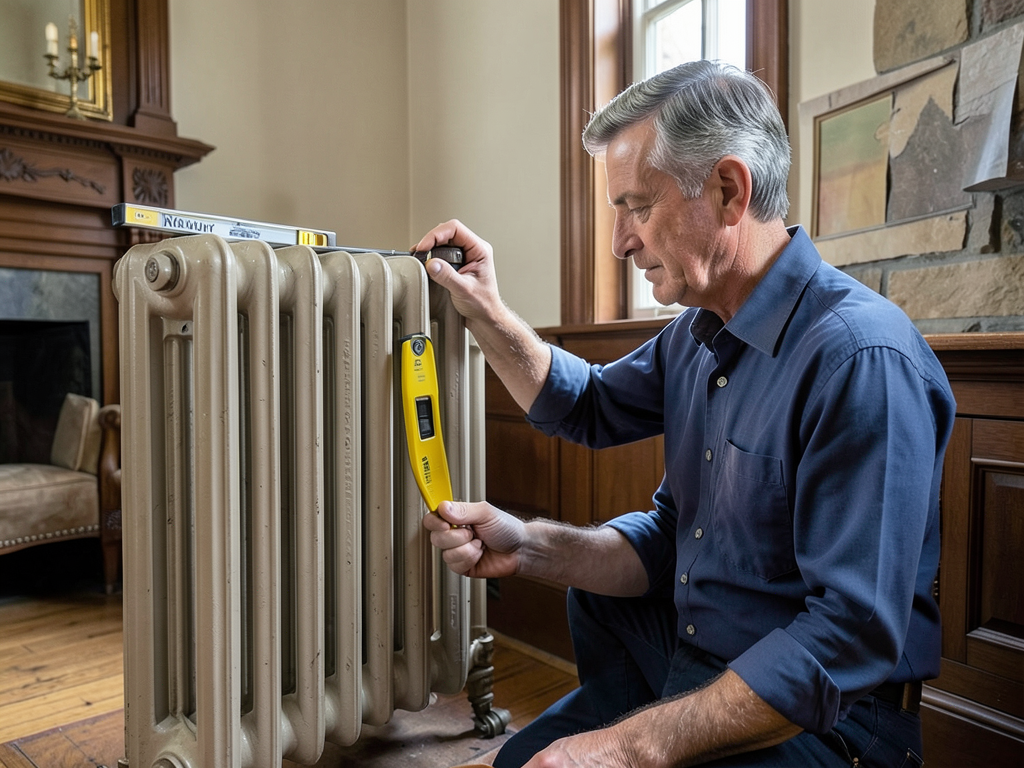
Before calling for professional help, check your radiator’s pitch using a small level. Radiators should tilt slightly toward the steam supply pipe to allow condensate to drain properly. A level radiator or one tilted the wrong way creates gurgling sounds and reduces heating efficiency. Also inspect the air vent on the opposite end from the steam pipe. If it’s clogged with mineral deposits or rusted, it won’t release air properly, causing pressure buildup and hissing noises. Storm Drain Cleaning & Repair.
Steam systems in Roxbury face unique challenges due to the neighborhood’s mix of late 1800s construction and varying water quality from the Massachusetts Water Resources Authority. Many homes still use original one-pipe steam systems with cast iron radiators that require specific maintenance approaches different from modern forced hot water systems. The combination of historic architecture and Boston’s freeze-thaw cycles creates conditions where steam pipes expand and contract, sometimes causing knocking sounds in walls that homeowners mistake for radiator problems. Massachusetts State Plumbing Code 248 CMR 10.00.
Water hammer represents the most destructive steam radiator noise and requires immediate attention. This occurs when steam pushes against trapped water in horizontal pipes, creating violent banging that can damage fittings and cause leaks. The solution often involves installing water hammer arrestors, adjusting pipe pitch, or replacing failed steam traps. In Roxbury’s older buildings, accessing pipes within plaster walls adds complexity, making professional diagnosis essential for proper repairs.. Read more about Expert boiler repair and seasonal maintenance for Hyde Park homeowners.
Radiator air vents control the critical balance between steam entering the radiator and air escaping. When vents fail, radiators heat unevenly or not at all. Hoffman Specialty and Danfoss make the most common vents used in Boston’s steam systems. A stuck vent prevents air from escaping, causing the radiator to remain cold while steam backs up in supply pipes. Conversely, a leaking vent releases steam continuously, wasting energy and creating dangerous moisture conditions in your home.. Read more about How to Properly Maintain the Old Steam Heat System in Your Malden Victorian.
The Massachusetts State Plumbing Code 248 CMR 10.00 specifically addresses steam heating system requirements, including proper venting, pipe sizing, and safety controls. Roxbury homes built before 1975 may not meet current code standards, particularly regarding main venting capacity and boiler safety devices. Modern steam boilers require proper skimming to remove oils and debris that cause surging and wet steam, leading to water hammer and radiator noise issues. Reliable 24 hour plumbing repair in the Back Bay.
Thermostatic radiator valves (TRVs) offer a modern solution for controlling individual radiator output without replacing the entire system. These devices automatically adjust steam flow based on room temperature, reducing noise from overheating radiators and improving energy efficiency. However, TRVs must be properly sized and installed on two-pipe steam systems, as they don’t work correctly with one-pipe configurations common in Roxbury’s older buildings.. Read more about Comparing Traditional vs High Efficiency Boiler Systems for Older Homes in Waltham.
Steam boiler water chemistry significantly impacts radiator performance and noise levels. High mineral content in Boston’s water supply creates scale buildup inside boilers and pipes, reducing heat transfer efficiency and causing popping sounds as steam bubbles form under mineral deposits. Annual boiler maintenance should include water testing, chemical treatment if needed, and skimming to remove accumulated debris that contributes to system noise.
Main vents located on steam mains near the boiler play a crucial role in system performance often overlooked by homeowners focused on individual radiators. These large vents must release air quickly to allow steam to reach all radiators simultaneously. Undersized or failed main vents cause radiators to heat unevenly, with those closest to the boiler getting hot while distant radiators remain cold or make gurgling sounds from trapped air.
Insulating steam pipes in unconditioned spaces like basements prevents heat loss and reduces condensation that leads to water hammer. However, Roxbury’s older homes often have pipes buried within walls or wrapped with asbestos-containing materials that require professional handling. Modern fiberglass or foam insulation can reduce pipe surface temperatures by up to 90%, improving system efficiency while eliminating knocking sounds from thermal expansion against framing members.
Steam pressure settings directly affect radiator noise levels and system efficiency. Most residential steam systems operate at 2 PSI or less, yet many boilers are set to 5-7 PSI, causing radiators to spit water, create hammering sounds, and waste energy. A properly functioning low-pressure steam system (under 2 PSI) operates quietly while providing consistent heat throughout your home.
Radiator pitch adjustment requires understanding your specific system configuration. One-pipe steam radiators must tilt slightly toward the steam supply valve to allow condensate to drain back through the same pipe that supplies steam. Two-pipe systems have separate condensate return lines, requiring different pitch considerations. Using wooden shims or adjustable feet, technicians can correct pitch issues that cause gurgling and reduce heating efficiency in Roxbury’s diverse housing stock.. Read more about How Radiant Floor Heating Could Transform Your Winter in Chestnut Hill.
Steam trap maintenance prevents condensate from pooling in radiators and supply lines. These automatic valves allow air and condensate to pass while blocking steam, but they fail over time due to mineral buildup or mechanical wear. Failed steam traps cause radiators to remain cold while steam escapes through return lines, creating pressure imbalances that result in banging and reduced system efficiency throughout your home.
Radiator valve replacement becomes necessary when internal components wear out or become stuck. Supply valves control steam flow to individual radiators, while air vents regulate pressure release. Both require specific tools and expertise to replace without damaging historic radiators common in Roxbury’s Victorian homes. Modern replacement valves must match the original system’s capacity and pressure ratings to maintain proper operation.
Boiler skimming removes surface oils, rust, and debris that accumulate during installation or from water chemistry issues. This process involves partially draining the boiler and slowly adding clean water while the system operates, allowing contaminants to float and be removed through a special skimming port. Skipping this maintenance step leads to surging water, wet steam, and the banging noises characteristic of poorly maintained steam systems. Heavy duty sump pump installation for flood-prone basements in Quincy.
Steam system balancing ensures all radiators heat evenly regardless of their distance from the boiler. This involves adjusting vent sizes, checking pipe pitch, and verifying pressure settings throughout the system. In Roxbury’s multi-story buildings, balancing becomes more complex due to varying heat loss on different floors and the effects of stack pressure on steam distribution.
Radiator replacement versus repair decisions depend on the unit’s condition, availability of parts, and energy efficiency goals. Cast iron radiators from the early 1900s often last 100+ years with proper maintenance, while modern replacements may not fit historic openings or provide the same heat output. Professional assessment helps determine whether repairing existing radiators or installing new units better serves your long-term heating needs.
Steam pipe insulation prevents heat loss in basements and crawl spaces while reducing pipe expansion noises against structural members. Roxbury’s older homes often have steam pipes running through unheated areas where significant heat escapes before reaching radiators. Proper insulation with appropriate materials for steam temperatures (up to 215°F) can reduce energy costs by 10-15% while eliminating expansion-related knocking sounds.
Pressuretrol settings control boiler operation and directly impact system noise and efficiency. These devices maintain proper steam pressure by cycling the burner on and off. Incorrect settings cause short cycling (rapid on-off operation) that wastes fuel and creates pressure fluctuations leading to radiator banging. Most residential systems operate best at cut-in pressures of 0.5 PSI with a 1 PSI differential.
Water level maintenance in steam boilers prevents damage and ensures proper operation. The sight glass shows water level, which must remain between marked lines for safe operation. Low water conditions cause boiler damage and trigger safety shutdowns, while high water levels create wet steam that leads to water hammer and radiator noise issues throughout your home.
Radiator air vent sizing affects heating speed and system balance. Oversized vents allow steam to reach radiators too quickly, causing pressure imbalances and banging. Undersized vents prevent proper air evacuation, leaving radiators cold while steam escapes through other vents. Matching vent capacity to radiator size ensures quiet, efficient operation in Roxbury’s varied housing stock.
Steam main sizing and layout significantly impact system performance. Pipes must be sized to handle the boiler’s steam output while maintaining proper velocity to carry condensate back to the boiler. Undersized mains cause high-velocity steam that creates water hammer, while oversized pipes allow steam to slow and condense prematurely, leading to uneven heating and noise issues.
Radiator valve packing replacement stops steam leaks that waste energy and create dangerous moisture conditions. Packing material around valve stems deteriorates over time, allowing steam to escape even when valves are fully closed. This not only wastes energy but can cause burns and moisture damage to surrounding surfaces in your Roxbury home.
Steam system controls including low water cutoffs, pressuretrols, and safety valves require regular testing to ensure proper operation. These devices prevent dangerous conditions like boiler dry-firing or excessive pressure buildup. Annual maintenance should verify all safety controls function correctly, as steam systems operating at higher pressures than designed create noise and safety hazards.
Radiator pitch verification using a precision level ensures proper condensate drainage. Even slight deviations from the correct angle can cause gurgling sounds and reduce heating efficiency. Technicians use specialized levels to check pitch on all radiators, adjusting as needed to eliminate noise while maintaining optimal heat output for your specific room conditions.
Steam pipe support and hangers prevent movement that causes knocking sounds against structural members. As pipes heat and cool, they expand and contract significantly. Proper supports allow this movement while preventing contact with framing that creates noise. In Roxbury’s older buildings, adding modern supports may require creative solutions to avoid damaging historic plaster or trim.
Boiler water treatment with appropriate chemicals prevents scale buildup and corrosion that cause system noise and reduce efficiency. Professional testing determines the right treatment program based on your water quality and system condition. Proper treatment can extend boiler life by years while eliminating popping sounds from scale deposits and reducing fuel consumption.
Radiator valve seat repair restores proper steam control when internal valve components wear out. This involves removing the valve, resurfacing the valve seat, and replacing internal components. For historic radiators in Roxbury’s Victorian homes, this repair often proves more cost-effective than replacement while maintaining the original character and heat output of your heating system.
Steam system zoning allows different areas of your home to operate at different temperatures, reducing overall energy consumption and noise from overheating radiators. This involves installing zone valves or separate piping runs with individual thermostats. While more common in new construction, zoning can be retrofitted to existing steam systems with proper design and installation.
Radiator air vent cleaning removes mineral deposits and debris that cause sticking and noise. This involves removing the vent, soaking in vinegar or commercial cleaners, and testing operation before reinstallation. For vents that cannot be cleaned effectively, replacement with properly sized units restores quiet operation and even heating throughout your home.
Steam pipe pitch correction addresses the most common cause of water hammer in older systems. Over time, building settlement or improper repairs can cause pipes to lose their slight downward pitch toward steam traps or return lines. Correcting pitch using adjustable hangers eliminates water hammer while improving overall system efficiency and reducing radiator noise.
Boiler flue gas analysis ensures proper combustion and identifies issues causing system noise. Technicians measure oxygen, carbon dioxide, and stack temperature to verify burner operation. Improper combustion creates soot buildup, reduces efficiency, and can cause rumbling sounds from delayed ignition or improper fuel-air mixture in your steam boiler.
Radiator valve thermostatic actuators provide automatic temperature control without replacing entire valves. These devices fit onto existing manual valves and adjust steam flow based on room temperature. For homeowners seeking better comfort control without major system modifications, thermostatic actuators offer a cost-effective solution that reduces noise from overheating radiators.
Steam system pressure testing identifies hidden leaks that cause pressure drops and system inefficiency. This involves isolating the system and pressurizing with air to check for drops over time. Even small leaks in steam mains or around valve packing can cause significant energy waste and contribute to system noise through pressure fluctuations.
Radiator reflector panels behind cast iron radiators improve heating efficiency by directing radiant heat into rooms rather than absorbing it into exterior walls. While not directly related to noise reduction, these panels can reduce the need for higher steam pressures that cause banging and hissing sounds in your heating system.
Steam boiler replacement becomes necessary when efficiency drops below 75% or repeated repairs prove costly. Modern high-efficiency steam boilers operate at lower pressures and with better controls than 50-year-old units, significantly reducing noise while cutting fuel consumption by 20-30%. For Roxbury’s historic homes, proper boiler sizing ensures adequate heating without the pressure fluctuations that cause radiator noise.
Radiator valve packing adjustment stops minor steam leaks that create hissing sounds and waste energy. This involves tightening the packing nut around the valve stem while ensuring the valve still operates smoothly. For valves with worn packing, complete replacement provides a more permanent solution to steam leaks and associated noise issues.
Steam system water chemistry testing identifies mineral content and pH levels that affect system performance. High mineral content causes scale buildup, while improper pH leads to corrosion. Professional testing determines whether water treatment is needed to prevent the popping and banging sounds associated with scale deposits and corrosion inside pipes and radiators.
Radiator valve stem lubrication ensures smooth operation and prevents sticking that can cause noise when valves are adjusted. Using high-temperature lubricants specifically designed for steam service, technicians can restore quiet operation to manual radiator valves while preventing wear that leads to steam leaks and associated hissing sounds.
Steam pipe expansion compensation prevents knocking sounds from pipes contacting structural members. This involves installing expansion loops, offsets, or slip joints that allow pipes to move freely as they heat and cool. In Roxbury’s older buildings with limited access to hidden pipes, creative solutions may be needed to address expansion-related noise without major demolition.
Boiler feed water temperature affects steam quality and system noise. Cold water entering the boiler can cause thermal shock and create wet steam that leads to water hammer. Installing a boiler feed pump with a receiver that allows water to warm slightly before entering the boiler can reduce these noise issues while improving overall system efficiency.
Radiator valve port cleaning removes debris and mineral deposits that restrict steam flow and cause noise. Using specialized tools and cleaning solutions, technicians can restore proper steam distribution through radiators without complete valve replacement. This maintenance step often eliminates the gurgling sounds associated with restricted steam flow through dirty valve ports.
Steam system balancing valves allow technicians to adjust steam flow to different areas of your home, eliminating the pressure imbalances that cause banging and hissing sounds. These valves are installed on steam mains and adjusted to ensure even distribution of steam throughout your system, regardless of the distance from the boiler or the number of radiators served.
Radiator valve bonnet replacement addresses the external housing that protects internal valve components. Over time, bonnets can crack or corrode, allowing steam to escape and creating hissing sounds. For historic radiators in Roxbury’s Victorian homes, finding matching replacement bonnets or having them custom fabricated preserves both function and appearance while eliminating steam leaks.
Steam pipe support spacing must match pipe size and temperature to prevent sagging that causes water pockets and noise. Proper supports every 6-10 feet, depending on pipe diameter, prevent the pipe movement that creates knocking sounds against joists or other structural members. In older buildings, adding supports may require creative solutions to avoid damaging historic finishes.
Boiler water level control devices maintain proper water volume for safe operation and noise-free performance. Automatic water feeders with low water cutoffs prevent both low water damage and the flooding that occurs when manual feeders fail. These devices ensure consistent steam quality while protecting your boiler from the damage that causes popping and banging sounds.
Frequently Asked Questions
Why is my steam radiator making loud banging noises?
Loud banging typically indicates water hammer, where steam pushes against trapped condensate in pipes. This occurs when pipes lose proper pitch, steam traps fail, or pressure settings are too high. The violent collisions can damage fittings and should be addressed immediately by a steam heating professional.
How can I stop my radiator from hissing?
Hissing usually means a failing air vent that can’t release pressure properly or a steam leak around valve packing. Check if the air vent is stuck or leaking. If tightening valve packing doesn’t stop the hissing, the vent or valve may need replacement by a qualified technician.
What’s the correct pitch for a steam radiator?
One-pipe steam radiators should tilt slightly toward the steam supply valve (about 1/4 inch per 10 feet) to allow condensate to drain back through the same pipe. Use a level to check pitch and adjust with shims if needed. Improper pitch causes gurgling and reduces heating efficiency.
How often should steam radiators be maintained?
Steam heating systems should receive professional maintenance annually, typically before heating season begins. This includes checking pressure settings, testing safety controls, cleaning or replacing air vents, and verifying proper system operation. Regular maintenance prevents noise issues and extends system life.
Can I replace just one noisy radiator or should I replace them all?
You can replace individual radiators as needed, but ensure new units match your system’s capacity and pressure ratings. For historic homes in Roxbury, repairing existing radiators often proves more cost-effective than replacement while maintaining the original character and heat output of your heating system.
Don’t let noisy steam radiators disrupt your comfort another day. The heating experts at Heritage Plumbing understand Roxbury’s unique steam heating systems and can diagnose and fix any noise issue quickly. Call (617) 749-9799 today to schedule your steam radiator inspection and restore quiet warmth to your home. Our technicians carry the specialized tools and parts needed to fix most problems in a single visit, getting your heating system back to whisper-quiet operation before the next cold snap hits Boston. Plumbing Quincy.
{
“@context”: “https://schema.org”,
“@type”: “BlogPosting”,
“headline”: “Steam Radiator Noises (How to Quiet Your Loud Heating System in Roxbury)”,
“description”: “Is your steam radiator making loud banging noises? Learn how to fix common steam heating problems in Roxbury’s historic homes with expert troubleshooting and repair.”,
“wordCount”: 3161,
“datePublished”: “2026-03-10T10:18:00.000Z”,
“dateModified”: “2026-03-10T10:18:00.000Z”,
“inLanguage”: “en-US”,
“mainEntityOfPage”: {
“@type”: “WebPage”,
“@id”: “https://heritageplumbingboston.com”
},
“publisher”: {
“@type”: “LocalBusiness”,
“name”: “Heritage Plumbing Boston”,
“url”: “https://heritageplumbingboston.com”
},
“author”: {
“@type”: “Organization”,
“name”: “Heritage Plumbing Boston”,
“url”: “https://heritageplumbingboston.com”
},
“image”: {
“@type”: “ImageObject”,
“url”: “https://heritageplumbingboston.com/wp-content/uploads/2026/03/steam-radiator-noises-how-to-quiet-your-loud-heati-1.png”
}
}
{
“@context”: “https://schema.org”,
“@type”: “Plumber”,
“name”: “Heritage Plumbing Boston”,
“url”: “https://heritageplumbingboston.com”,
“address”: {
“@type”: “PostalAddress”,
“addressLocality”: “Boston”
},
“areaServed”: {
“@type”: “City”,
“name”: “Boston”
}
}
{
“@context”: “https://schema.org”,
“@type”: “FAQPage”,
“mainEntity”: [
{
“@type”: “Question”,
“name”: “Why is my steam radiator making loud banging noises?”,
“acceptedAnswer”: {
“@type”: “Answer”,
“text”: “Loud banging typically indicates water hammer, where steam pushes against trapped condensate in pipes. This occurs when pipes lose proper pitch, steam traps fail, or pressure settings are too high. The violent collisions can damage fittings and should be addressed immediately by a steam heating professional.”
}
},
{
“@type”: “Question”,
“name”: “How can I stop my radiator from hissing?”,
“acceptedAnswer”: {
“@type”: “Answer”,
“text”: “Hissing usually means a failing air vent that can’t release pressure properly or a steam leak around valve packing. Check if the air vent is stuck or leaking. If tightening valve packing doesn’t stop the hissing, the vent or valve may need replacement by a qualified technician.”
}
},
{
“@type”: “Question”,
“name”: “What’s the correct pitch for a steam radiator?”,
“acceptedAnswer”: {
“@type”: “Answer”,
“text”: “One-pipe steam radiators should tilt slightly toward the steam supply valve (about 1/4 inch per 10 feet) to allow condensate to drain back through the same pipe. Use a level to check pitch and adjust with shims if needed. Improper pitch causes gurgling and reduces heating efficiency.”
}
},
{
“@type”: “Question”,
“name”: “How often should steam radiators be maintained?”,
“acceptedAnswer”: {
“@type”: “Answer”,
“text”: “Steam heating systems should receive professional maintenance annually, typically before heating season begins. This includes checking pressure settings, testing safety controls, cleaning or replacing air vents, and verifying proper system operation. Regular maintenance prevents noise issues and extends system life.”
}
},
{
“@type”: “Question”,
“name”: “Can I replace just one noisy radiator or should I replace them all?”,
“acceptedAnswer”: {
“@type”: “Answer”,
“text”: “You can replace individual radiators as needed, but ensure new units match your system’s capacity and pressure ratings. For historic homes in Roxbury, repairing existing radiators often proves more cost-effective than replacement while maintaining the original character and heat output of your heating system.”
}
}
]
}
{
“@context”: “https://schema.org”,
“@type”: “BreadcrumbList”,
“itemListElement”: [
{
“@type”: “ListItem”,
“position”: 1,
“name”: “Home”,
“item”: “https://heritageplumbingboston.com”
},
{
“@type”: “ListItem”,
“position”: 2,
“name”: “Blog”,
“item”: “https://heritageplumbingboston.com/blog”
},
{
“@type”: “ListItem”,
“position”: 3,
“name”: “Steam Radiator Noises (How to Quiet Your Loud Heating System in Roxbury)”
}
]
}
{
“@context”: “https://schema.org”,
“@type”: “Service”,
“serviceType”: “Plumbing”,
“provider”: {
“@type”: “LocalBusiness”,
“name”: “Heritage Plumbing Boston”,
“url”: “https://heritageplumbingboston.com”
},
“areaServed”: {
“@type”: “City”,
“name”: “Boston”
},
“description”: “Is your steam radiator making loud banging noises? Learn how to fix common steam heating problems in Roxbury’s historic homes with expert troubleshooting and repair.”
}