
Heavy duty sump pump installation for flood-prone basements in Quincy
Quincy’s coastal location and high water table create unique basement flooding risks for homeowners. Heavy-duty sump pump systems provide critical protection against water damage from rising groundwater, coastal storms, and snowmelt. Professional installation ensures your system meets Massachusetts plumbing codes and provides reliable performance when you need it most. Massachusetts 248 CMR 10.00.
Why Quincy basements need heavy-duty sump pump systems
Quincy’s proximity to Boston Harbor and the Neponset River creates a naturally high water table throughout the city. Areas like Houghs Neck, Squantum, and Germantown sit at or near sea level, making basements particularly vulnerable to groundwater intrusion. The region’s clay-heavy soil composition slows water drainage, increasing hydrostatic pressure against foundation walls during wet seasons.
Massachusetts experiences an average of 44 inches of rainfall annually, with winter storms bringing significant snowmelt in spring. When temperatures fluctuate rapidly, frozen ground prevents proper drainage, forcing water to seek the path of least resistance through foundation cracks. A heavy-duty sump pump system actively removes this water before it causes structural damage or mold growth.
According to the Massachusetts Department of Environmental Protection, basement flooding affects approximately 10% of homes in coastal communities like Quincy. Properties near Wollaston Beach and Quincy Bay face additional risks from storm surge during nor’easters, when high winds drive ocean water inland. EPA stormwater management guidelines.
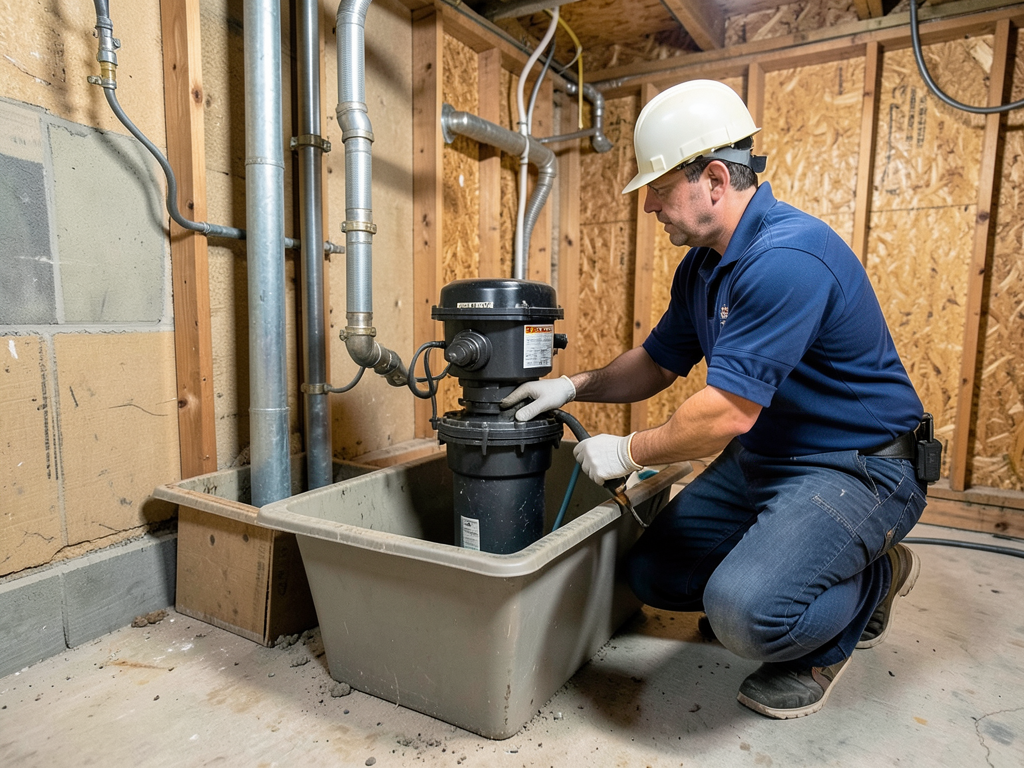
Heavy-duty sump pump types for Quincy’s climate
Professional plumbers evaluate several factors when selecting sump pump systems for Quincy homes. The most common options include:
- Submersible pumps
These units sit entirely underwater in the sump pit, making them ideal for Quincy’s deep groundwater conditions. Their sealed design prevents overheating and allows continuous operation during extended flooding events.
- Pedestal pumps
Mounted above the sump pit, these pumps work well for shallow installations but may struggle with Quincy’s high water volume. They’re easier to service but less durable in harsh conditions.
- Battery backup systems
Essential for Quincy’s frequent winter power outages. These systems automatically activate when the primary pump fails or during electrical interruptions, providing 24-48 hours of continuous operation.
Heavy-duty submersible pumps typically feature cast iron construction, higher horsepower motors (1/2 HP or 3/4 HP), and larger discharge capacities (2,500+ GPH). These specifications handle Quincy’s water volume demands more effectively than standard residential units.
Professional installation process for Quincy homes
Proper sump pump installation requires careful planning and execution to ensure long-term reliability. The process follows Massachusetts plumbing code requirements and accounts for Quincy’s specific conditions.
Site Assessment and Planning
Technicians begin by evaluating your basement’s water entry points, soil composition, and existing drainage patterns. They measure the water table depth and calculate expected flow rates based on your home’s square footage and local rainfall data. This assessment determines the appropriate pump size and backup system requirements.
Basin Excavation and Preparation
The sump pit excavation typically extends 24-30 inches below the basement floor, allowing adequate water collection capacity. In Quincy’s clay soil, contractors may need to line the pit with gravel to prevent soil collapse and improve water flow. The basin must be at least 18 inches in diameter to accommodate heavy-duty pump installations.
Pump Installation and Discharge Routing
Professional installation includes securing the pump on a stable base, connecting discharge pipes with proper slope (minimum 1/4 inch per foot), and installing check valves to prevent backflow. Quincy requires that all sump pump discharge terminate at least 10 feet from the foundation to prevent water recycling.
Electrical Connections and Code Compliance
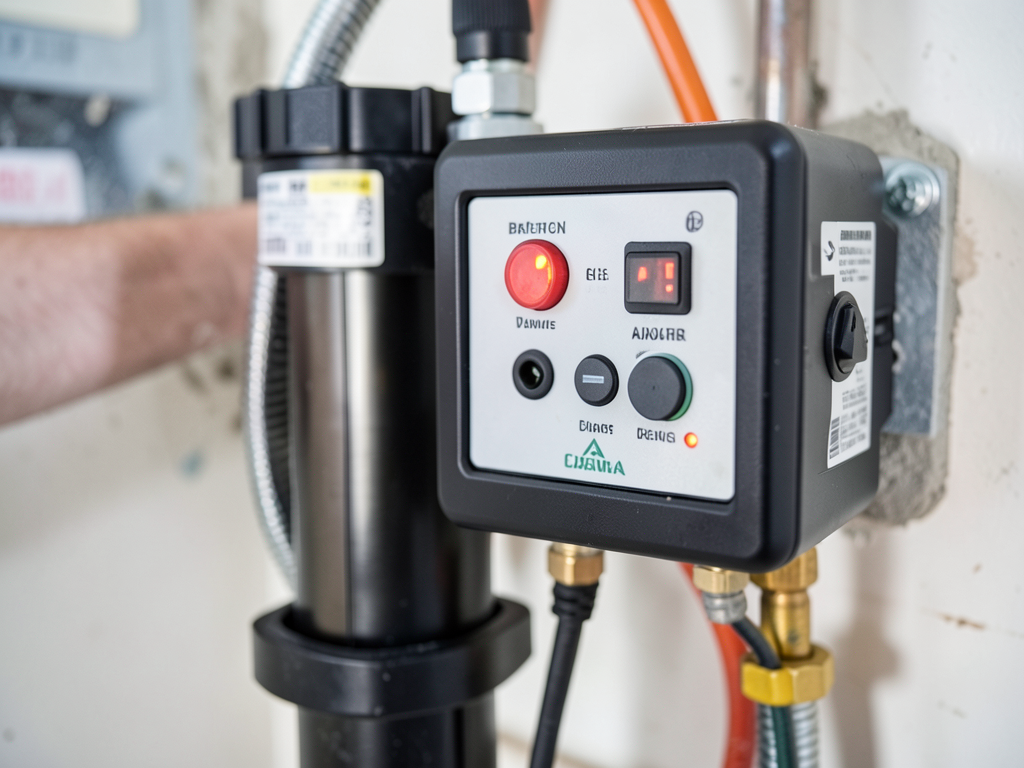
Massachusetts plumbing code mandates GFCI protection for all sump pump circuits. Licensed electricians install dedicated 20-amp circuits with weatherproof outlets. Battery backup systems require separate charging circuits and automatic transfer switches for seamless operation during outages.
Quincy-specific plumbing code requirements
Massachusetts 248 CMR 10.00 establishes specific requirements for sump pump installations in coastal communities. Quincy enforces these standards through local inspections to ensure public safety and prevent cross-contamination with sanitary sewer systems.. Read more about Solving sewer line issues in older Dorchester homes without digging up the yard.
Discharge pipes must be Schedule 40 PVC or equivalent material rated for underground burial. The pipe must maintain a continuous downward slope to prevent freezing and ensure proper drainage. Quincy prohibits direct connections to municipal storm drains without proper permits and backflow prevention devices.
Check valves are mandatory to prevent pump cycling and water hammer damage. The valve must be accessible for maintenance and clearly marked with directional flow indicators. Discharge termination points require protective screens to prevent debris entry and must be positioned to avoid creating ice hazards on walkways during winter.
Foundation drainage systems connected to sump pumps must include cleanouts at all directional changes for maintenance access. The Massachusetts State Building Code requires that all plumbing modifications be performed by licensed professionals and inspected before final approval.
Warning signs your Quincy basement needs sump pump replacement
Recognizing early warning signs can prevent catastrophic basement flooding. Quincy homeowners should watch for these indicators:
- Constant cycling – Pumps that run every few minutes may have failed float switches or inadequate capacity for current water conditions
- Unusual noises – Grinding, rattling, or humming sounds indicate bearing wear or impeller damage
- Visible rust or corrosion – Metal components showing deterioration suggest age-related failure is imminent
- Water marks on walls – New moisture stains near the sump pit indicate the system isn’t keeping pace with groundwater
- Musty odors – Persistent dampness creates ideal conditions for mold growth, signaling system inefficiency
Quincy’s freeze-thaw cycles accelerate pump component wear. Cast iron housings may crack from thermal stress, while plastic components become brittle in extreme cold. Homes in older neighborhoods like Adams Shore often have original sump systems that have exceeded their 7-10 year service life.
Maintenance schedule for heavy-duty sump pumps
Regular maintenance ensures your sump pump system operates reliably during critical flooding events. Quincy’s climate demands specific seasonal maintenance routines.
Spring Maintenance (March-April)
Remove winter debris from discharge pipes and check for ice damage. Test the primary pump by pouring water into the sump pit to verify automatic activation. Clean the inlet screen and check for debris accumulation in the pit bottom.
Summer Preparation (May-June)
Test battery backup systems and replace batteries every 3-5 years. Verify that all electrical connections remain tight and that GFCI outlets function properly. Check discharge pipes for proper slope and clear any vegetation growth that could obstruct flow.
Fall Inspection (September-October)
Clean the sump pit thoroughly and inspect all components for wear. Test the alarm system if equipped. Verify that discharge termination points won’t create ice hazards when temperatures drop below freezing.
Winter Protection (November-February)
Insulate exposed discharge pipes to prevent freezing. Consider installing heat tape on vulnerable sections. Test the system monthly during wet weather periods to ensure readiness for winter storms.
Cost factors for Quincy sump pump installation
Installation costs vary based on several factors specific to Quincy properties. Understanding these variables helps homeowners budget appropriately for this essential protection.
Basement Configuration
Finished basements require more careful installation to protect existing finishes. Unfinished spaces allow easier access but may need additional drainage improvements. Homes with monolithic foundations often require specialized drilling techniques that increase labor costs.
System Complexity
Basic installations with primary pumps start around $1,500-$2,500. Adding battery backup systems increases costs by $800-$1,500. Homes requiring foundation drainage improvements or multiple pump installations can exceed $5,000.
Permit and Inspection Fees
Quincy requires plumbing permits for sump pump installations, typically costing $100-$300 depending on project scope. Final inspections by the building department ensure code compliance and may incur additional fees.
Emergency Service Premiums
Flood season demand can increase installation costs by 20-30%. Planning installations during off-peak seasons often results in better pricing and scheduling flexibility.
Emergency sump pump services in Quincy
Basement flooding emergencies require immediate response to minimize water damage. Professional plumbers in Quincy offer 24/7 emergency services with specialized equipment for rapid water removal.
Emergency response teams arrive with portable pumps capable of removing thousands of gallons per hour. They assess the situation, identify the water source, and implement temporary solutions while permanent repairs are arranged. Most Quincy emergency services guarantee arrival within 90 minutes of your call.
Insurance considerations play a crucial role in emergency response. Many Quincy homeowners discover their policies require professional water extraction to qualify for coverage. Emergency services provide documentation of water removal and damage assessment for insurance claims.
Preventive emergency planning includes maintaining a list of licensed plumbers, understanding your insurance coverage, and knowing the location of your main water shutoff valve. Some Quincy residents install water alarm systems that alert them to basement moisture before flooding becomes severe.
Frequently Asked Questions
How long does heavy-duty sump pump installation take?
Most installations complete within 4-8 hours for straightforward projects. Complex installations requiring foundation work or extensive drainage improvements may take 1-2 days. Weather conditions and permit processing can affect scheduling.
Can I install a sump pump myself?
Massachusetts plumbing code requires licensed professionals for sump pump installations. DIY installations may void insurance coverage and fail to meet code requirements. Improper installation can create liability issues and may not provide adequate protection during flooding events.
What size sump pump do I need for my Quincy basement?
Pump sizing depends on basement square footage, water table depth, and local rainfall patterns. Most Quincy homes require 1/2 HP to 3/4 HP submersible pumps. Professional assessment ensures proper sizing for your specific conditions.
How often should I test my sump pump?
Test your system monthly during wet seasons and quarterly during dry periods. Annual professional maintenance ensures all components function properly. Test the battery backup system at least twice yearly to verify operation.
Does my homeowner’s insurance cover sump pump failure?
Standard policies typically exclude groundwater flooding. Separate sump pump failure coverage may be available as an endorsement. Review your policy and consider additional coverage if your basement contains valuable items or living space.
What’s the difference between submersible and pedestal pumps?
Submersible pumps sit underwater and are quieter, more durable, and better for high-volume applications. Pedestal pumps mount above water level, are easier to service, but less effective for Quincy’s high water table conditions.
How much does a battery backup sump pump cost?
Battery backup systems range from $800-$1,500 installed, depending on capacity and features. Premium systems with larger batteries provide 24-48 hours of operation during power outages. Replacement batteries cost $150-$300 every 3-5 years.
Where should the sump pump discharge water?
Quincy code requires discharge at least 10 feet from the foundation, away from neighboring properties, and not into municipal storm drains without permits. Common termination points include dry wells, rain gardens, or municipal storm sewer connections with proper permits.
How can I prevent my sump pump from freezing?
Insulate exposed discharge pipes, maintain continuous water flow, and ensure proper burial depth below frost line. Heat tape installation provides additional protection in extreme conditions. Keep the sump pit covered to prevent cold air infiltration.
What maintenance does a sump pump need?
Annual professional maintenance includes cleaning the pit, testing all components, checking electrical connections, and verifying alarm operation. Homeowners should test the system monthly and clean the inlet screen as needed. Battery backup systems require battery replacement every 3-5 years.
Can a sump pump handle sewage?
No. Sump pumps are designed for clear water only. Sewage requires specialized sewage ejector pumps with sealed systems. Never connect toilets, sinks, or other fixtures to a sump pump system.
How do I know if my sump pump is working properly?
Proper operation includes automatic activation when water enters the pit, continuous pumping until water level drops, and automatic shutoff. The pump should run quietly without unusual vibrations or odors. Water should discharge freely without backflow through the check valve.
What causes sump pumps to fail?
Common failure causes include power outages, switch failures, clogged intakes, frozen discharge lines, and motor burnout from overuse. Age-related wear typically affects pumps after 7-10 years of service. Regular maintenance prevents most failures.
Should I get a second sump pump?
Homes with large basements, high water tables, or valuable finished spaces benefit from dual-pump systems. The second pump activates automatically if the primary fails or becomes overwhelmed. This redundancy provides crucial protection during severe weather events.
How do I prepare my sump pump for winter?
Insulate exposed pipes, test the system before freezing temperatures arrive, and ensure the discharge area remains clear of snow and ice. Consider installing a freeze alarm that alerts you to pump failure during extreme cold.
What’s the lifespan of a heavy-duty sump pump?
Quality submersible pumps typically last 7-10 years with proper maintenance. Battery backup systems require battery replacement every 3-5 years. Harsh conditions like Quincy’s freeze-thaw cycles may reduce lifespan. Annual inspections help predict replacement timing.
Can sump pumps prevent all basement flooding?
Sump pumps effectively handle groundwater and minor surface water but cannot prevent flooding from major storms, sewer backups, or foundation wall failures. Comprehensive waterproofing may require additional measures like exterior drainage systems or foundation sealing.
What should I do if my sump pump alarm goes off?
First, check if the pump is operating properly. If not, verify power supply and circuit breakers. If the pump runs but doesn’t remove water, the discharge line may be frozen or blocked. Contact emergency plumbing services if you cannot resolve the issue quickly.
Are sump pumps required by code in Quincy?
Quincy doesn’t universally require sump pumps but mandates them for new construction in flood-prone areas and when basement finishing creates habitable space below grade. Existing homes undergoing major renovations may also require installation to meet current code standards.
Call (617) 749-9799 today to schedule your inspection and protect your Quincy home from costly water damage. Don’t wait for the next storm to test your current system’s reliability.
Pick up the phone and call (617) 749-9799 before the next storm hits. Our Quincy-based team provides fast, professional sump pump installation with Massachusetts code compliance guaranteed.
You may also find this helpful. Getting your Brookline home winter-ready with professional pipe insulation.
{
“@context”: “https://schema.org”,
“@type”: “BlogPosting”,
“headline”: “Heavy duty sump pump installation for flood-prone basements in Quincy”,
“description”: “Protect your Quincy basement from flooding with heavy-duty sump pump installation. Learn about submersible pumps, battery backups, and local regulations from Massachusetts experts.”,
“wordCount”: 2293,
“datePublished”: “2026-02-25T07:45:00.000Z”,
“dateModified”: “2026-02-25T07:45:00.000Z”,
“inLanguage”: “en-US”,
“mainEntityOfPage”: {
“@type”: “WebPage”,
“@id”: “https://heritageplumbingboston.com”
},
“publisher”: {
“@type”: “LocalBusiness”,
“name”: “Heritage Plumbing Boston”,
“url”: “https://heritageplumbingboston.com”
},
“author”: {
“@type”: “Organization”,
“name”: “Heritage Plumbing Boston”,
“url”: “https://heritageplumbingboston.com”
},
“image”: {
“@type”: “ImageObject”,
“url”: “https://heritageplumbingboston.com/wp-content/uploads/2026/03/heavy-duty-sump-pump-installation-for-flood-prone-1.png”
}
}
{
“@context”: “https://schema.org”,
“@type”: “Plumber”,
“name”: “Heritage Plumbing Boston”,
“url”: “https://heritageplumbingboston.com”,
“address”: {
“@type”: “PostalAddress”,
“addressLocality”: “Boston”
},
“areaServed”: {
“@type”: “City”,
“name”: “Boston”
}
}
{
“@context”: “https://schema.org”,
“@type”: “FAQPage”,
“mainEntity”: [
{
“@type”: “Question”,
“name”: “How long does heavy-duty sump pump installation take?”,
“acceptedAnswer”: {
“@type”: “Answer”,
“text”: “Most installations complete within 4-8 hours for straightforward projects. Complex installations requiring foundation work or extensive drainage improvements may take 1-2 days. Weather conditions and permit processing can affect scheduling.”
}
},
{
“@type”: “Question”,
“name”: “Can I install a sump pump myself?”,
“acceptedAnswer”: {
“@type”: “Answer”,
“text”: “Massachusetts plumbing code requires licensed professionals for sump pump installations. DIY installations may void insurance coverage and fail to meet code requirements. Improper installation can create liability issues and may not provide adequate protection during flooding events.”
}
},
{
“@type”: “Question”,
“name”: “What size sump pump do I need for my Quincy basement?”,
“acceptedAnswer”: {
“@type”: “Answer”,
“text”: “Pump sizing depends on basement square footage, water table depth, and local rainfall patterns. Most Quincy homes require 1/2 HP to 3/4 HP submersible pumps. Professional assessment ensures proper sizing for your specific conditions.”
}
},
{
“@type”: “Question”,
“name”: “How often should I test my sump pump?”,
“acceptedAnswer”: {
“@type”: “Answer”,
“text”: “Test your system monthly during wet seasons and quarterly during dry periods. Annual professional maintenance ensures all components function properly. Test the battery backup system at least twice yearly to verify operation.”
}
},
{
“@type”: “Question”,
“name”: “Does my homeowner’s insurance cover sump pump failure?”,
“acceptedAnswer”: {
“@type”: “Answer”,
“text”: “Standard policies typically exclude groundwater flooding. Separate sump pump failure coverage may be available as an endorsement. Review your policy and consider additional coverage if your basement contains valuable items or living space.”
}
},
{
“@type”: “Question”,
“name”: “What’s the difference between submersible and pedestal pumps?”,
“acceptedAnswer”: {
“@type”: “Answer”,
“text”: “Submersible pumps sit underwater and are quieter, more durable, and better for high-volume applications. Pedestal pumps mount above water level, are easier to service, but less effective for Quincy’s high water table conditions.”
}
},
{
“@type”: “Question”,
“name”: “How much does a battery backup sump pump cost?”,
“acceptedAnswer”: {
“@type”: “Answer”,
“text”: “Battery backup systems range from $800-$1,500 installed, depending on capacity and features. Premium systems with larger batteries provide 24-48 hours of operation during power outages. Replacement batteries cost $150-$300 every 3-5 years.”
}
},
{
“@type”: “Question”,
“name”: “Where should the sump pump discharge water?”,
“acceptedAnswer”: {
“@type”: “Answer”,
“text”: “Quincy code requires discharge at least 10 feet from the foundation, away from neighboring properties, and not into municipal storm drains without permits. Common termination points include dry wells, rain gardens, or municipal storm sewer connections with proper permits.”
}
},
{
“@type”: “Question”,
“name”: “How can I prevent my sump pump from freezing?”,
“acceptedAnswer”: {
“@type”: “Answer”,
“text”: “Insulate exposed discharge pipes, maintain continuous water flow, and ensure proper burial depth below frost line. Heat tape installation provides additional protection in extreme conditions. Keep the sump pit covered to prevent cold air infiltration.”
}
},
{
“@type”: “Question”,
“name”: “What maintenance does a sump pump need?”,
“acceptedAnswer”: {
“@type”: “Answer”,
“text”: “Annual professional maintenance includes cleaning the pit, testing all components, checking electrical connections, and verifying alarm operation. Homeowners should test the system monthly and clean the inlet screen as needed. Battery backup systems require battery replacement every 3-5 years.”
}
},
{
“@type”: “Question”,
“name”: “Can a sump pump handle sewage?”,
“acceptedAnswer”: {
“@type”: “Answer”,
“text”: “No. Sump pumps are designed for clear water only. Sewage requires specialized sewage ejector pumps with sealed systems. Never connect toilets, sinks, or other fixtures to a sump pump system.”
}
},
{
“@type”: “Question”,
“name”: “How do I know if my sump pump is working properly?”,
“acceptedAnswer”: {
“@type”: “Answer”,
“text”: “Proper operation includes automatic activation when water enters the pit, continuous pumping until water level drops, and automatic shutoff. The pump should run quietly without unusual vibrations or odors. Water should discharge freely without backflow through the check valve.”
}
},
{
“@type”: “Question”,
“name”: “What causes sump pumps to fail?”,
“acceptedAnswer”: {
“@type”: “Answer”,
“text”: “Common failure causes include power outages, switch failures, clogged intakes, frozen discharge lines, and motor burnout from overuse. Age-related wear typically affects pumps after 7-10 years of service. Regular maintenance prevents most failures.”
}
},
{
“@type”: “Question”,
“name”: “Should I get a second sump pump?”,
“acceptedAnswer”: {
“@type”: “Answer”,
“text”: “Homes with large basements, high water tables, or valuable finished spaces benefit from dual-pump systems. The second pump activates automatically if the primary fails or becomes overwhelmed. This redundancy provides crucial protection during severe weather events.”
}
},
{
“@type”: “Question”,
“name”: “How do I prepare my sump pump for winter?”,
“acceptedAnswer”: {
“@type”: “Answer”,
“text”: “Insulate exposed pipes, test the system before freezing temperatures arrive, and ensure the discharge area remains clear of snow and ice. Consider installing a freeze alarm that alerts you to pump failure during extreme cold.”
}
},
{
“@type”: “Question”,
“name”: “What’s the lifespan of a heavy-duty sump pump?”,
“acceptedAnswer”: {
“@type”: “Answer”,
“text”: “Quality submersible pumps typically last 7-10 years with proper maintenance. Battery backup systems require battery replacement every 3-5 years. Harsh conditions like Quincy’s freeze-thaw cycles may reduce lifespan. Annual inspections help predict replacement timing.”
}
},
{
“@type”: “Question”,
“name”: “Can sump pumps prevent all basement flooding?”,
“acceptedAnswer”: {
“@type”: “Answer”,
“text”: “Sump pumps effectively handle groundwater and minor surface water but cannot prevent flooding from major storms, sewer backups, or foundation wall failures. Comprehensive waterproofing may require additional measures like exterior drainage systems or foundation sealing.”
}
},
{
“@type”: “Question”,
“name”: “What should I do if my sump pump alarm goes off?”,
“acceptedAnswer”: {
“@type”: “Answer”,
“text”: “First, check if the pump is operating properly. If not, verify power supply and circuit breakers. If the pump runs but doesn’t remove water, the discharge line may be frozen or blocked. Contact emergency plumbing services if you cannot resolve the issue quickly.”
}
},
{
“@type”: “Question”,
“name”: “Are sump pumps required by code in Quincy?”,
“acceptedAnswer”: {
“@type”: “Answer”,
“text”: “Quincy doesn’t universally require sump pumps but mandates them for new construction in flood-prone areas and when basement finishing creates habitable space below grade. Existing homes undergoing major renovations may also require installation to meet current code standards.”
}
}
]
}
{
“@context”: “https://schema.org”,
“@type”: “HowTo”,
“name”: “Sump Pump Selection Process”,
“step”: [
{
“@type”: “HowToStep”,
“position”: 1,
“name”: “Submersible pumps”,
“text”: “These units sit entirely underwater in the sump pit, making them ideal for Quincy’s deep groundwater conditions. Their sealed design prevents overheating and allows continuous operation during extended flooding events.”
},
{
“@type”: “HowToStep”,
“position”: 2,
“name”: “Pedestal pumps”,
“text”: “Mounted above the sump pit, these pumps work well for shallow installations but may struggle with Quincy’s high water volume. They’re easier to service but less durable in harsh conditions.”
},
{
“@type”: “HowToStep”,
“position”: 3,
“name”: “Battery backup systems”,
“text”: “Essential for Quincy’s frequent winter power outages. These systems automatically activate when the primary pump fails or during electrical interruptions, providing 24-48 hours of continuous operation.”
}
],
“image”: “https://heritageplumbingboston.com/wp-content/uploads/2026/03/heavy-duty-sump-pump-installation-for-flood-prone-1.png”
}
{
“@context”: “https://schema.org”,
“@type”: “BreadcrumbList”,
“itemListElement”: [
{
“@type”: “ListItem”,
“position”: 1,
“name”: “Home”,
“item”: “https://heritageplumbingboston.com”
},
{
“@type”: “ListItem”,
“position”: 2,
“name”: “Blog”,
“item”: “https://heritageplumbingboston.com/blog”
},
{
“@type”: “ListItem”,
“position”: 3,
“name”: “Heavy duty sump pump installation for flood-prone basements in Quincy”
}
]
}
{
“@context”: “https://schema.org”,
“@type”: “Service”,
“serviceType”: “Plumbing”,
“provider”: {
“@type”: “LocalBusiness”,
“name”: “Heritage Plumbing Boston”,
“url”: “https://heritageplumbingboston.com”
},
“areaServed”: {
“@type”: “City”,
“name”: “Boston”
},
“description”: “Protect your Quincy basement from flooding with heavy-duty sump pump installation. Learn about submersible pumps, battery backups, and local regulations from Massachusetts experts.”
}