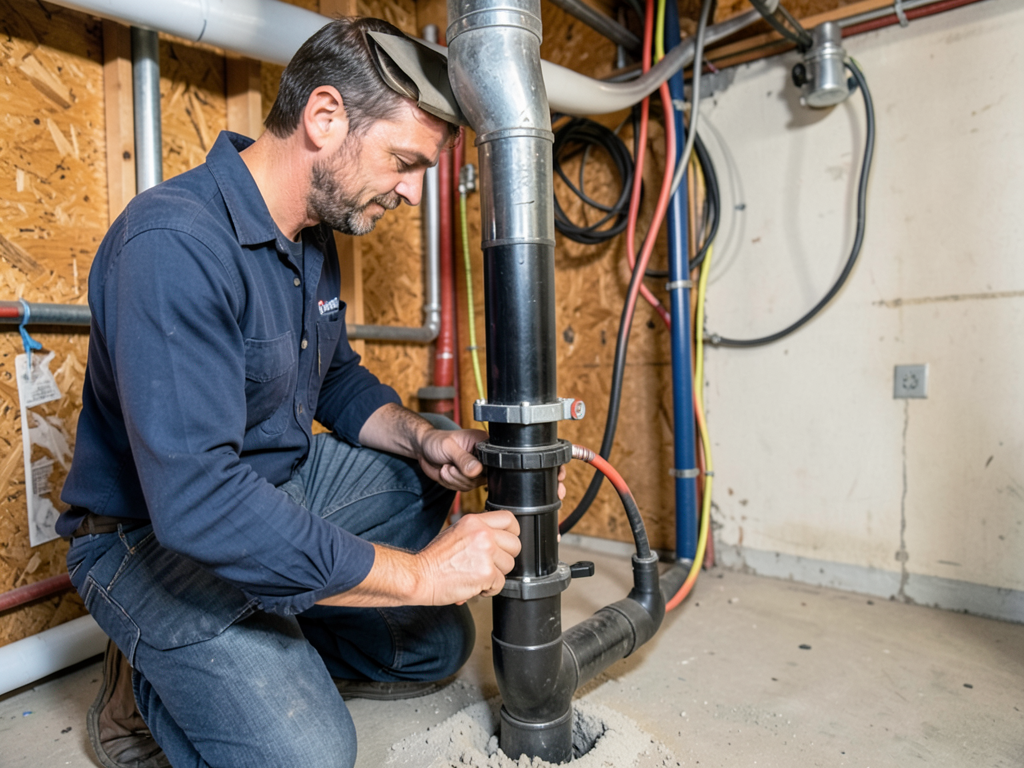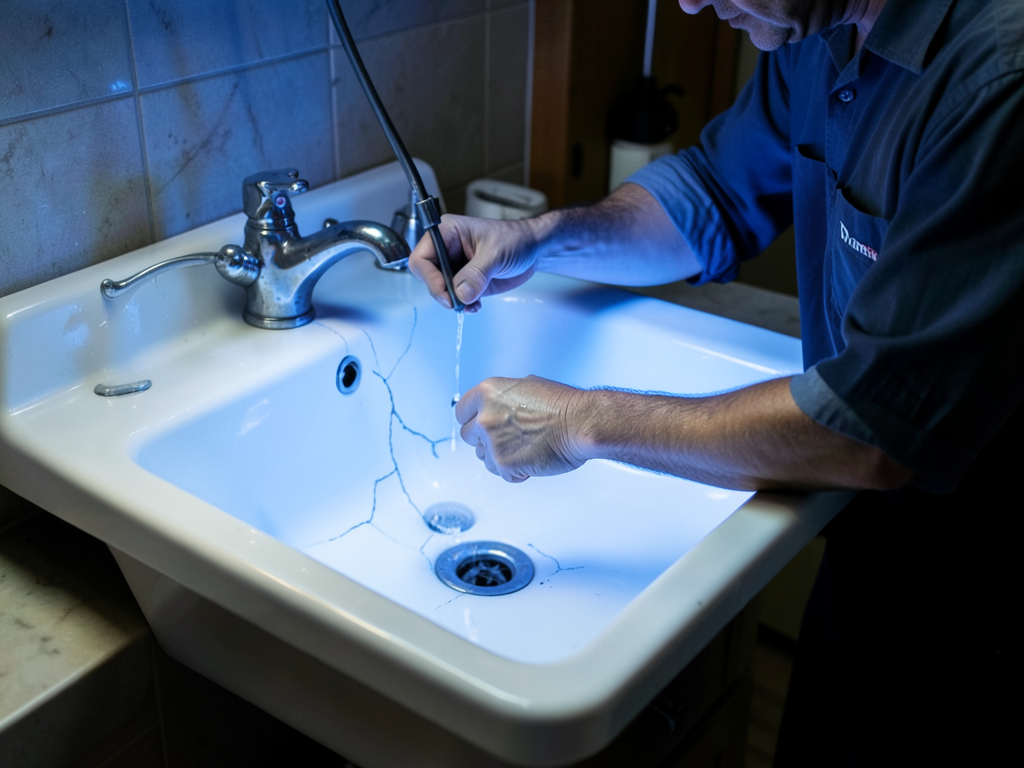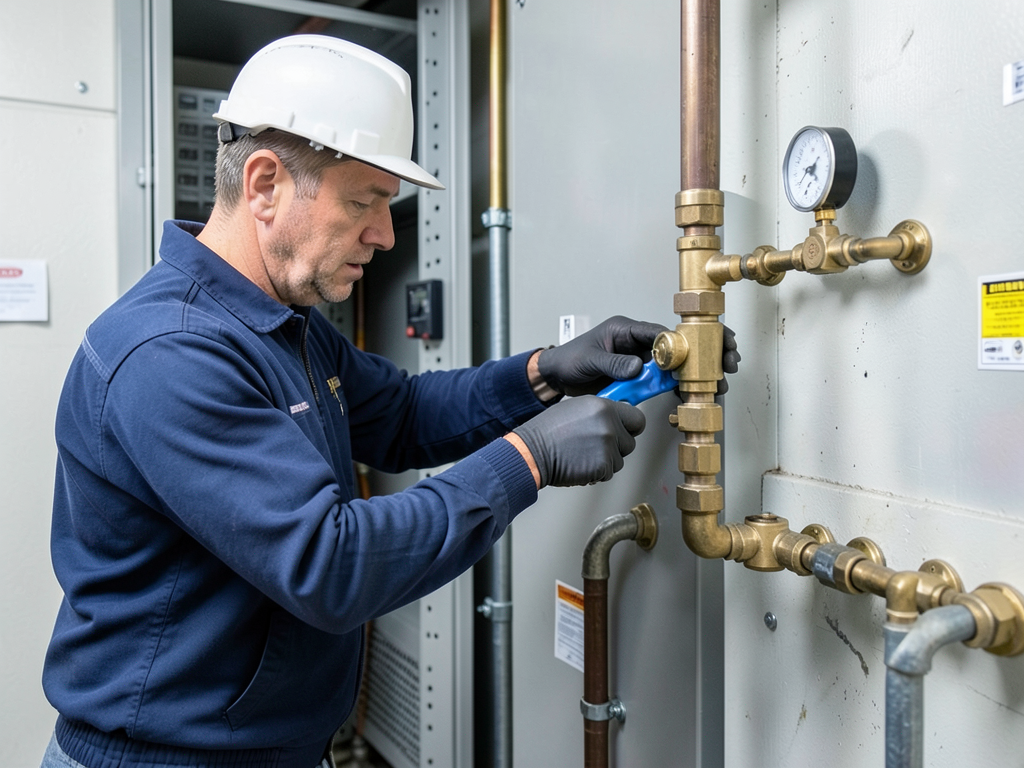






Boston averages 43 inches of snow annually, and January temperatures regularly drop into the teens. This freeze-thaw cycle puts mechanical stress on every pipe in your home. Water expands nine percent when it freezes. That expansion creates pressure that splits copper, cracks PVC, and ruptures galvanized steel. Exterior walls without proper insulation create thermal bridges that freeze pipes even when your heat is running. Homes built before modern energy codes often have supply lines running through unheated spaces. A preventative plumbing maintenance checklist needs to prioritize these vulnerable areas before winter arrives.
Boston inspectional services enforces strict requirements for plumbing work. Any modification to supply or drain lines requires a permit. The city tracks violations and can place liens on properties with unpermitted work. Working with a local plumber who understands these requirements protects you from future complications when you sell your home. We also stay current with changes to the Massachusetts plumbing code, which sometimes differs from national standards. That expertise ensures your repairs meet local code requirements the first time.