



menu

High Water Bills in Boston – Expert Leak Detection and Hidden Water Waste Diagnosis

Heritage Plumbing Boston finds the hidden leaks, faulty fixtures, and underground breaks driving your sudden spike in water bill so you stop paying for water you never used.

Slider Image 1
Slider Image 2
Slider Image 3
Slider Image 4
Slider Image 5
Slider Image 7
Slider Image 8
Slider Image 9
Slider Image 10
Slider Image 11

Why Your Water Bill Suddenly Doubled

You open the envelope and see a number that makes your stomach drop. Your water bill just jumped 50%, maybe doubled, and you did not change a thing. No new appliances. No extra showers. No lawn irrigation. Just an unexplained high water bill that feels like theft.

In Boston, this happens more often than you think. The city's aging infrastructure and freeze-thaw cycles create silent failures. A toilet flapper warps from hard water minerals. A slab leak opens under your foundation from shifting soil. A corroded brass fitting in your basement finally gives out after 40 winters. Most of these leaks are invisible. You will not see water pooling. You will not hear dripping. You just get the bill.

The average Boston household uses about 65 gallons per person per day. If your bill shows 150 gallons per person, something is bleeding water 24 hours a day. A running toilet wastes 200 gallons daily. A pinhole slab leak can dump 6,000 gallons per month into your foundation. That excessive water usage is not just expensive. It is actively damaging your home.

Boston Water and Sewer Commission meters are accurate. If they say you used it, you used it. The question is where. A skyrocketing water bill is not a billing error. It is a symptom. The water is going somewhere, and every day you wait, you pay for more damage.

Why Your Water Bill Suddenly Doubled
How We Find the Leak Driving Your Bill

How We Find the Leak Driving Your Bill

Most plumbers guess. We measure. When you call Heritage Plumbing Boston for an unexpected water bill increase, we use a systematic diagnostic approach that isolates the problem without tearing apart your home.

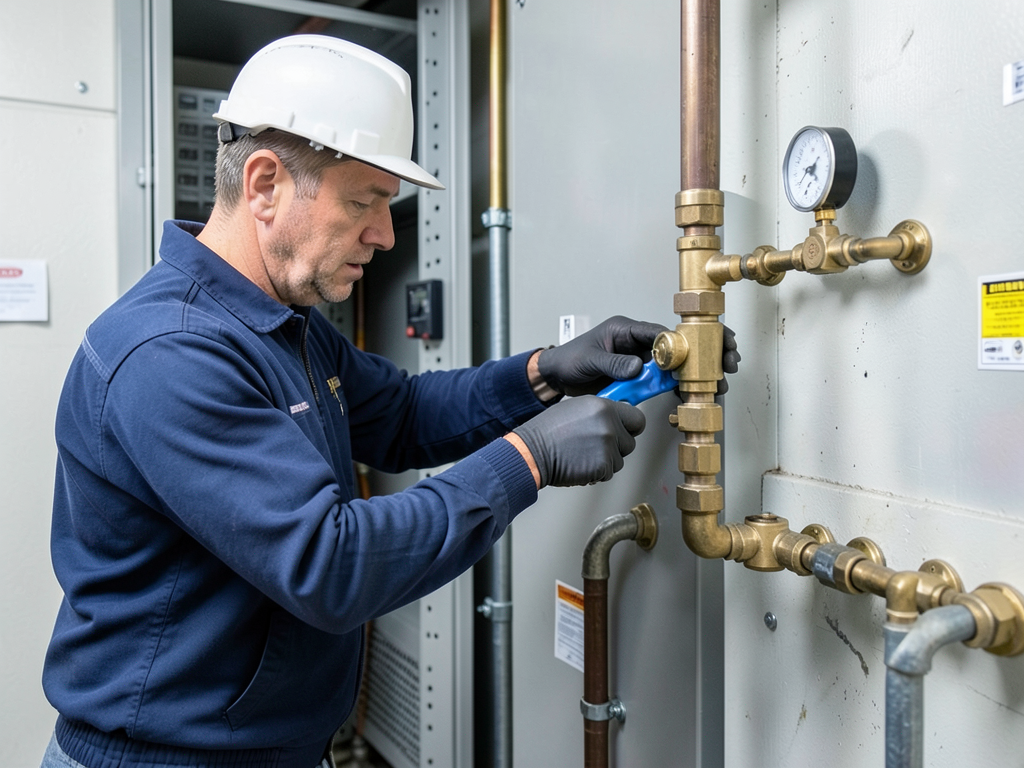
We start with a pressure test. We shut off every fixture, close the main valve past your meter, and watch the gauge. If pressure drops, water is escaping between the street and your fixtures. That tells us the leak is in your supply lines, not your drains.

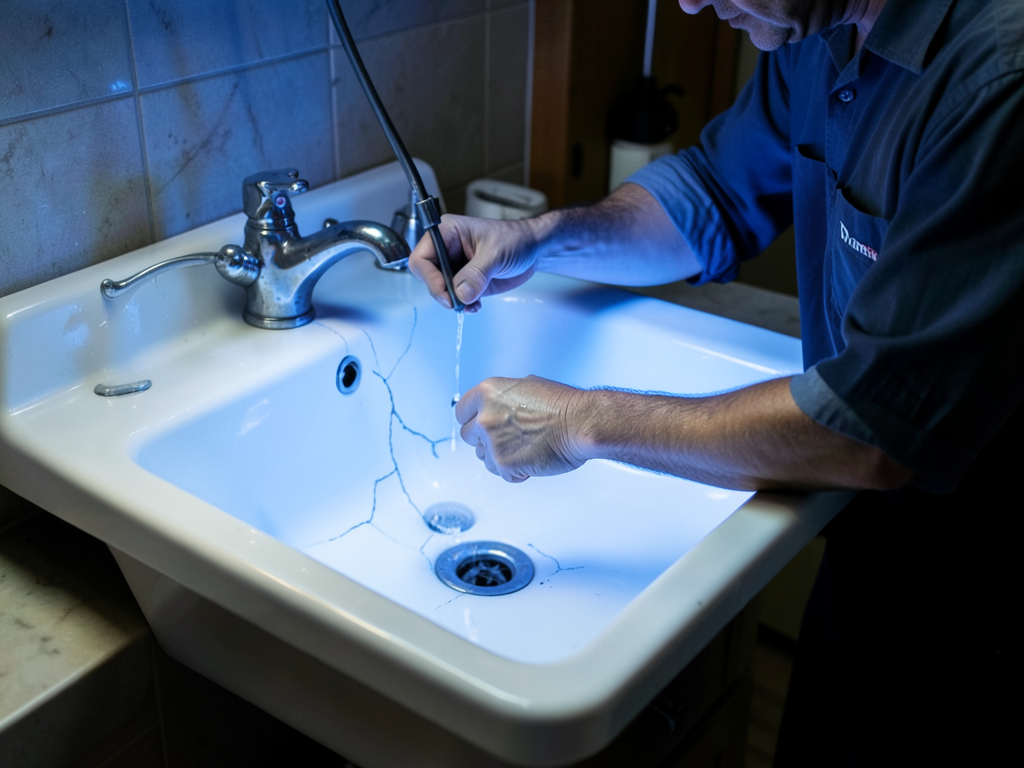
Next, we do a fixture audit. Toilets are the number one culprit. We use dye tablets and flow sensors to check flapper seals, fill valves, and flush mechanisms. A silent leak here costs you $500 per year and you will never hear it. We check faucet aerators for constant drips and mixing valve cartridges for internal bypass leaks that send hot water straight down the drain.

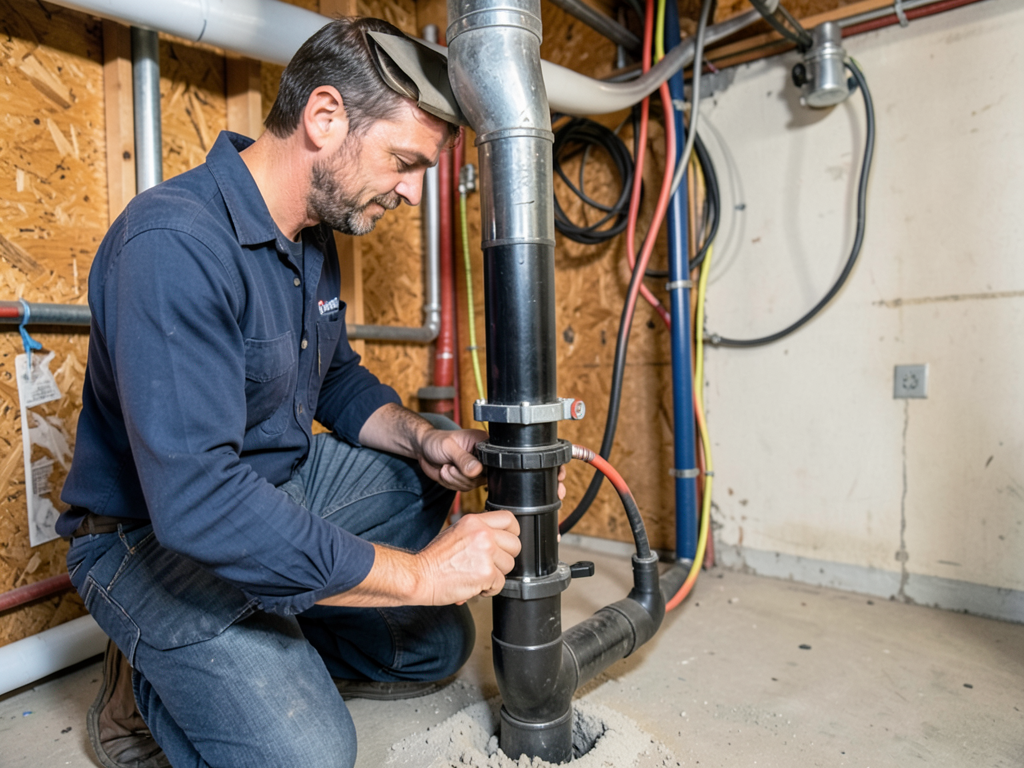
For underground leaks, we use acoustic listening devices and thermal imaging. Boston's clay soil shifts during freeze-thaw cycles, which stresses old copper and galvanized pipes. We listen for the hiss of pressurized water escaping into soil or concrete. Thermal cameras show cold spots where water saturates insulation or subflooring.

We also inspect your irrigation system if you have one. Backflow preventers and zone valves fail. A stuck valve can run your sprinkler system underground for weeks without you knowing. We check for pooling in your yard, soft spots, or unusually green patches in winter.

What Happens During a High Water Bill Investigation

High Water Bills in Boston – Expert Leak Detection and Hidden Water Waste Diagnosis
01

Baseline Data Collection

We review your last 12 months of water bills to identify when usage spiked and by how much. This tells us if the leak is sudden or gradual, which changes where we look. We compare your consumption to Boston Water and Sewer Commission averages for your household size. We also check your meter reading live to see if it is spinning while all fixtures are off.
02

Zone Isolation Testing

We isolate sections of your plumbing by closing valves and watching the meter. We separate hot water from cold, indoor from outdoor, and fixture groups by floor. This narrows the leak location fast. If closing your basement valve stops the meter, we know the problem is in that zone. This saves you diagnostic time and prevents unnecessary exploratory work.
03

Leak Confirmation and Repair

Once we pinpoint the source, we show you the problem, explain the fix, and give you a clear price. We repair the leak using quality parts and test the system again. We leave your water back on and verify the meter stops moving with fixtures closed. You get documentation for your utility company if you need to dispute charges.

Why Boston Homeowners Call Us First

Heritage Plumbing Boston has spent years diagnosing high water bills in homes from Beacon Hill to Dorchester. We understand how Boston's infrastructure and climate create plumbing failures. The city has some of the oldest water mains in the country. Many homes still have original lead service lines or pre-1970 galvanized steel that corrodes from the inside out. When these pipes fail, they fail quietly.

We also know Boston's building stock. Triple-deckers have shared supply lines that leak between units. Victorian brownstones have cast iron drain stacks that crack and let fixture water bypass the sewer. Newer construction in areas like Seaport often uses PEX piping with compression fittings that can loosen over time. We have seen it all.

Local codes matter. Boston requires backflow prevention on irrigation systems, but older homes were grandfathered in. If your system does not have one, a pressure reversal can flood your basement through the sprinkler line. We check for that.

We also work fast because we know time is money. Every day a leak runs is another $20 to $50 on your bill. We carry diagnostic equipment in every truck and stock the parts that fail most often. Flapper kits for Kohler and American Standard. Cartridges for Moen and Delta. Compression repair kits for copper. We fix it same-day whenever possible.

You do not need to call three plumbers and pay three trip charges. We find it the first time.

What to Expect When You Call

Fast Response Time

We know every hour counts when your meter is running. We schedule diagnostic appointments within 48 hours, often same-day if you call before noon. Our trucks carry acoustic leak detectors, thermal cameras, and pressure testing equipment so we can diagnose on the first visit. You do not wait a week for answers. We show up, find the problem, and give you options immediately.

Thorough Leak Assessment

We do not stop at the first leak we find. A high water bill often has multiple causes. A leaking toilet and a dripping shower valve both contribute. We test every zone, inspect every fixture, and check outdoor lines if applicable. You get a written summary of everything we found, what is urgent, and what can wait. No surprises. No upselling. Just facts.

Permanent Repairs

We do not patch leaks with temporary fixes. If a toilet flapper is worn, we replace the entire flush valve assembly if needed. If a pipe is corroded, we cut out the bad section and solder in new copper or install PEX with expansion fittings. We use parts that last and work with Boston's water chemistry. You get a repair that stops the leak and stays stopped.

Bill Reduction Verification

After we repair the leak, we recheck your meter to confirm water flow has stopped. We walk you through how to monitor your next bill and give you baseline numbers to watch for. If your bill does not drop, we come back. Most clients see their bill return to normal within one billing cycle. We also provide documentation if you need to dispute prior high bills with Boston Water and Sewer.

Frequently Asked Questions

You Have Questions,
We Have Answers

Why is my water bill getting so high? +

High water bills usually signal a hidden leak somewhere in your system. Running toilets, dripping faucets, and slab leaks waste thousands of gallons monthly without obvious signs. In Boston, freeze-thaw cycles stress older pipes and joints, creating small cracks that compound over time. A broken flapper valve in your toilet can waste up to 200 gallons daily. Check your water meter before and after a two-hour period when no water is used. If the reading changes, you have a leak. Older homes in neighborhoods like Dorchester and South Boston are especially prone to aging supply lines.

What runs your water bill up the most? +

Toilets consume the most water in your home, accounting for nearly 30% of indoor use. A single running toilet can waste 6,000 gallons monthly. Long showers, leaky faucets, and irrigation systems also drive up costs. In Boston's older housing stock, corroded galvanized pipes develop pinhole leaks that drip constantly behind walls. Outdoor spigots left dripping after winter freezes waste significant water. Washing machines and dishwashers run frequently in multi-family homes common throughout Boston. If your bill spiked suddenly, inspect toilets first. Listen for hissing sounds or add food coloring to the tank to check for bowl leakage.

How to tell if you have a water leak on the meter? +

Turn off all water fixtures inside and outside your home. Locate your water meter, usually in the basement or near the street. Check the leak indicator, a small triangular dial or red needle. If it moves when no water is running, you have a leak. Alternatively, write down the meter reading and wait two hours without using any water. Compare the numbers. Any increase confirms a leak between the meter and your home. Boston Water and Sewer Commission meters are sensitive to even small leaks. Outdoor leaks in your supply line are common in areas with aging infrastructure and frost heave damage.

How much should a normal water bill be per month? +

The average Boston household uses 3,000 to 5,000 gallons monthly, costing $60 to $100 depending on consumption and sewer charges. Single-family homes typically see lower bills than multi-family units. Boston Water and Sewer Commission rates include a fixed infrastructure charge plus variable consumption fees. If your bill exceeds $120 monthly without lifestyle changes, investigate leaks. Homes in Charlestown, Jamaica Plain, and Roxbury with older plumbing often see higher bills due to inefficient fixtures and hidden leaks. Compare your usage over several billing cycles. A sudden spike usually indicates a mechanical failure, not normal consumption.

Why is my water bill almost $200? +

A $200 water bill signals a serious leak or billing error. A continuously running toilet can waste 20,000 gallons monthly. Slab leaks under your foundation or a broken supply line create massive waste. In Boston, frost damage to outdoor pipes or corroded copper piping in older homes causes sudden failures. Check your meter for movement when water is off. Review your bill for estimated readings versus actual reads. Boston Water and Sewer Commission sometimes estimates usage if meters are inaccessible. Contact them to verify accuracy. If the meter confirms high usage, call a licensed plumber immediately to locate and repair the leak.

How can I detect hidden water leaks? +

Check your water meter when no fixtures are running. If it moves, you have a leak. Inspect toilet flappers by adding food coloring to the tank. If color appears in the bowl without flushing, replace the flapper. Listen for hissing sounds near toilets or walls. Check for wet spots on ceilings, walls, or floors. In Boston's older homes, look for foundation cracks or damp basements indicating slab leaks. Monitor your water bill for unexplained spikes. Outdoor leaks show as soggy patches in your yard or unusually green grass. Test faucets and showerheads for drips. Small leaks compound quickly in Boston's climate.

Why is my water bill $900? +

A $900 water bill indicates a catastrophic leak or major plumbing failure. A broken main supply line, slab leak, or ruptured water heater can waste 50,000 gallons monthly. In Boston, freeze damage to underground pipes during harsh winters causes sudden ruptures. Check your basement for flooding or water stains. Verify your meter readings with Boston Water and Sewer Commission to rule out billing errors. If usage is accurate, shut off your main water valve and call a licensed plumber immediately. Delaying repairs compounds water damage and mold growth. Insurance may cover certain failures, but documentation from a professional plumber is required.

How do you check if you have a water leak? +

Start by checking your water meter. Turn off all fixtures inside and outside your home. Locate the meter and watch the leak indicator for movement. If the dial spins or the needle moves, water is flowing somewhere. Write down the meter reading and wait two hours without using water. Any increase confirms a leak. Inspect toilets for flapper leaks by listening for running water or using dye tests. Check faucets, showerheads, and outdoor spigots for drips. Look for water stains on ceilings, walls, and floors. In Boston's older homes, check basements for dampness indicating foundation or slab leaks.

What can I do to lower my water bill? +

Fix leaks immediately. A dripping faucet wastes 3,000 gallons yearly. Replace worn toilet flappers and install low-flow showerheads to reduce consumption. Run dishwashers and washing machines only when full. Shorten showers by two minutes to save 150 gallons monthly. In Boston, insulate exposed pipes to prevent freeze damage and leaks. Water lawns early morning to reduce evaporation. Check outdoor spigots after winter for freeze cracks. Monitor your meter regularly to catch leaks early. Boston Water and Sewer Commission offers free water audits to identify waste. Upgrading to WaterSense-certified fixtures reduces usage by 20% without sacrificing performance.

How do plumbers detect a water leak? +

Plumbers use acoustic listening devices to detect water movement behind walls and under floors. Thermal imaging cameras identify temperature changes caused by leaking water. Pressure testing isolates sections of piping to pinpoint failures. For slab leaks common in Boston's older homes, plumbers use electronic amplification equipment to hear water escaping underground. Video camera inspections snake through drain lines to reveal cracks or root intrusion. Moisture meters detect hidden dampness in walls and ceilings. Experienced plumbers correlate meter activity with fixture usage to narrow leak locations. Professional detection prevents unnecessary demolition and targets repairs precisely, saving time and money.

How Boston's Water Pressure and Aging Pipes Cause Silent Leaks

Boston's water pressure runs between 50 and 80 PSI depending on your elevation and distance from the reservoir. That constant pressure stresses every joint, valve, and fitting in your home 24 hours a day. When you combine high pressure with freeze-thaw cycles that expand and contract pipes, fittings crack. Solder joints fail. Compression rings loosen. These micro-failures are invisible but expensive. A pinhole leak in your basement can run for months before you notice water damage.

Heritage Plumbing Boston has worked in every neighborhood in the city. We know which areas still have lead service lines that are more prone to leaks. We know which developments used polybutylene piping in the 1980s that fails under pressure. We understand Massachusetts plumbing code requirements for backflow prevention and fixture shut-off valves. That local knowledge means we diagnose faster and fix it right the first time.
Plumbing Services in The Boston Area

Heritage Plumbing proudly serves Boston and its surrounding areas. Our central location allows us to respond quickly to service calls across residential neighborhoods, business districts, and historic zones alike. Whether you’re downtown or in the suburbs, our local knowledge and flexible scheduling ensure a seamless service experience. Use the map below to find our office, service radius, and contact points — and don’t hesitate to reach out for availability in your area.

Address:
Heritage Plumbing Boston, 75 Arlington St, Boston, MA, 02116

Additional Services We Offer

Our news updates

Latest Articles & News from The Blogs

How to Upgrade Your Kitchen Faucet Without Replacing the Entire Sink in Waltham You can upgrade your kitchen faucet in…

How to Upgrade Your Kitchen Faucet Without Replacing the Entire Sink in Waltham

How to Upgrade Your Kitchen Faucet Without Replacing the Entire Sink in Waltham You can upgrade your kitchen faucet in…

The Hidden Plumbing Risks of Finishing Your Basement in a Flood Zone Like Revere

The Hidden Plumbing Risks of Finishing Your Basement in a Flood Zone Like Revere Finishing your basement in Revere sounds…

Why Your High Efficiency Washing Machine is Causing Suds in Your Danvers Laundry Room

Why Your High Efficiency Washing Machine is Causing Suds in Your Danvers Laundry Room If you’re staring at a laundry…

Contact Us

Call Heritage Plumbing Boston now at (617) 749-9799. We will find the leak, fix it fast, and get your water bill back to normal. Same-day diagnostics available.