




menu

Discolored or Rusty Water in Boston – Expert Diagnosis and Permanent Repair

When brown tap water or rusty colored water flows from your faucet, you need accurate diagnosis of the source. Heritage Plumbing Boston identifies whether the problem is in your pipes, water heater, or the municipal system and implements the correct fix.

Slider Image 1
Slider Image 2
Slider Image 3
Slider Image 4
Slider Image 5
Slider Image 7
Slider Image 8
Slider Image 9
Slider Image 10
Slider Image 11

Why Boston Homes Experience Discolored Water More Than You Think

You turn on the tap and see brown tap water or yellow water from faucet. Your first thought is panic. Your second thought is whether it's safe to drink or bathe in.

Boston's aging water infrastructure plays a major role in discolored water issues. Many neighborhoods still have cast iron mains from the 1800s and early 1900s. When the city performs maintenance or experiences pressure changes, sediment dislodges and flows into your home. You get reddish water from pipes that looks alarming but might be temporary.

The freeze-thaw cycles Boston experiences each winter stress both municipal mains and your home's plumbing. When pipes contract and expand repeatedly, interior corrosion accelerates. That rusty colored water you see in the morning is often the result of oxidized iron sitting in your pipes overnight.

Discolored hot water specifically points to water heater problems. Sediment accumulates at the bottom of the tank. Anode rods corrode. The tank itself may be failing. If only your hot water runs brown, the issue is isolated to your water heating system.

Not all discolored water is the same. Brown indicates iron. Yellow suggests rust or sediment. Black points to manganese or deteriorating rubber components. White or cloudy water is usually harmless air. The color tells the story of what is breaking down in your system.

The health concern is valid. While rusty water is not usually toxic, it indicates conditions where bacteria can thrive. Lead can leach from old solder joints when water chemistry changes. You need to identify the source before you can know if it's safe.

Why Boston Homes Experience Discolored Water More Than You Think
How We Identify the Actual Source of Your Water Discoloration

How We Identify the Actual Source of Your Water Discoloration

Most homeowners assume the problem is their pipes. Sometimes it is. Often it is not. We follow a diagnostic protocol that eliminates guesswork.

First, we determine if the problem is municipal or internal. We check your outdoor hose bibs and compare the water quality to your indoor fixtures. If the hose bib runs clear and your kitchen faucet runs brown, the problem is inside your home. If both run discolored, the city supply is the culprit. This single test saves you thousands in unnecessary pipe replacement.

Next, we isolate hot versus cold. If only hot water is discolored, we inspect your water heater. We drain a sample from the tank drain valve and examine sediment composition. We check the anode rod condition and look for signs of tank corrosion. A failing anode rod is a simple fix. A corroded tank requires replacement.

For cold water discoloration, we test water at multiple fixtures. If one bathroom has rusty colored water but another does not, we have isolated the problem to a specific branch line. We use pressure testing and camera inspection when needed to confirm the pipe condition.

We also test your water pressure and flow rate. Sudden pressure spikes can dislodge decades of sediment buildup. If Boston Water and Sewer Commission recently worked on your street, temporary discoloration is expected. We contact the city to confirm main work and advise you whether the problem will self-resolve.

Finally, we test for galvanic corrosion. When dissimilar metals connect in your plumbing system, electrochemical reactions cause rapid deterioration. This is common in homes where copper was added to galvanized systems during renovations.

What Happens When You Call About Discolored Water

Discolored or Rusty Water in Boston – Expert Diagnosis and Permanent Repair
01

Initial Water Testing

We start by testing water at your main entry point and comparing it to affected fixtures. You show us where the discoloration is worst. We collect samples from hot and cold lines at multiple locations. This mapping process tells us whether the issue is localized or systemic. We also check your water meter and main shutoff for signs of sediment accumulation.
02

Source Isolation

We isolate the source by testing upstream and downstream of your water heater, pressure regulator, and any filtration systems. If you have a water softener, we test before and after the unit. We drain your water heater to inspect sediment and check the sacrificial anode rod. For pipe corrosion, we may use camera inspection to view interior pipe condition without demolition.
03

Repair and Prevention

Once we identify the cause, we recommend the correct fix. This might be water heater service, anode rod replacement, pressure regulator adjustment, or pipe replacement in severe corrosion cases. We also suggest point-of-use filters or whole-house filtration if municipal supply is contributing. You get clear water and an explanation of why it happened.

Why Boston Homes Need Local Plumbing Expertise for Water Quality Issues

Boston's plumbing is layered. Your home might have original galvanized pipes in the basement, copper added in the 1970s, and PEX installed during a bathroom remodel. Each material ages differently and reacts differently to Boston's water chemistry.

The city treats water with chloramine, which is more stable than chlorine but more corrosive to certain rubbers and metals. If your home has old rubber gaskets or galvanized nipples, chloramine accelerates deterioration. A plumber unfamiliar with Boston's water treatment will not make this connection.

We also understand the pressure zones in Boston. Areas like Beacon Hill and Charlestown experience higher pressure due to elevation changes. Higher pressure means more stress on aging pipes and faster corrosion. We adjust recommendations based on your neighborhood's typical pressure profile.

Boston's soil is also a factor. The city sits on fill, clay, and bedrock. Homes built on clay experience more foundation movement, which stresses rigid plumbing connections. We see more pipe joint failures in certain neighborhoods because of this. When we evaluate your plumbing, we consider what is happening below your foundation, not just inside your walls.

Heritage Plumbing Boston has worked in triple-deckers in Dorchester, brownstones in Back Bay, and single-families in West Roxbury. We know which buildings have lead service lines, which neighborhoods have the oldest mains, and which pipe materials fail first in each area. That knowledge changes how we diagnose your water problem.

You also need a plumber who can coordinate with Boston Water and Sewer Commission when the problem is municipal. We know the right departments to contact and how to get your street flushed if needed.

What You Can Expect When We Diagnose Your Water Discoloration

Response Time

We respond the same day for water quality concerns. Discolored water is not always an emergency, but it causes stress and uncertainty. You should not have to wait three days wondering if your water is safe. We schedule a diagnostic visit within hours. Our testing takes 30 to 60 minutes depending on your home's size and plumbing complexity. You get answers fast so you can decide whether to use your water or buy bottled water while we work.

Diagnostic Process

We test water quality at your main entry, water heater, and affected fixtures. We measure pressure and flow. We visually inspect your water heater and exposed pipes. If we need to see inside your pipes, we use a camera scope. We do not guess. You get a written assessment of what we found, what caused it, and what needs to happen next. If the problem is municipal, we tell you that and save you money.

The Repair Outcome

The goal is clear water and confidence in your plumbing system. If we replace an anode rod or flush your water heater, you will see immediate improvement. If we replace corroded pipes, you get clean water and stop the progression of corrosion. We also explain what you can do to extend the life of your plumbing, like flushing your water heater annually or installing a pressure regulator if you do not have one.

Follow-Up and Maintenance

After the repair, we recommend a maintenance schedule based on what we found. If sediment buildup was the issue, you should flush your water heater every year. If galvanic corrosion is accelerating, we may suggest dielectric unions at key connections. We also offer water testing three months after the repair to confirm the problem is resolved. You should not see discolored water again unless the city performs main work on your street.

Frequently Asked Questions

You Have Questions,
We Have Answers

How to tell if water is rusty? +

Rusty water appears brown, orange, or reddish-yellow when you turn on your tap. Run the cold water for two minutes. If the color persists, you have a rust problem. Check multiple faucets throughout your home. If only hot water is discolored, your water heater likely has corrosion inside the tank. If cold water runs rusty too, the issue stems from corroded galvanized pipes or external supply line problems. Boston's aging pipe infrastructure and older homes with galvanized plumbing often show rust discoloration. The color intensity indicates severity. Light yellow means minor oxidation. Dark brown signals heavy corrosion requiring immediate attention.

Is discolored water safe to drink? +

Discolored water is usually not safe to drink. While small amounts of iron or manganese cause discoloration and are not immediately toxic, the underlying cause matters. Rust particles indicate pipe corrosion, which can harbor bacteria or release lead if you have old solder joints. Boston's older housing stock increases this risk. Do not drink, cook with, or give discolored water to children or pets. Rust also stains laundry and fixtures. Run cold water until it clears before use. If discoloration lasts beyond ten minutes, stop using the water and call a licensed plumber to diagnose the source and test water quality.

What does discolored water mean? +

Discolored water signals corrosion inside your plumbing system or water heater. Brown or orange water means iron oxide (rust) from deteriorating galvanized pipes or a failing water heater anode rod. Yellow or cloudy water can indicate sediment buildup or manganese. Green or blue tints point to copper pipe corrosion, which is more serious. In Boston, freeze-thaw cycles stress older pipes and accelerate corrosion. Municipal water main breaks or repair work can also temporarily stir up sediment. If discoloration appears suddenly after city work, wait a few hours. If it persists or recurs, your internal plumbing needs inspection and repair.

Is it safe to drink rusty tap water? +

No, you should not drink rusty tap water. While rust itself (iron oxide) is not acutely poisonous, it indicates corroding pipes that may leach other contaminants like lead, bacteria, or heavy metals into your water supply. Boston's older homes often have galvanized steel pipes or lead service lines that pose health risks when corroded. Rust particles also taste metallic and stain everything. Children and pregnant women face higher health risks from contaminated water. Flush your system by running cold water for several minutes. If rust persists, contact a plumber immediately to inspect your pipes and water heater, and consider water testing.

How Boston's Aging Water Mains Contribute to Discolored Tap Water

Boston's water system includes more than 1,000 miles of mains, many installed before 1950. Cast iron and unlined steel pipes corrode from the inside over decades. When Boston Water and Sewer Commission flushes hydrants, performs repairs, or changes pressure, rust and sediment dislodge. If your neighborhood has older mains and you suddenly see brown tap water across all fixtures, the source is likely municipal. This is temporary but unsettling. We confirm the source so you do not pay for unnecessary home repairs.

Local expertise matters because Boston's plumbing codes and water chemistry are specific. The city's switch to chloramine disinfection in the 1990s changed how pipes corrode. Plumbers who do not work regularly in Boston may not connect discolored hot water to chloramine's effect on anode rods. We understand how city water interacts with your home's plumbing. We also know which neighborhoods are scheduled for main replacement and can advise whether your street will see improvements soon.
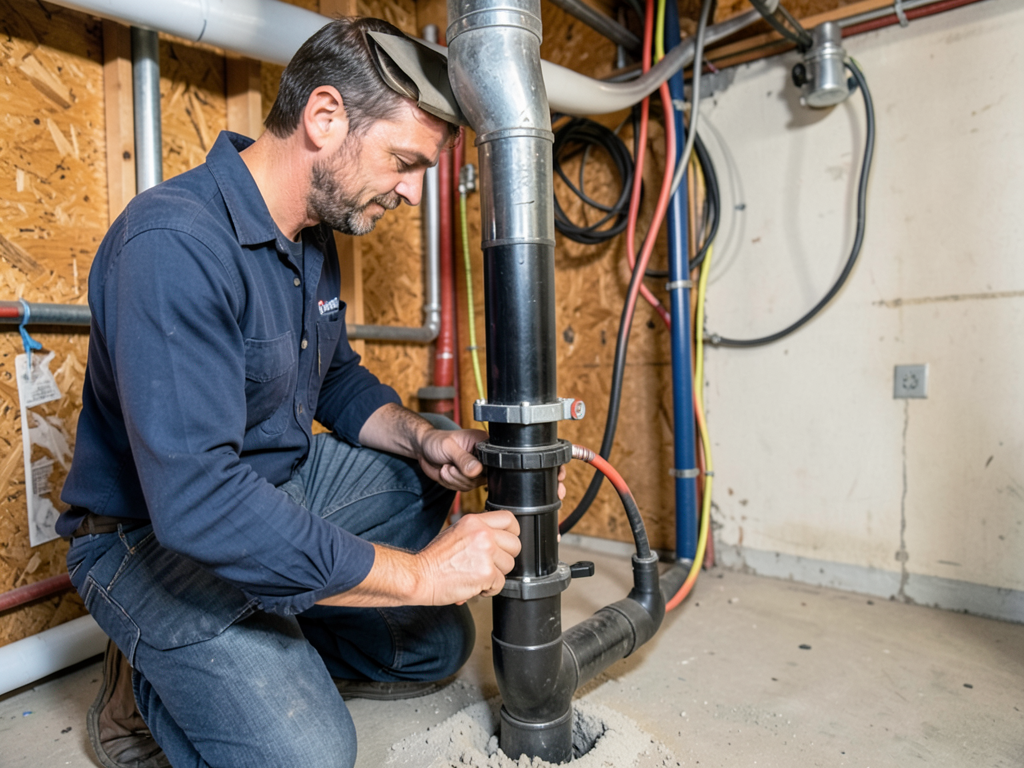
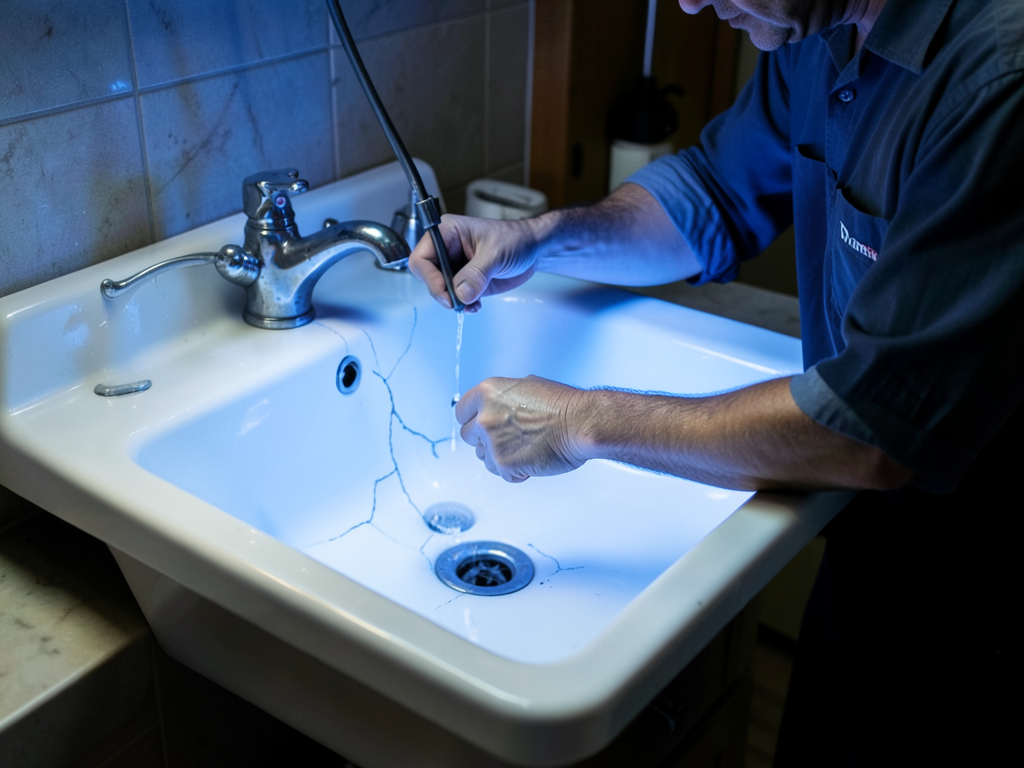
Plumbing Services in The Boston Area

Heritage Plumbing proudly serves Boston and its surrounding areas. Our central location allows us to respond quickly to service calls across residential neighborhoods, business districts, and historic zones alike. Whether you’re downtown or in the suburbs, our local knowledge and flexible scheduling ensure a seamless service experience. Use the map below to find our office, service radius, and contact points — and don’t hesitate to reach out for availability in your area.

Address:
Heritage Plumbing Boston, 75 Arlington St, Boston, MA, 02116

Additional Services We Offer

Our news updates

Latest Articles & News from The Blogs

How to Upgrade Your Kitchen Faucet Without Replacing the Entire Sink in Waltham You can upgrade your kitchen faucet in…

How to Upgrade Your Kitchen Faucet Without Replacing the Entire Sink in Waltham

How to Upgrade Your Kitchen Faucet Without Replacing the Entire Sink in Waltham You can upgrade your kitchen faucet in…

The Hidden Plumbing Risks of Finishing Your Basement in a Flood Zone Like Revere

The Hidden Plumbing Risks of Finishing Your Basement in a Flood Zone Like Revere Finishing your basement in Revere sounds…

Why Your High Efficiency Washing Machine is Causing Suds in Your Danvers Laundry Room

Why Your High Efficiency Washing Machine is Causing Suds in Your Danvers Laundry Room If you’re staring at a laundry…

Contact Us

You should not have to guess whether your water is safe. Call Heritage Plumbing Boston at (617) 749-9799 for same-day diagnosis. We identify the source and recommend the right fix, not the most expensive one.