




menu

Dripping Faucets & Leaks in Boston | Expert Diagnosis and Permanent Repair

Heritage Plumbing Boston stops water waste and prevents hidden damage with precise leak detection and professional faucet repairs throughout the greater Boston metro.

Slider Image 1
Slider Image 2
Slider Image 3
Slider Image 4
Slider Image 5
Slider Image 7
Slider Image 8
Slider Image 9
Slider Image 10
Slider Image 11

Why Boston Faucets Leak More Than You Think

That constant dripping sound at 2 a.m. is not just annoying. It's costing you money and signaling a bigger problem.

Boston's extreme freeze-thaw cycles put unique stress on your plumbing. When temperatures drop below freezing in January and February, then spike to 70 degrees in March, metal valve seats expand and contract. This repeated movement wears down washers and O-rings faster than in milder climates. A dripping tap that seems minor in October can turn into a leaking spigot with serious flow issues by spring.

The hard water in many Boston neighborhoods makes the problem worse. Mineral deposits build up inside faucet cartridges and aerators, creating additional friction and preventing seals from closing completely. You see this most often in Charlestown, Dorchester, and East Boston, where older infrastructure means higher mineral content in the water supply.

A leaky faucet wastes up to 3,000 gallons per year. That translates to real money on your water bill, but the hidden cost is worse. Water that drips down into your cabinet base rots wood, promotes mold growth, and damages the subflooring underneath. In Boston's humid summers, that moisture does not evaporate. It festers.

The other issue residents miss is water pressure fluctuation. Boston's aging water mains cause pressure spikes when hydrants are flushed or main breaks occur. These sudden pressure changes blow out already weakened washers and valve stems. One day your faucet works fine. The next morning you have a faucet water leak puddling under the sink.

You are not imagining it. Boston plumbing systems face harsher conditions than most cities, and your dripping faucet is telling you something needs immediate attention before minor damage becomes a major headache.

Why Boston Faucets Leak More Than You Think
How We Fix Leaks the Right Way

How We Fix Leaks the Right Way

We do not slap a new washer on and call it done. That approach fails within months because it ignores the root cause.

When you call Heritage Plumbing Boston for a leaky faucet, we start with a full diagnostic assessment. We disassemble the entire valve assembly, not just the visible handle components. We inspect the valve seat for pitting and corrosion, check the cartridge for mineral buildup, examine the spout O-ring for wear patterns, and test water pressure at the fixture to identify system-wide issues contributing to the leak.

Boston's water chemistry requires specific repair materials. We use brass and ceramic components that resist mineral scaling better than standard rubber washers. For compression faucets common in older Boston homes, we machine-grind valve seats to restore a perfectly smooth sealing surface. For cartridge and ceramic disk faucets found in newer construction, we replace the entire cartridge assembly rather than individual seals, because partial repairs on these units fail quickly.

We also address secondary damage you may not see. If water has been leaking into the cabinet, we check for soft spots in the wood, test for moisture in the drywall behind the sink, and look for early signs of mold. Fixing the dripping tap without addressing water damage is incomplete work.

Temperature compensation matters in Boston. We adjust valve packing nuts and handle tension to account for seasonal expansion and contraction. This prevents the leak from returning when winter arrives and metal components contract again.

Every repair includes pressure testing under load. We run hot water at full flow for several minutes, then cold, then rapid alternation between the two. This simulates real-world usage and catches failures before we leave your home. If a repair cannot hold up to pressure testing, we replace the entire faucet rather than risk a callback.

What Happens When You Call Us

Dripping Faucets & Leaks in Boston | Expert Diagnosis and Permanent Repair
01

Immediate Diagnostic Assessment

We arrive with specialized tools to pinpoint the exact failure point. Using a faucet seat wrench, cartridge puller, and basin wrench, we disassemble your fixture completely and inspect every component under bright LED lighting. We test water pressure at the supply line and check for corrosion inside the faucet body. This takes 15 to 20 minutes and gives us a complete picture of what failed and why.
02

Precision Repair or Replacement

Based on the assessment, we either rebuild the existing faucet with high-quality components or recommend replacement if the fixture is too worn. For rebuilds, we replace all seals, O-rings, washers, and cartridges. We resurface valve seats and clean aerators. For replacements, we match your existing style and ensure proper fit with Boston's older plumbing configurations. We handle supply line connections carefully to avoid damaging aging shutoff valves common in pre-1980 homes.
03

Pressure Test and Cleanup

We run your faucet through a complete hot and cold cycle, checking for leaks at the base, spout, and handle. We test under full pressure and verify smooth operation. We inspect underneath the sink for any moisture and clean up completely. Before leaving, we show you how to properly operate your faucet to maximize its lifespan and explain what warning signs to watch for in the future.

Why Boston Homeowners Choose Heritage Plumbing

You need someone who understands how Boston's infrastructure affects your home plumbing. We do.

Heritage Plumbing Boston has spent years working with the unique challenges of this city's housing stock. We know that South Boston triple-deckers have galvanized supply lines prone to internal rust. We know that Back Bay brownstones often have original brass fixtures worth repairing rather than replacing. We know that newer developments in Seaport have pressure-balancing valves that require specific cartridge types.

This knowledge matters because generic repairs fail fast. A plumber from outside the area might install a standard washer that works fine in a suburban home but fails within weeks under Boston's pressure fluctuations and water chemistry. We stock repair parts specifically chosen for this region's conditions.

We also understand local building codes. Boston requires backflow prevention on certain fixture types, and older homes need compliance upgrades during plumbing work. We handle permits when needed and ensure your repair meets current code without forcing unnecessary upgrades.

Our response time reflects the reality of Boston living. We know that a leaking spigot in a triple-decker affects the tenant below you. We know that a faucet water leak in a condo can damage your neighbor's unit. We prioritize these multi-unit situations and typically arrive within two hours for emergency calls.

We carry a full inventory of parts on every truck. This means we complete most repairs in a single visit rather than ordering parts and returning days later. Time matters when water is actively leaking.

You also get transparent pricing before work begins. We diagnose the problem, explain exactly what failed and why, then give you a firm price for the repair. No surprises, no upselling, no pressure. Just honest assessment and professional work.

Boston homeowners refer us to their neighbors because we show up on time, fix the problem correctly, and respect your home while we work.

What to Expect From Your Service Call

Fast Response Times

We schedule service calls within 24 hours for standard repairs and arrive within two hours for emergency leaks causing active water damage. Most dripping faucet repairs take 45 minutes to 90 minutes from arrival to completion, depending on the fixture type and access difficulty. We call 30 minutes before arrival and show up in a clearly marked vehicle so you know who is at your door. If we are running late due to traffic or a previous job running over, we contact you immediately with an updated arrival time.

Thorough Initial Evaluation

We do not guess. We disassemble your faucet completely and examine every component. This includes testing water pressure, checking for mineral buildup in the aerator and cartridge, inspecting valve seats for scoring, and looking for corrosion in the faucet body. We also check under your sink for existing water damage, test your shutoff valves to ensure they work properly, and verify that supply lines are not leaking at the connection points. You get a full explanation of what we find and why your faucet is leaking before any repair work begins.

Lasting Repair Quality

We use brass, ceramic, and stainless steel components chosen specifically for Boston's water conditions. Every seal, washer, and O-ring gets replaced with premium materials rated for high mineral content water. Valve seats are resurfaced to factory-smooth tolerances using professional grinding tools. Cartridges are genuine manufacturer parts, not generic substitutes that fail early. We hand-tighten all connections to proper torque specs to prevent future leaks without overtightening and cracking fixture bodies. The result is a faucet that stops dripping and stays fixed.

Follow-Up Support

After completing your repair, we provide specific care instructions for your fixture type. This includes how to clean aerators without damaging internal screens, when to replace supply lines, and what sounds or behaviors indicate a developing problem. If your faucet develops a new issue within 30 days of our repair, we return at no additional charge to diagnose and fix it. We also offer annual plumbing inspections that catch small problems before they become expensive emergencies. Many Boston homeowners schedule these inspections in early fall to prepare for winter.

Frequently Asked Questions

You Have Questions,
We Have Answers

How do I get my faucet to stop dripping? +

Start by shutting off the water supply under the sink. Remove the faucet handle using a screwdriver or hex key. Check the cartridge, washer, or O-ring inside. These rubber components wear out from Boston's hard water and mineral buildup. Replace the damaged part with an exact match from a hardware store. Reassemble the faucet and turn the water back on. If the drip continues, the valve seat may be corroded. That requires specialized tools and experience to resurface or replace properly.

What is the most common cause of a leaky dripping to handle a faucet? +

A worn-out washer or O-ring causes most dripping faucets. These small rubber seals sit inside the faucet assembly and create a watertight barrier when you turn the handle off. Over time, friction and mineral deposits from Boston's water supply degrade the rubber. It hardens, cracks, or flattens. Once that seal fails, water seeps past and drips from the spout. Compression faucets with separate hot and cold handles are especially prone to washer failure. The fix is simple but requires disassembly.

Is a dripping faucet considered a leak? +

Yes. A dripping faucet is a leak. Water escapes from the fixture when it should be completely shut off. The leak happens internally where seals have failed. While it seems minor compared to a burst pipe, it wastes significant water over time. Boston residents pay for metered water and sewer costs based on usage. A faucet dripping once per second wastes over 3,000 gallons annually. That adds up on your utility bill and strains municipal water resources, especially during summer demand peaks.

Why is my faucet dripping when the water is turned off? +

Your faucet drips because internal seals no longer hold back water pressure. When you turn the handle off, a washer or cartridge should press tightly against the valve seat to stop flow. If that washer is worn, the valve seat is corroded, or the cartridge is damaged, water pushes through the gap. Boston's fluctuating water pressure, especially in older neighborhoods with outdated infrastructure, accelerates seal wear. High pressure forces water past even small imperfections in the seal. The drip continues until you replace the failed component.

How do I stop a constant dripping tap? +

First, identify your faucet type: compression, cartridge, ball, or ceramic disc. Shut off the water supply valves under the sink. Disassemble the handle and inspect the internal parts. Replace worn washers, O-rings, or the entire cartridge depending on the design. Clean any mineral deposits from the valve seat with white vinegar. Reassemble carefully and test. If you lack the right tools or the drip persists, call a plumber. Boston's older homes often have corroded valve seats that need professional resurfacing or replacement.

What does spraying WD-40 in a faucet do? +

WD-40 is a penetrating oil, not a plumbing solution. Some people spray it on stuck faucet handles or corroded valve stems to loosen mineral buildup and help parts move freely. It does not fix a drip. It can temporarily displace water and make reassembly easier, but it is not a sealant. Using WD-40 inside the faucet body can contaminate your drinking water and damage rubber seals. For a dripping faucet, replace the worn washer or cartridge. Save the WD-40 for loosening stubborn screws during disassembly.

Should I call a plumber for a leaky faucet? +

If you are comfortable with basic tools and can identify your faucet type, you can replace a washer yourself. But if the drip continues after replacing parts, the valve seat is corroded, or you have an older fixture common in Boston's historic homes, call a plumber. Valve seat damage requires a seat wrench or grinding tool. Misdiagnosis wastes time and money on wrong parts. A plumber can also spot hidden issues like loose supply lines or failing shut-off valves that could cause bigger problems later.

How to remove a bathroom faucet handle with no visible screws? +

Look for a small cap on top of the handle. Pry it off gently with a flathead screwdriver to reveal a hidden screw. Some handles have a setscrew on the underside or side of the base. Use a hex key to loosen it. If you see no screws at all, the handle likely threads directly onto the stem or snaps on with a clip. Pull firmly upward while wiggling slightly. Older faucets in Boston's triple-deckers may have corroded connections. Apply penetrating oil and wait 10 minutes before pulling again.

What is the dripping faucet theory? +

The dripping faucet theory is a psychological concept, not a plumbing term. It describes how small, repeated annoyances wear down your mental state over time, much like a constant drip erodes your patience. The metaphor comes from the real frustration of hearing a faucet drip all night. In plumbing, the term has no technical meaning. If someone mentions it, they are likely referring to the cumulative stress of ignoring minor problems until they become major repairs. Fix the drip early to avoid both frustration and water waste.

What happens if you don't fix a dripping faucet? +

You waste thousands of gallons of water and increase your utility bill. The constant drip also stains your sink with rust or mineral deposits. Over time, the leak can worsen as the valve seat corrodes further. In Boston's freezing winters, moisture from a drip can encourage mold growth under the sink or damage cabinet wood. If the leak is at a pipe connection rather than the faucet spout, it can rot subfloors or drip into units below in multi-family buildings. Fix it now before a minor drip becomes expensive water damage.

Boston's Water System and Your Faucet Lifespan

Boston draws water from the Quabbin and Wachusett reservoirs, which provide some of the softest water in New England. However, neighborhoods like Charlestown, East Boston, and parts of Dorchester still receive water through aging cast iron mains installed in the early 1900s. These old pipes leach iron and minerals into the water supply, creating the brown water events residents see during main breaks. This mineral-laden water accelerates wear on faucet cartridges and valve seats. Additionally, Boston Water and Sewer Commission regularly adjusts pressure to manage the hilly terrain from Beacon Hill to Roxbury, causing pressure spikes that blow out already weakened washers and seals in older fixtures.

Heritage Plumbing Boston maintains relationships with local plumbing supply houses in Somerville and Allston, giving us access to hard-to-find parts for fixtures common in Boston's historic housing stock. We regularly work with the Inspectional Services Department on permit requirements and understand the specific code interpretations Boston inspectors apply. When you hire a plumber unfamiliar with Boston's requirements, you risk failed inspections and costly rework. Our team knows which repairs trigger permit requirements and which fall under routine maintenance, saving you time and money while keeping your home compliant.
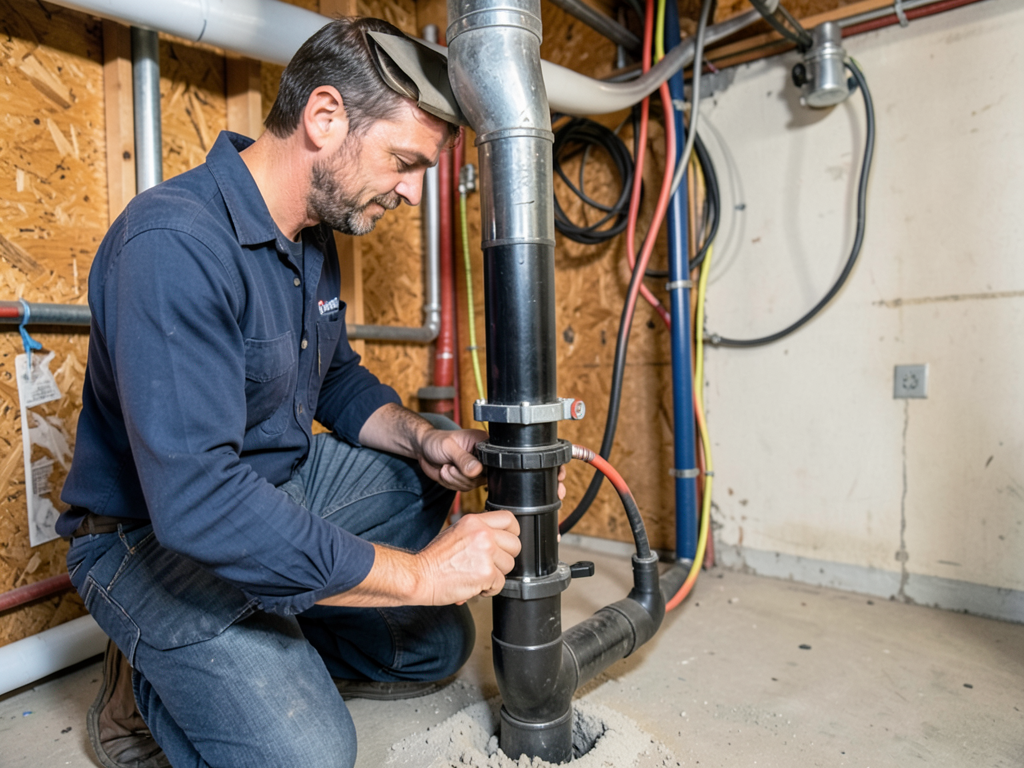
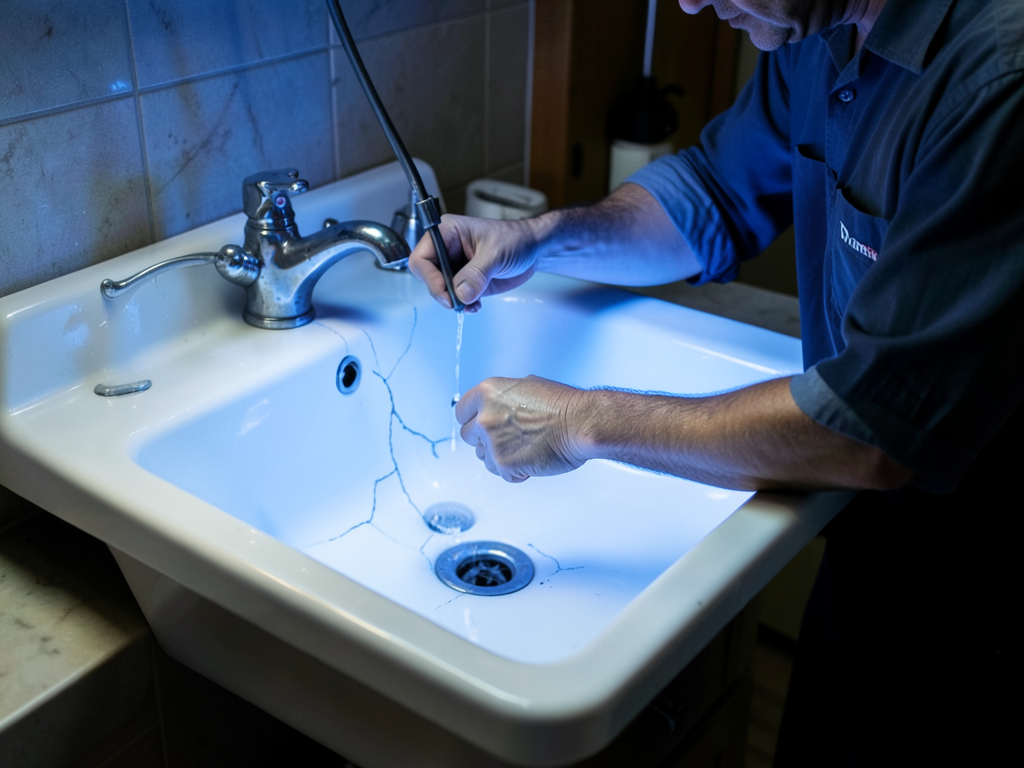
Plumbing Services in The Boston Area

Heritage Plumbing proudly serves Boston and its surrounding areas. Our central location allows us to respond quickly to service calls across residential neighborhoods, business districts, and historic zones alike. Whether you’re downtown or in the suburbs, our local knowledge and flexible scheduling ensure a seamless service experience. Use the map below to find our office, service radius, and contact points — and don’t hesitate to reach out for availability in your area.

Address:
Heritage Plumbing Boston, 75 Arlington St, Boston, MA, 02116

Additional Services We Offer

Our news updates

Latest Articles & News from The Blogs

How to Upgrade Your Kitchen Faucet Without Replacing the Entire Sink in Waltham You can upgrade your kitchen faucet in…

How to Upgrade Your Kitchen Faucet Without Replacing the Entire Sink in Waltham

How to Upgrade Your Kitchen Faucet Without Replacing the Entire Sink in Waltham You can upgrade your kitchen faucet in…

The Hidden Plumbing Risks of Finishing Your Basement in a Flood Zone Like Revere

The Hidden Plumbing Risks of Finishing Your Basement in a Flood Zone Like Revere Finishing your basement in Revere sounds…

Why Your High Efficiency Washing Machine is Causing Suds in Your Danvers Laundry Room

Why Your High Efficiency Washing Machine is Causing Suds in Your Danvers Laundry Room If you’re staring at a laundry…

Contact Us

Call Heritage Plumbing Boston at (617) 749-9799 right now. We answer phones 24/7 and schedule most repairs within 24 hours. Stop wasting water and money. Get your leaky faucet fixed correctly the first time.