



menu

Medical & Dental Gas Plumbing in Boston – Certified Installation That Keeps Your Facility Compliant and Operational

Heritage Plumbing Boston delivers code-compliant medical gas piping systems for hospitals, clinics, and dental practices across the greater Boston metro, engineered to meet NFPA 99 standards and state regulations without operational disruption.

Slider Image 1
Slider Image 2
Slider Image 3
Slider Image 4
Slider Image 5
Slider Image 7
Slider Image 8
Slider Image 9
Slider Image 10
Slider Image 11

Why Boston Healthcare Facilities Cannot Afford Medical Gas System Failures

Your medical or dental facility depends on uninterrupted oxygen, nitrous oxide, nitrogen, and vacuum systems. A single leak, pressure drop, or contamination event shuts down operating rooms, delays procedures, and exposes you to catastrophic liability.

Boston's healthcare infrastructure faces unique pressure. The concentration of teaching hospitals, research facilities, and specialty clinics in neighborhoods like Longwood Medical Area and the Seaport District means competition for skilled certified med gas plumbers is fierce. Many contractors claim medical gas expertise but lack the specialized training required for ASSE 6010 or ASSE 6030 certification.

The stakes are higher here. Massachusetts Department of Public Health regulations require rigorous documentation, pressure testing, and purity verification for all medical gas pipeline services. A failed inspection delays your certificate of occupancy, postpones patient care, and hemorrhages revenue every day your doors stay closed.

Dental gas piping for nitrous oxide sedation carries its own risks. Improper installation creates cross-connection hazards where oxygen mixes with nitrous oxide, or worse, medical vacuum lines contaminate breathing gas supplies. The result is patient harm and license suspension.

Boston's aging building stock adds complexity. Retrofitting med gas installation services into century-old structures in Back Bay or Beacon Hill requires navigation of historic preservation codes, tight mechanical chases, and outdated electrical systems. You need a plumber who understands both modern medical gas piping systems and the architectural constraints of New England construction.

Generic commercial plumbers do not cut it. Medical gas work demands specialized tools, dedicated testing equipment, and ironclad quality control procedures that most contractors cannot provide.

Why Boston Healthcare Facilities Cannot Afford Medical Gas System Failures
How We Engineer Fail-Safe Medical Gas Systems for Critical Care Environments

How We Engineer Fail-Safe Medical Gas Systems for Critical Care Environments

We start every medical gas project with a full facility assessment. Our team reviews your architectural drawings, identifies zone valve locations, calculates peak demand loads, and maps out source equipment placement before a single pipe gets cut. This upfront engineering prevents the costly change orders that plague most med gas installation services.

Our pipe installation follows NFPA 99 protocols to the letter. We use only medical-grade Type K copper tubing, silver-brazed joints, and oil-free nitrogen purging during fabrication. Every joint gets visually inspected. Every section gets hydrostatic pressure tested to 150 percent of working pressure. We document everything because the Massachusetts Department of Public Health will ask for it.

For dental gas piping, we install dedicated manifold systems with proper ventilation and scavenging equipment. Nitrous oxide requires specific pressure regulation and alarm systems that trigger before concentrations reach unsafe levels. We wire these alarms directly into your building management system so failures cannot go unnoticed.

Zone valves get positioned for maximum safety and minimum disruption. In a multi-floor facility, we strategically place emergency shutoffs so one department can isolate their system without affecting the entire building. This design consideration saves lives during maintenance and emergencies.

Testing consumes more time than installation. We perform blow-down procedures, standing pressure tests, cross-connection tests, and gas purity verification using calibrated analytical equipment. Only after every test passes do we hand you the documentation package required for your final inspection.

Heritage Plumbing Boston maintains an inventory of medical-grade fittings, regulators, and alarm panels. When your project hits a snag, we do not wait three weeks for a specialty supplier. We pull from stock and keep your timeline intact.

What Happens During Your Medical Gas Installation Project

Medical & Dental Gas Plumbing in Boston – Certified Installation That Keeps Your Facility Compliant and Operational
01

System Design and Planning

We conduct a detailed site survey and calculate your gas consumption rates based on equipment specifications and projected patient volume. You receive engineered drawings showing pipe routes, valve locations, alarm panel placement, and source equipment positioning. This blueprint serves as your roadmap through permitting and gives your construction team clear coordination points before we mobilize to the site.
02

Installation and Testing

Our certified installers fabricate and install medical-grade copper piping using silver-brazed joints and oil-free procedures. We pressure test each section immediately after installation, purge lines with medical-grade nitrogen, and perform cross-connection verification. Gas analyzers confirm purity levels meet USP standards for medical oxygen and other gases. Every valve, regulator, and alarm gets tested under simulated failure conditions to prove reliability.
03

Documentation and Certification

You receive a complete record package including as-built drawings, material certifications, test reports, and training documentation for your maintenance staff. We walk your team through emergency shutdown procedures, routine inspection requirements, and alarm response protocols. This handoff ensures you pass state inspections on the first attempt and your staff can operate the system safely from day one.

Why Boston Healthcare Facilities Trust Our Medical Gas Expertise

Medical gas work is not regular plumbing. It requires ASSE 6010 certification for medical gas installers and ASSE 6030 for verifiers. Heritage Plumbing Boston maintains both certifications and keeps our team current through continuing education. We know the difference between breathing air and medical air, understand the color coding requirements for gas-specific piping, and can explain why copper-to-copper connections require specific brazing alloys.

Boston's regulatory environment is stricter than most states. Massachusetts enforces 248 CMR building code provisions that go beyond federal NFPA standards. Our familiarity with local inspectors, permit requirements, and documentation expectations keeps your project moving. We have worked with Boston Inspectional Services, Cambridge building officials, and suburban jurisdictions throughout the metro. We know what they want to see.

Many Boston medical facilities occupy buildings constructed before modern codes existed. Massachusetts General Hospital, Tufts Medical Center, and dozens of neighborhood clinics operate in structures where mechanical systems were never designed for medical gas. We have retrofitted systems into buildings with plaster walls, narrow corridors, and limited ceiling space. We understand how to protect historic finishes while running modern infrastructure.

Downtime kills your revenue. We schedule installations around your operational needs, work night shifts when required, and phase projects so you never lose critical capabilities. When we installed a new oxygen system at a surgical center in Brookline, we maintained temporary supply lines so procedures continued without interruption.

Our supplier relationships matter. Medical gas components are specialized and lead times can stretch months. We maintain standing accounts with the major medical gas equipment manufacturers and keep emergency stock for common repairs. When your bulk oxygen tank develops a leak or a manifold fails, we have replacement parts on hand.

What to Expect When You Partner With Us

Project Timeline and Coordination

Medical gas installations typically span 4 to 12 weeks depending on facility size and complexity. We provide a detailed schedule showing design milestones, permit submission dates, installation phases, and testing windows. Our project managers attend your weekly construction meetings and coordinate with electrical, HVAC, and general contractors to prevent conflicts. You receive weekly progress updates and immediate notification of any issues that could affect your certificate of occupancy date. We build buffer time into critical path activities so permit delays or material shortages do not derail your opening.

Pre-Installation Assessment Process

We begin with a comprehensive facility walkthrough where we identify source equipment locations, map pipe routes, measure ceiling heights, and photograph existing conditions. You receive a written scope of work detailing materials, labor requirements, testing procedures, and code compliance measures. We flag potential complications early like asbestos pipe insulation, inadequate structural support, or electrical conflicts that could trigger change orders. This assessment includes conversations with your clinical staff to understand workflow patterns and ensure gas outlet placement supports efficient patient care without interfering with equipment positioning or emergency access.

Quality Control and System Performance

Your completed system will maintain consistent pressure across all outlets, trigger alarms at appropriate thresholds, and deliver gas purity levels that exceed USP monograph standards. We verify flow rates at the furthest outlet match design specifications, confirm zone valves operate smoothly, and test every alarm under simulated failure conditions. Gas samples go to an independent laboratory for composition analysis. You receive calibrated gauge readings, leak test documentation, and purity certificates required by state inspectors. The system performs exactly as engineered because we test it before you take ownership.

Ongoing Support and Maintenance

Medical gas systems require annual inspections under NFPA 99 and periodic testing of alarms, pressure relief valves, and source equipment. We offer maintenance agreements that include scheduled inspections, priority emergency response, and discounted repair rates. Our service calls average under two hours for most issues because we stock common repair parts and our technicians carry specialized testing equipment. When regulations change or you expand your facility, we provide system assessments and upgrade recommendations. Your staff receives our emergency contact number for after-hours failures that threaten patient care.

Frequently Asked Questions

You Have Questions,
We Have Answers

What is medical gas plumbing? +

Medical gas plumbing is a specialized system that delivers therapeutic gases like oxygen, nitrous oxide, nitrogen, and medical air to patient care areas in hospitals, surgical centers, and dental offices. These systems require strict compliance with NFPA 99 standards and Massachusetts state codes. The installation involves precision-welded or brazed copper lines, pressure regulators, alarm panels, and zone valves to ensure safe, contamination-free delivery. Boston facilities face additional scrutiny due to high patient volumes and older building infrastructure. Medical gas systems demand licensed contractors with specific certifications, unlike standard plumbing work.

How much does it cost to plumb a gas line? +

Medical gas line installation costs vary widely based on project scope, not square footage alone. Factors include system complexity, gas types required, distance from source to endpoints, and compliance testing mandates. Boston projects often encounter higher labor rates and permitting costs compared to suburban areas. A small dental office oxygen system may run lower than a multi-floor hospital expansion requiring vacuum, nitrogen, and waste anesthetic gas disposal. Code-required pressure testing, third-party verification, and documentation add to total investment. Request detailed estimates that break down materials, labor, testing, and permit fees.

What are the 5 classes of medical gas piping? +

NFPA 99 defines medical gas piping classes based on patient risk and system criticality. Class 1 systems serve critical patient care areas like operating rooms and ICUs where interruption could cause death or serious injury. Class 2 systems supply lower-acuity spaces where brief interruptions are tolerable. Class 3 systems serve research or non-patient areas. Boston healthcare facilities typically operate Class 1 systems due to high-acuity patient populations. Each class has different installation, testing, and maintenance requirements. Certification and documentation standards increase with class level to protect patient safety.

What type of pipe is used for medical gas? +

Medical gas systems primarily use Type K or Type L seamless copper tubing, chosen for cleanliness, durability, and corrosion resistance. Copper withstands the pressures required for oxygen, nitrous oxide, and medical air delivery. Joints are brazed with specific filler metals approved for medical gas service. Stainless steel may be used in specific applications where corrosion is a concern. Boston facilities often work with older buildings where pipe routing requires careful planning to avoid contamination from nearby steam or drainage lines. All piping must arrive capped and cleaned to medical gas standards before installation.

How Boston's Hospital Concentration Demands Higher Medical Gas Standards

The Longwood Medical Area packs more teaching hospitals into a single square mile than almost anywhere in the country. This concentration means medical gas contractors face intense scrutiny from hospital engineering departments, state regulators, and accreditation bodies. A single installation failure at Beth Israel Deaconess or Boston Children's Hospital creates ripple effects throughout the medical community. Contractors earn reputations quickly here. Heritage Plumbing Boston has built relationships with facilities managers across Boston because our installations pass inspections the first time and our documentation exceeds the minimum requirements. We understand that medical gas pipeline services in this city operate under a microscope.

Massachusetts enforces some of the strictest medical facility regulations in the nation. The Department of Public Health conducts unannounced inspections and has authority to shut down non-compliant systems immediately. Your contractor needs current knowledge of state amendments to NFPA 99, understands the documentation requirements for 248 CMR compliance, and maintains relationships with local inspectors who can answer questions during installation. We attend state code update seminars, participate in industry associations, and maintain direct communication channels with Boston building officials. When you hire Heritage Plumbing Boston for med gas installation services, you get a team that knows how to navigate Boston's regulatory environment without delays.
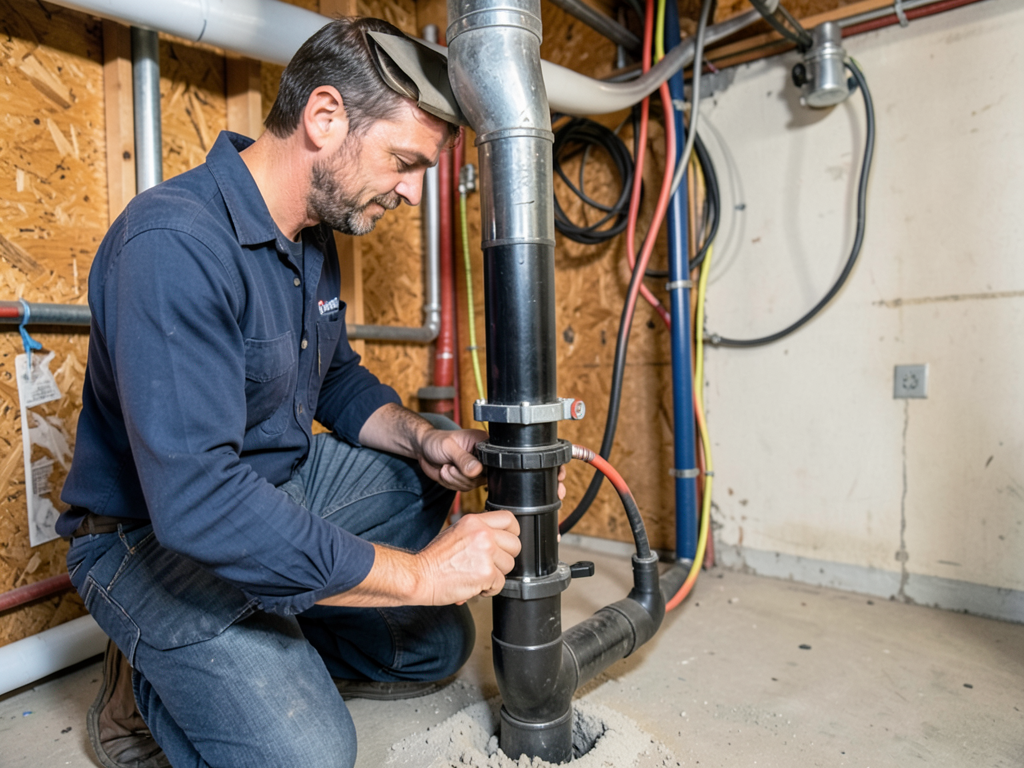
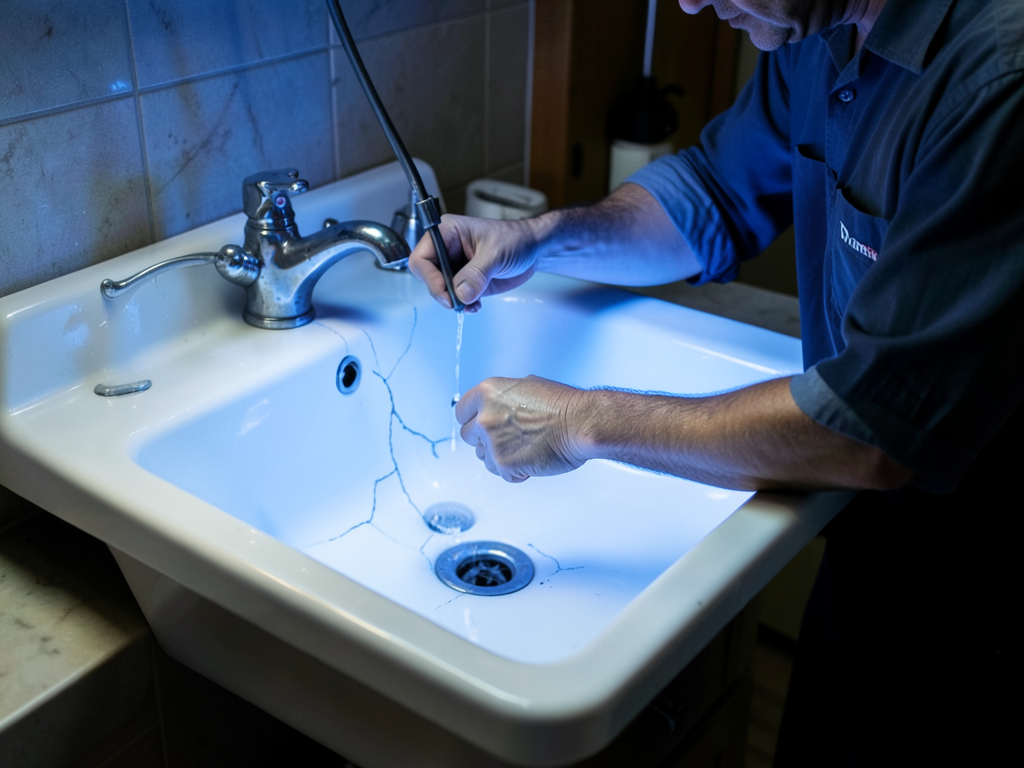
Plumbing Services in The Boston Area

Heritage Plumbing proudly serves Boston and its surrounding areas. Our central location allows us to respond quickly to service calls across residential neighborhoods, business districts, and historic zones alike. Whether you’re downtown or in the suburbs, our local knowledge and flexible scheduling ensure a seamless service experience. Use the map below to find our office, service radius, and contact points — and don’t hesitate to reach out for availability in your area.

Address:
Heritage Plumbing Boston, 75 Arlington St, Boston, MA, 02116

Additional Services We Offer

Our news updates

Latest Articles & News from The Blogs

How to Upgrade Your Kitchen Faucet Without Replacing the Entire Sink in Waltham You can upgrade your kitchen faucet in…

How to Upgrade Your Kitchen Faucet Without Replacing the Entire Sink in Waltham

How to Upgrade Your Kitchen Faucet Without Replacing the Entire Sink in Waltham You can upgrade your kitchen faucet in…

The Hidden Plumbing Risks of Finishing Your Basement in a Flood Zone Like Revere

The Hidden Plumbing Risks of Finishing Your Basement in a Flood Zone Like Revere Finishing your basement in Revere sounds…

Why Your High Efficiency Washing Machine is Causing Suds in Your Danvers Laundry Room

Why Your High Efficiency Washing Machine is Causing Suds in Your Danvers Laundry Room If you’re staring at a laundry…

Contact Us

Your facility cannot afford system failures or failed inspections. Call Heritage Plumbing Boston at (617) 749-9799 to discuss your medical gas piping needs. We provide detailed proposals, answer technical questions, and deliver installations that pass inspection the first time.