


menu

Backflow Prevention & Testing in Boston – Certified Compliance with Annual Testing & Same-Day Emergency Response

Heritage Plumbing Boston delivers state-mandated backflow prevention compliance for residential, commercial, and municipal properties across Boston, ensuring clean water protection through certified backflow assembly testing and annual certification renewals.

Slider Image 1
Slider Image 2
Slider Image 3
Slider Image 4
Slider Image 5
Slider Image 7
Slider Image 8
Slider Image 9
Slider Image 10
Slider Image 11

Why Boston's Aging Water Infrastructure Makes Backflow Testing Non-Negotiable

Boston's water distribution system, one of the oldest in the nation, presents unique challenges for backflow prevention compliance. The city's combination of pre-1900s cast iron mains, fluctuating water pressure zones across neighborhoods like Beacon Hill and the South End, and aggressive water quality treatment methods creates conditions where backflow events become more likely.

When water pressure drops suddenly, contaminated water can reverse direction and flow back into your clean supply. This happens during water main breaks, which occur frequently in Boston due to freeze-thaw cycles stressing brittle pipes, or during high-demand periods when firefighting operations drain nearby hydrants.

The Massachusetts Department of Environmental Protection mandates annual backflow preventer inspection for any property with irrigation systems, fire suppression systems, or commercial plumbing connections. Boston Water and Sewer Commission enforces these regulations strictly, issuing violation notices and potential water service shutoffs for non-compliance.

Your backflow assembly testing protects more than your property. It safeguards Boston's entire water supply from contamination events. A failed backflow device testing at a commercial property in Back Bay can introduce chemicals, bacteria, or waste materials into the municipal supply serving thousands of residents.

Backflow prevention compliance requires certified testers who understand the specific pressures and configurations common in Boston's varied building stock, from triple-deckers in Dorchester to high-rises in the Financial District. The testing procedures for a residential double-check valve differ significantly from backflow device testing on a hospital's fire suppression system or a restaurant's carbonation equipment.

Why Boston's Aging Water Infrastructure Makes Backflow Testing Non-Negotiable
The Technical Process Behind Certified Backflow Assembly Testing

The Technical Process Behind Certified Backflow Assembly Testing

Backflow preventer inspection begins with identifying the type of assembly installed. Boston properties typically contain reduced pressure zone devices, double-check valve assemblies, or pressure vacuum breakers. Each requires different testing protocols and pressure readings.

We use calibrated differential pressure gauges to measure the exact opening and closing points of check valves and relief valves. For reduced pressure zone assemblies, the relief valve must open when differential pressure drops to specific thresholds. If the valve opens too early or too late by even two pounds per square inch, the assembly fails and requires immediate repair or replacement.

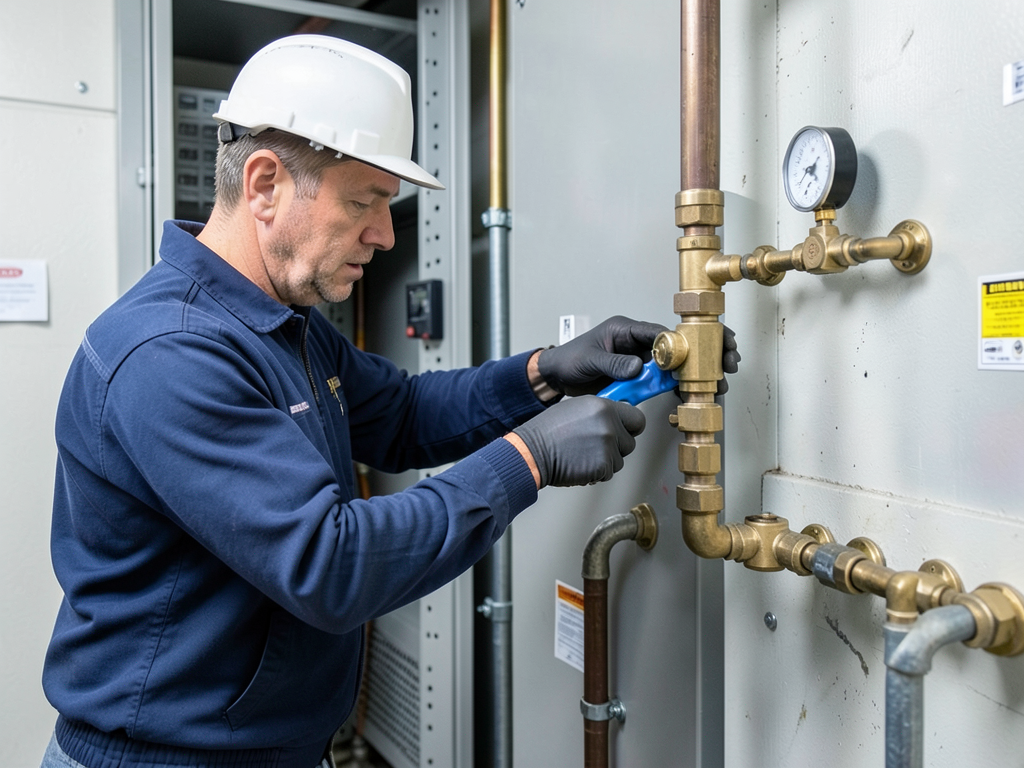
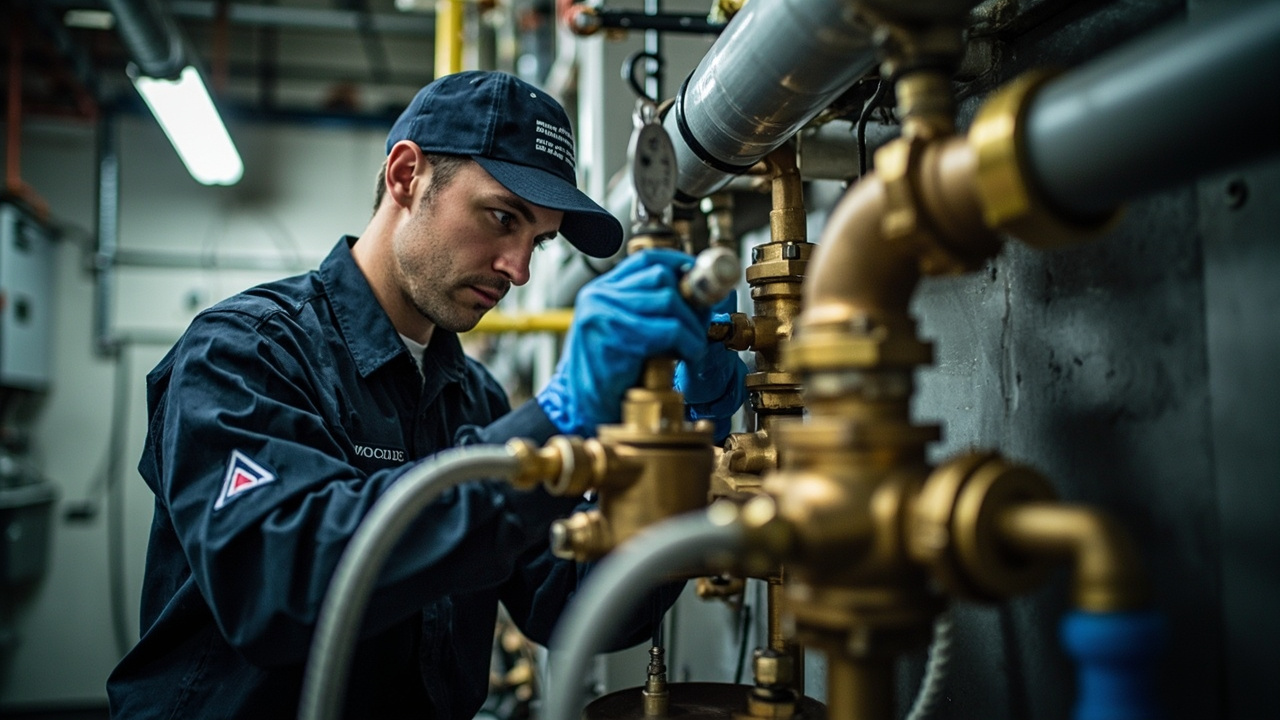
The test involves isolating the backflow assembly using the test cocks built into the device. We attach gauge lines to these ports and manipulate the shutoff valves to create controlled pressure differentials. This simulates real-world backflow conditions without actually contaminating the water supply.

During annual backflow certification, we document serial numbers, assembly locations, test gauge calibration dates, and all pressure readings. These records get filed with Boston Water and Sewer Commission and become part of your property's compliance history. Missing or incomplete documentation can trigger city violations, even if the device functions properly.

Many backflow assemblies in Boston fail testing due to debris accumulation from the city's older pipe infrastructure. Sediment, rust particles, and mineral deposits lodge in check valve seats, preventing proper closure. We disassemble failed devices, clean components, replace worn rubber seals, and retest to verify compliance.

Commercial properties face additional complexity. A hospital in Longwood Medical Area might have 15 backflow devices serving different systems. Each requires individual backflow device testing, tagging, and documentation. We coordinate testing schedules to minimize disruption to critical operations.

What Happens During Your Backflow Testing Appointment

Backflow Prevention & Testing in Boston – Certified Compliance with Annual Testing & Same-Day Emergency Response
01

Device Location and Documentation

We identify all backflow assemblies on your property and verify their registration with Boston Water and Sewer Commission. Many properties have multiple devices in basement utility rooms, exterior walls, or vault boxes underground. We photograph each assembly, record serial numbers, and confirm the device type matches city records. This documentation becomes critical if compliance questions arise later.
02

Pressure Testing and Valve Function

Using calibrated test equipment, we measure the opening pressure of check valves and relief valves under controlled conditions. For reduced pressure zone devices, we verify the relief valve opens at least two PSI above the second check valve. For double-check assemblies, we confirm both check valves close tight against reverse flow. The entire test takes 15 to 30 minutes per device, depending on assembly complexity and accessibility.
03

Certification Filing and Repairs

After successful testing, we complete the official test report form and submit it directly to Boston Water and Sewer Commission on your behalf. You receive a copy for your records. If the assembly fails, we provide a detailed repair estimate and can complete the work immediately in most cases. Once repairs finish, we retest and file the passing certification, ensuring your property remains compliant with city regulations.

Why Boston Property Owners Choose Heritage Plumbing for Backflow Compliance

Backflow prevention compliance in Boston requires more than basic plumbing knowledge. It demands understanding of the city's specific water pressure zones, familiarity with Boston Water and Sewer Commission filing procedures, and certification from the Massachusetts Outdoor Water Use Certification Program.

Our technicians hold current Massachusetts backflow tester certifications and recertify every two years to maintain compliance with state regulations. This training covers the latest testing methodologies, equipment calibration requirements, and changes to state plumbing codes affecting backflow prevention.

We maintain relationships with Boston Water and Sewer Commission staff, which proves valuable when documentation issues arise or when properties face compliance deadlines. We understand the commission's filing system and can expedite paperwork processing when time-sensitive situations develop, such as pre-sale property inspections or permit renewals.

Boston's building diversity requires adaptability. We test backflow assemblies in locations ranging from cramped South End brownstone basements to sprawling industrial facilities in the Seaport District. We carry specialized test equipment for hard-to-reach installations and can coordinate building access for properties with security requirements or restricted areas.

Commercial clients benefit from our ability to manage multi-device properties efficiently. We create property-specific testing schedules that align with annual backflow certification deadlines while minimizing operational disruption. For restaurants, we schedule testing during closed hours. For medical facilities, we coordinate with facility managers to avoid conflicts with patient care activities.

Our documentation practices exceed minimum requirements. Beyond the standard test report filed with the city, we provide clients with comprehensive records including photographs of each device, historical test data showing performance trends over time, and maintenance recommendations based on observed conditions. This documentation proves invaluable during property transactions or liability investigations.

What to Expect During Backflow Testing and Certification

Scheduling and Response Time

We schedule routine annual backflow certification appointments within three to five business days of your call. Properties facing imminent compliance deadlines or city violation notices receive priority scheduling, often with same-day or next-day appointments. Emergency situations, such as properties receiving water shutoff warnings from Boston Water and Sewer Commission, get immediate response. We maintain testing capacity year-round, though spring months see higher demand as property managers prepare for summer irrigation system startups. Appointments typically last one to two hours, depending on the number of devices and their accessibility.

The Testing Evaluation Process

Before beginning pressure tests, we inspect the backflow assembly for visible damage, corrosion, or modifications that might affect performance. We verify shutoff valves operate smoothly and test cocks remain functional. The actual pressure testing follows standardized procedures established by the American Water Works Association and required by Massachusetts regulations. We document all pressure readings on official test forms and explain results to property owners or managers before leaving the site. If the device fails, we provide clear explanations of which components malfunctioned and what repairs are necessary to achieve compliance.

Test Results and Compliance Documentation

Passing test results get filed with Boston Water and Sewer Commission within 48 hours of completion. You receive a stamped copy of the official test report showing compliance for the current testing cycle. This documentation remains valid for one year from the test date. Failed assemblies receive detailed diagnostic reports explaining failure points and required repairs. We keep permanent records of all tests performed, creating a compliance history that proves valuable during property sales, refinancing, or dispute resolution with municipal authorities. Our documentation meets all requirements for insurance claims and liability protection.

Repair Services and Retesting

Failed backflow assemblies require repair before certification can be issued. We carry common replacement parts on service vehicles, allowing immediate repairs in most situations. Check valve rubbers, relief valve springs, and small internal components can typically be replaced on-site. Severely corroded or damaged assemblies may require complete replacement. After completing repairs, we perform full retesting to verify compliance and file passing results with the city. We offer annual testing reminder services, contacting you before your certification expires to schedule the next testing cycle and prevent compliance lapses.

Frequently Asked Questions

You Have Questions,
We Have Answers

What is backflow prevention testing? +

Backflow prevention testing checks if your backflow preventer works correctly. A backflow preventer stops contaminated water from reversing flow into Boston's clean water supply. During testing, a certified tester uses gauges to measure pressure differentials across check valves and relief valves. The test confirms each component seals properly and prevents reverse flow. Boston Water and Sewer Commission requires annual testing for commercial properties and certain residential installations. The tester documents results and submits reports to the city. If your device fails, repairs or replacement happen before retesting. This protects public health by keeping irrigation water, chemicals, and other contaminants out of drinking water lines.

Can I test my own backflow preventer? +

No. Massachusetts law requires a certified backflow prevention tester to perform annual testing. You cannot test your own device. Testing requires specialized gauge equipment and state certification through an approved training program. Boston Water and Sewer Commission only accepts test reports from certified testers who hold valid credentials. Even if you own the proper gauges, self-testing violates regulations and your results will not satisfy compliance requirements. Certified testers understand pressure zone configurations, cross-connection control, and proper documentation procedures. Attempting to test your own backflow preventer puts you at risk for fines and potential water shutoff if the city does not receive valid annual reports.

Is backflow testing really necessary? +

Yes. Backflow testing protects Boston's drinking water from contamination. Backflow preventers contain mechanical parts like springs, seals, and check valves that wear out or fail over time. Without annual testing, you cannot know if your device still functions. A failed backflow preventer allows contaminated water from irrigation systems, boilers, or chemical injection equipment to siphon back into potable water lines. This threatens public health. Boston Water and Sewer Commission mandates annual testing for good reason. Properties that skip testing face compliance violations, fines, and possible water service interruption. Regular testing catches problems before contamination occurs and keeps your property compliant with city ordinances.

How much to charge to test a backflow? +

Testing fees in Boston typically range based on device type and accessibility. Residential pressure vacuum breakers cost less to test than commercial reduced pressure zone assemblies. Most certified testers charge per device, with higher rates for larger or more complex installations. Factors affecting cost include the number of test cocks, device size, and whether repairs are needed. Travel time within Boston neighborhoods can influence pricing. Commercial properties with multiple backflow preventers often negotiate volume pricing. The Boston Water and Sewer Commission does not set testing rates. Each certified tester establishes their own pricing. Get quotes from multiple certified testers to compare rates for your specific installation.

Do all plumbers do backflow testing? +

No. Only state-certified backflow prevention testers can perform testing. Many plumbers are not certified. Backflow testing requires specialized training, certification through Massachusetts Department of Environmental Protection approved programs, and calibrated test equipment. A standard plumbing license does not qualify someone to test backflow preventers. When hiring for backflow testing in Boston, verify the technician holds current certification. Some plumbing companies employ certified testers on staff, while others do not offer this service. If your regular plumber lacks certification, they should refer you to a qualified tester. Always ask for proof of certification before allowing anyone to test your backflow preventer.

What happens if I don't do backflow testing? +

Skipping backflow testing in Boston triggers multiple consequences. Boston Water and Sewer Commission sends violation notices to non-compliant properties. Continued non-compliance results in fines that increase over time. The city can shut off your water service until you provide proof of testing. Your property falls out of compliance with local plumbing codes, which creates problems during real estate transactions or business licensing renewals. Insurance claims related to water contamination may be denied if you lack current testing documentation. Most importantly, an untested backflow preventer may have failed without your knowledge, allowing contaminated water into drinking water lines and creating serious health hazards.

Who pays for backflow testing? +

The property owner pays for backflow testing. In Boston, this responsibility falls on homeowners for residential properties and business owners for commercial buildings. If you rent, your lease agreement determines who handles testing costs, but ultimately the property owner remains legally responsible to the city. Landlords typically pay for testing and may pass costs to commercial tenants through lease terms. Boston Water and Sewer Commission holds the property owner accountable for compliance regardless of occupancy status. Some homeowner associations cover testing costs for common area devices. Testing is an annual maintenance expense similar to heating system servicing. Budget for this recurring cost each year.

How often do backflow preventers need to be tested? +

Boston requires annual backflow testing for most installations. The Boston Water and Sewer Commission mandates yearly testing to ensure devices remain functional. Some high-hazard commercial installations may require more frequent testing based on contamination risk. Testing must occur within the calendar year, and property owners receive notices when reports are due. The one-year interval accounts for normal wear on internal components like springs and rubber seals. Climate factors in Boston, including freeze-thaw cycles, can accelerate deterioration. Annual testing catches failures before contamination occurs. Mark your calendar each year after testing to stay ahead of compliance deadlines and avoid violation notices.

What is the average cost of installing a backflow preventer? +

Installation costs in Boston vary significantly based on device type, location, and site conditions. Residential installations for irrigation systems differ from commercial reduced pressure zone assemblies. Factors affecting cost include excavation requirements, pipe sizing, freeze protection needs for Boston winters, and accessibility. Retrofitting older Boston buildings often costs more than new construction installations. The device itself represents only part of total cost. Labor, permits, pressure testing, and initial certification add to the final price. Commercial installations requiring larger assemblies and concrete vaults cost substantially more than simple residential devices. Get multiple quotes from licensed plumbers familiar with Boston Water and Sewer Commission requirements for accurate pricing.

Do all houses have a backflow valve? +

No. Not all Boston homes have backflow preventers. Requirements depend on water usage and potential contamination sources. Homes with only standard plumbing fixtures typically do not need backflow devices. Properties with irrigation systems, boiler systems, heated driveways, or other cross-connections require backflow prevention. Boston Water and Sewer Commission determines requirements based on site surveys and water service applications. Many older Boston homes were built before current backflow regulations and may lack devices unless upgrades occurred. During water service changes or major plumbing renovations, the city may require backflow preventer installation. Check with Boston Water and Sewer Commission to determine if your property requires backflow prevention.

How Boston's Seasonal Water Main Breaks Increase Backflow Risk

Boston experiences hundreds of water main breaks annually, concentrated in winter and early spring when freeze-thaw cycles stress aging infrastructure. Each break event causes sudden pressure drops across affected neighborhoods, creating conditions where backflow can occur if prevention devices fail. Properties in areas with frequent main breaks, such as sections of Allston, Brighton, and Roxbury with older cast iron pipes, face elevated contamination risk. Your backflow preventer inspection becomes the critical barrier preventing sewage, chemicals, or irrigation water from entering the municipal supply during these pressure fluctuation events.

Boston Water and Sewer Commission maintains strict enforcement of backflow testing requirements because the city's interconnected water system means contamination in one location can spread rapidly through distribution mains serving multiple neighborhoods. Properties that fail to maintain annual backflow certification face escalating penalties, starting with violation notices and potentially resulting in water service disconnection. Heritage Plumbing Boston understands the commission's documentation requirements and testing protocols specific to Boston's infrastructure, ensuring your compliance filing gets accepted without delays or rejections that could extend your violation status.
Plumbing Services in The Boston Area

Heritage Plumbing proudly serves Boston and its surrounding areas. Our central location allows us to respond quickly to service calls across residential neighborhoods, business districts, and historic zones alike. Whether you’re downtown or in the suburbs, our local knowledge and flexible scheduling ensure a seamless service experience. Use the map below to find our office, service radius, and contact points — and don’t hesitate to reach out for availability in your area.

Address:
Heritage Plumbing Boston, 75 Arlington St, Boston, MA, 02116

Additional Services We Offer

Our news updates

Latest Articles & News from The Blogs

How to Upgrade Your Kitchen Faucet Without Replacing the Entire Sink in Waltham You can upgrade your kitchen faucet in…

How to Upgrade Your Kitchen Faucet Without Replacing the Entire Sink in Waltham

How to Upgrade Your Kitchen Faucet Without Replacing the Entire Sink in Waltham You can upgrade your kitchen faucet in…

The Hidden Plumbing Risks of Finishing Your Basement in a Flood Zone Like Revere

The Hidden Plumbing Risks of Finishing Your Basement in a Flood Zone Like Revere Finishing your basement in Revere sounds…

Why Your High Efficiency Washing Machine is Causing Suds in Your Danvers Laundry Room

Why Your High Efficiency Washing Machine is Causing Suds in Your Danvers Laundry Room If you’re staring at a laundry…

Contact Us

Avoid compliance violations and potential water shutoffs. Call Heritage Plumbing Boston at (617) 749-9799 to schedule certified backflow assembly testing. We file all documentation directly with Boston Water and Sewer Commission and provide same-day service for urgent compliance situations.